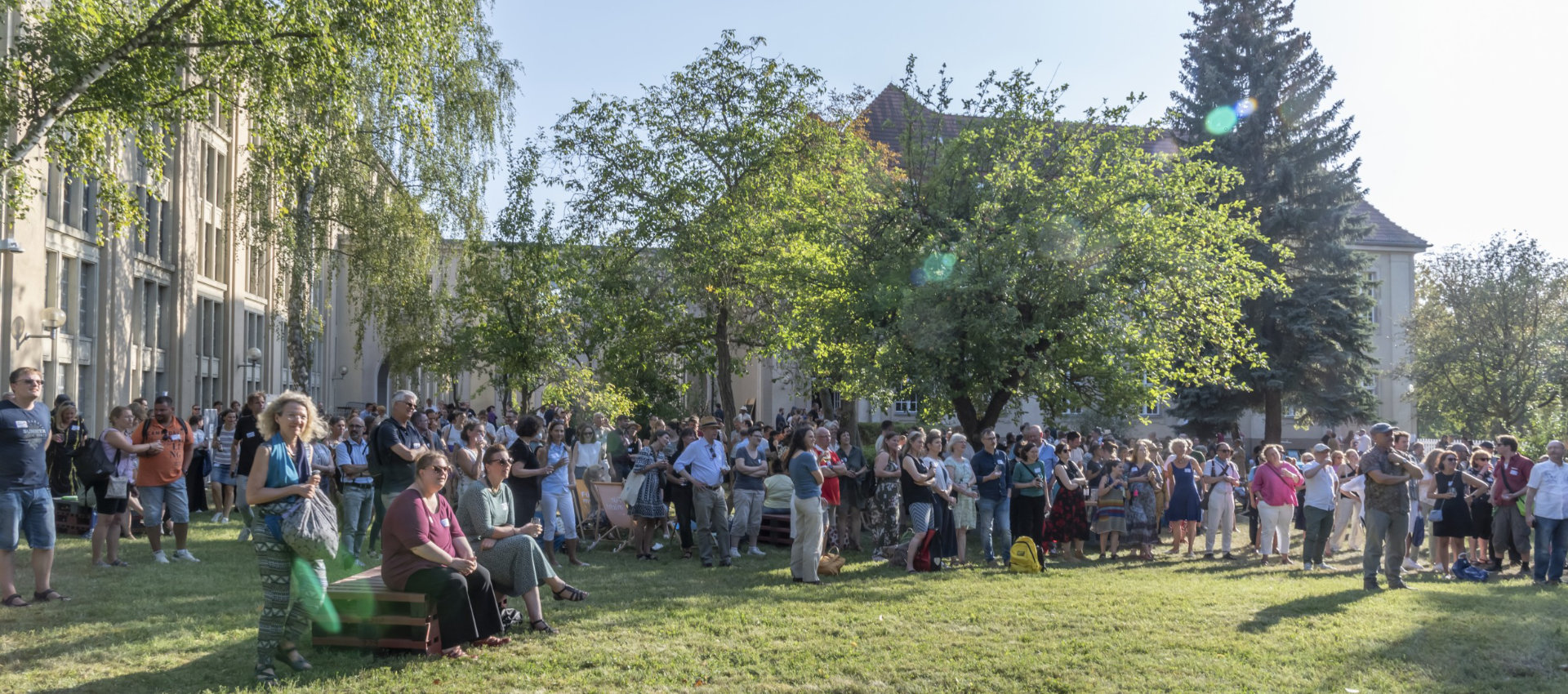
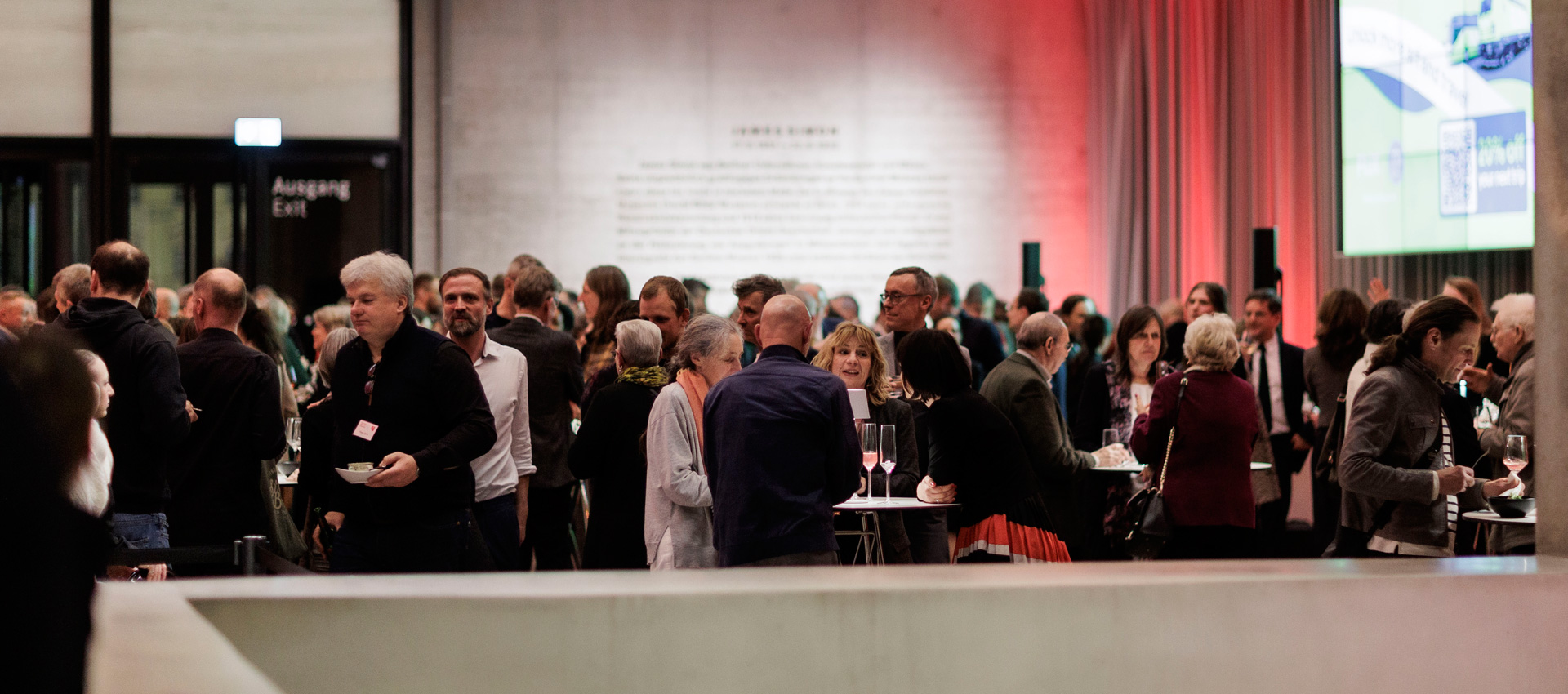
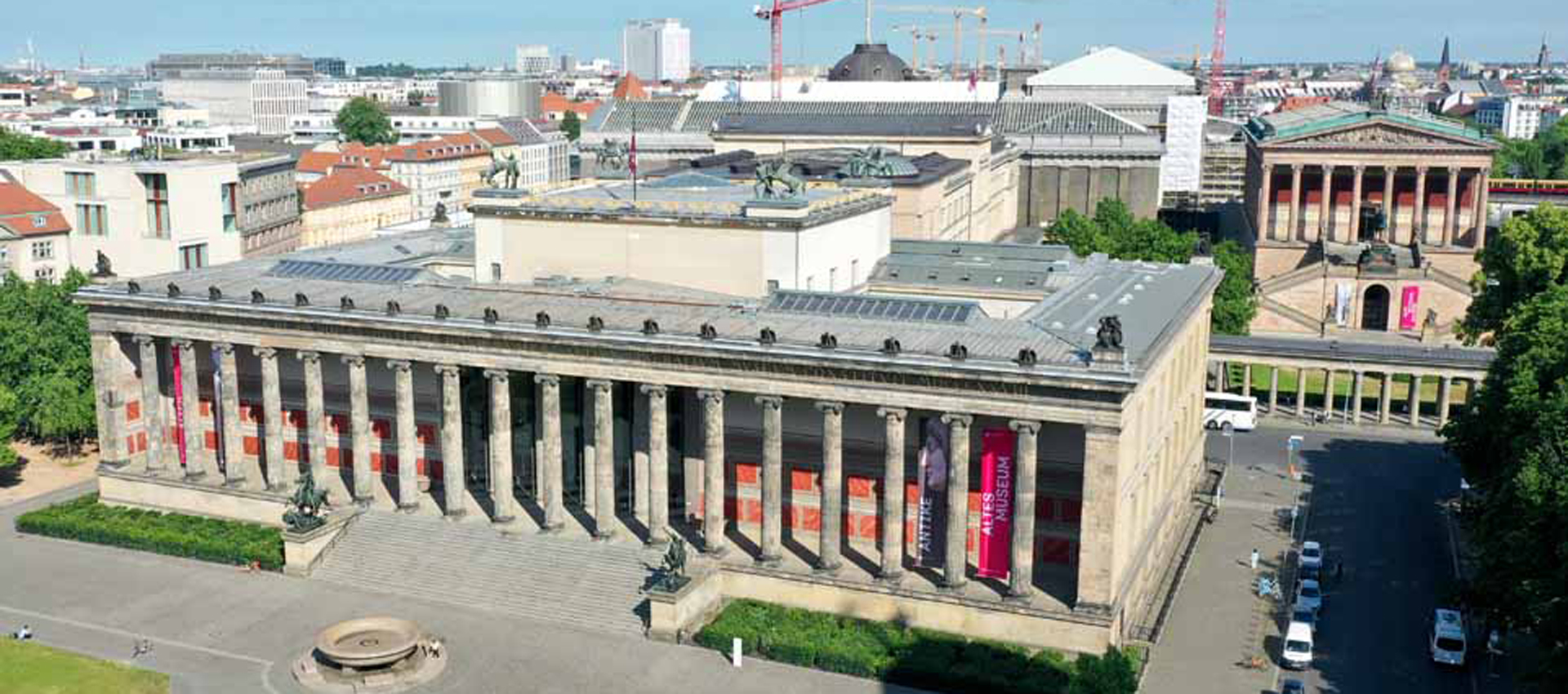
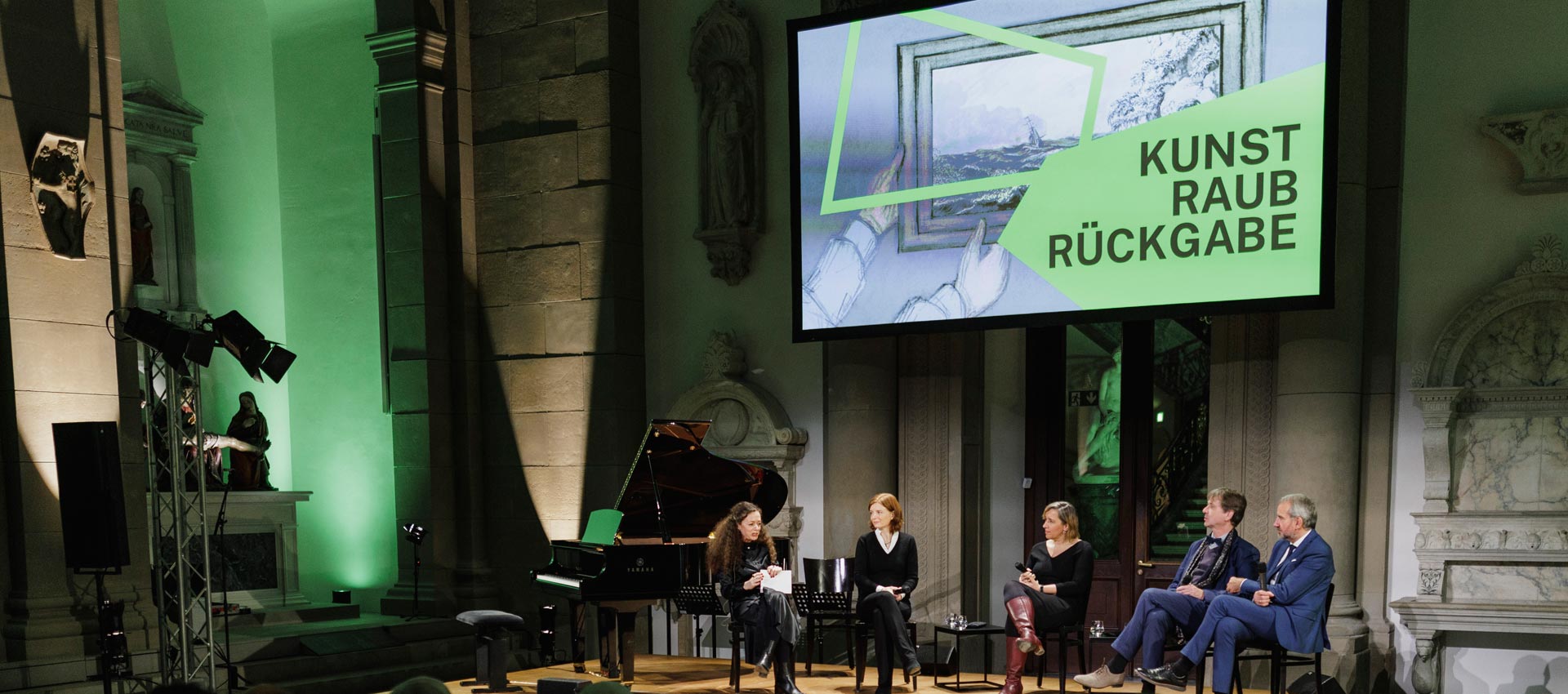
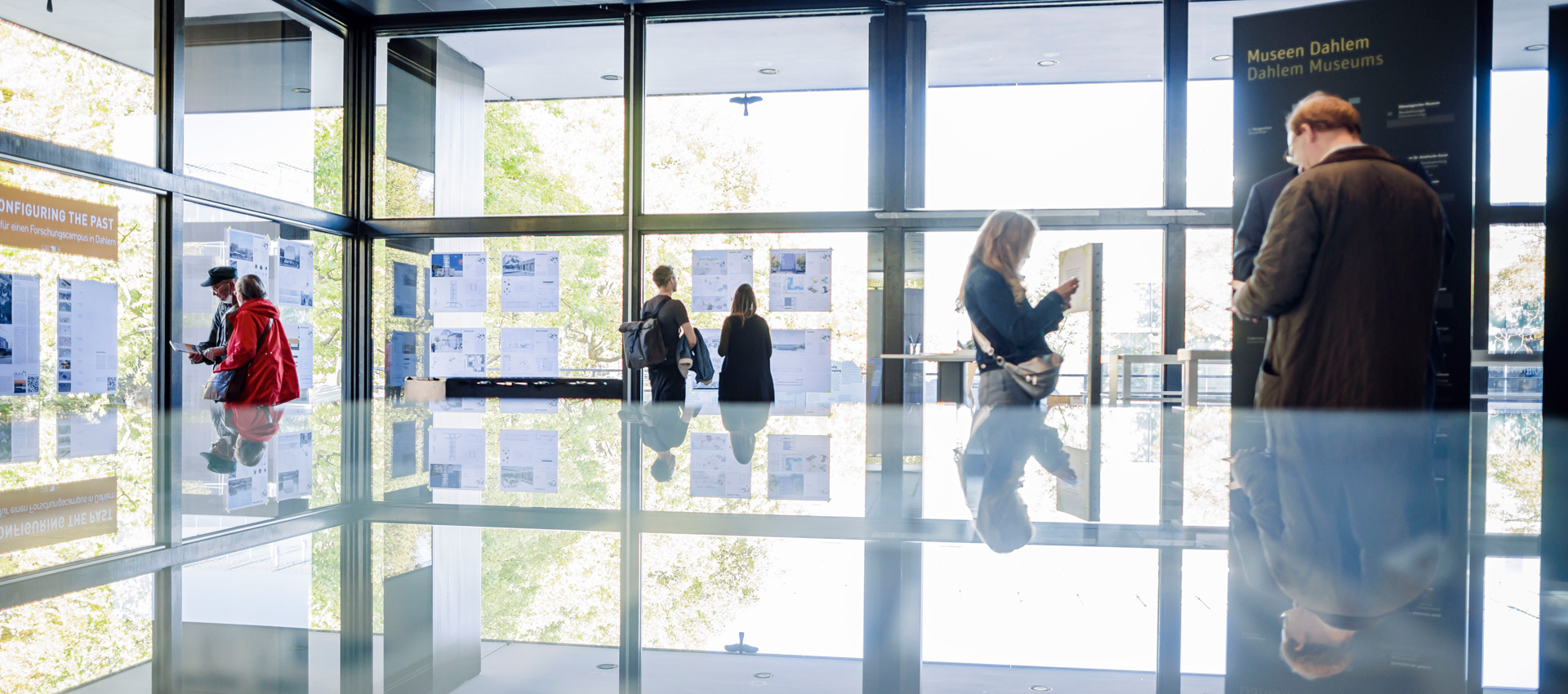
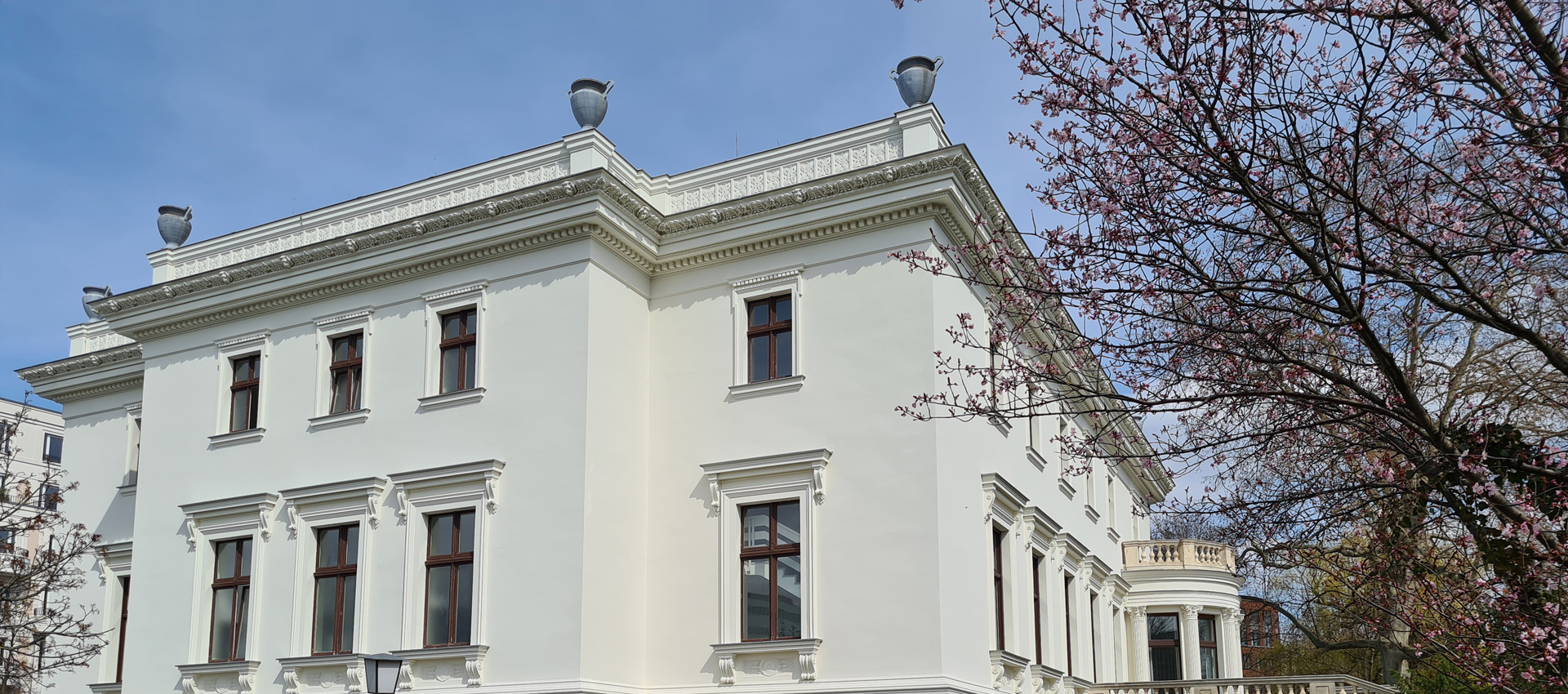
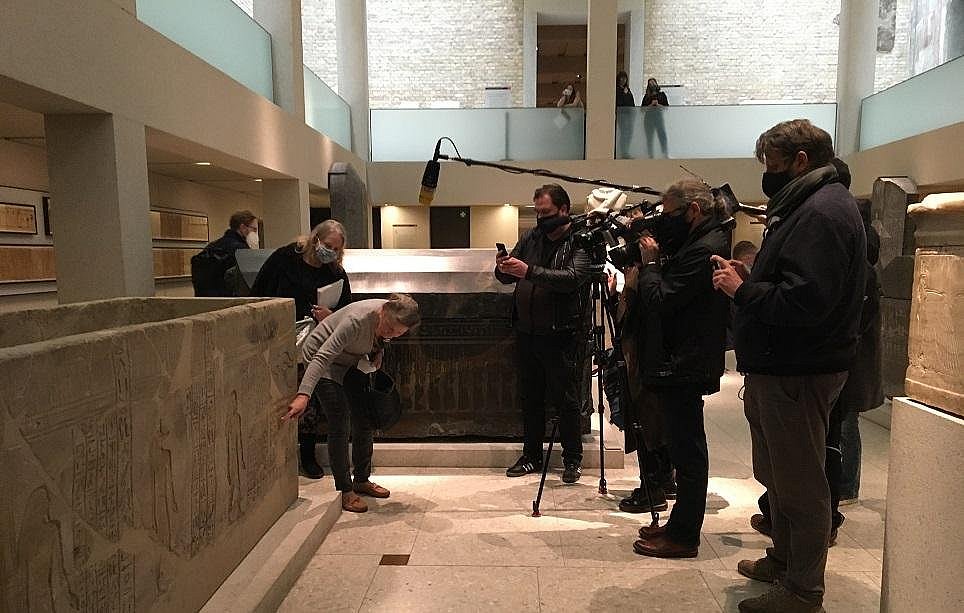
The recent flooding disaster in Spain has shown once again that the effects of climate change are a real threat – including to cultural heritage. The 7th International SiLK Conference at the James Simon Gallery sought solutions under the motto ‘Learning from crises – preparing for future threat scenarios’. The conference was organised by Almut Siegel and Alke Dohrmann, who are responsible for holistic risk management at the SPK. They explained what this entails in their presentation.
Almut Siegel and Alke Dohrmann bear a great deal of responsibility – and have a lot on their plate: in addition to their work at SiLK (Security Guidelines for Cultural Heritage), they are establishing a holistic risk management system at the Prussian Cultural Heritage Foundation as part of a project funded by the Federal Ministry of Culture (BKM). The importance of such an approach has been demonstrated by the numerous instances of damage to cultural heritage caused by natural (or man-made) disasters, such as the major fire in September 2004 that destroyed parts of the ‘Duchess Anna Amalia Library’ in Weimar, or the flood disaster in Dresden in August 2002, which caused 28 million euros’ worth of damage to the Dresden State Art Collections (SKD).
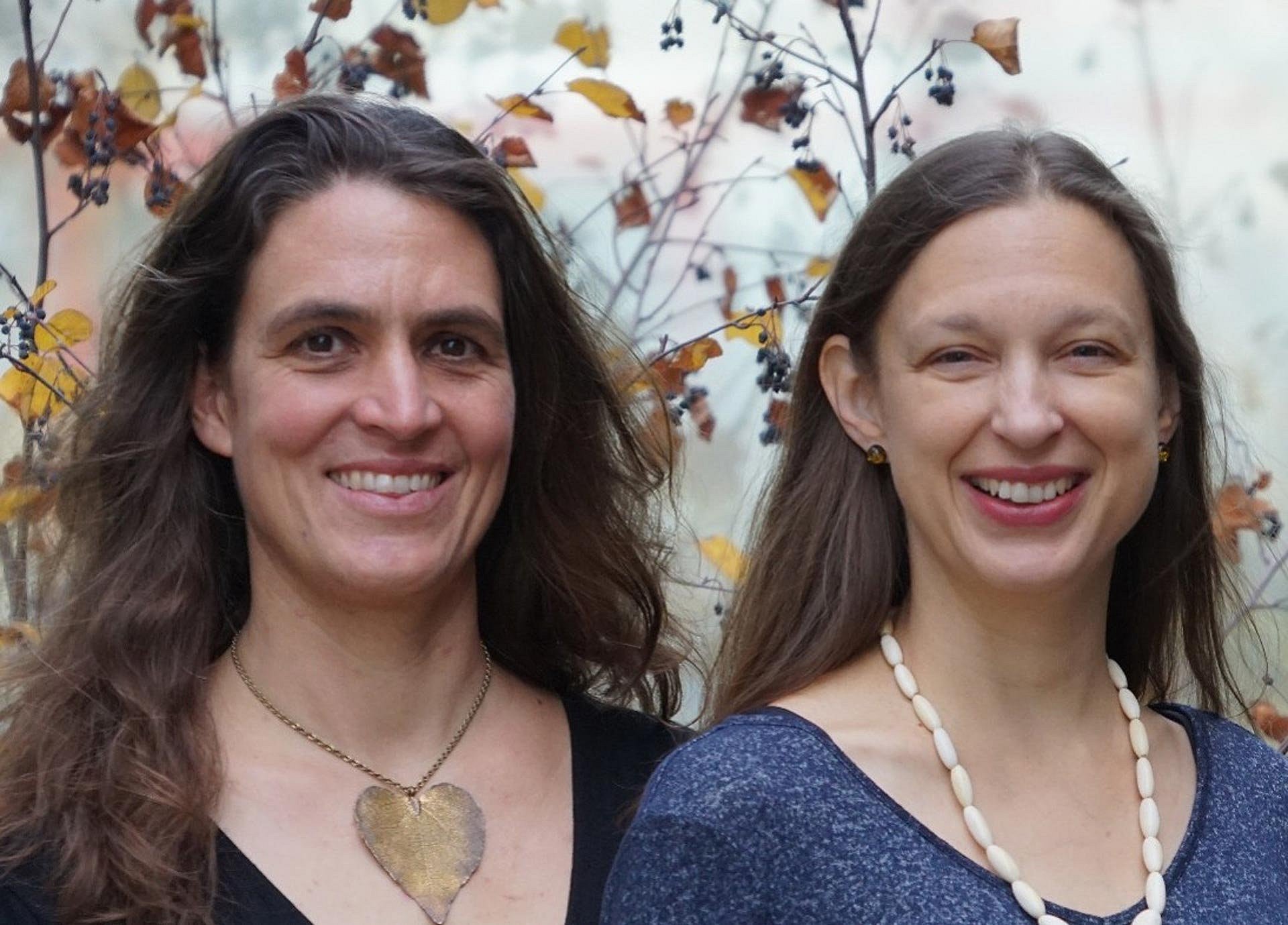
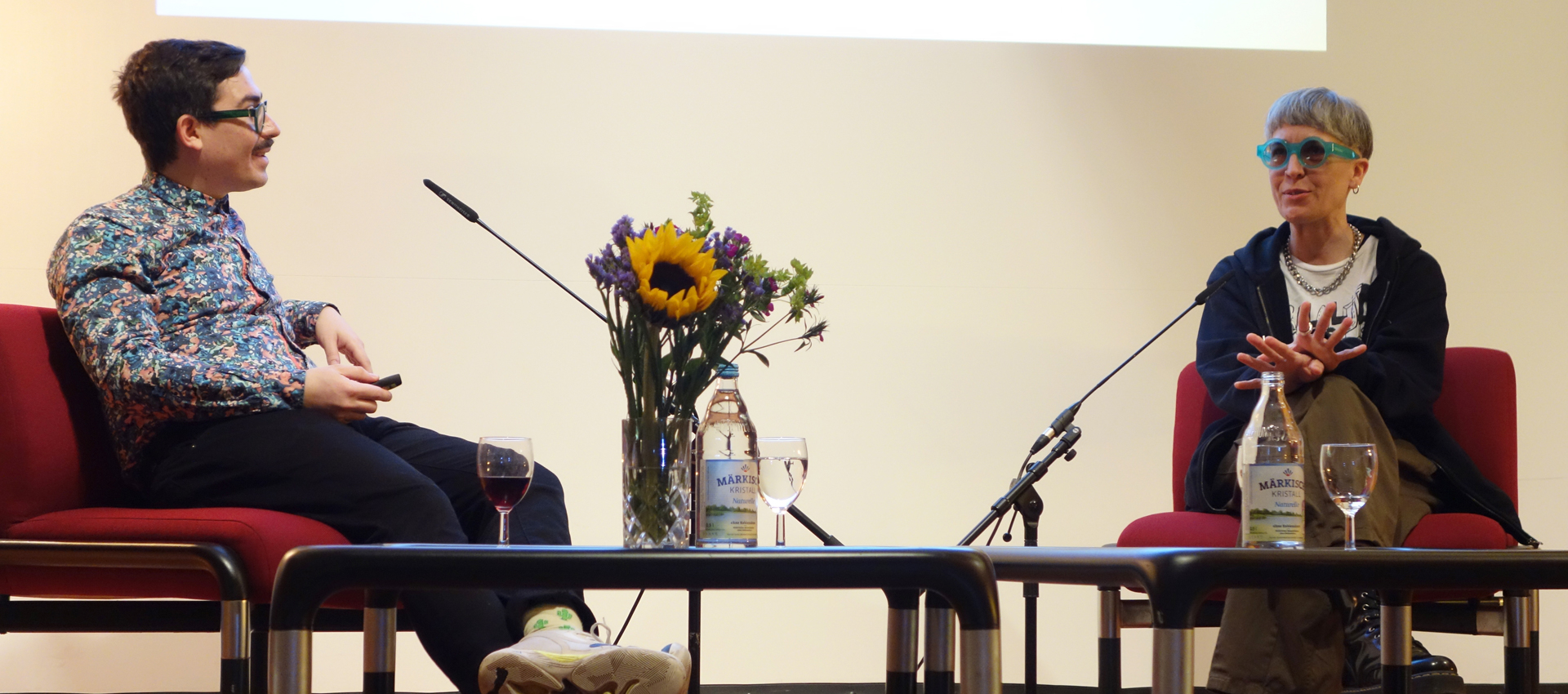
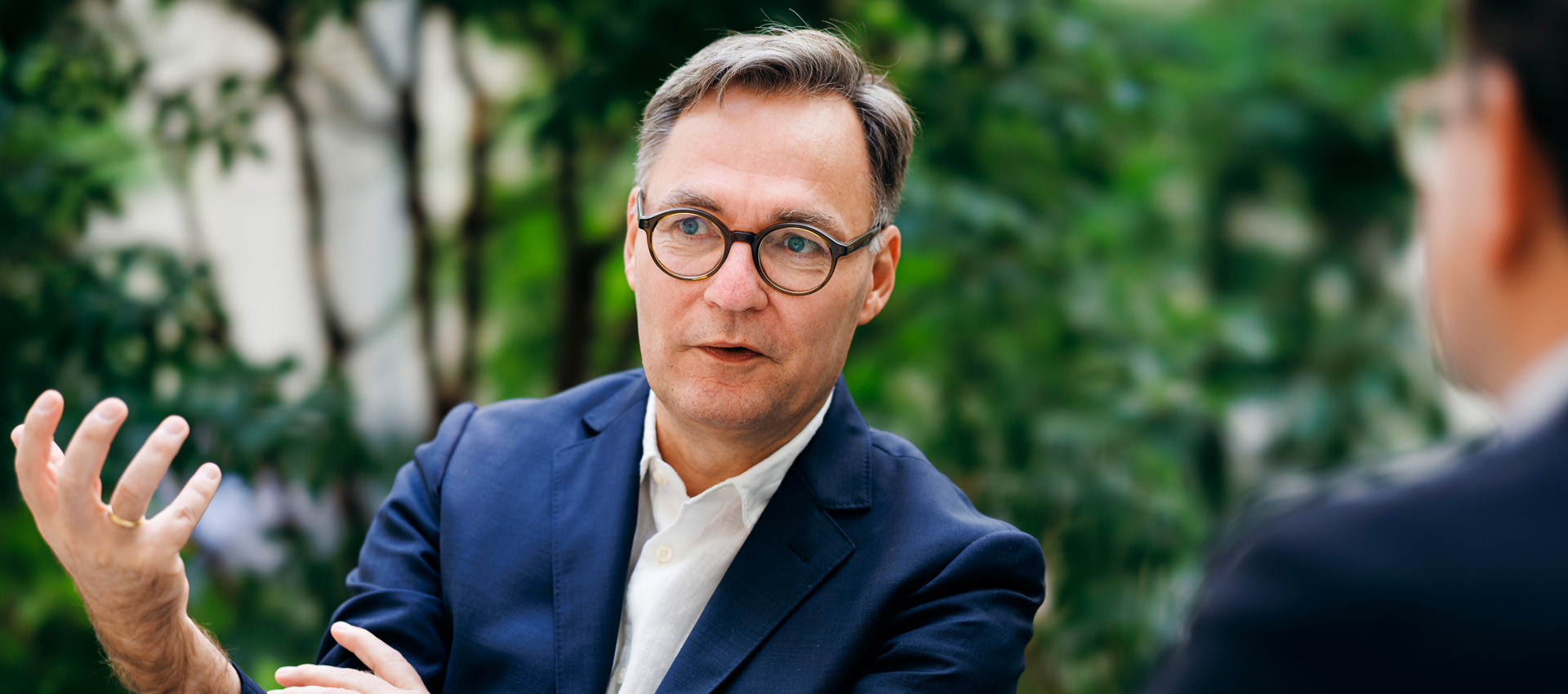
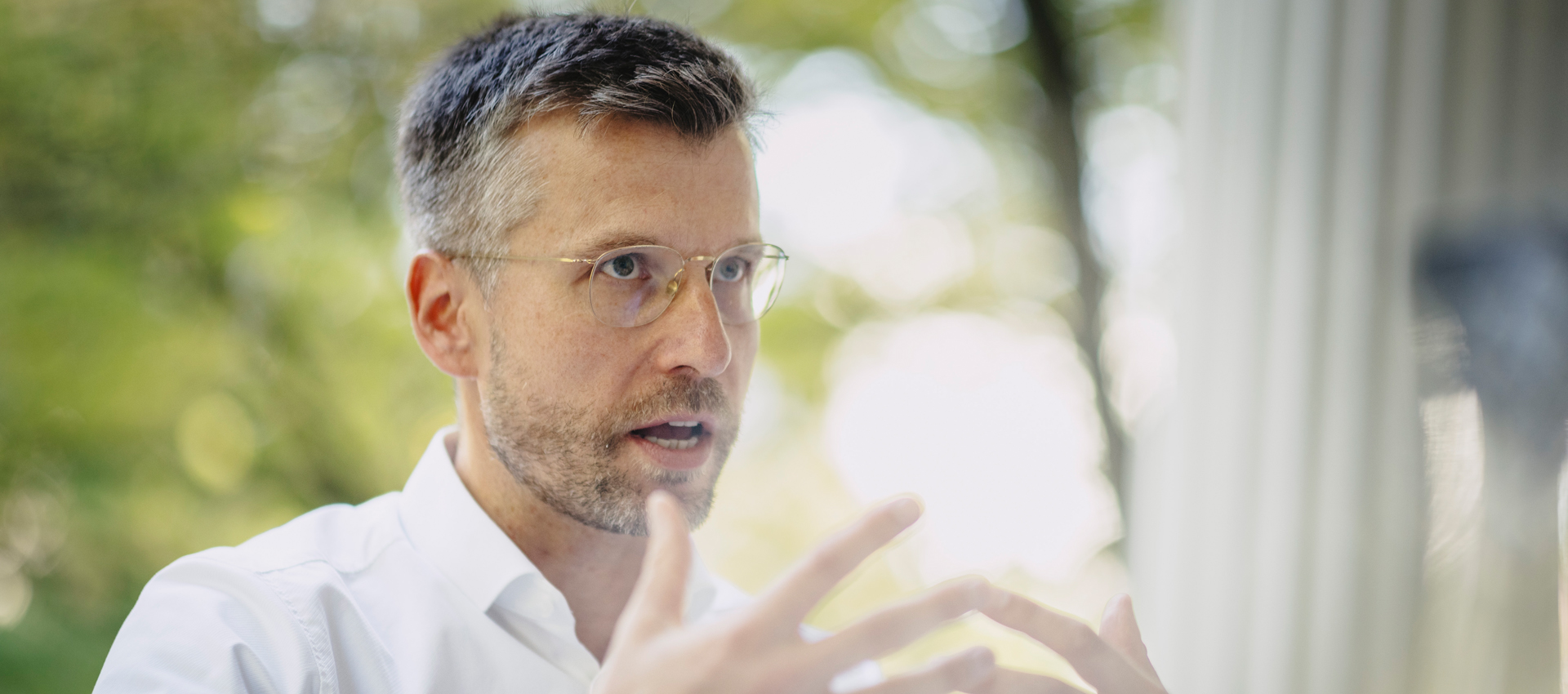
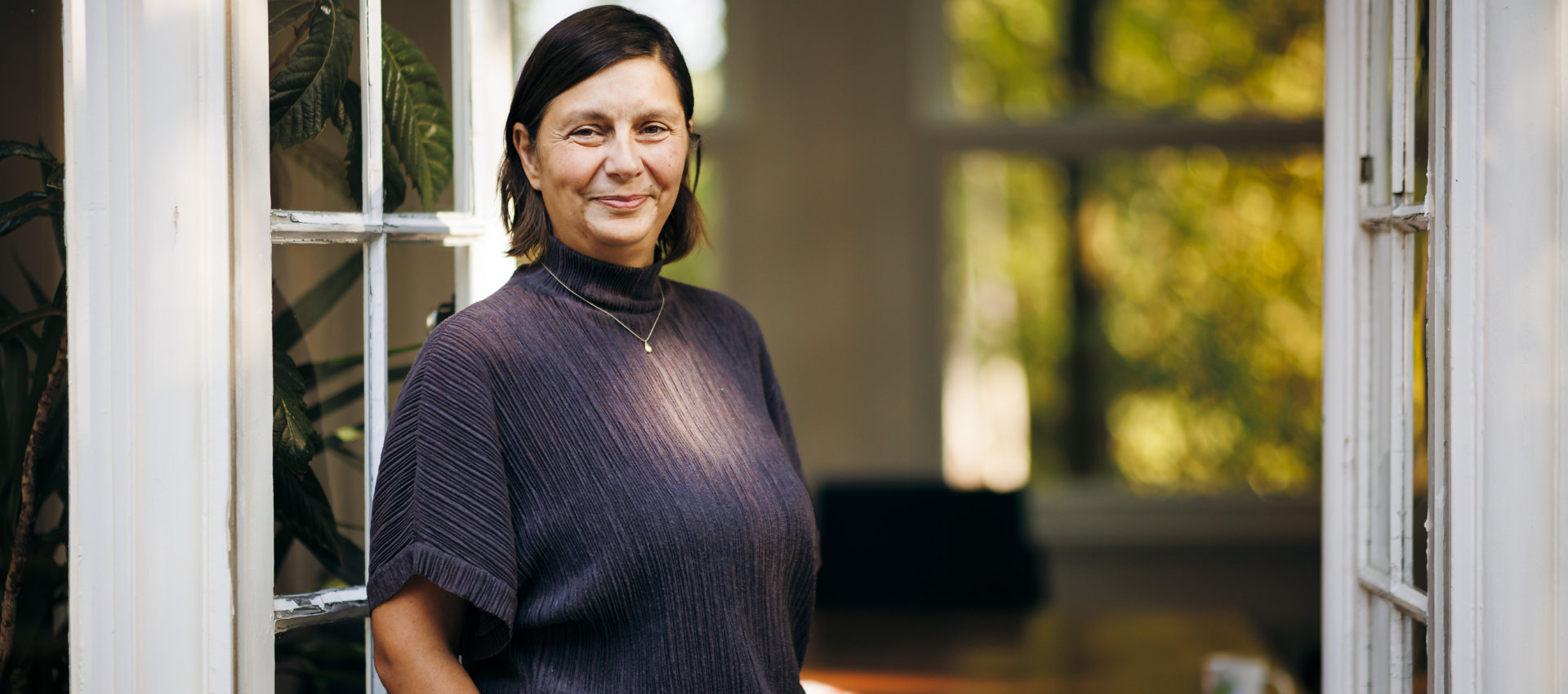
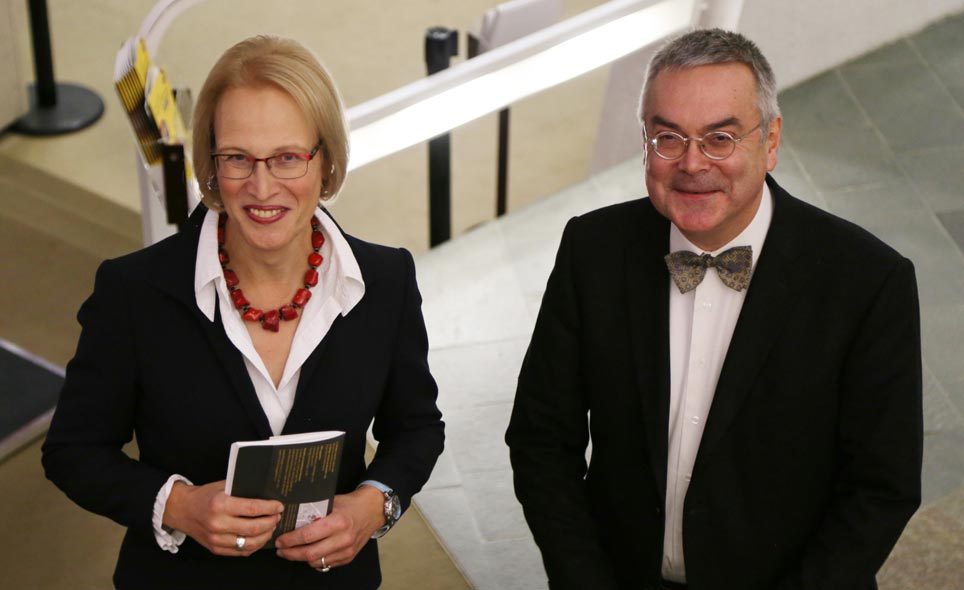
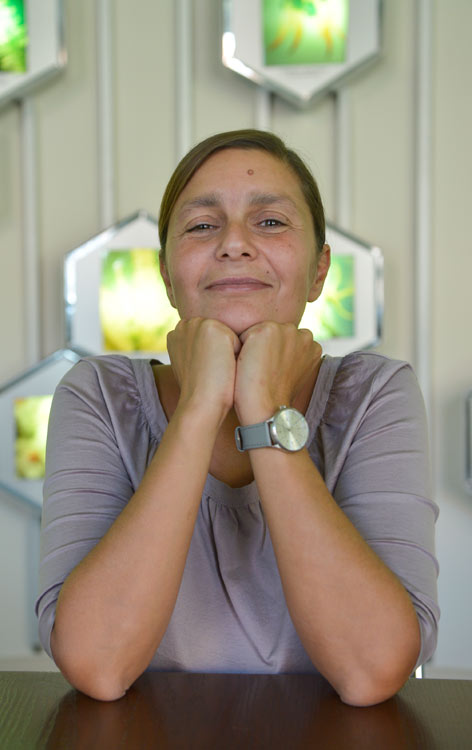
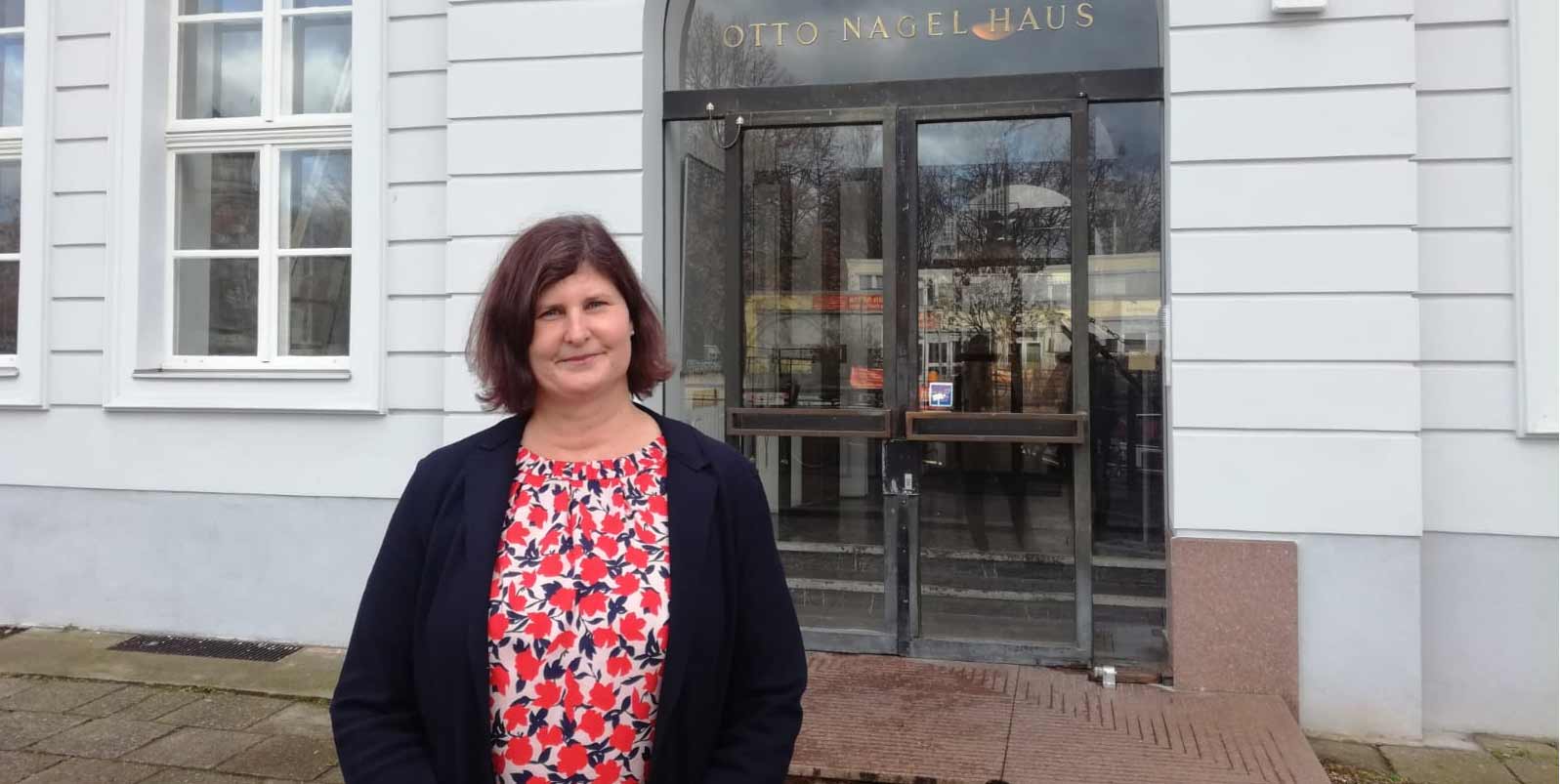
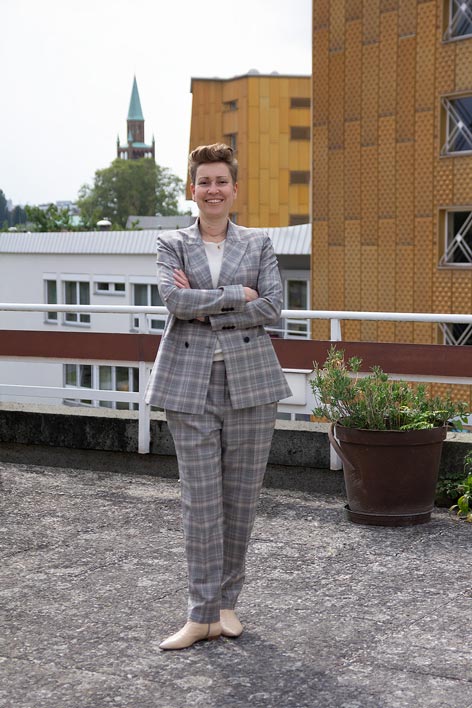
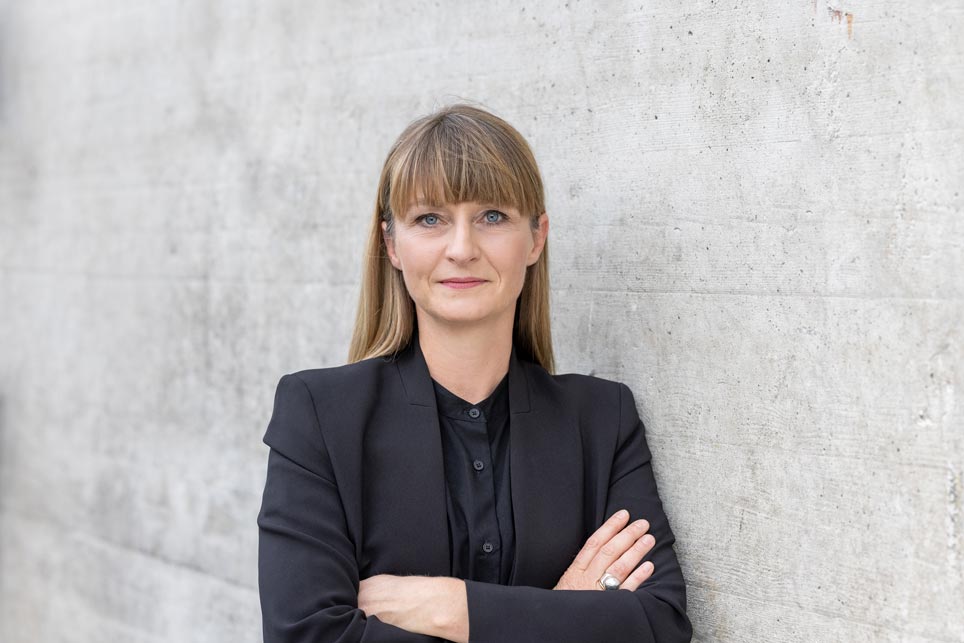
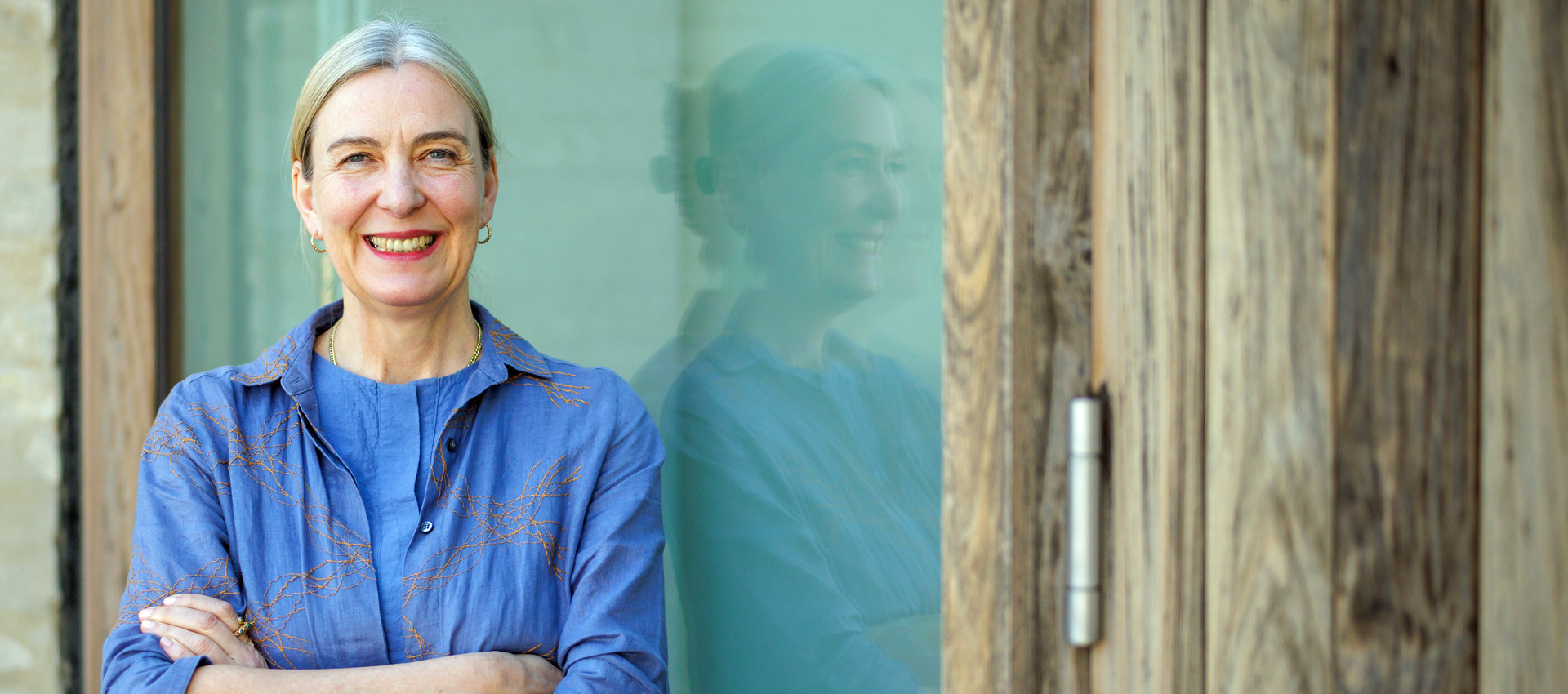
Almut Siegel and Alke Dohrmann are responsible for holistic risk management at the SPK.
Photo: Karin Ries, © BBK
No one is safe: holistic risk management is a must
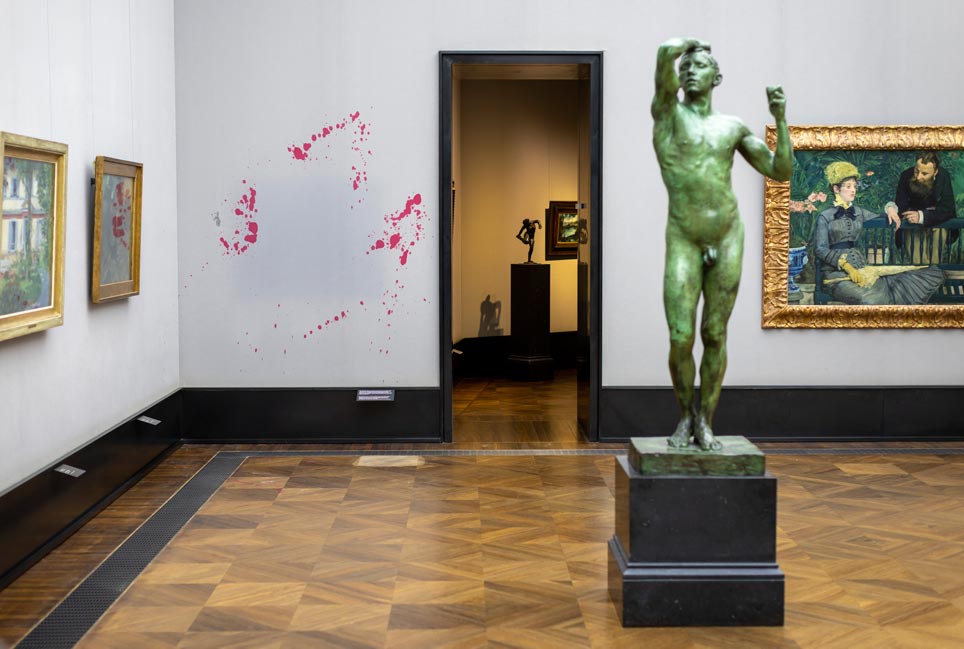
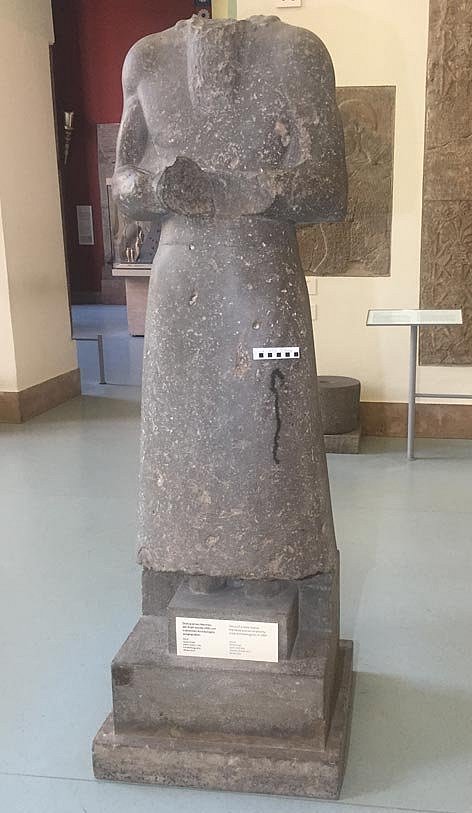
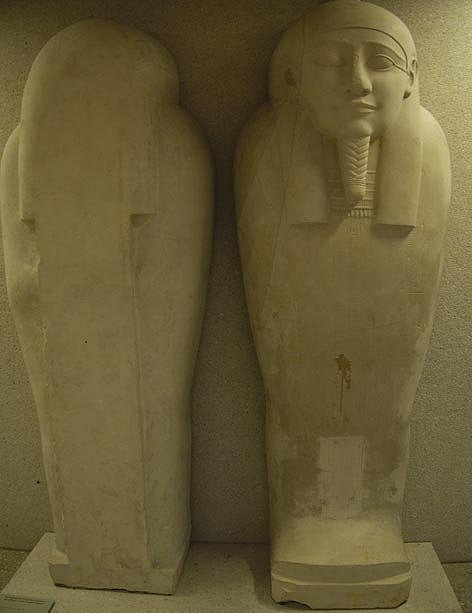
“Even if these incidents didn’t happen at one’s own institution, everyone has realised that they are at risk and that something must be done,” says Dohrmann. “And plenty has happened at the SPK too. Spectacular incidents from recent years include the theft of the gold coin from the Bode Museum in 2017 and the acts of vandalism on Museum Island in 2020.” The latter was the catalyst for the SPK’s “Risk Management Task Force” being established four years ago, which proposed the “Holistic Risk Management” project.
First step: the risk analysis
“When we started working for the SPK last August, we considered which tasks we would like to take on in this area and drew up a list,” explains Dohrmann.
The first step is to carry out a risk analysis in as many areas of the SPK’s sites as possible. “We carry out site visits with the staff, are shown the facilities and discuss the key priorities and challenges in risk management to gain an overview of which issues are the most serious at the various sites,” explains Dohrmann. One of the bases for these risk analyses is the Cultural Heritage Security Guide, which is used to carry out risk assessments.
What is SiLK?
SiLK (Cultural Heritage Security Guide) is a free online tool for museums, archives and libraries addressing issues relating to the security and protection of cultural heritage. Using questionnaires, collection-holding institutions can carry out a self-assessment and receive a report with recommendations for action. In addition, there are further tips, documents, links and recommended reading. SiLK is available in German, English and Arabic.
Learning from the past: damage statistics
Dohrmann goes on to explain: “Another very important point is loss statistics. This means that the facilities themselves document any incidents that occur, so as to have a data foundation on which to build. In some cases, there is already data on risk analyses carried out by external bodies which we can access.” Siegel and Dohrmann intend to use this to develop both a quantitative and qualitative risk analysis, which they will then transfer to a so-called risk map. This map will show which risks are of particular significance at which locations, enabling them to derive appropriate measures and mitigate these risks as far as possible.
Better safe than sorry: the contingency plan
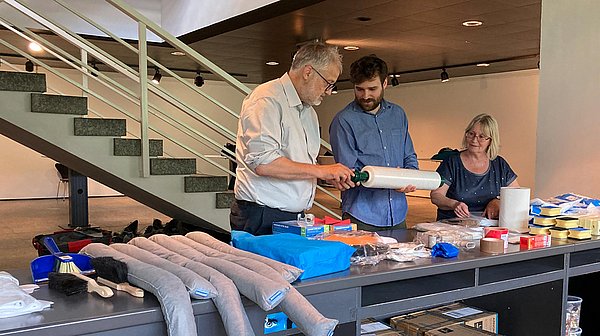
At this point, risk management transitions into contingency planning: “Contingency planning is, of course, another key focus. Many facilities had already started this process before we arrived on site,” explains Siegel. “We accompany and support this ongoing process with our expertise. Emergency planning includes, for example, issues such as prioritisation and the question of recovery. We have developed templates for this.” Emergency kits, which were put together by the Rathgen Research Laboratory and stored on site, are now available in all SMB facilities. Dohrmann and Siegel are in the process of supplementing and expanding these, as well as organising their ongoing maintenance.
Act first, document later: Incident documentation
Another key component of Siegel and Dohrmann’s work is the consistent and standardised documentation of incidents at SPK facilities, which until now has been carried out independently. “Nevertheless, these analyses are very helpful because they reveal that, for example, the issue of water is a crucial one. Just as vandalism is on the rise, as we have observed,” explains Siegel. The two researchers are working to systematise the documentation and analysis of damage and simplify its application, and have developed an activity module in the museum database for this purpose. “In the next step, these can be linked to further reports and information, such as building damage reports or restoration documentation, so that one can trace the entire history of the damage, evaluate it comprehensively and process it further.”
It is important to us that our findings can be shared and put to good use!
A key component of holistic risk management: staff expertise
The researchers also wish to reconvene the risk management task force mentioned at the outset, expand it and establish it as a permanent body and a group that meets regularly. The aim is to bring together representatives from all areas of the foundation to discuss overarching issues and make fundamental decisions.
“The key group consists of the risk officers at the individual institutions, who carry out the groundwork in risk management, bring the issues back to their respective sites and apply and implement them there on an individual basis,” says Siegel. She and Dohrmann support those responsible and bring them together for regular meetings. “We use these opportunities to provide training in specific areas, for example by reviewing the emergency kits and delivering further training on risk analysis. But it is also very important to us that a foundation is established to champion and implement this issue within the institutions in the long term.”
Learning and acting together
According to Dohrmann and Siegel, training and professional development are key aspects of holistic risk management. “We can draw on our experience here, as well as the documents and materials we have developed at SiLK, and incorporate them into our work. This is one of the many synergies arising from our work for SiLK and the SPK’s holistic risk management.”
However, external experts are also brought in. “For example, we had Robert Waller as a guest, a colleague from Canada who conducted a training session on risk analysis for us,” says Siegel. Networks, she adds, are also a key focus of her work. The Staatliche Museen zu Berlin, for instance, are an associate member of the Berlin Museums’ Emergency Network.
“Up until now, our network has primarily been supra-regional, covering the whole of Germany, with the key players at the national level. Now we are also taking a city-wide approach; among other things, we have established close cooperation with the fire service and are members of the Berlin Round Table, organised by the Senate Department for Culture,” says Siegel. This network is also to be expanded internationally, because: “It is important to us that our findings can be shared and put to use!”
The SiLK conference was organised by SiLK – Security Guidelines for Cultural Heritage in cooperation with the Federal Office for Civil Protection and Disaster Assistance, the German Commission for UNESCO, the German Society for the Protection of Cultural Property and Blue Shield Germany, and was made possible thanks to the kind support of the Federal Government Commissioner for Culture and the Media (SiLK Conference) and the Federal Office for Civil Protection and Disaster Assistance (ceremony), as well as the hospitality of the Prussian Cultural Heritage Foundation.