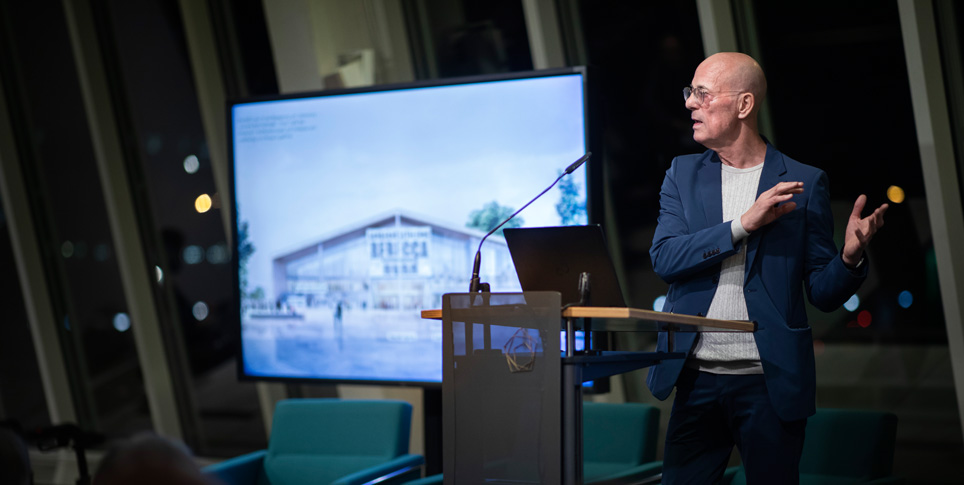
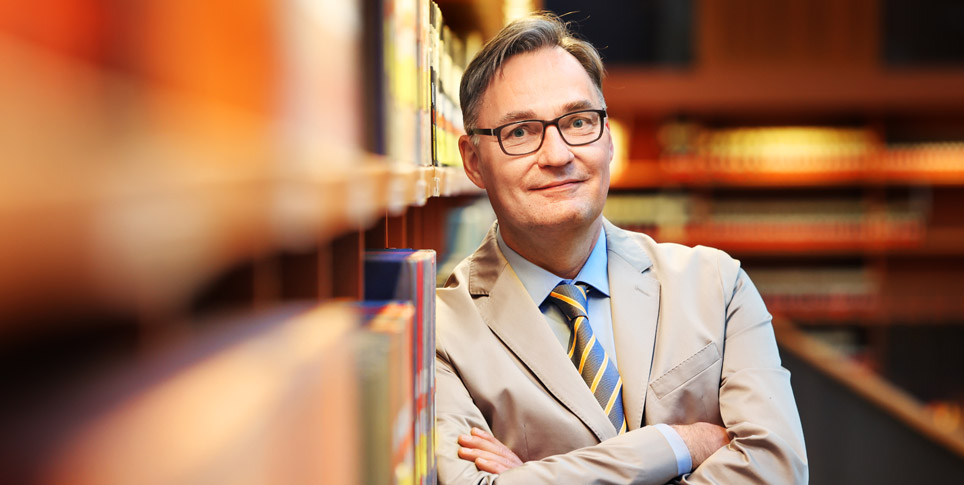
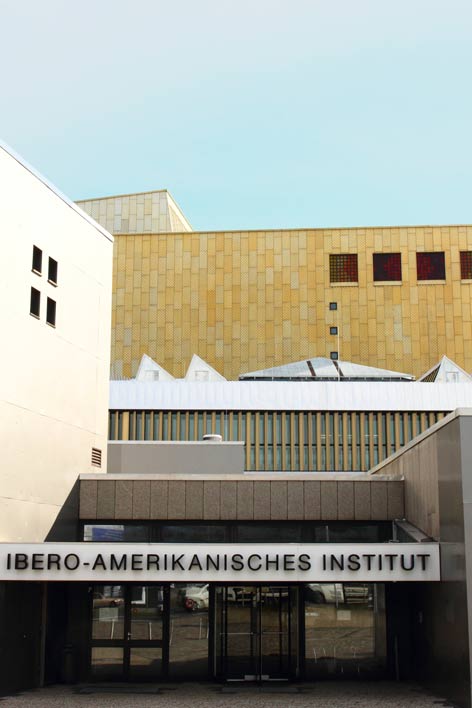
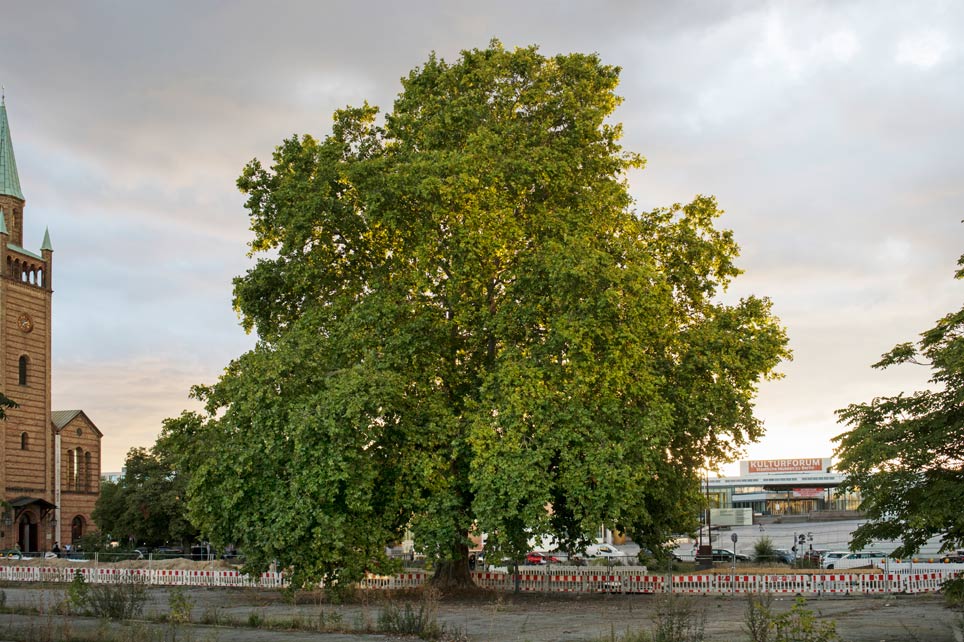
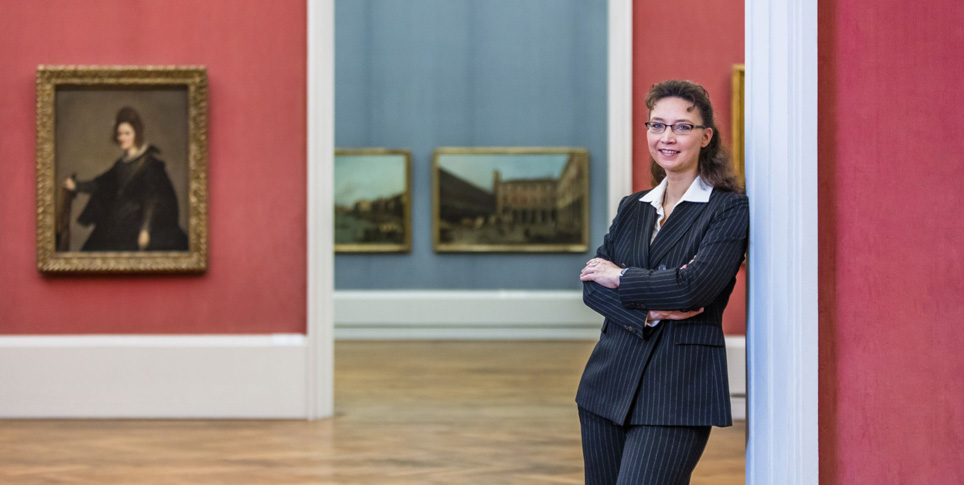
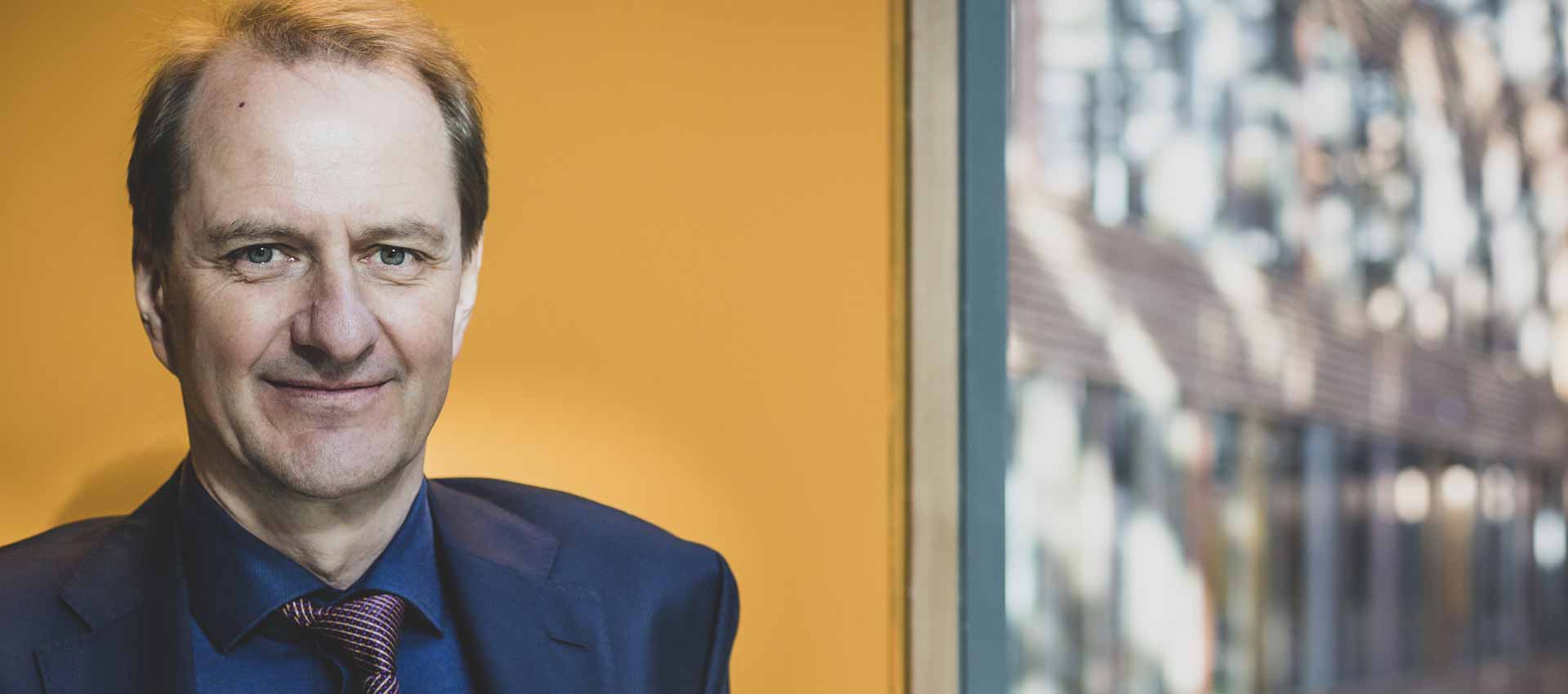
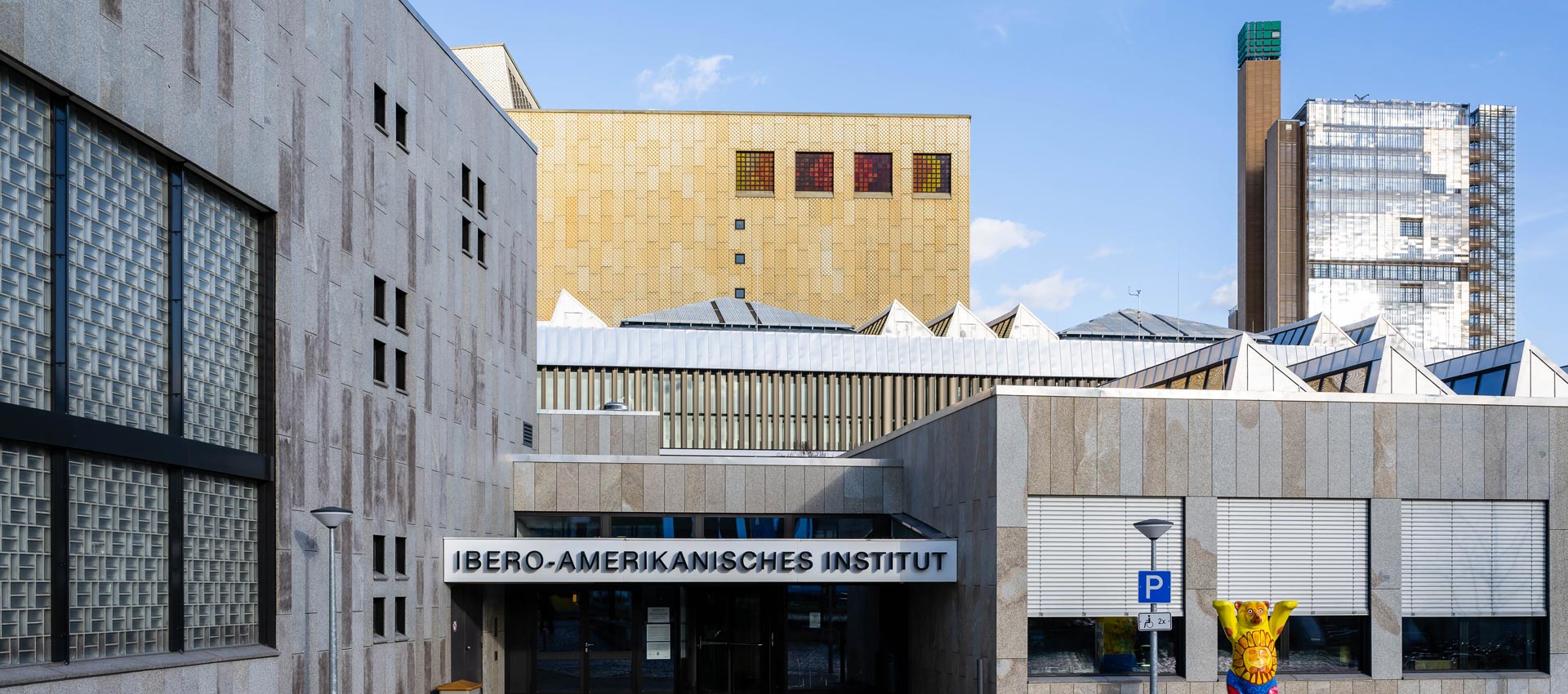
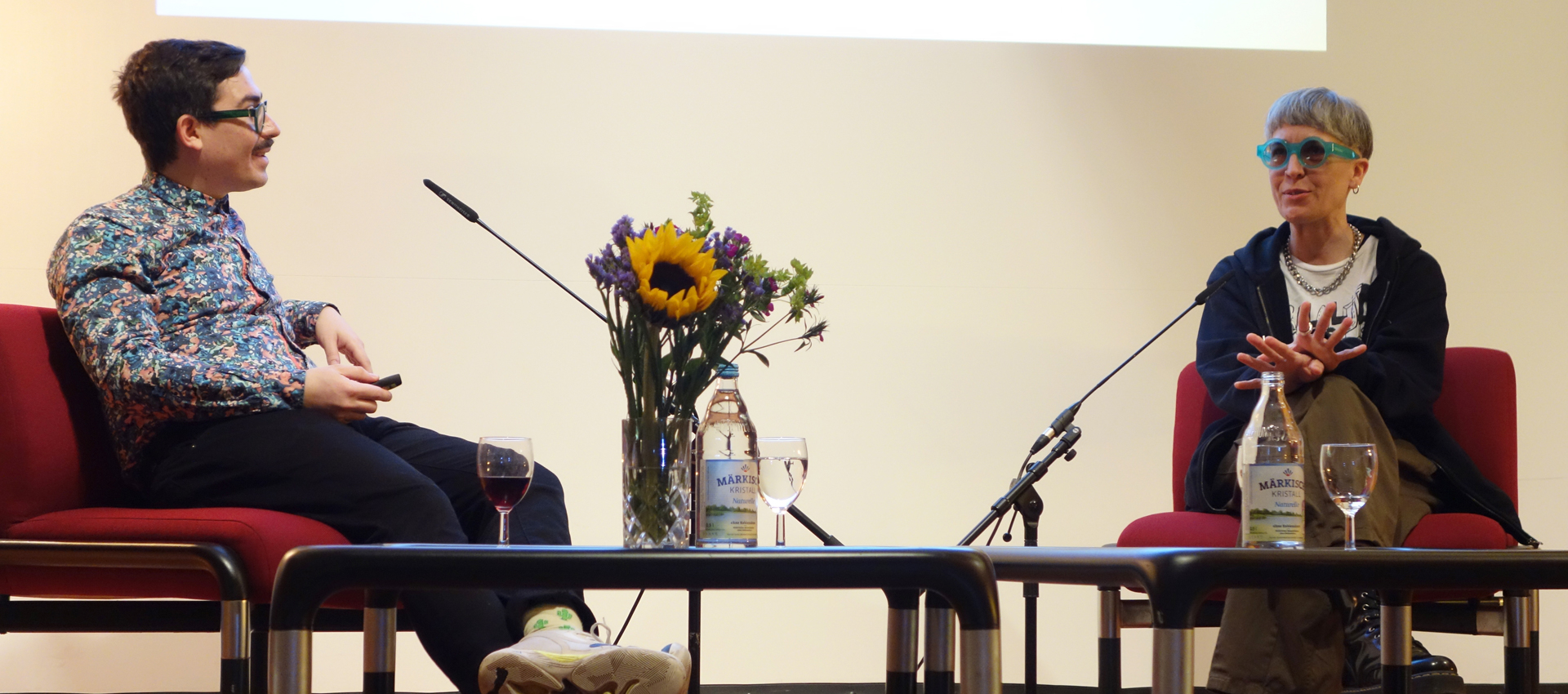
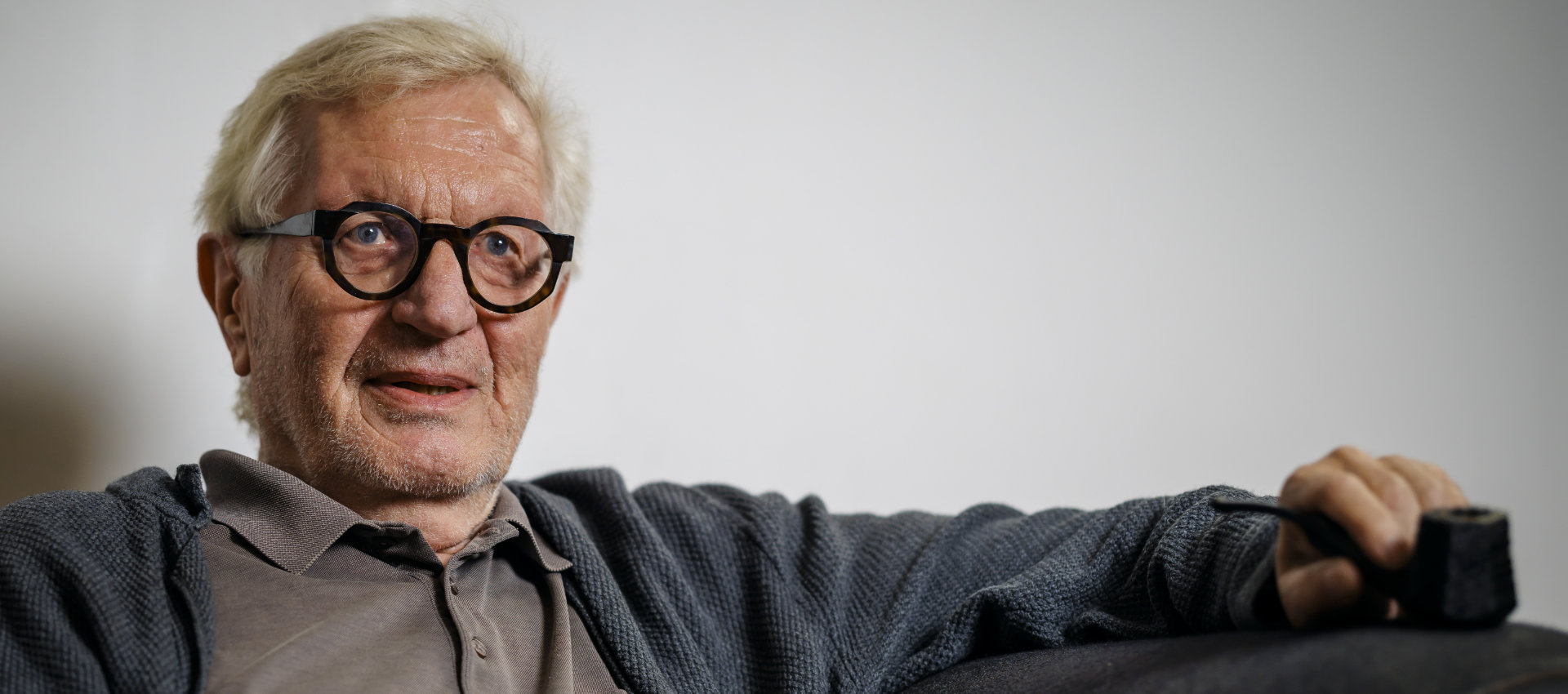
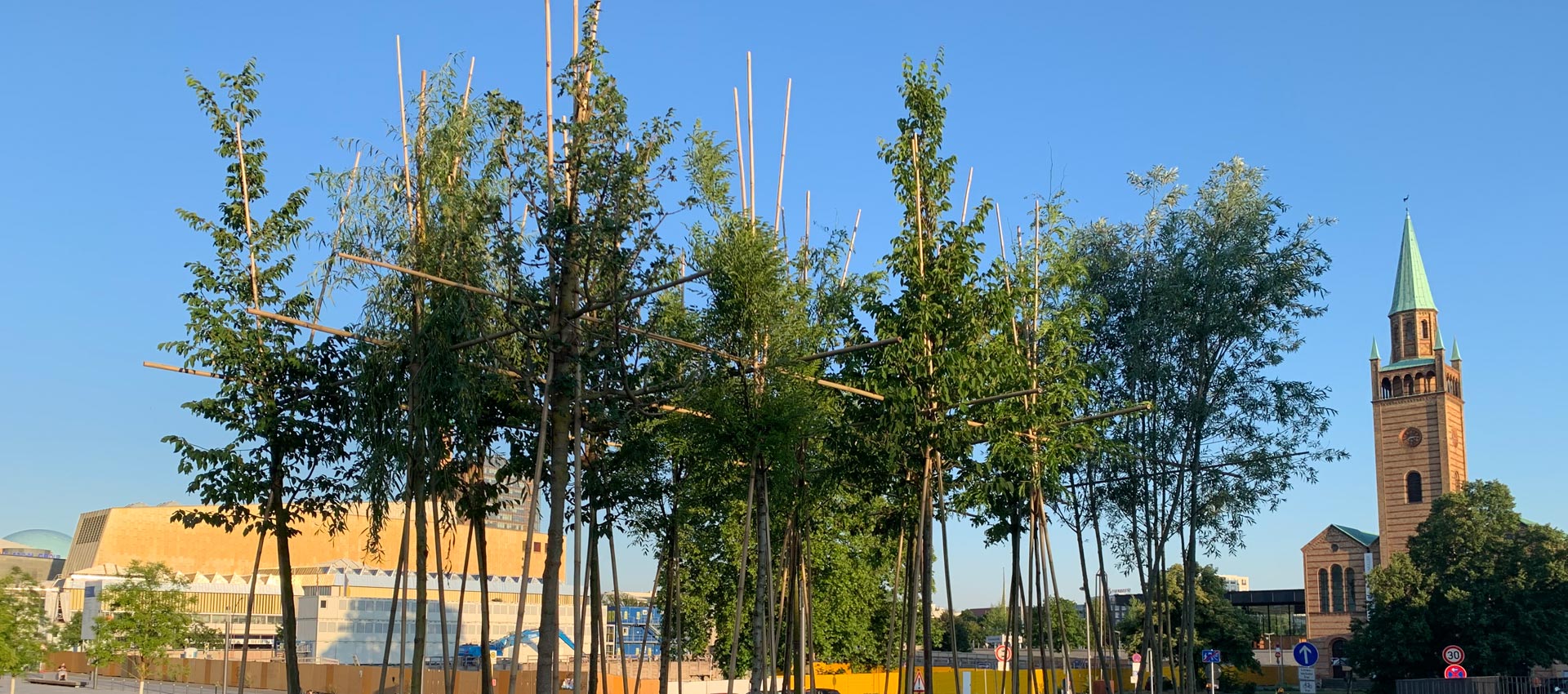
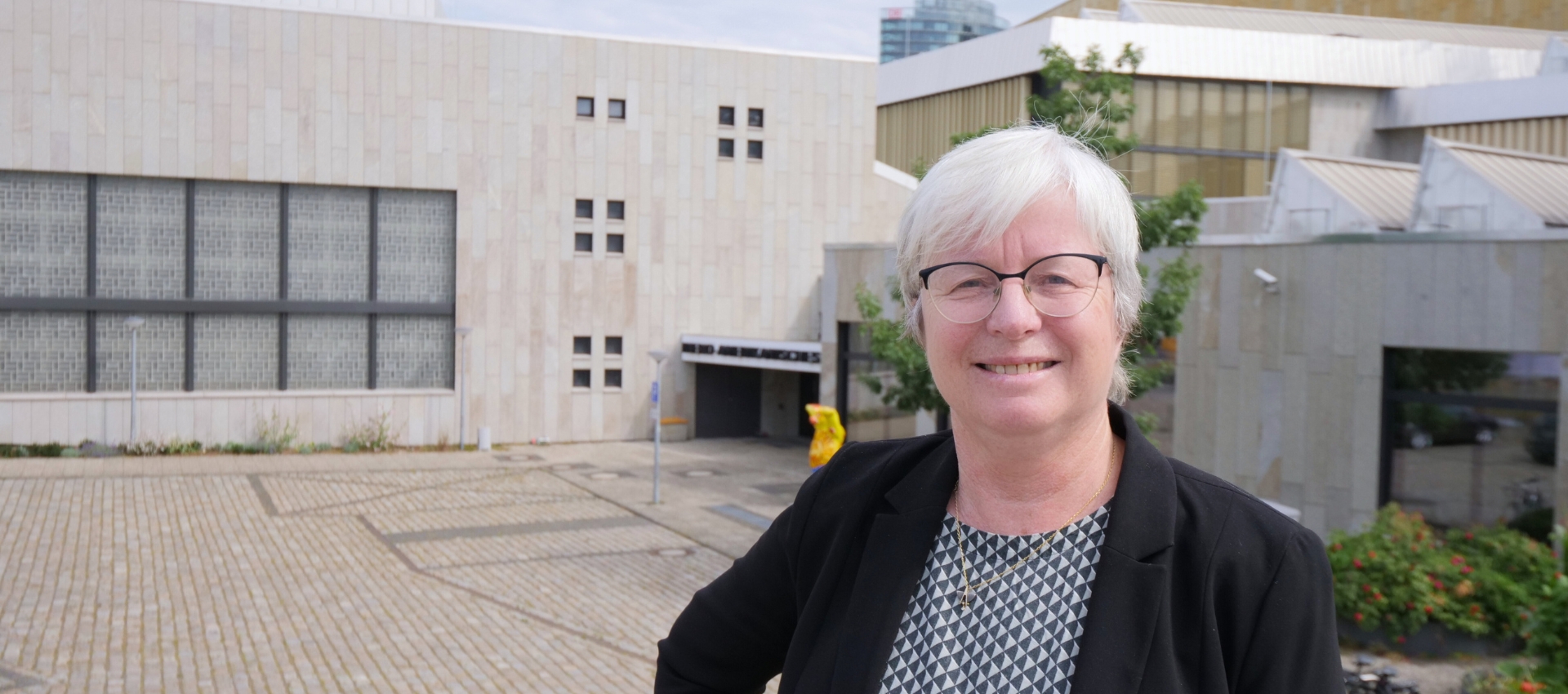
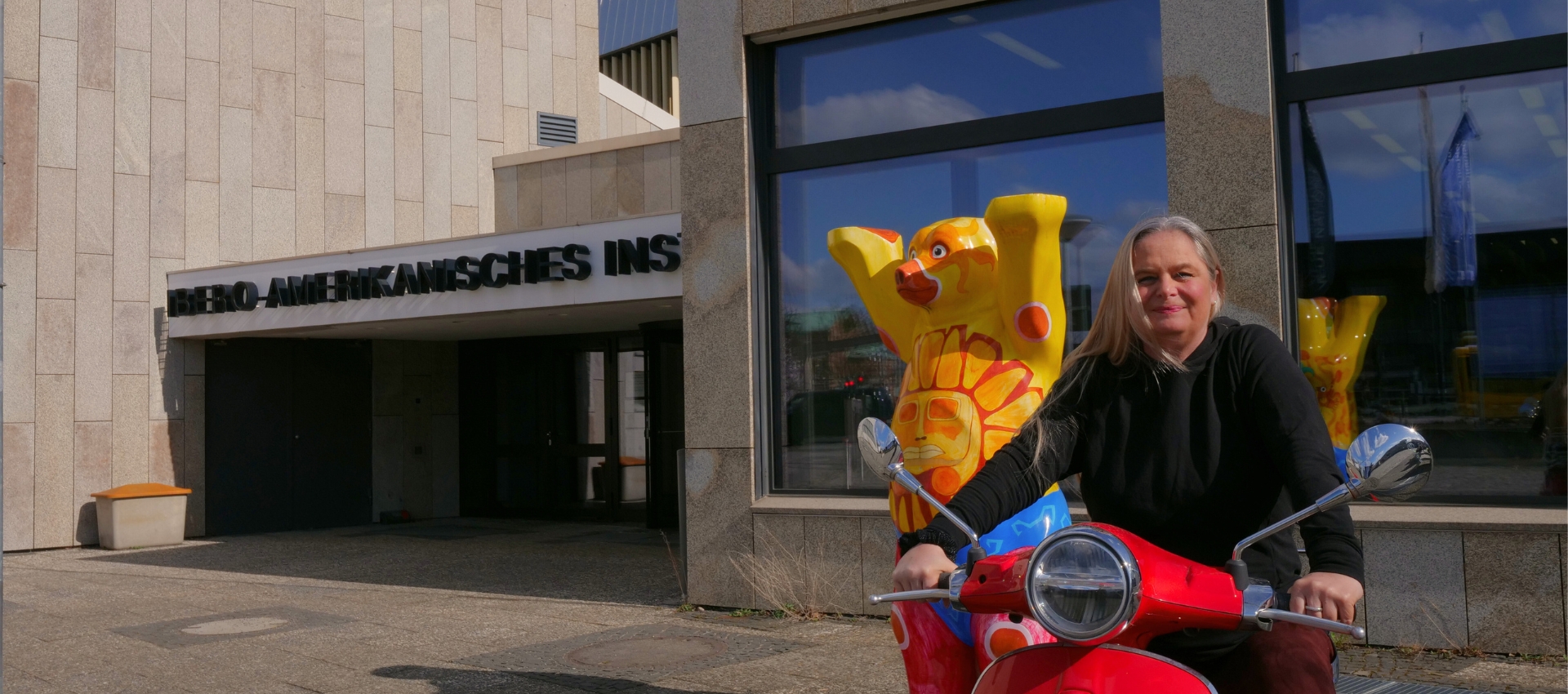
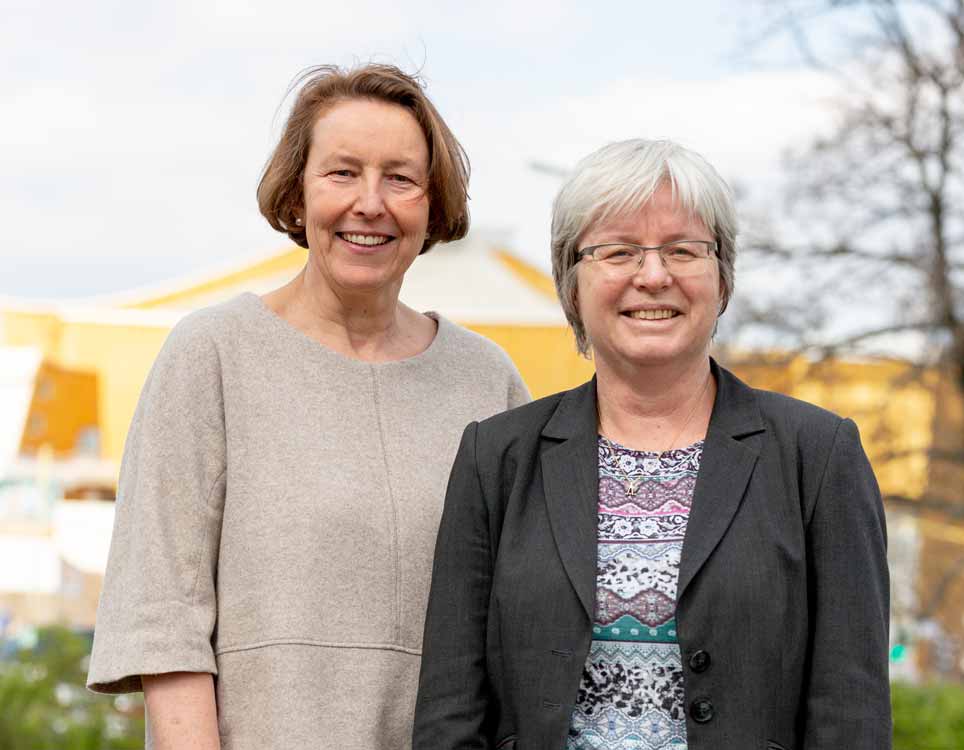
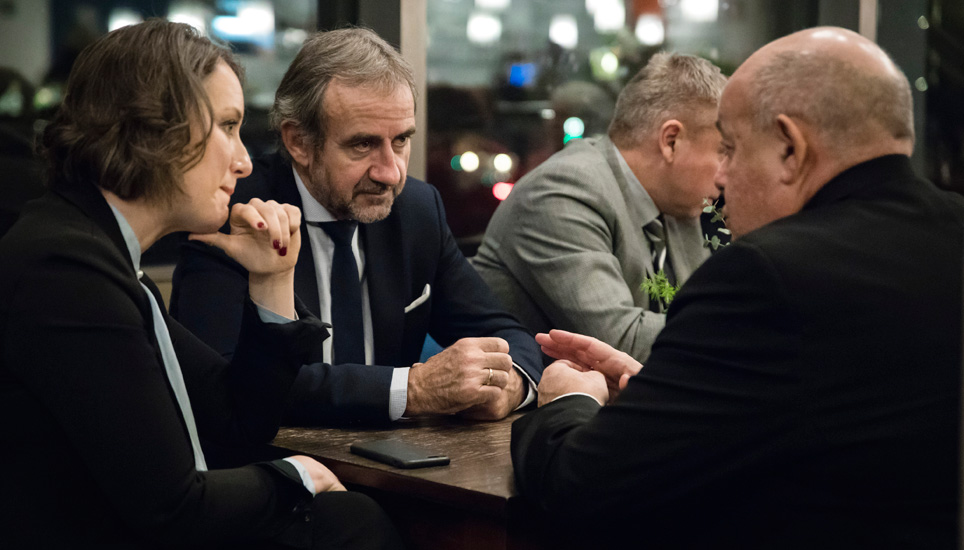
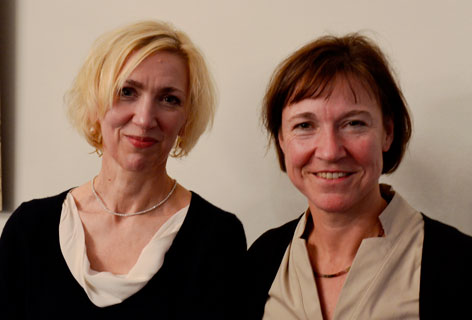
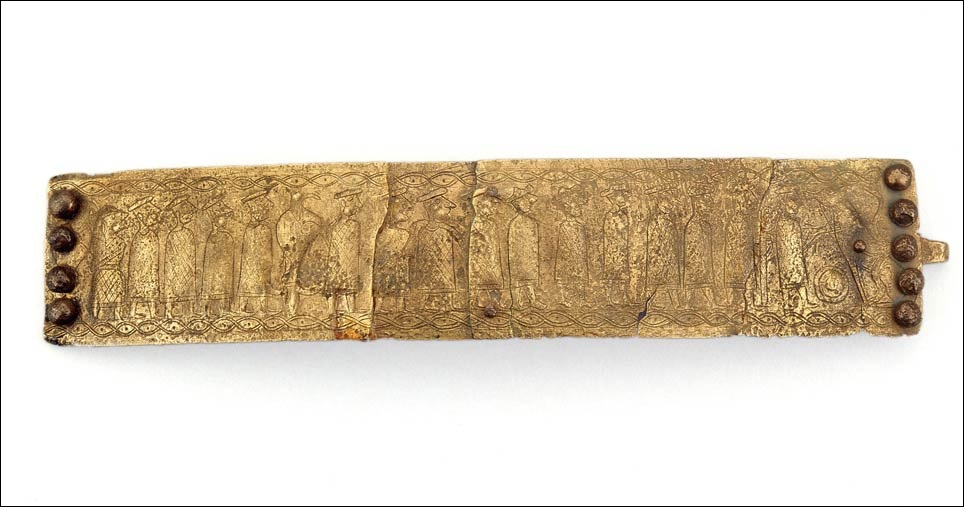
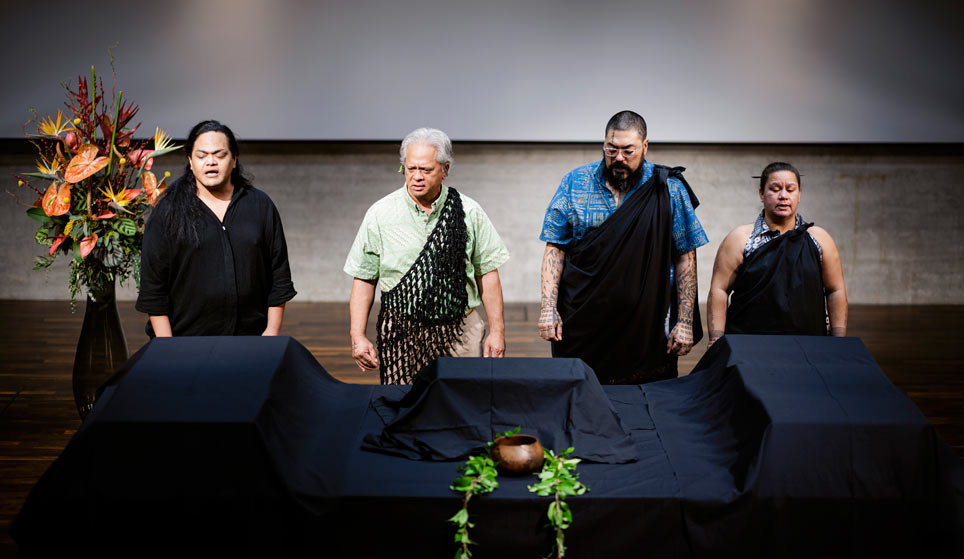
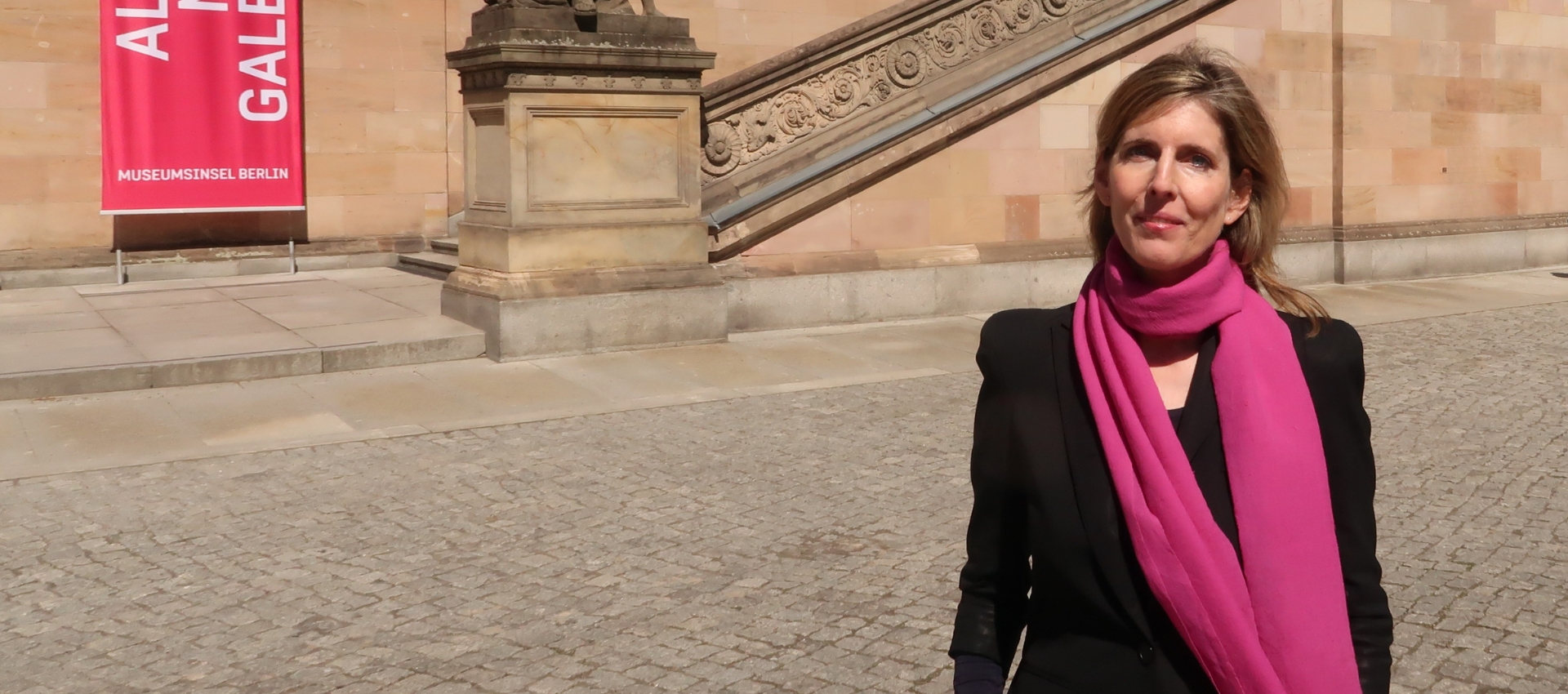
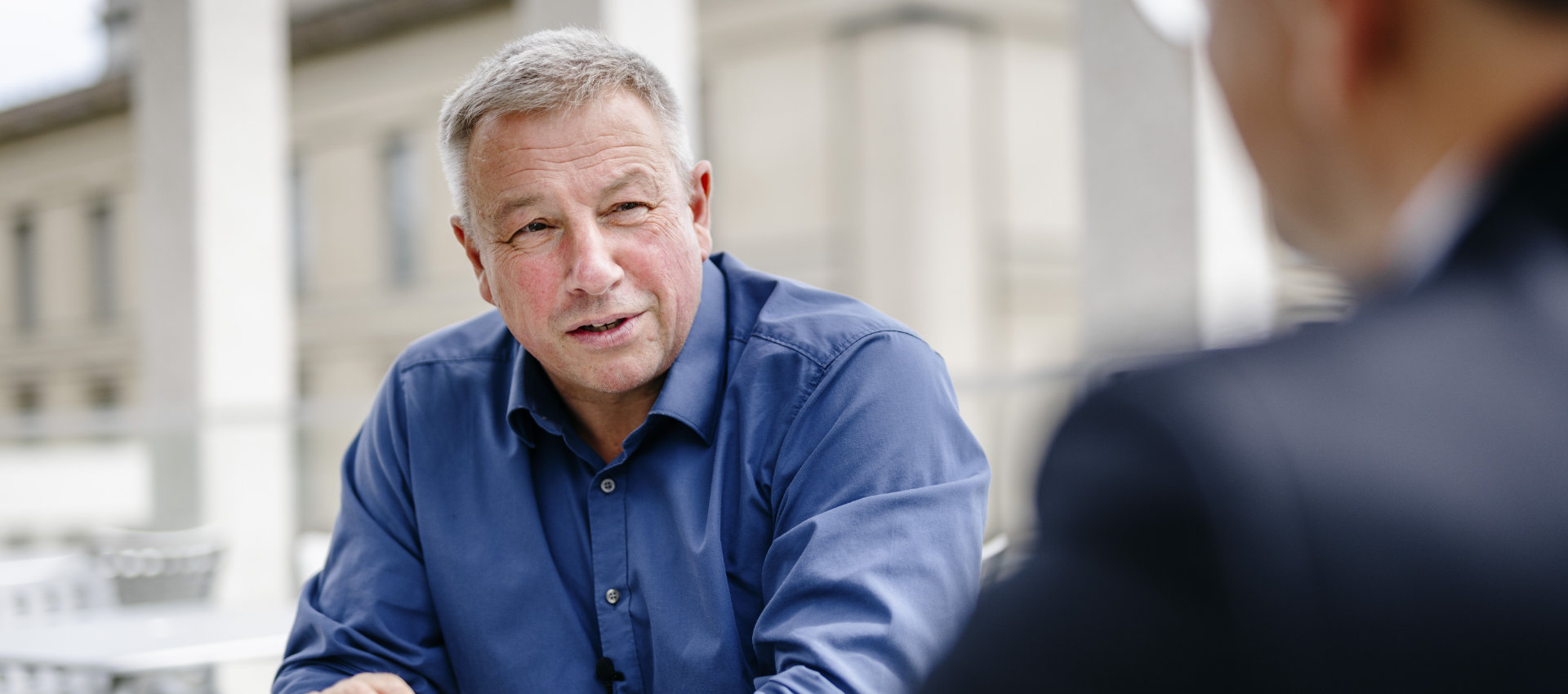
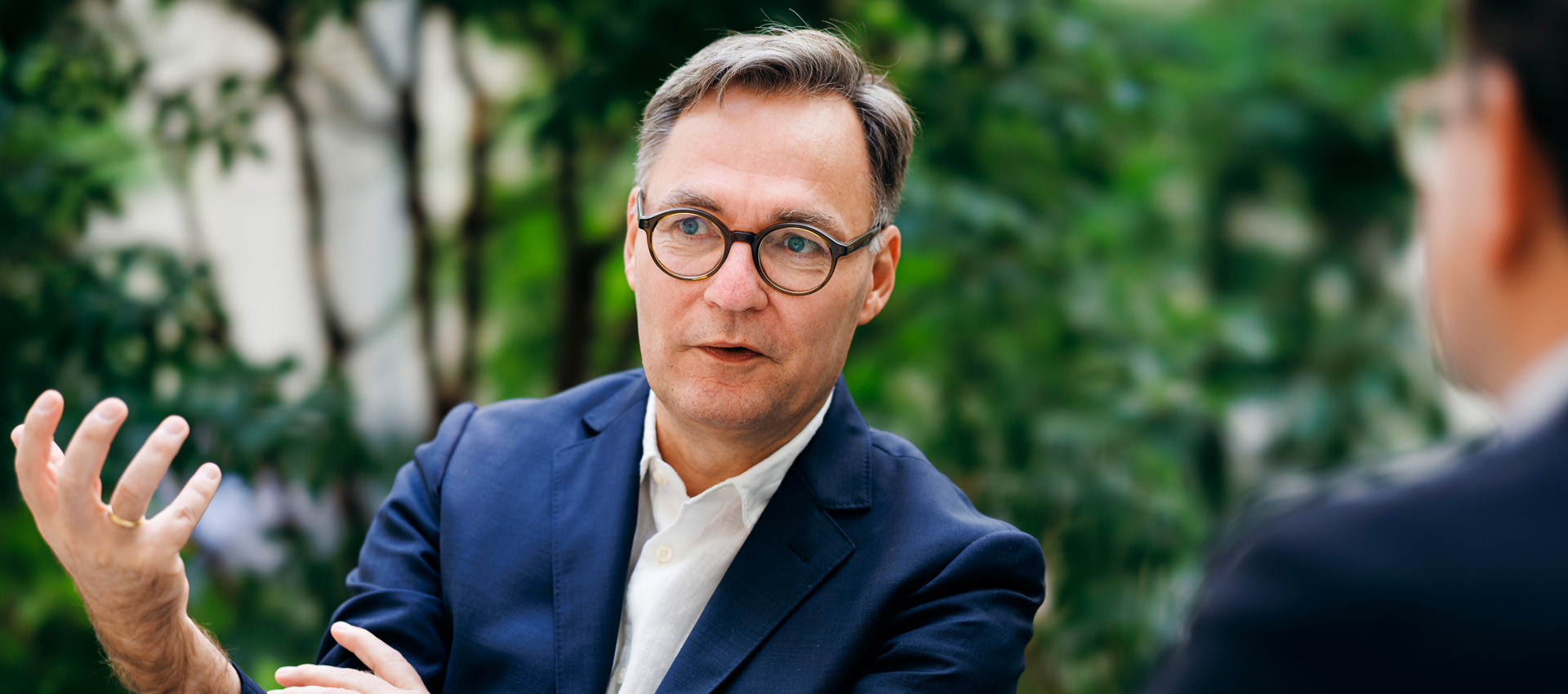
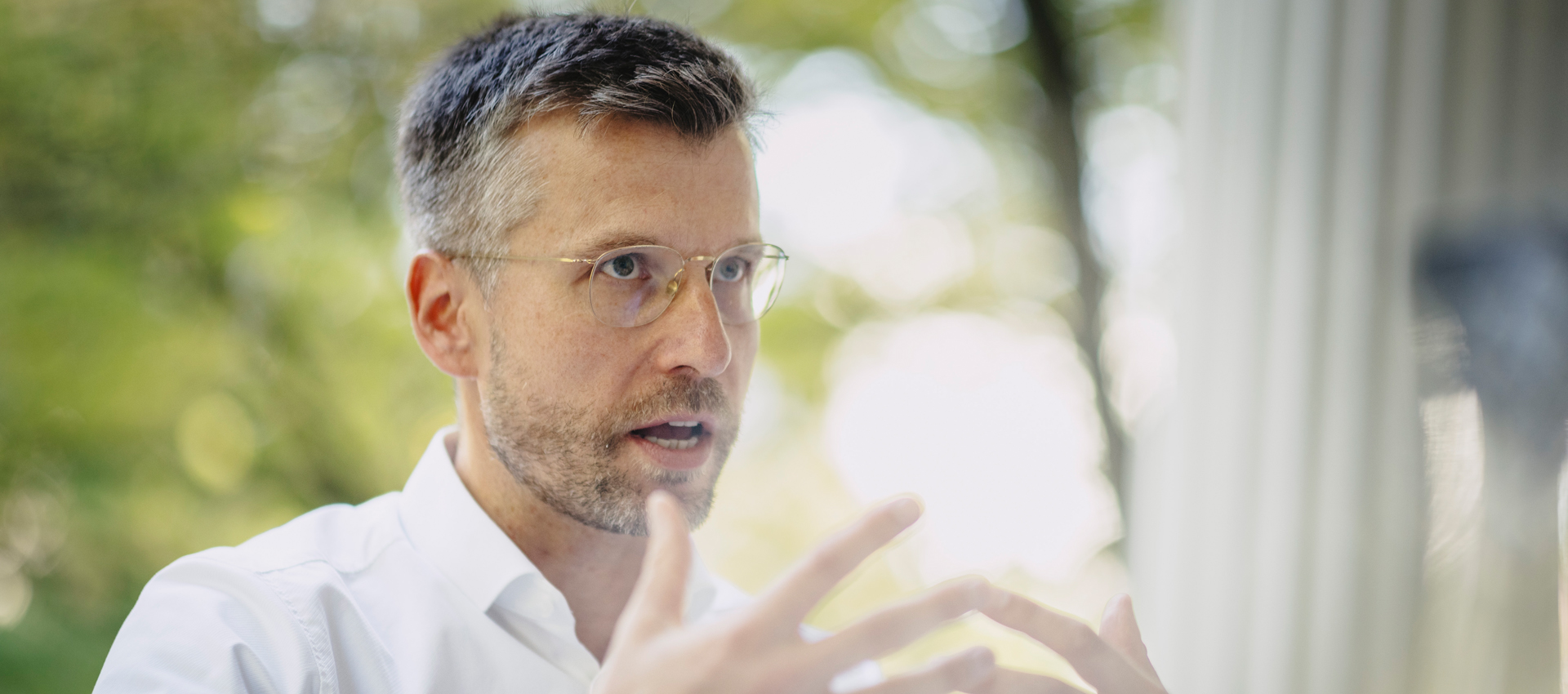
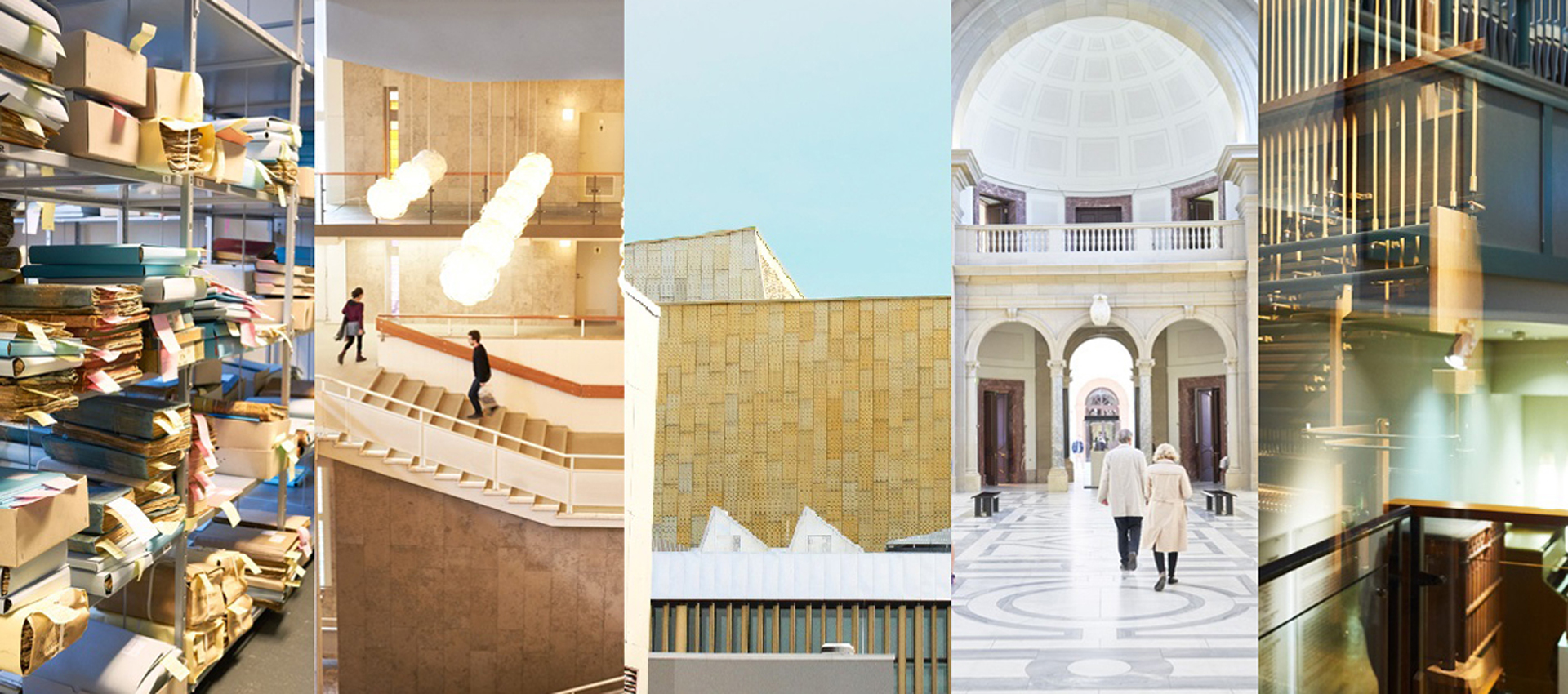
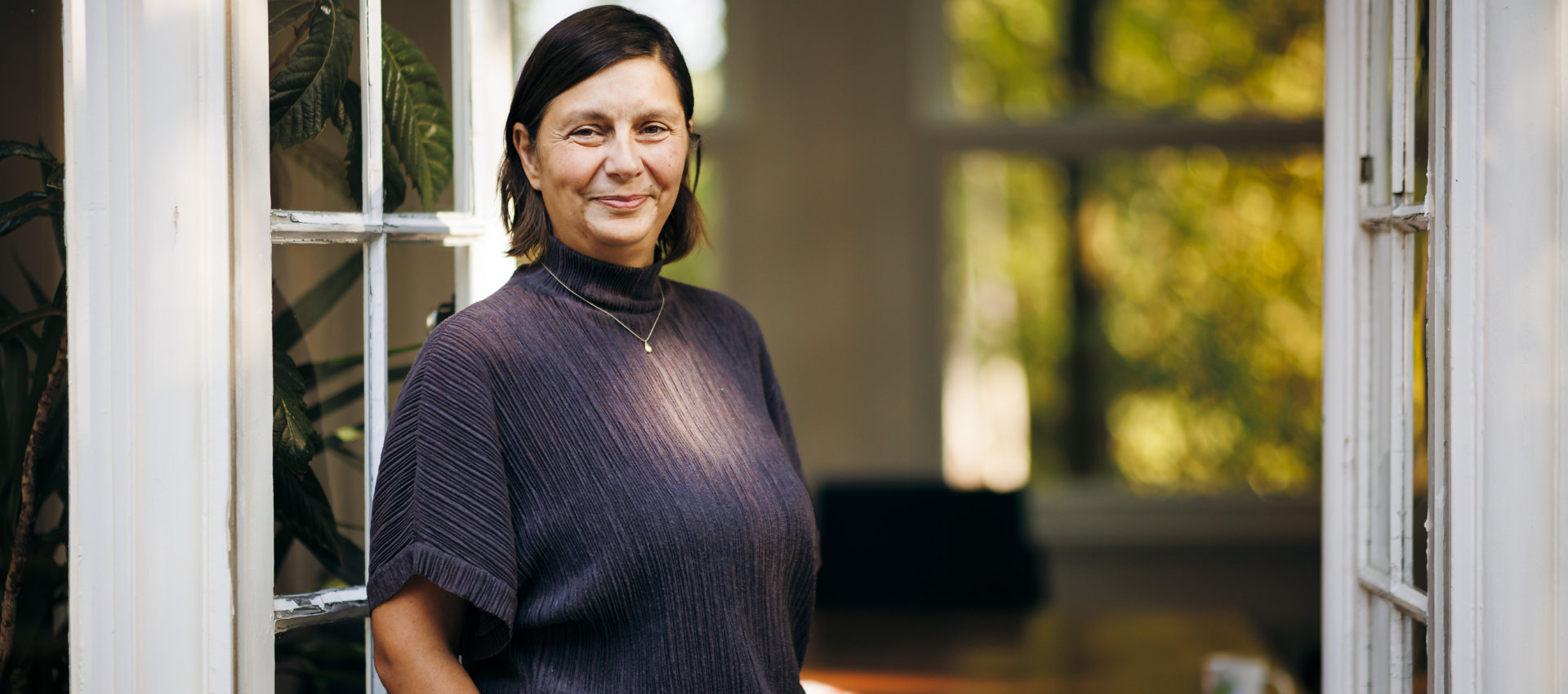
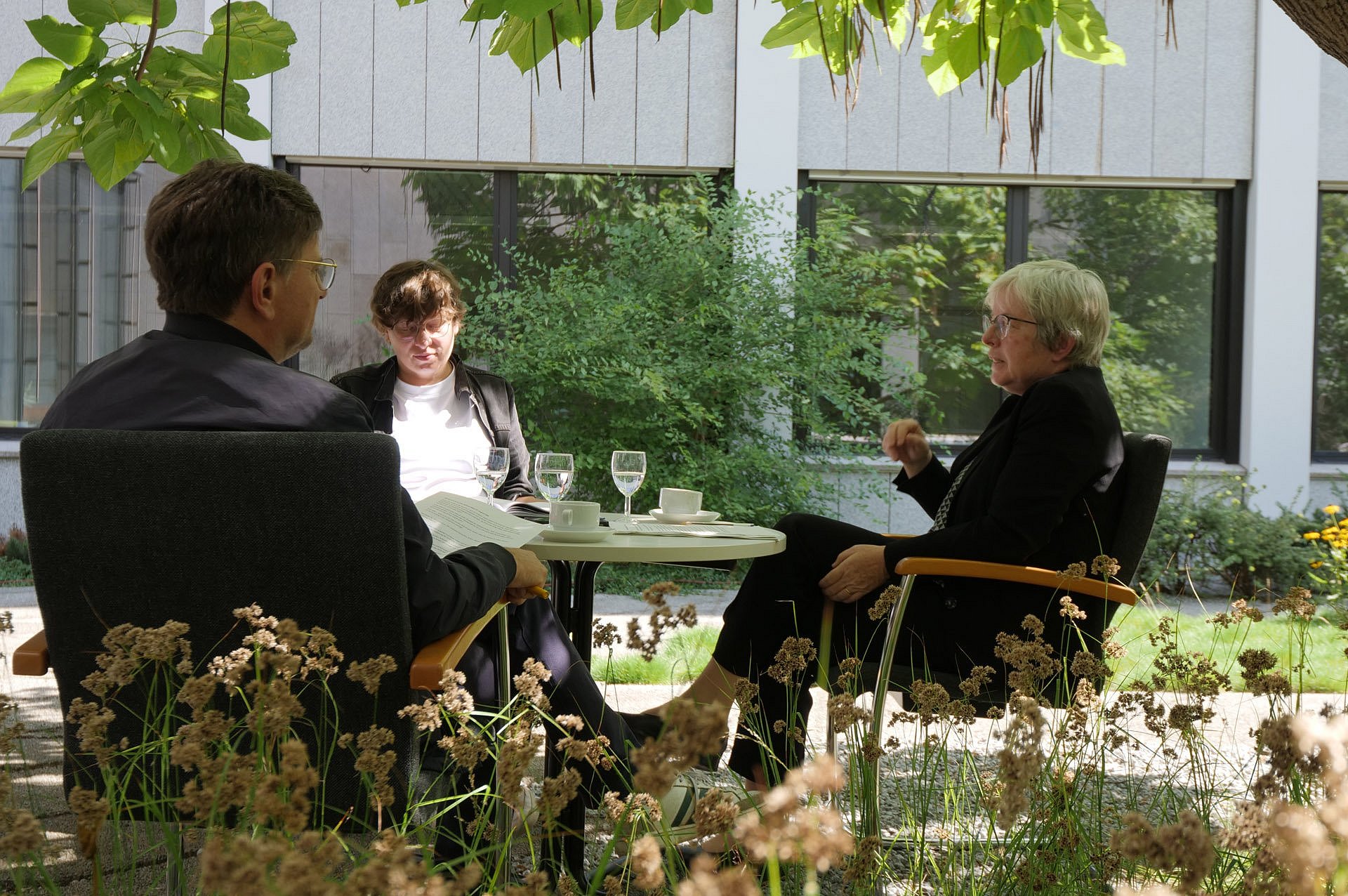
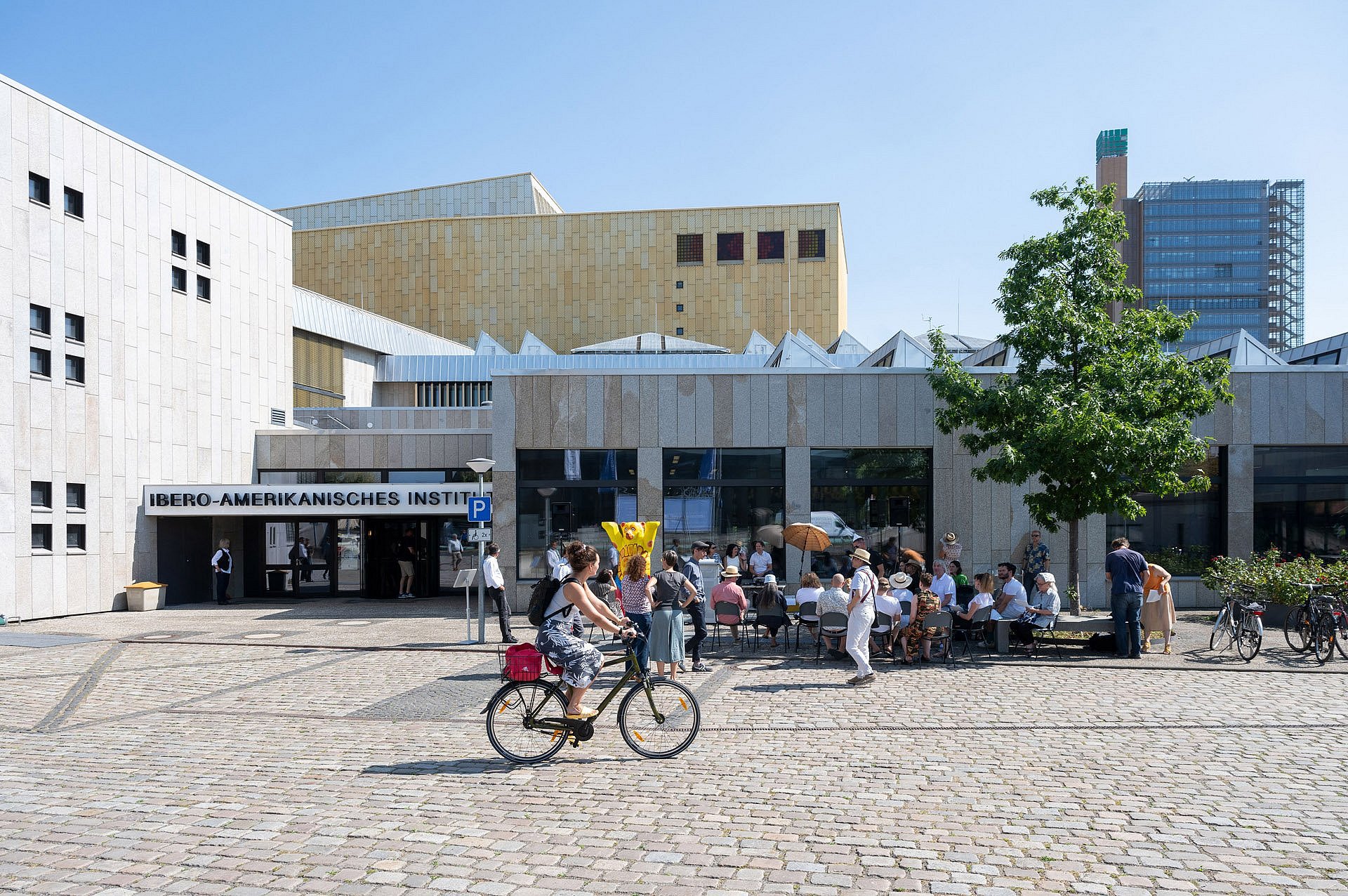
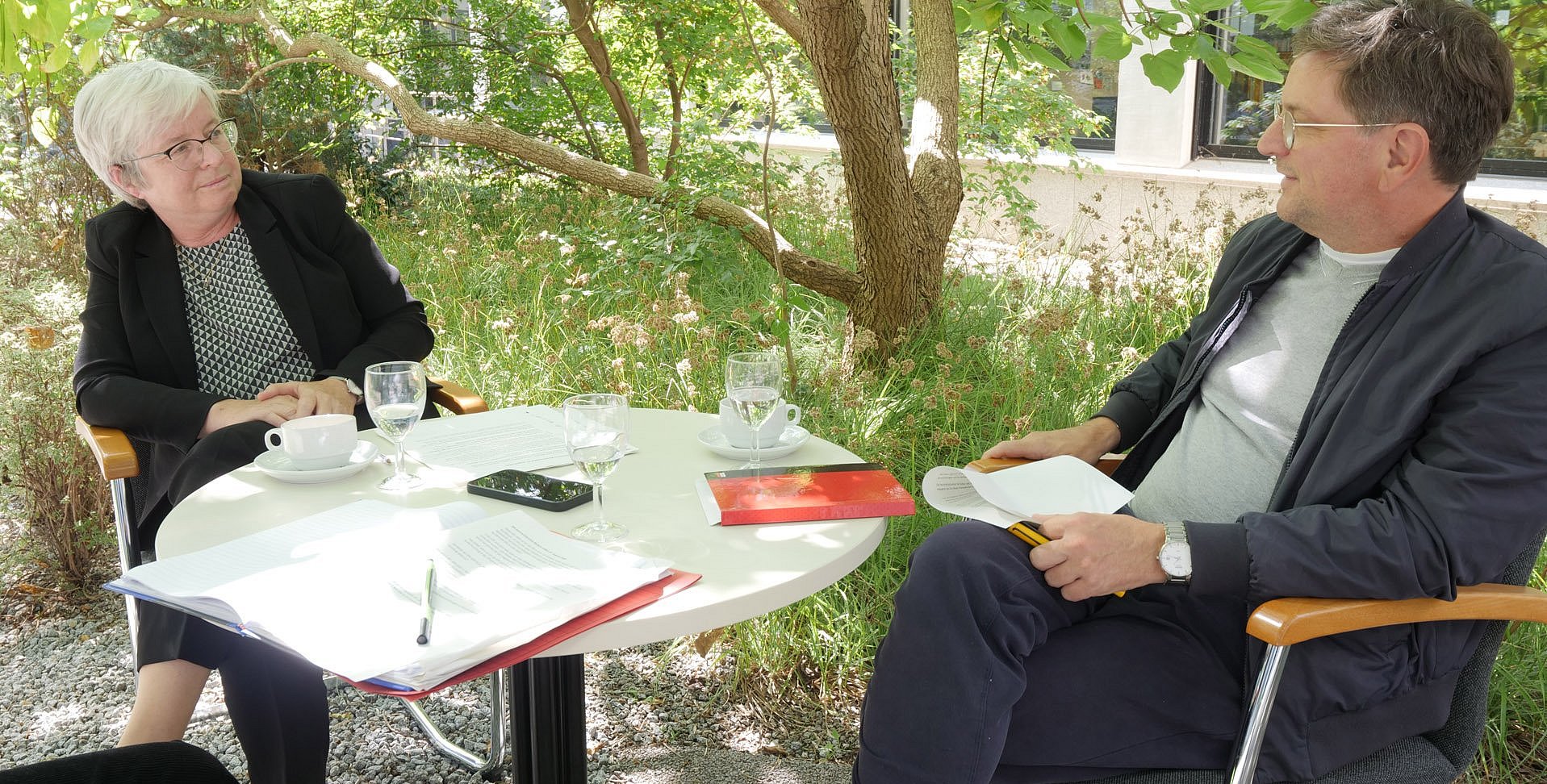
The third SPK summer interview with Barbara Göbel, Director of the Ibero-American Institute (IAI) and member of the SPK interim board, took place beneath the distinctly tropical-looking trumpet tree in the courtyard of the IAI. The discussion centred on stability, reliability and stance in times of global crisis – and why it is particularly important right now to hold high the torch of academic freedom.
Ms Göbel, this year has been quite a challenge for the SPK: in the spring, a new law and funding agreement were passed; in June, a new President took office; and by the end of the year, we will have new statutes, a new Foundation Council and a legitimised Executive Board as a collegial governing body. Do all these changes mark the end of a process or the beginning of a new era?
Goebel: Both. Formally speaking, the reform will be complete by the end of November. With the new Foundation Act coming into force on 1 December, we will have a new Prussian Cultural Heritage Foundation. This is an important milestone in a protracted process at which we will all still need to play an active part in the future. I think change is very good, because it doesn’t just mean the loss of the traditional, but also gains and a shaking up of the familiar. And the change of presidency has gone very smoothly and without drama, not least thanks to the transition phase jointly organised by Hermann Parzinger and Marion Ackermann.
The task now is to maintain sustainability and optimism for the future in these challenging times. I grew up in Latin America and have family there; I work closely with Latin American institutions and engage with societies in the region. That is why I have been strongly shaped by instability as the norm. That is why the internal stability of the Foundation has always struck me as something very positive. At the same time, we have initiated a series of changes and innovations within the SPK. And we need them too. In that respect, I regard 2025 as a very productive and creative year, despite the contexts not always being straightforward.
When the SPK was facing dissolution following the Science Council’s report, you were the champion of a reformed association. Why? And what gave you the strength to defend this goal through all the controversy?
Göbel: Having been raised outside Germany and given the international focus of my professional career and my work, I have a good grasp of an outside perspective on the SPK. In Latin America, science and culture are much more closely intertwined than we are used to in Germany. Not least for this reason, I was convinced that it would be an incredible loss if the SPK association were unable to remain united.
When one looks from the outside at the great cultural diversity, historical depth and geographical breadth of the collections of the museums, libraries, archives and institutes brought together across disciplines within the Stiftung Preußischer Kulturbesitz network, one can really come to no other conclusion than that this network must remain intact. If this unique association were to be broken up or fragmented, it would destroy the potential created by these connections – including, in particular, the potential arising from the differences and the resulting friction. Much that is new can emerge from this friction between differences. This is, of course, a major challenge for an organisation, but also a huge opportunity.
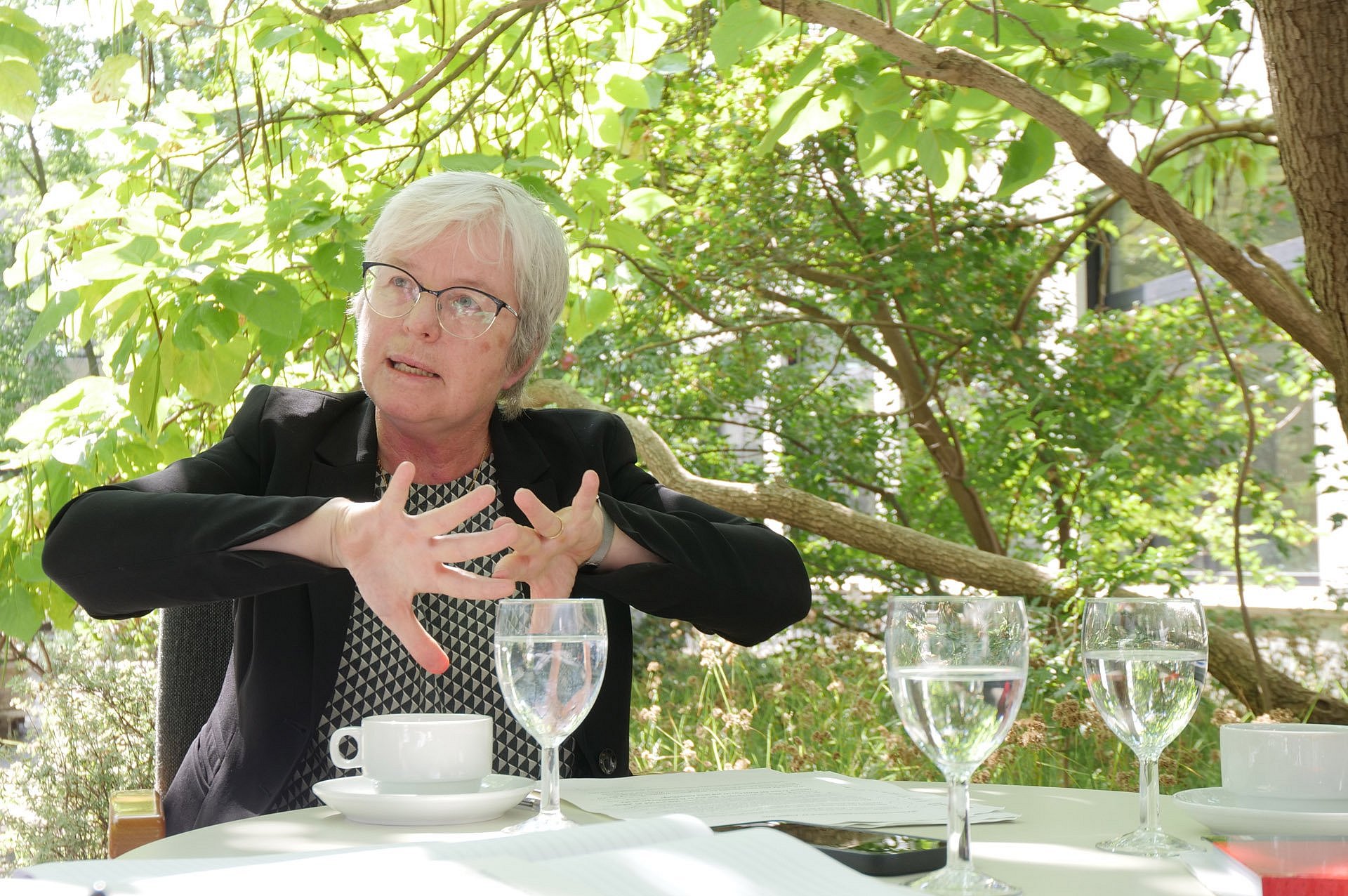
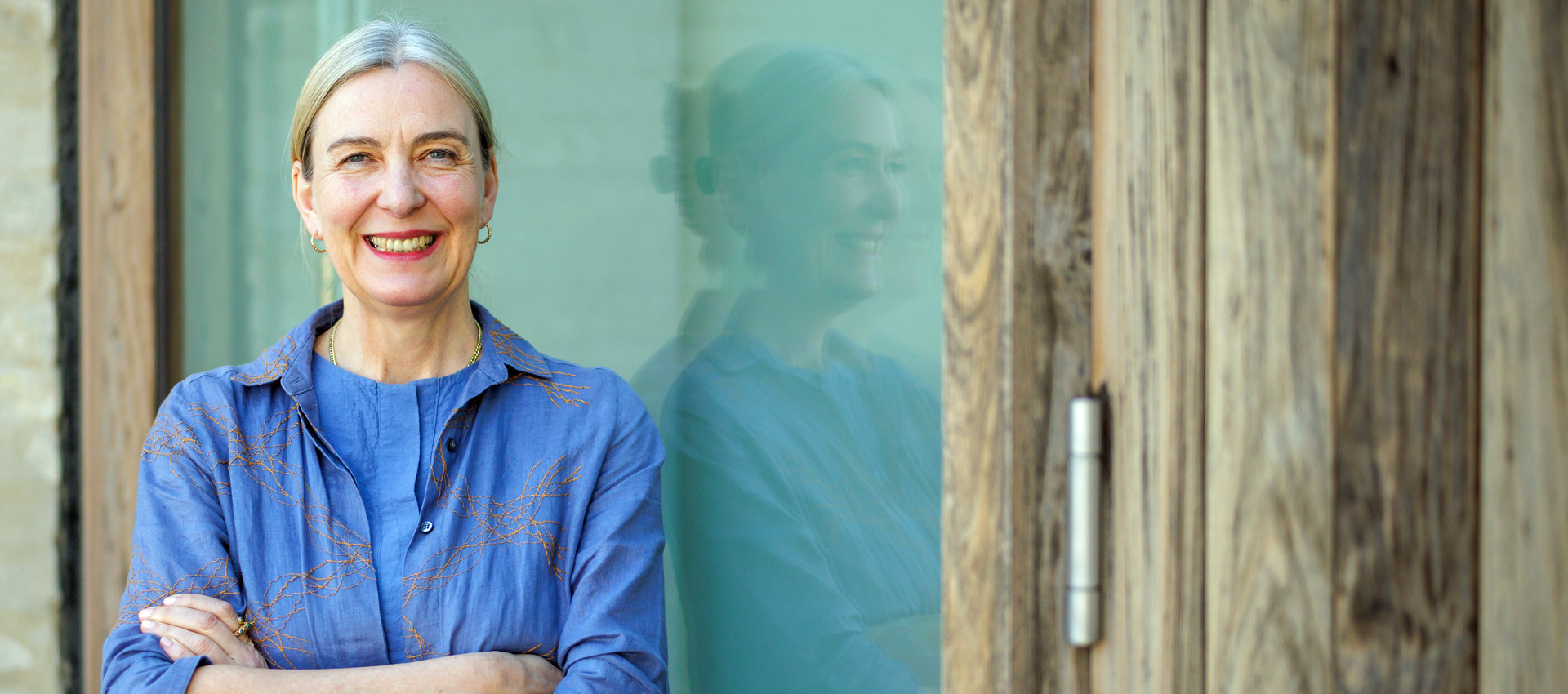
Prof. Dr Barbara Göbel has been Director of the Ibero-American Institute (IAI) since 2005. She is also a member of the interim board of the Prussian Cultural Heritage Foundation (SPK) and has been an honorary professor at Freie Universität Berlin since 2017. In 2024, she took over the chairmanship of the Working Group on German Latin American Studies (ADLAF) on behalf of the IAI.
How is the SPK viewed from the outside? How is the foundation perceived internationally? And has this perception changed recently?
Goebel: As I said, internationally, stability and reliability in the fields of culture and science in Germany are currently viewed very positively. This creates a very good basis for building strong networks of trust and diverse collaborations. Especially in times of crisis. And this structural advantage is also appreciated at the SPK.
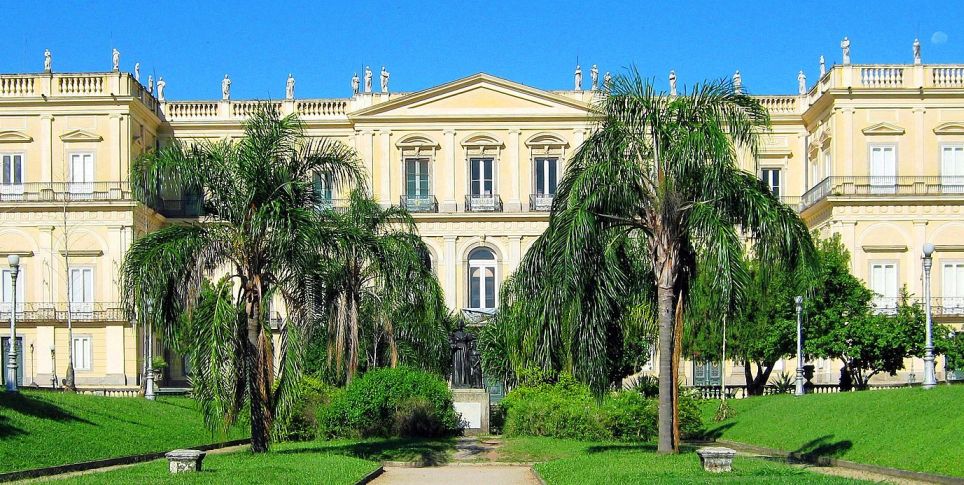
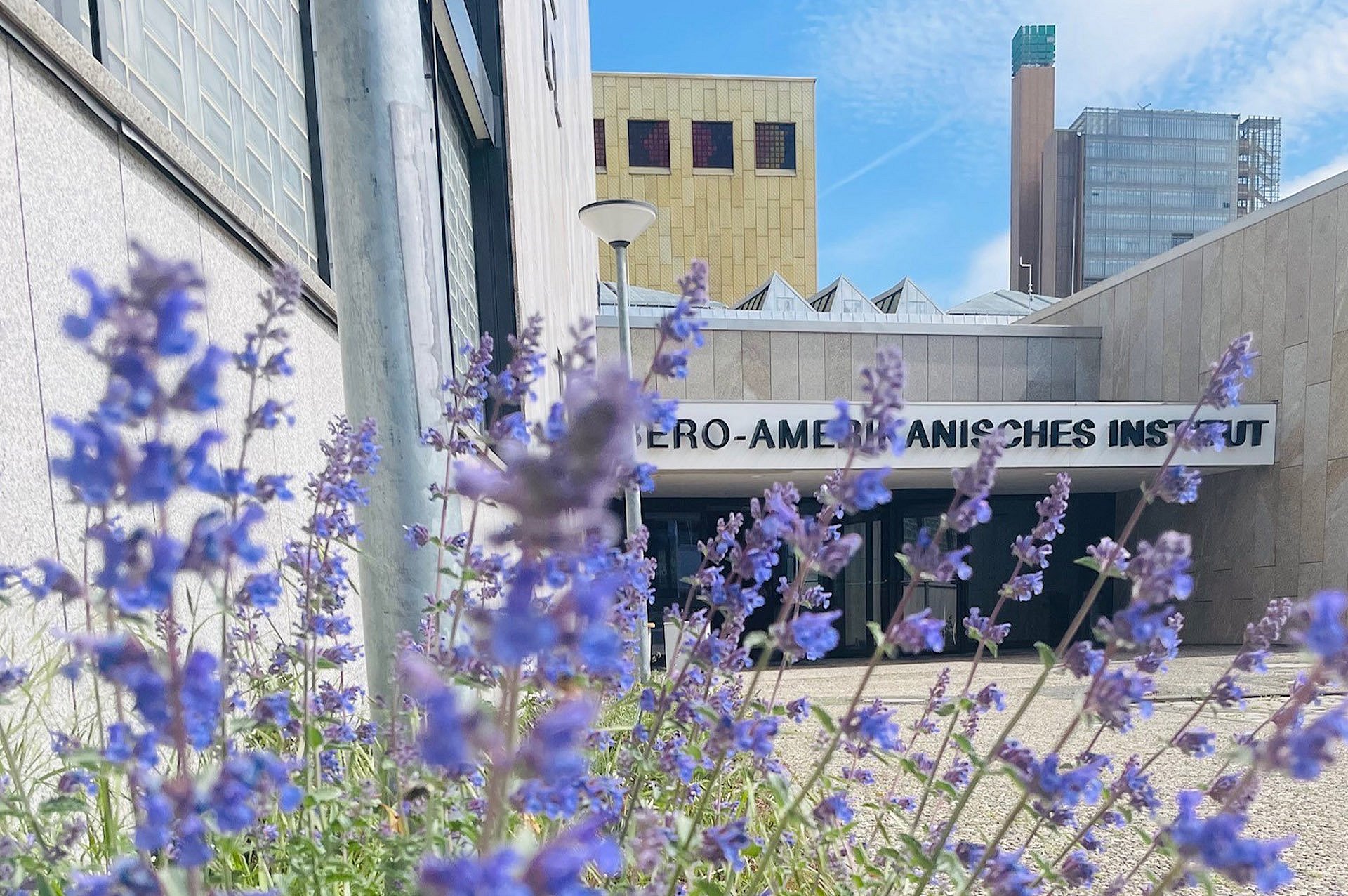
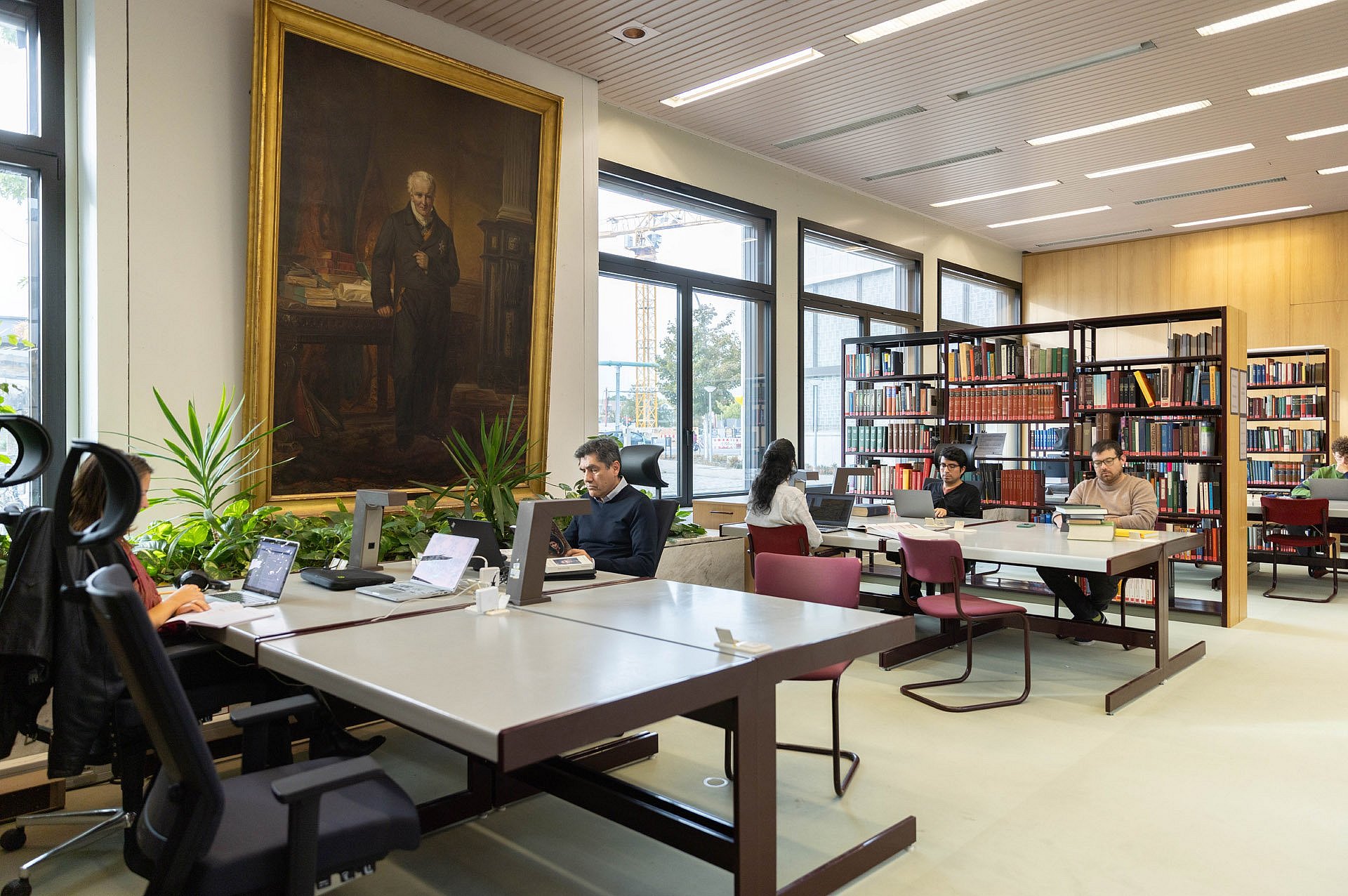
Of course, colleagues from Latin America, the Caribbean, Spain and Portugal may look more closely at the IAI or the Ethnological Museum than at other institutions within the Foundation, given the close regional cooperation. Nevertheless, just like us, they clearly recognise the importance of the cross-disciplinary network of collecting institutions and unique knowledge infrastructures, the value of which becomes particularly evident when they are under threat. When, for example, the Museu Nacional in Rio de Janeiro burns down and the largest archive of indigenous languages in Latin America is suddenly destroyed, it becomes immediately clear just how important these knowledge infrastructures are, not only for understanding our history, but also for shaping the future.
I am constantly impressed by the trust and appreciation shown to the IAI internationally. Both are based above all on the continuity of our work. Discontinuities and disruptions are toxic to such networks of trust. Yet it is precisely in times of political polarisation and multiple crises that these networks, which facilitate spaces for open exchange, represent an immensely important asset.
And would you say that trust in and interest in Europe has grown?
Goebel: Absolutely. This is also evident when we consider the threat to academic freedom in the United States. This is bringing many academics and cultural figures from Latin America and the Caribbean closer to Europe, and above all to Germany.
At the same time, Latin America has extensive experience in dealing with financial crises and institutional instability. We could learn a lot from them about how to deal with these issues more productively. Cooperation with Latin America is a matter for the future. These are older democracies than those in Europe, pluralistic societies with comparable cultural and scientific institutions and a great deal of dynamism when it comes to scientific output and cultural creativity.
The countries of Latin America are strategic partners for Germany, particularly now given the uncertain situation in the US, and that is why I always say: “Latin America matters!”. We should not only be more aware of our responsibility, but also of the opportunities that this capital of trust brings with it.
In this respect, I sometimes say – deliberately as a counterpoint to an event-driven attention economy – that our asset is a certain degree of boredom. And by that I quite deliberately mean this continuity, this stability, this reliability, which, however, also goes hand in hand with an attitude that we are interested in long-term exchange. We should not underestimate the significance of this.
If, for example, one looks at Argentina, where a political change from one week to the next leads to museums closing or universities no longer being funded, then one realises the importance of stable institutional partners.
I am, of course, aware that for a number of reasons there will be less money available in public budgets in Germany. Over the coming years, for a variety of reasons, there will be less money available in public budgets in Germany. In my view, however, the scarcity of funds is not the biggest problem; rather, it is the question of how we, as public institutions, deal with the uncertainty in the face of multiple crises and how we try to make them productive despite difficult conditions. We must learn to do this. In this respect, I perhaps also see these multiple crises as an opportunity.
Are global events also affecting your institute?
Goebel: We are living in times of multiple tectonic shifts: the crisis of pluralistic democracy, the crisis of the multilateral system, the global climate crisis, and the far-reaching social changes—both positive and problematic—associated with AI. In this context of multiple crises, science and culture are important, perhaps some of the few stable spaces that, despite all differences and inequalities, enable exchange and cooperation. And that is something we simply must strengthen. It
is also the case that, due to growing polarisation, we are seeing greater controversy. But I am convinced that an institution such as the IAI also has a duty to keep these spaces for exchange and productive debate open; always on the condition that we treat one another with respect.
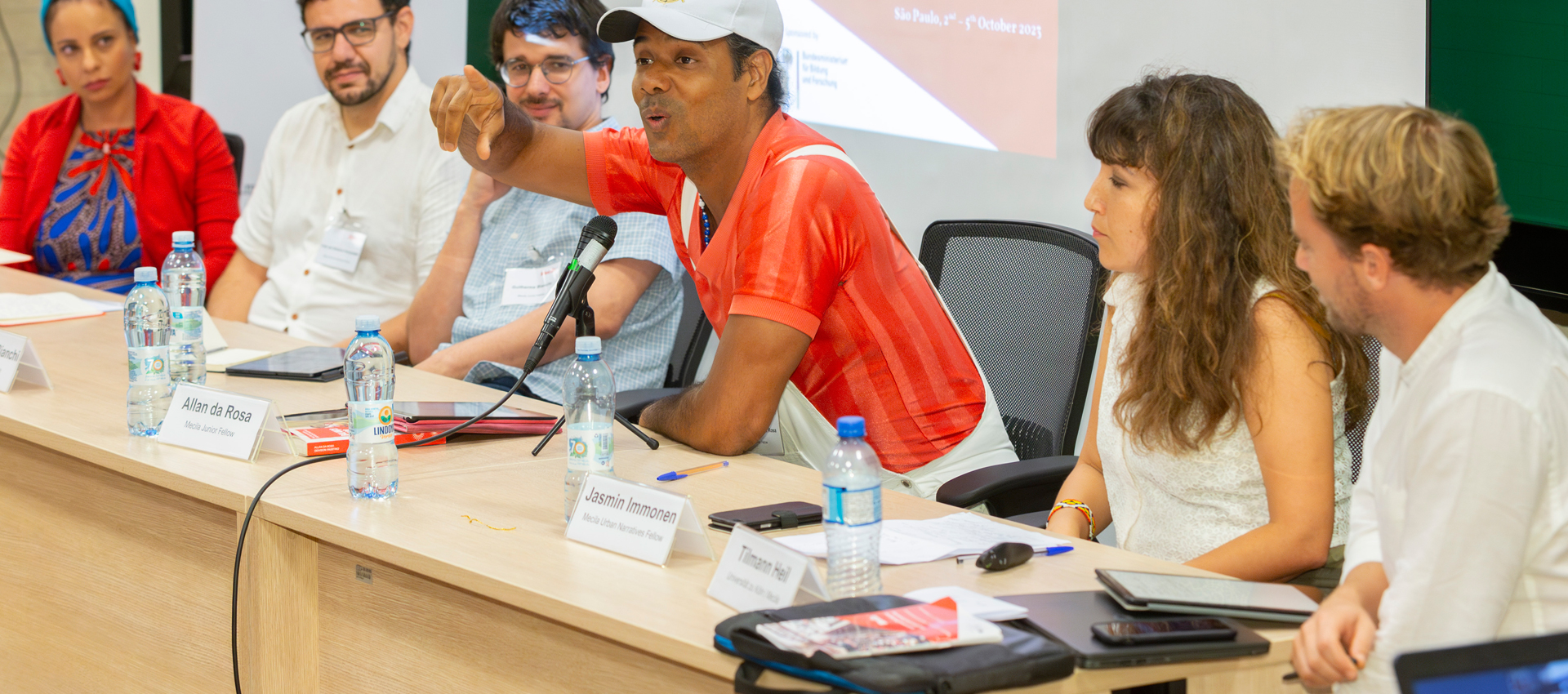
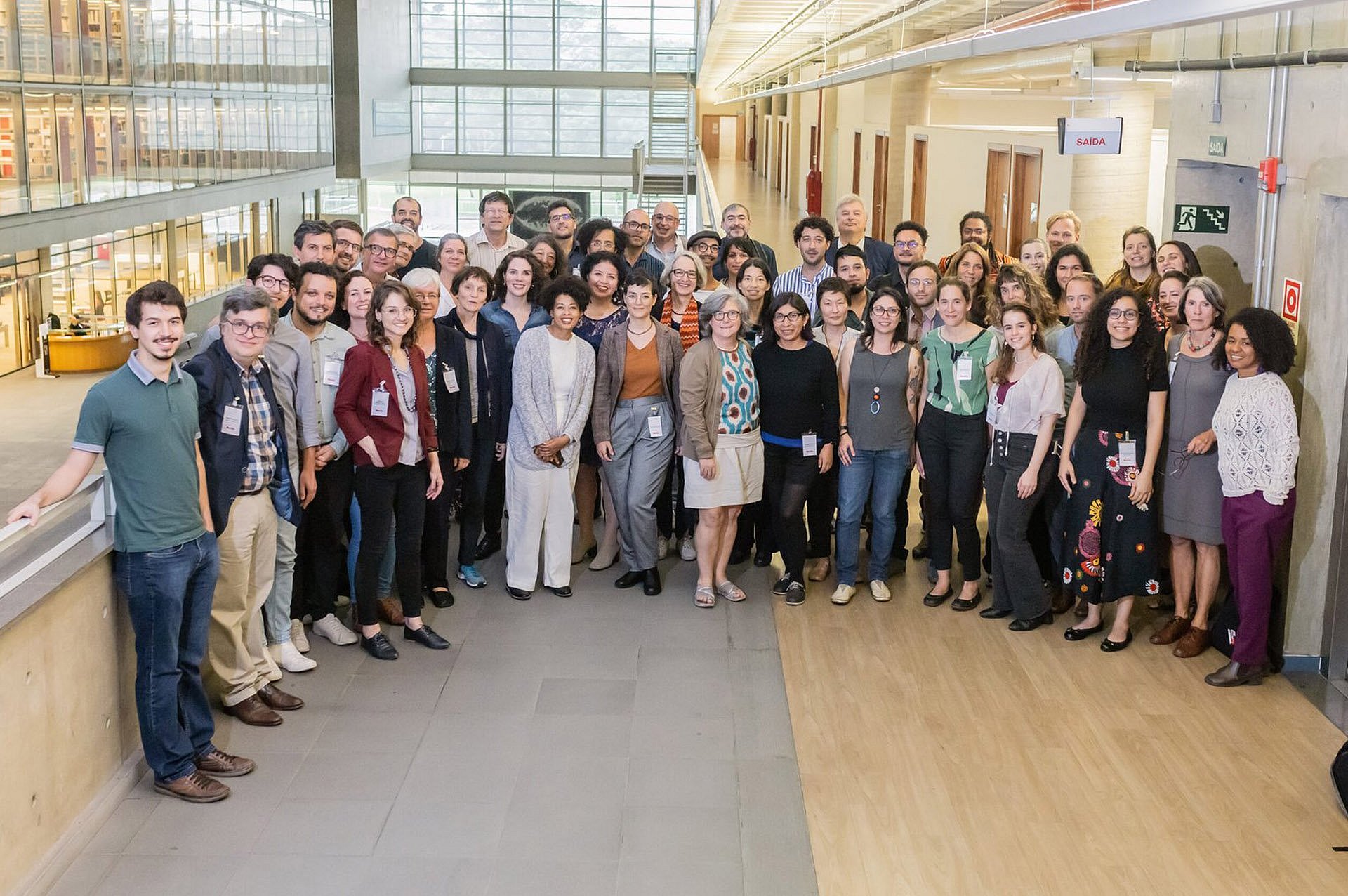
Against this backdrop, international cooperation is also so crucial. Broadly conceived and equally practised international cooperation is an immense space for learning. We at the IAI see this very clearly in the BMFTR-funded collaborative project Mecila – the Maria Sibylla Merian Centre for Conviviality and Inequality in Latin America, headquartered in São Paulo. The internationalisation experiences gained there relate not only to research, but also to knowledge infrastructures, public relations and administration.
But the example of Mecila also shows that internationalisation does not happen by itself; it requires investment, an attitude of openness and daily effort. That is why I consider not only international collaborative projects such as Mecila or the IAI’s international work to be so important, but also the SPK, because its diversity enables a wide range of internationalisation experiences.
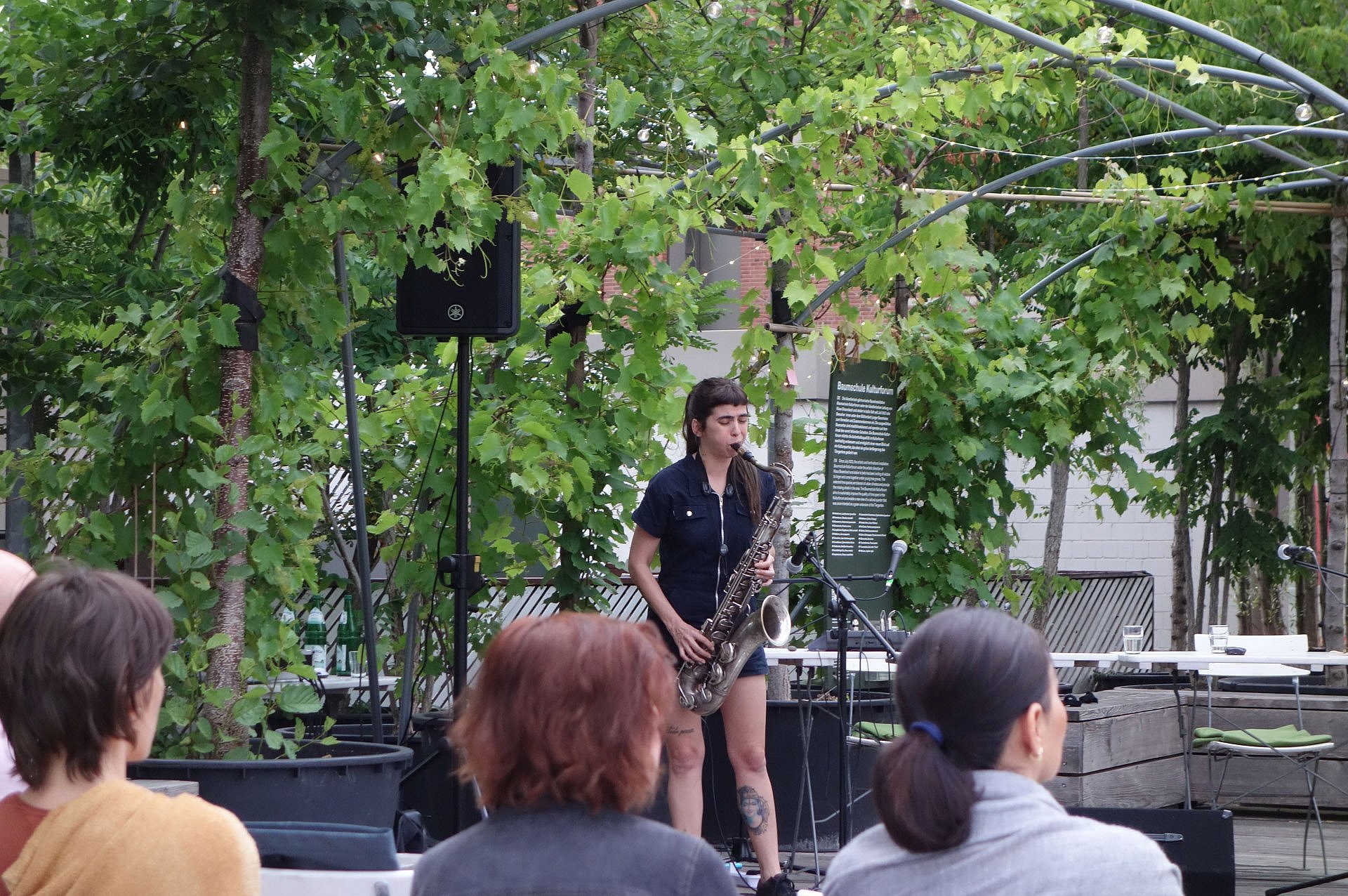
Are you carrying the torch of academic freedom?
Goebel: Not just the torch of academic freedom, but I also carry the torch of public institutions, whose task it is, particularly in these challenging times, to create spaces for encounters and exchange and to sustain debates as a democratic practice.
This diversity is also reflected in the SPK’s new motto: ‘We connect people, times and spaces’. What role does research play in this? And what role does research play within the network?
Goebel: Research is actually the foundation for making the network’s incredibly diverse collections fruitful. When it comes to cataloguing a collection, for example, scientific knowledge is required. But this is also important for communicating the collections.
In many respects, research is a central building block at the interfaces between science and culture and makes a decisive contribution to the diverse impacts that the SPK network achieves through its diversity. This makes us the German Smithsonian, which likewise links science and culture; two fields that often operate separately in a highly institutionalised country like Germany.
The connection between science and culture is an incredibly exciting, creative and important link. That is also what has kept me at the Foundation for so many years and what still fascinates me about the work here. For at the IAI and within the SPK in general, it is not just about a substantive, intellectual engagement with diversity, but also about the very practical question: how do you organise this so that it is productive and achieves multiple effects?
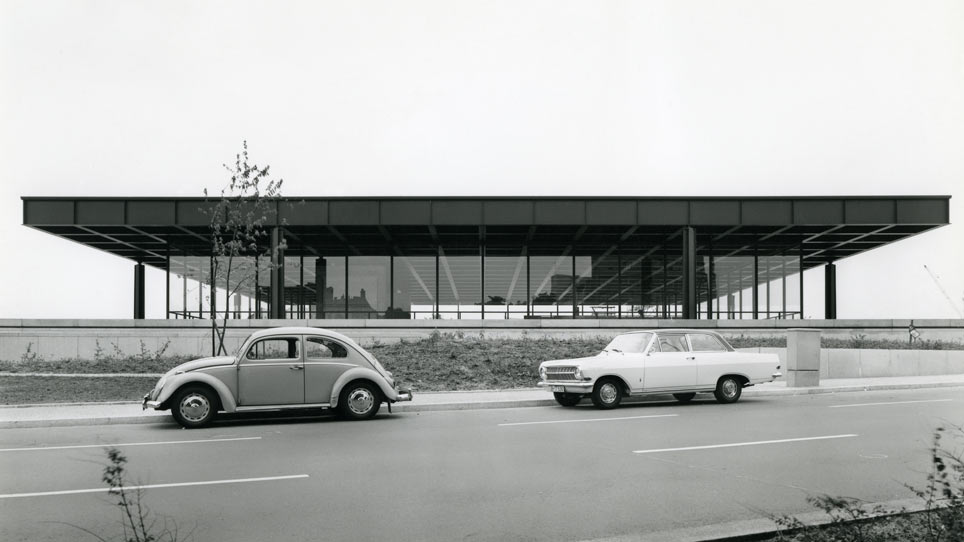
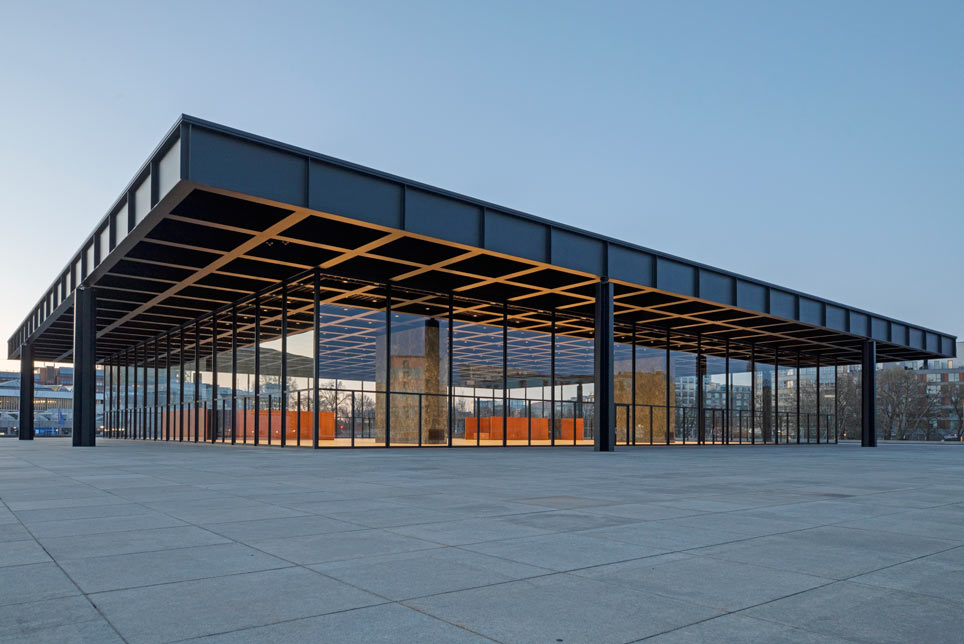
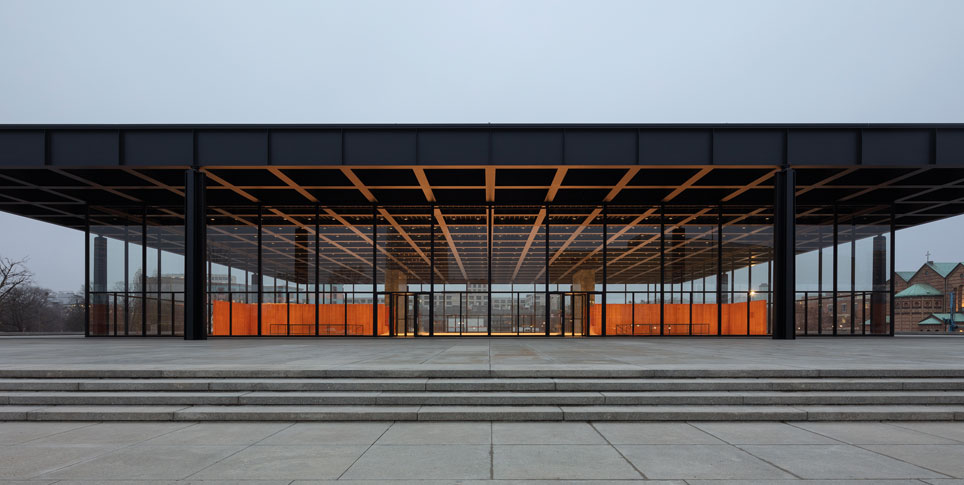
Culture is actually inconceivable without dialogue with science – and this is very much alive here: for example, together with the Neue Nationalgalerie, we are organising a symposium funded by the Thyssen Foundation to mark the Lygia Clark exhibition in early October 2025.
It is a mutual enrichment of different perspectives and experiences, but also a productive mutual disruption of established practices and institutional logics: on the one hand, the IAI as an internationally oriented research institute; on the other, the Neue Nationalgalerie as a beacon for exhibitions.
But is this being recognised enough? After all, the reform tends to focus on museums. How can we ensure that these research issues are given due consideration?
Goebel: It is a matter of making it clear that the Foundation’s research profile is a specific one, and that research within the network is a smaller but equally important avenue that is vital for the strategic development of the SPK.
We need to think more broadly and demonstrate that research is a key structural component, so that this network gains even greater visibility and momentum, not only in its national remit but also in its international role. Of course, it was clear that the reform would focus on the museums and institutes of the Staatliche Museen zu Berlin. Nevertheless, I am committed to making my conviction clear that the association needs research.
Ultimately, it is a political decision – namely, whether, given the current circumstances, one wishes to maintain diversity and thus the sustainability of this unique structure, or whether one wants a ‘dwarfed’ foundation. From our perspective, that would be a loss, because the SPK, as a relay, is a translation mechanism that only works well if the focus is not solely on size, but also on diversity as the SPK’s unique selling point.
Is the SPK’s role as a bridge already sufficiently visible?
Goebel: With our motto ‘We connect people, times and spaces’, we have set out to make this important function of our network even more visible to society. This raises the question of how success is measured – solely by visitor numbers?
If the SPK is a “Wolpertinger”, a hybrid creature between culture and science, then we must also take this into account in the criteria by which we are measured. This means we must broaden the range of indicators by which we wish to be measured, in order to make the breadth of our impact and the connections we forge visible.
I do not see the Foundation so much as a vast repository of the past. Rather, I see it, in all its diversity, as an absolutely essential entity that makes a vital contribution to ensuring the future viability of our country, which must operate on a global scale. That is why investment in the SPK’s internationalisation is not a luxury, but an absolute necessity.
Flight. Photographs from Moldova, Armenia and Georgia by Frank Gaudlitz
Duration: 19.09.2025 to 01.03.2026
Opening hours: Wed - Fri 10 am - 5 pm, Sat + Sun 11 am - 6 pm
Special exhibition at the Museum of European Cultures
Information about the exhibition
The bilingual (German/English) publication 24022022 | 33 Portraits | Frank Gaudlitz was published to accompany the exhibition. In addition to the portraits, it contains 18 interviews and handwritten entries from the "Book of Wishes".