What the President of the Berlin-Brandenburg Academy of Sciences and Humanities praises in his friend and colleague Hermann Parzinger – a farewell speech
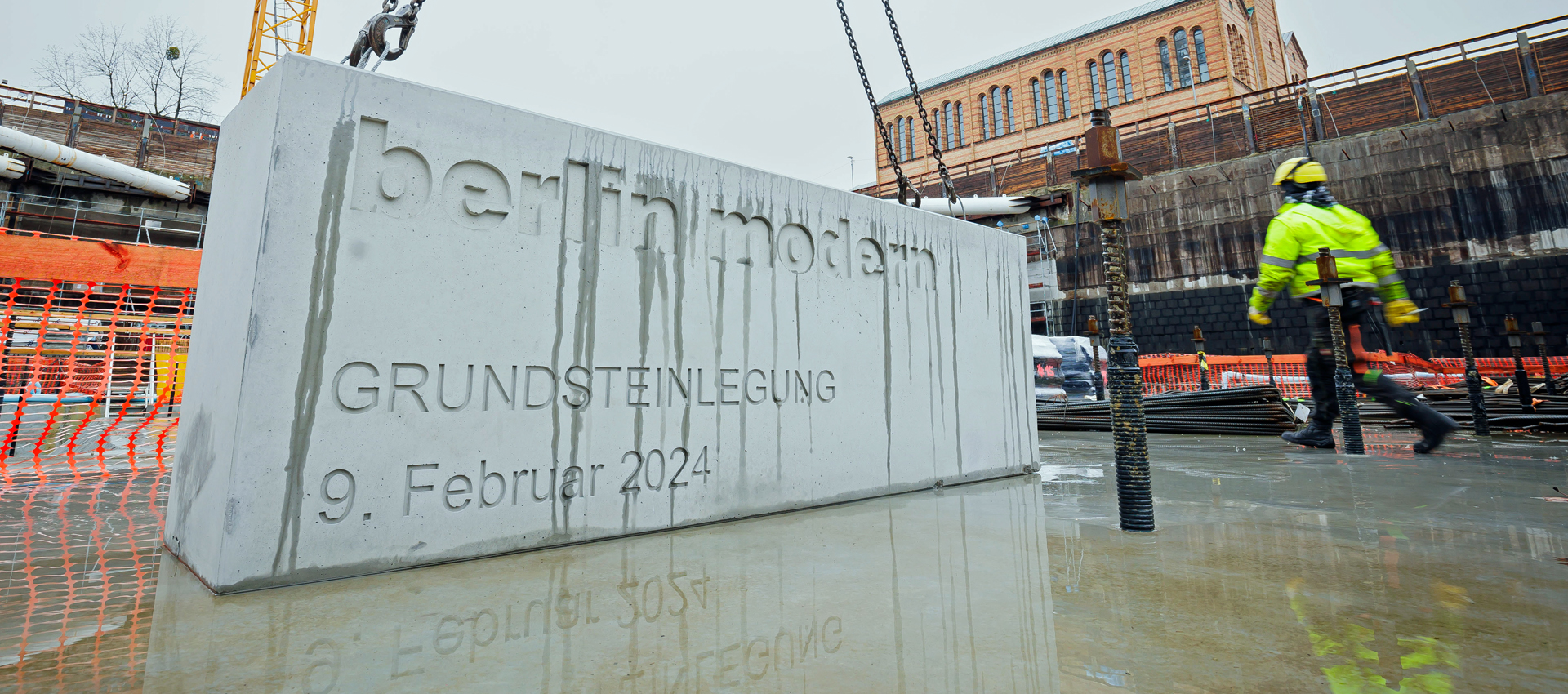
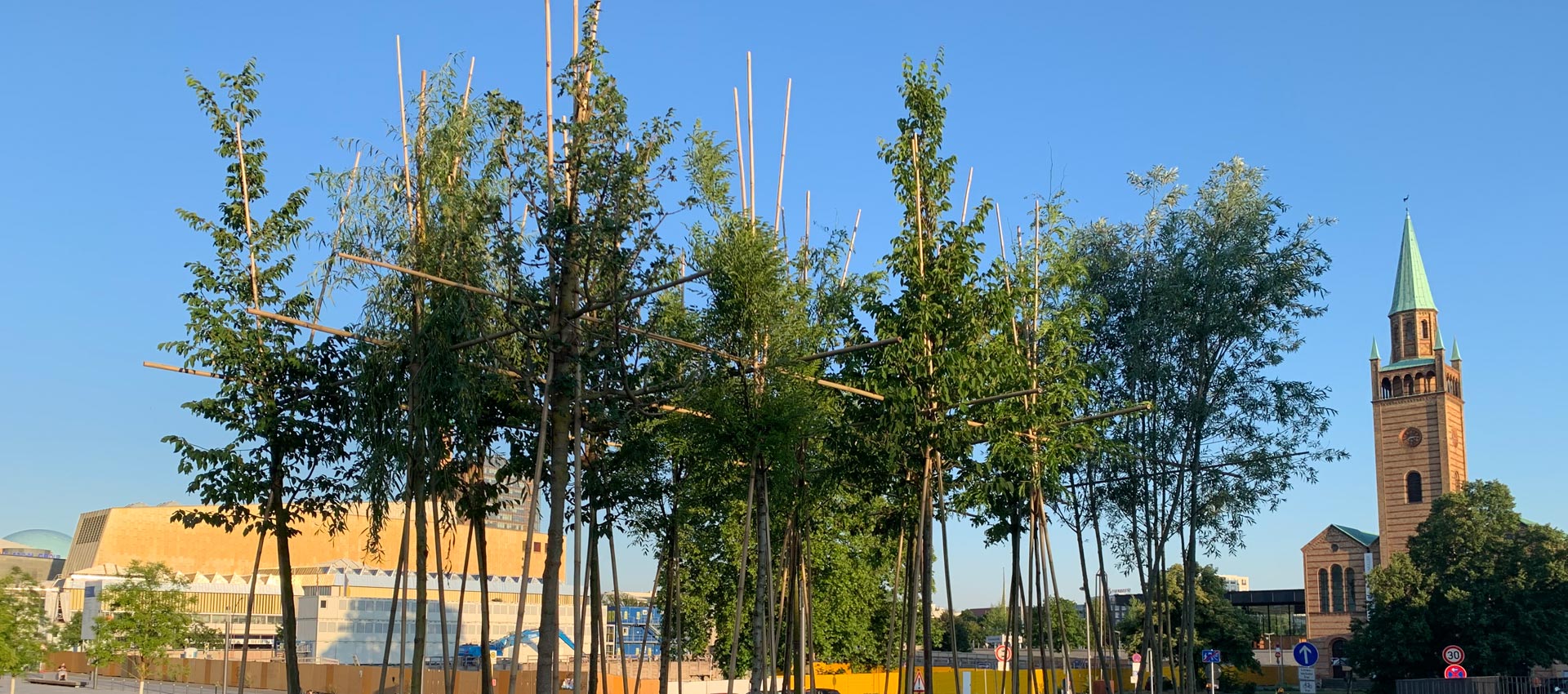
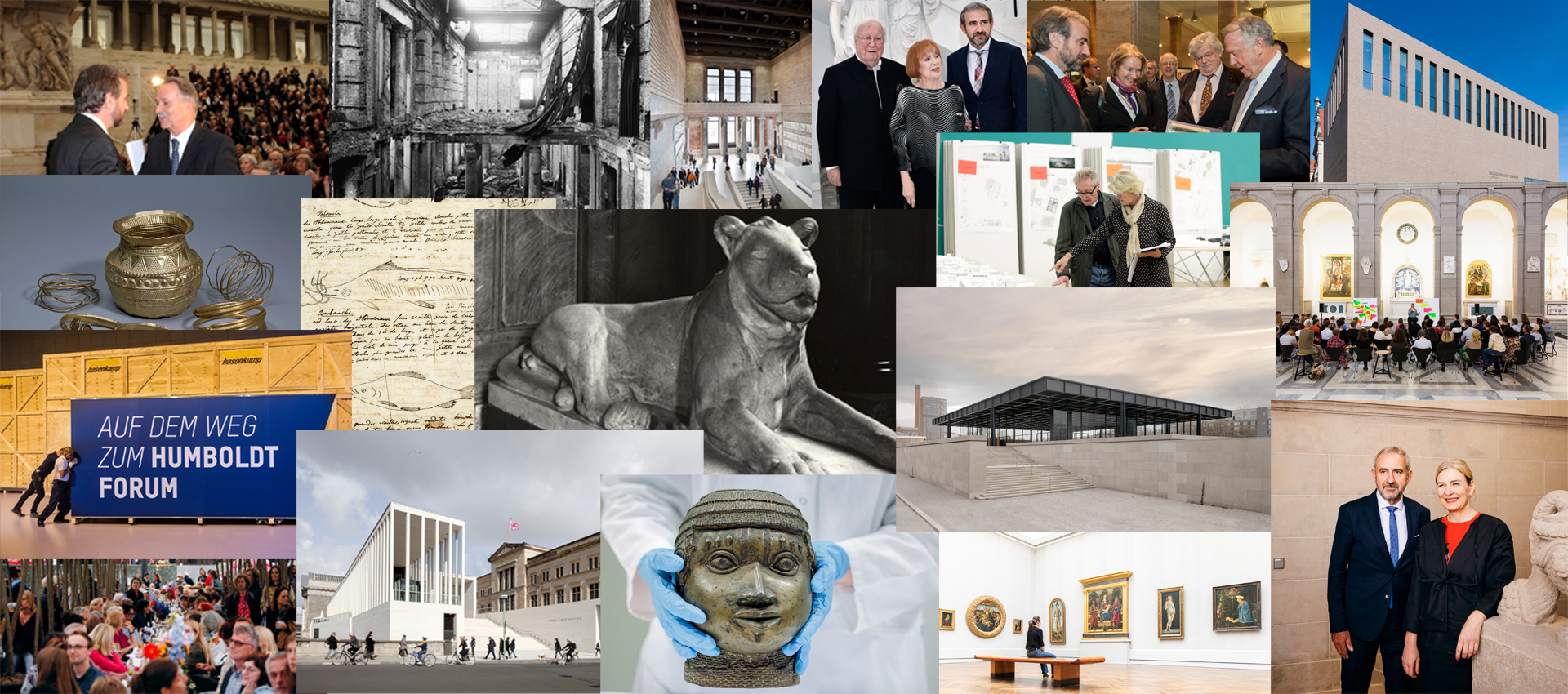
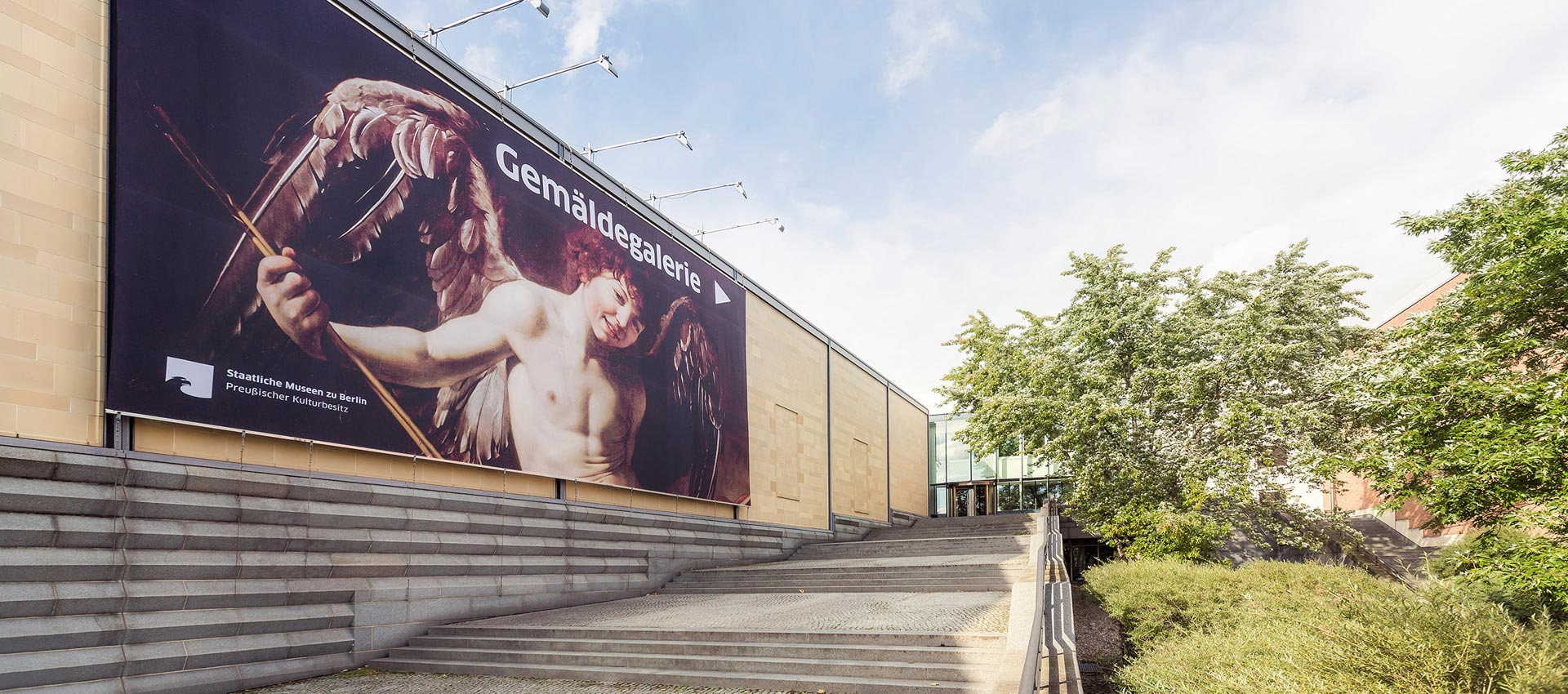
There is so much to take in, quite literally before our very eyes, Minister Weimer, there is so much to take in, quite literally before our very eyes, of what has been achieved here at the Foundation over the past seventeen years, what has been opened and is now in use – the James-Simon-Galerie, for example, which opened in 2019, is a vivid sight before us all. I still remember, however, the basin lined with sheet piling and filled with water from the Spree and groundwater that used to stand here in place of the James Simon Gallery, a water-filled sign of an unstable soft-layer gully here on Museum Island, which in 1938 necessitated the demolition of a veritable residential building by Schinkel and, not even a hundred years later, threatened to swallow up the entire project for a central entrance building.
After seventeen years, a great deal now stands completed before everyone’s eyes, stands before our eyes in the truest sense of the word, Most Honourable Prime Minister Kretschmer, but much is also not before our eyes, no longer before our eyes, which is what distinguishes the President of the Prussian Cultural Heritage Foundation and his work during his years in office – which is why I take the liberty of to recall this today, as briefly as is appropriate and with three selected examples, esteemed Senator Wedl-Wilson, so that the many things which are not directly before our eyes are at least not entirely forgotten. Incidentally, it is no coincidence that the title of the approximately eight-hundred-page prehistoric commemorative volume, published last year for Hermann Parzinger by his students and fellow scholars, is: ‘One sees only what one knows – one knows only what one sees’.
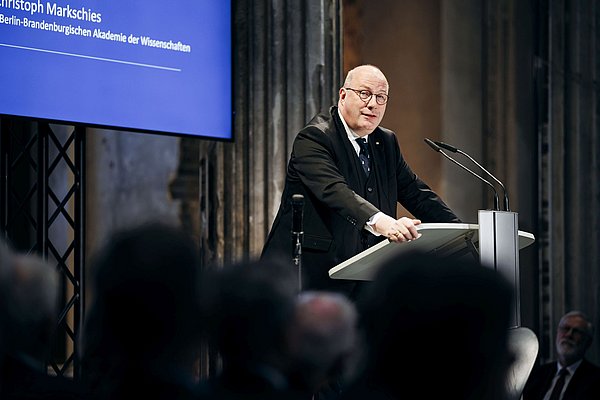
Seventeen years on, so much of it now stands complete for all to see
Christoph Markschies
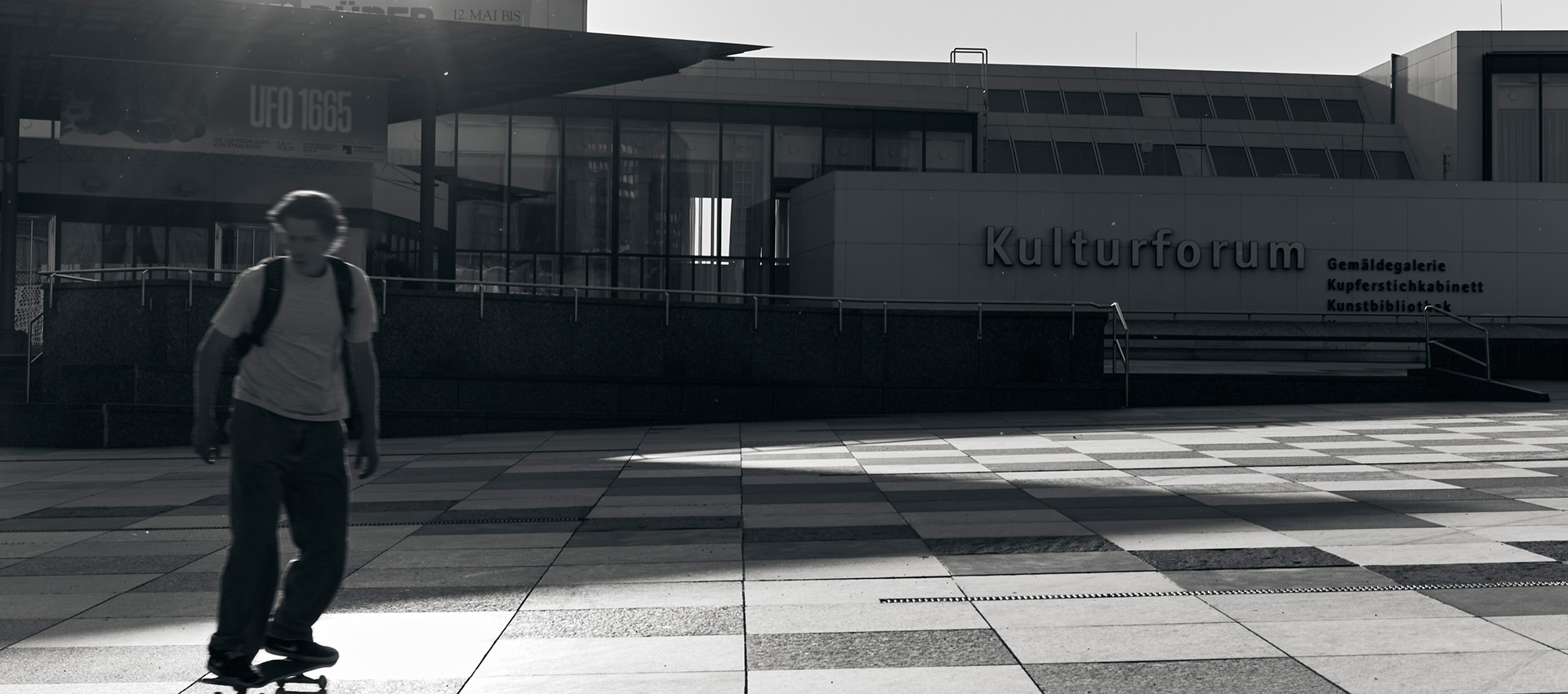
What stands before us today, so clearly before our eyes, ladies and gentlemen, does not, as we all know, simply materialise on its own on Museum Island or in the Kulturforum. I am not thinking here of countless, more or less protracted rounds of discussions with MPs, budget officers, ministers, dedicated administrators, the Federal Office for Building and Regional Planning, communications agencies and so on and so forth – but rather of Hermann Parzinger and his very particular role in the, to put it mildly, complicated construction history of the Humboldt Forum in Berlin Palace over there. My first example. To be more precise, dear Hermann, dear Barbara, I am thinking of an unassuming but crucial construction meeting regarding the Humboldt Forum, held in a makeshift office on Fischerinsel, sometime between 2008 and 2010.
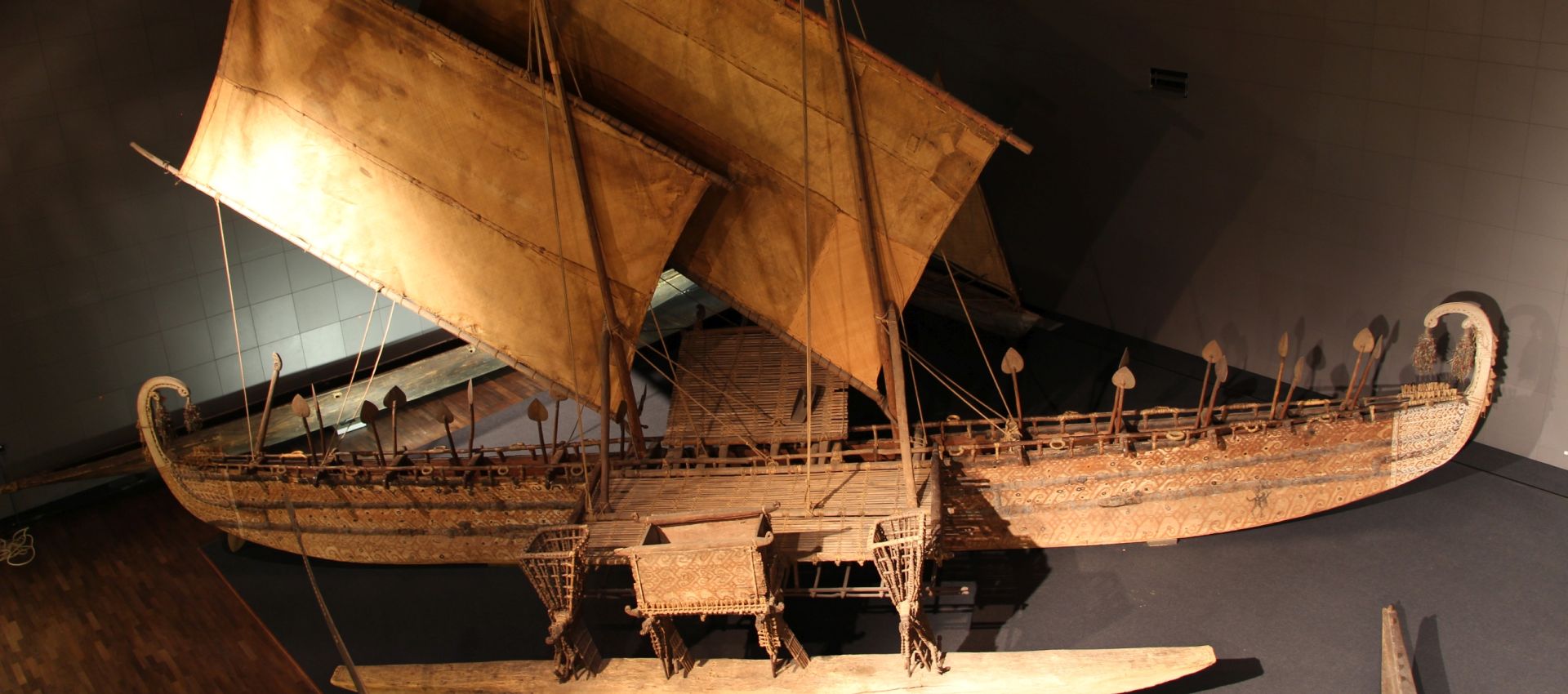
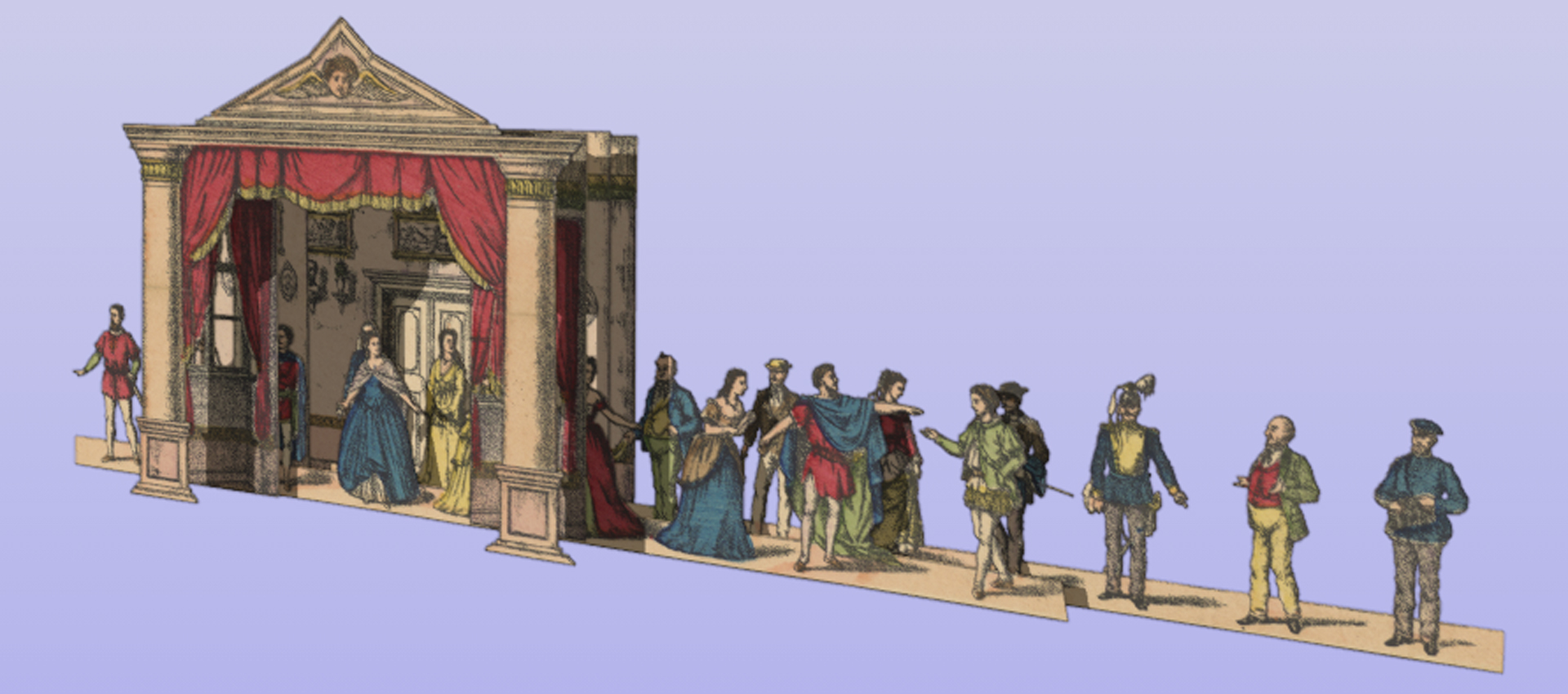
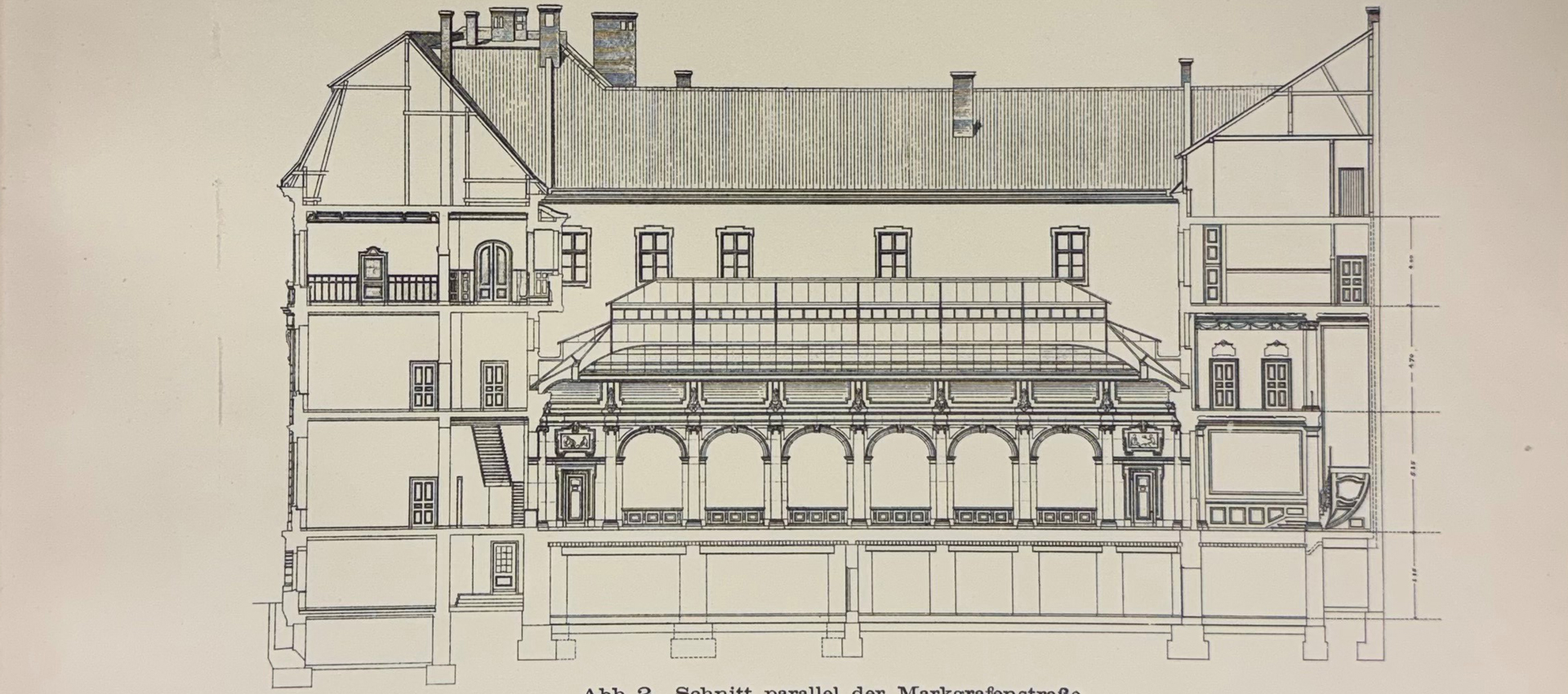
Many of us will no longer recall that in the award-winning design, right in the middle of the front courtyard behind what is now the dome-crowned Portal III, two exhibition halls were still planned at the time – two shapeless, massive blocks that threatened to overwhelm the entire courtyard. I still vividly remember how Hermann Parzinger suggested moving these two disruptive structures to the side wings on Breite Straße and the Lustgarten (now used as a boat hall and special exhibition hall) – and thus ultimately became responsible for the large, gallery-lined courtyard of the Humboldt Forum’s entrance hall, topped by a glass roof, which is so impressively framed by the rear of the Eosander Portal III. A decisive gesture over the model, carefully considered beforehand, formulated as a suggestion in just a few words, yet with far-reaching consequences.
So much is right before our eyes – literally right before our eyes, like that entrance hall over there, which is so often praised and so frequently used – and yet we fail to see, or no longer see, what really matters. And I need not really emphasise how characteristic this small but crucial shift is of the outgoing President’s leadership style – his concise, precise, yet highly effective, persistent and, ultimately, problem-solving approach; after all, this is vividly before our eyes, right before our eyes.
To all of us, ladies and gentlemen, the tireless writer also comes to mind when we think of HP’s seventeen years as president. To me, however, it is not the man who works from early morning until late at night, who still deals with every email immediately, concisely, precisely and with the utmost efficiency, that comes to mind.
What comes to mind – my second example – is rather the outstanding scholar who, during his summer holiday, swiftly completes yet another substantial book and has it printed by his Munich-based publishing house, just in time for the next book fair. The list of publications on the Foundation’s website spans thirty-seven pages and does not even extend to May 2025, but breaks off before then. Of course, there is plenty of rhetorical foundation business among the entries, but also thorough reviews, stimulating essays and, above all, weighty monographs: ‘Cursed and Destroyed: Cultural Destruction from the Ancient Near East to the Present’; ‘The Adventure of Archaeology: A Journey through Human History’; ‘The Children of Prometheus: A History of Humanity before the Invention of Writing’ – together one thousand four hundred and seventy-seven pages, if I haven’t miscounted.
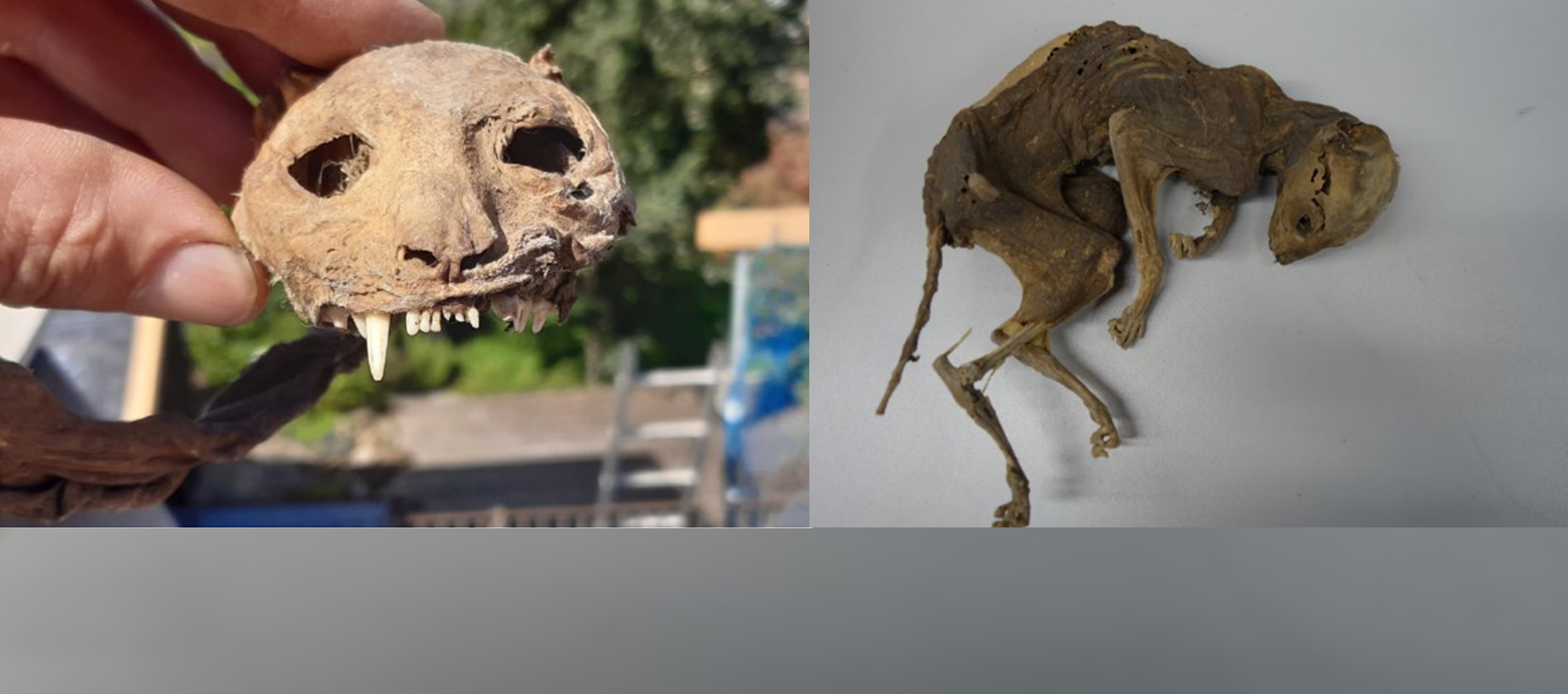
But it is not the sheer volume of pages or the number of sources, such as secondary literature, that makes for an outstanding scholar. It is the power of synthesis – first and foremost expressed in a literary, accessible and vivid style, but also in a cultural-historical overview grounded in substance, a precisely nuanced perspective in which not all cats are grey: From Hermann Parzinger, one can learn how global history is possible without losing the ability to distinguish between details, and how it can even be a pleasure to read. Why am I mentioning this here and now at all – after all, isn’t the Honorary Professor of Prehistory and Early History (Prehistoric Archaeology) at the Free University of Berlin being bid farewell after almost thirty years of dedication to research and teaching?
I mention this because those who remain passionate scholars within our country’s cultural and academic management have become a rarity. Most of those who take on responsibility there mutate into administrators and are compelled to do so. Completely. Abandoning their former profession. Very few, despite all this transformation into astute administrators – a necessity given the sheer volume of tasks of heightened difficulty – remain scholars of distinction.
From Hermann Parzinger, we can learn how global history can be written without sacrificing the ability to distinguish between different contexts, and how it can also be a pleasure to read
Christoph Markschies
Hermann Parzinger, however, serves as an example of the benefits a cultural and academic institution gains when it is led by a scholar who remains a scholar: ‘Postcolonial Provenance Research, Restitution and Collaborative Work in Ethnography, Anthropology and Archaeology – the Berlin Approach’ was the title of this year’s S. T. Lee Lecture, delivered by Parzinger at the School of Historical Studies of the Institute for Advanced Studies in Princeton almost exactly a month ago. And no matter how good a personal speaker may be, they cannot simply jot down such a substantial named lecture on the spot; it requires hard work and late nights to prepare, even if it is delivered in a pleasant manner, still with traces of a local dialect (you can, incidentally, watch it online). I doubt that the many conceptual problems of a museum landscape undergoing transformation in so many respects could have been resolved in this way without such an outstanding scholar at the helm.
I ought to be coming to a close, but I owe you, ladies and gentlemen, a third and final example. Just a very brief word on that. We are bidding farewell to a strong, highly determined and passionately committed president – and we are doing so in the midst of a profound cultural shift in the management styles of German cultural and academic institutions; I need not say much about this here and now, as it is clear to us all without my having to cite the well-known examples from theatres, orchestras, universities and other academic organisations. I would like to return once more to the title of this year’s S.T. Lee Lecture at Princeton: ‘Collaborative Work in Ethnography, Anthropology and Archaeology – the Berlin Approach’. Collaborative Work – and, with regard to my third point, I might also phrase it as: the Parzinger Approach.
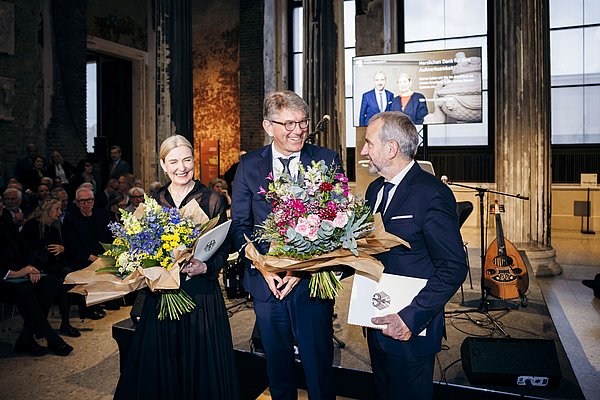
Perhaps, in closing, you will allow me to testify, on a very personal note and with deep gratitude, that in nearly forty years of academic work I have rarely collaborated with anyone as cheerfully, as smoothly, as amicably and as trustingly as I have with Hermann Parzinger. Whether this is due to his innate talents, the sport he practised, the team-oriented approach of an excavator, or whatever else: the day-to-day practice of such collaborative, trusting and yet effective joint leadership – which is passionately committed to cooperation rather than pointless conflict, and to collective rather than self-serving self-promotion – has benefited not only the Foundation, but also this city and the country. This collaborative leadership style will, hopefully, remain a role model for the effective management of German cultural and scientific organisations even after Hermann Parzinger’s departure, amidst all the cultural change. In any case, in the far from straightforward cultural and academic landscape of this city, to which Hermann Parzinger came many years ago, he has left a deep mark in the form of sustainable structures for joint and collaborative work, not only in our jointly led research centre ‘Chronoi’ on temporal structures and time consciousness in societies of the Ancient World. Thank you for that, thank you from the bottom of my heart. For that and for everything else.
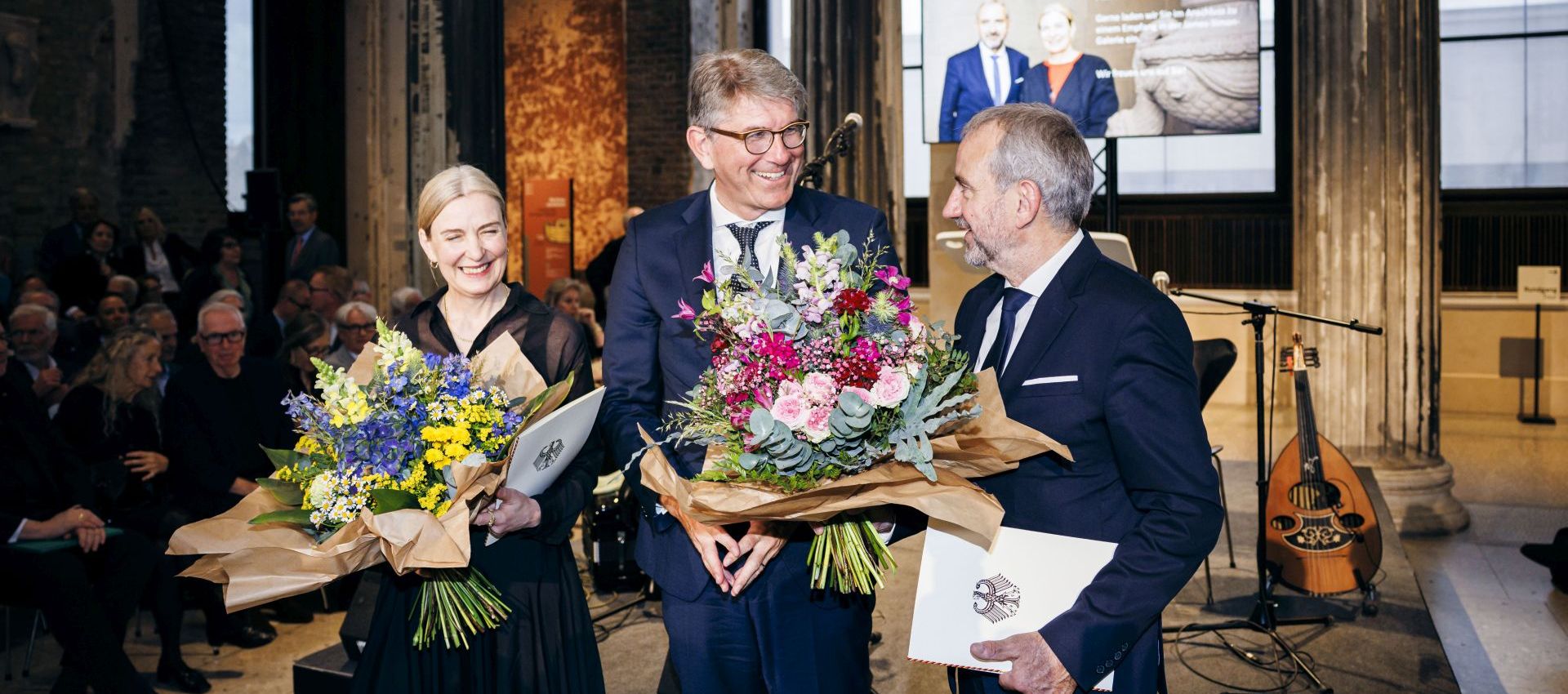
Of course, dear Ms Ackermann, as a curious contemporary who has visited the Dresden Art Collections time and again in recent years with equal parts curiosity and enthusiasm, there are many things that catch one’s eye – just as they do for everyone else – such as the sensitive recontextualisation of the reconstructed Baroque rooms of the Dresden Royal Palace as part of the exhibition ‘100 Ideas of Happiness. Art Treasures from Korea’, which is still on display there. Augustus the Strong seems rather pale by comparison, and his robes fade somewhat in the face of this foreign splendour. As for what is not immediately apparent there in Dresden, I can only guess – but I look forward to discovering it with you and through you in the years to come. Enough. On this change of office, on this farewell and new beginning, I wish you all the very best, success, strength and everything one could wish for, from the bottom of my heart. Thank you very much for your patience.