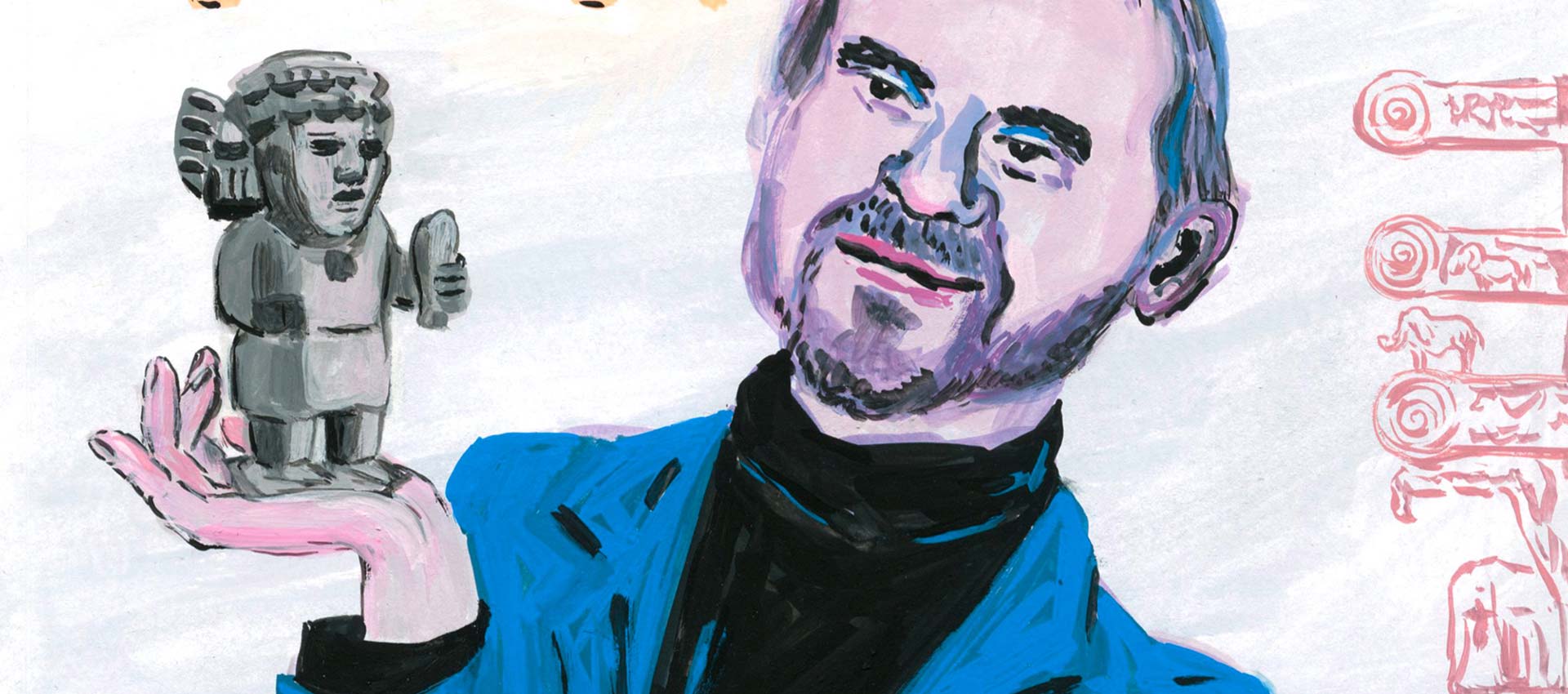
At Prussian graves: Jürgen Kloosterhuis, Director of the Secret State Archives of the Prussian Cultural Heritage Foundation, in conversation about community and secrets
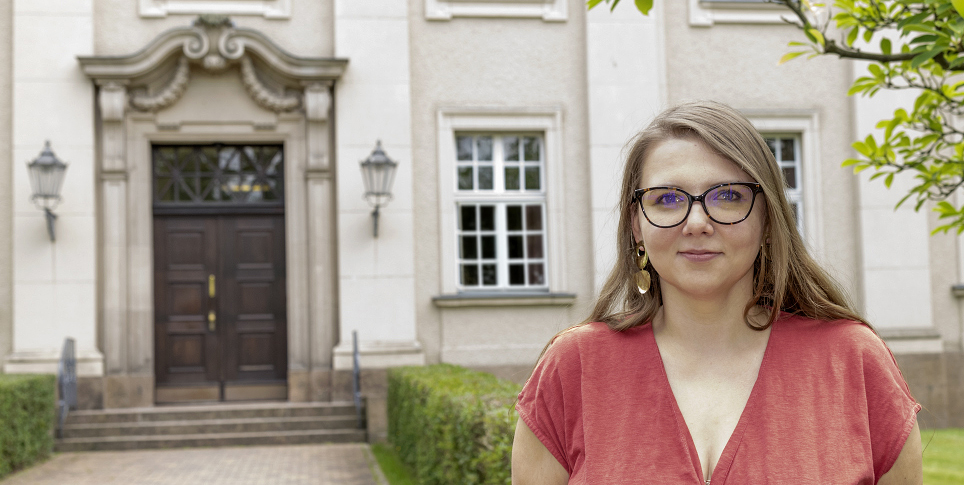
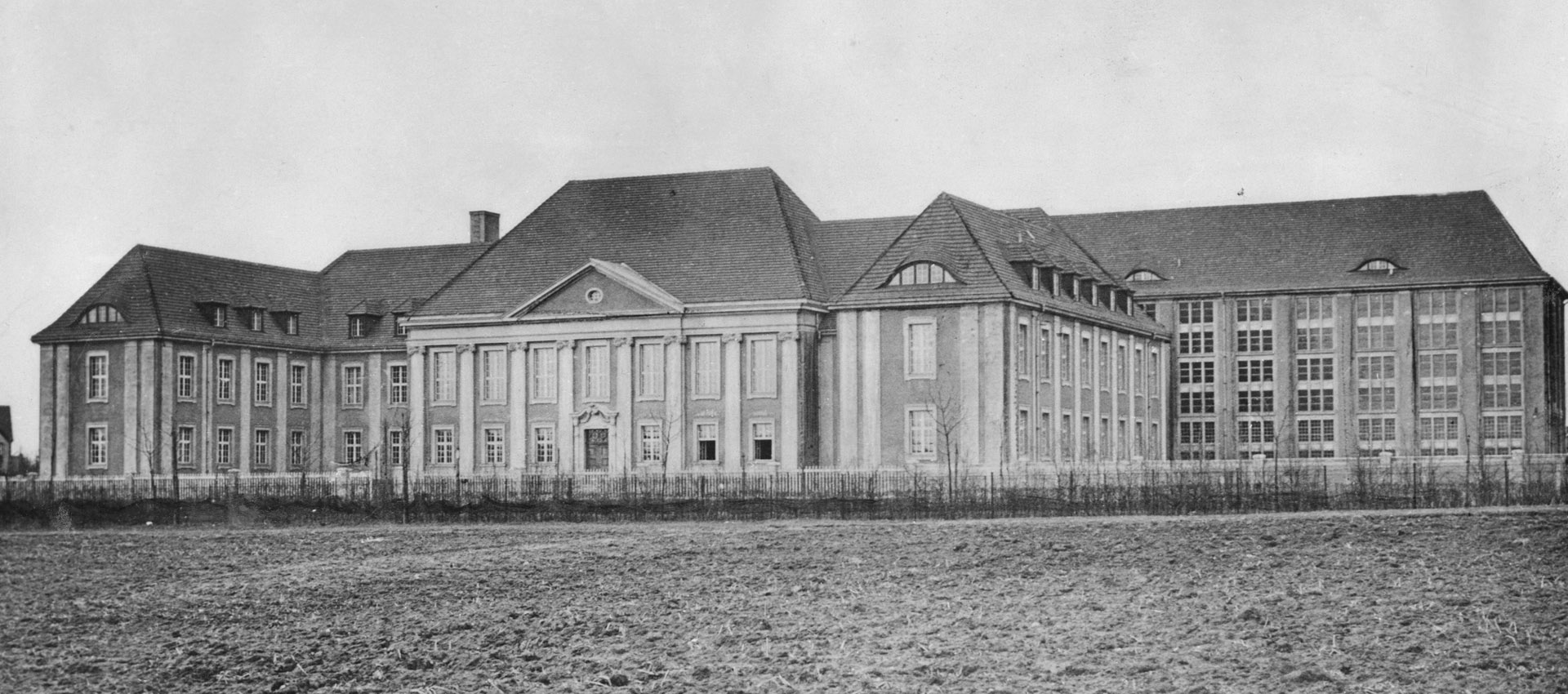
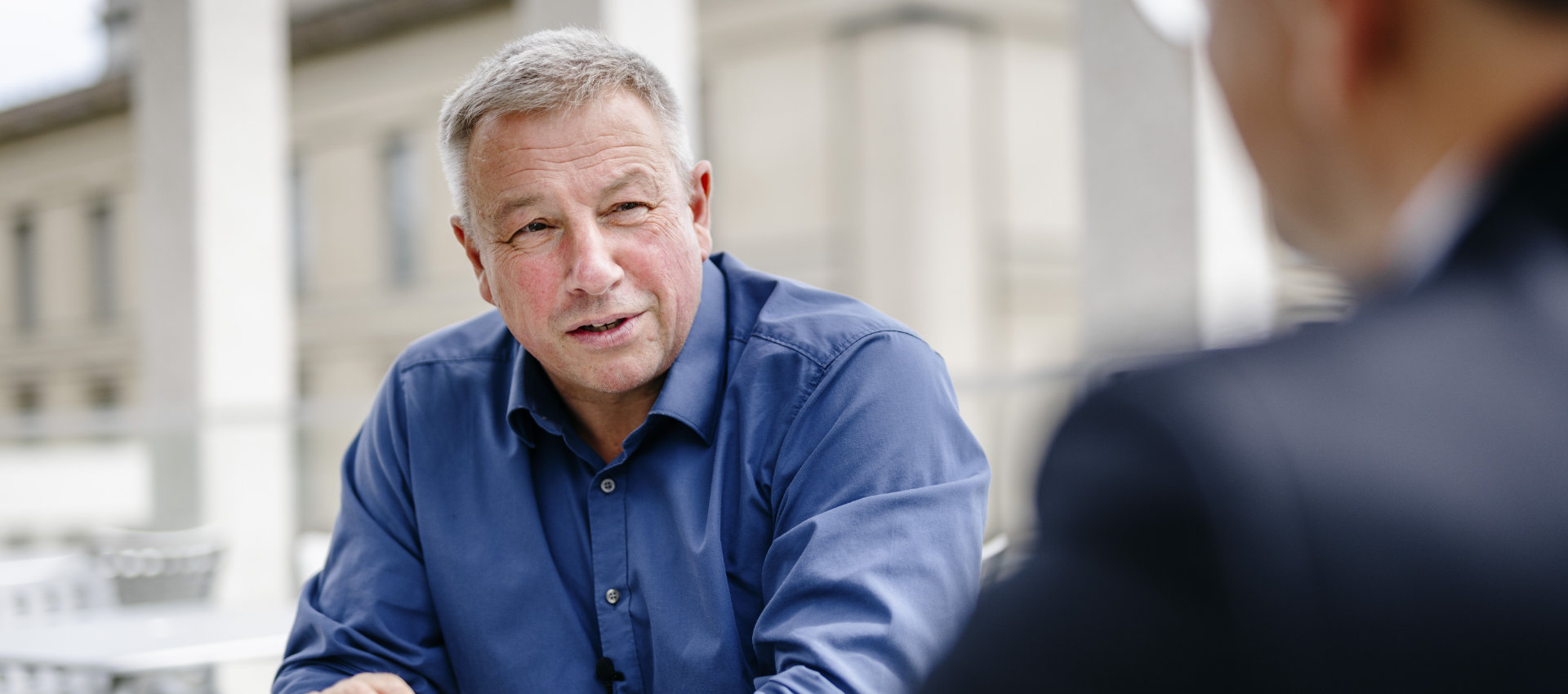
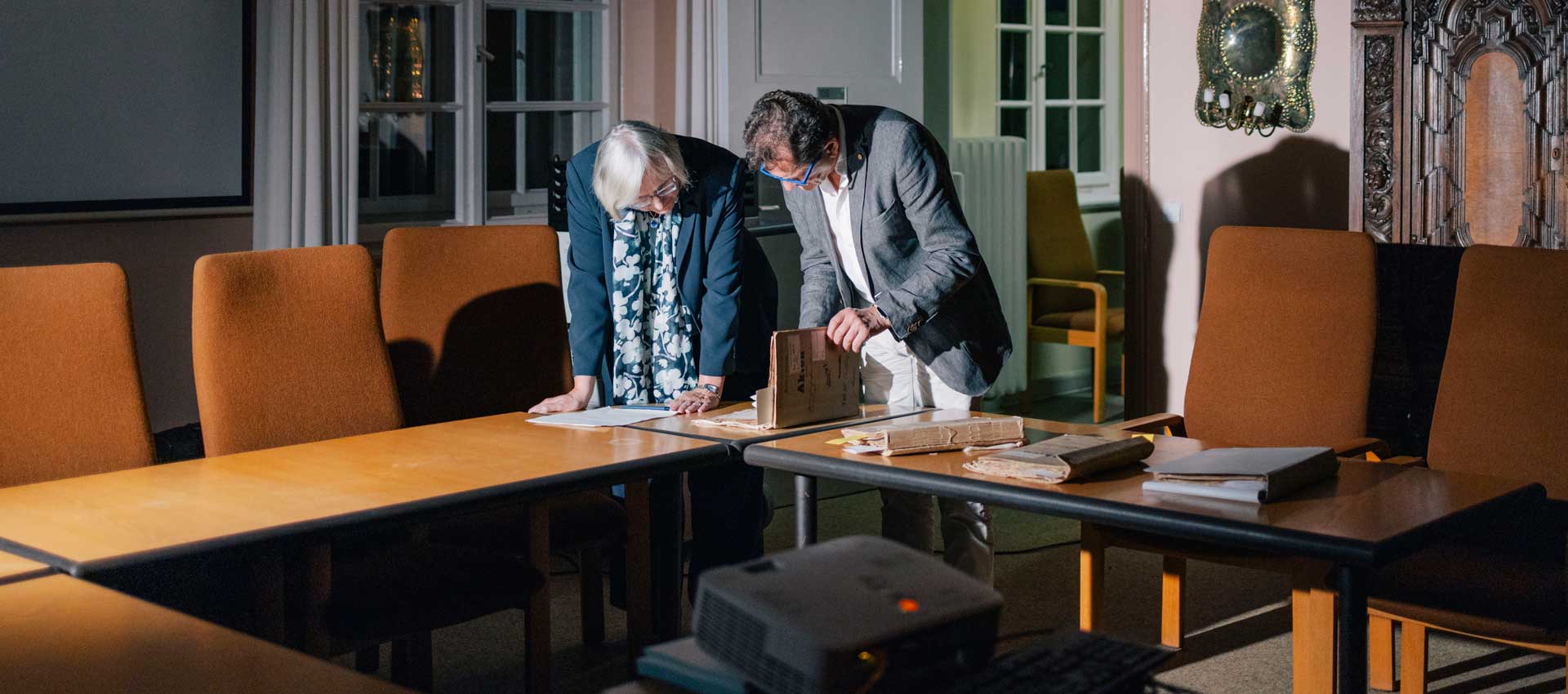
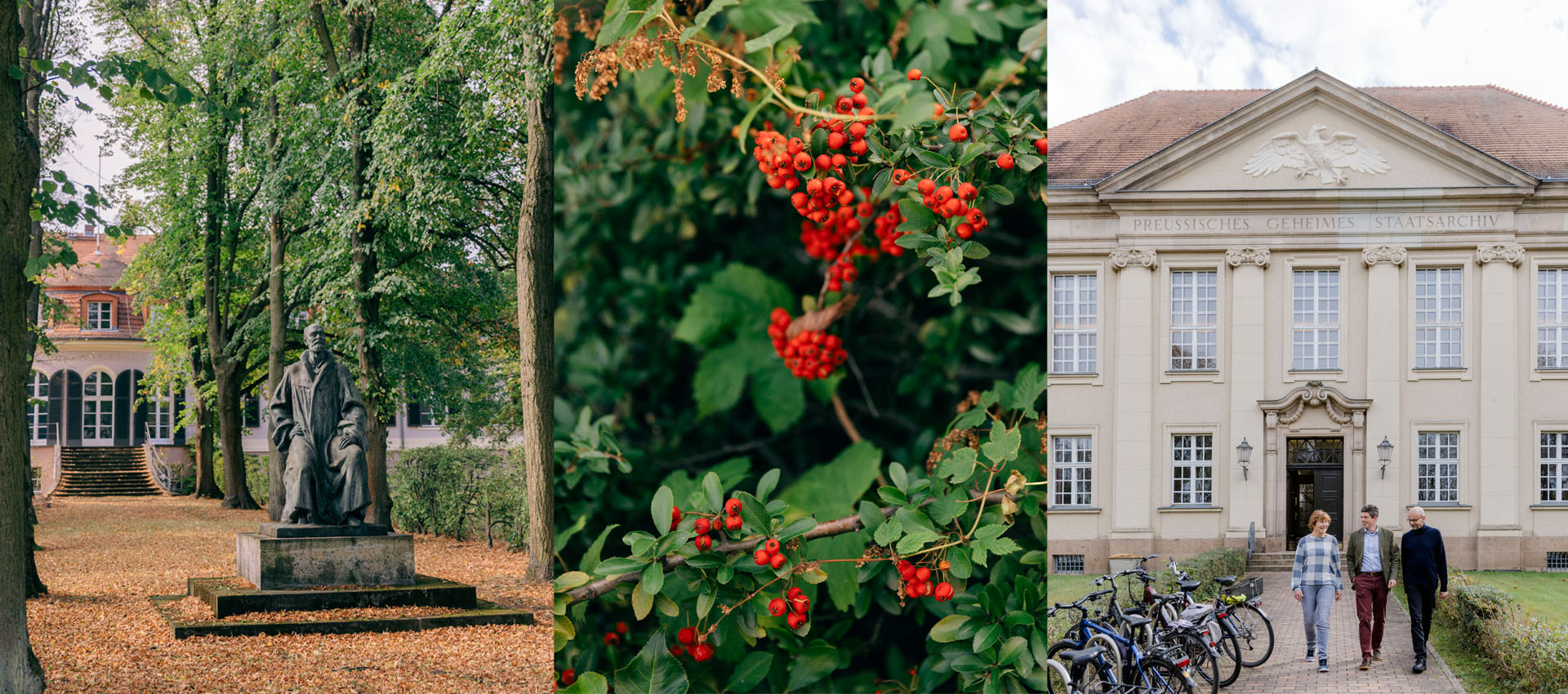
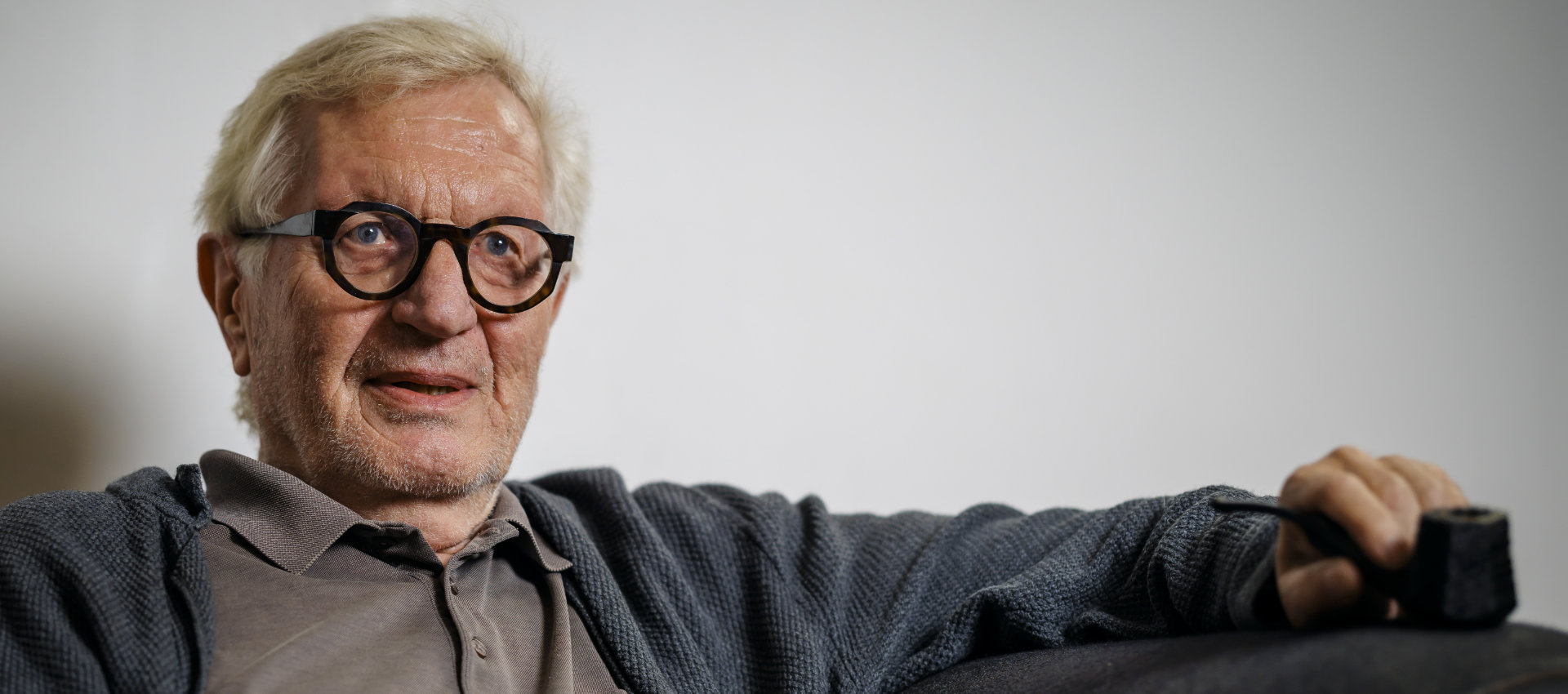
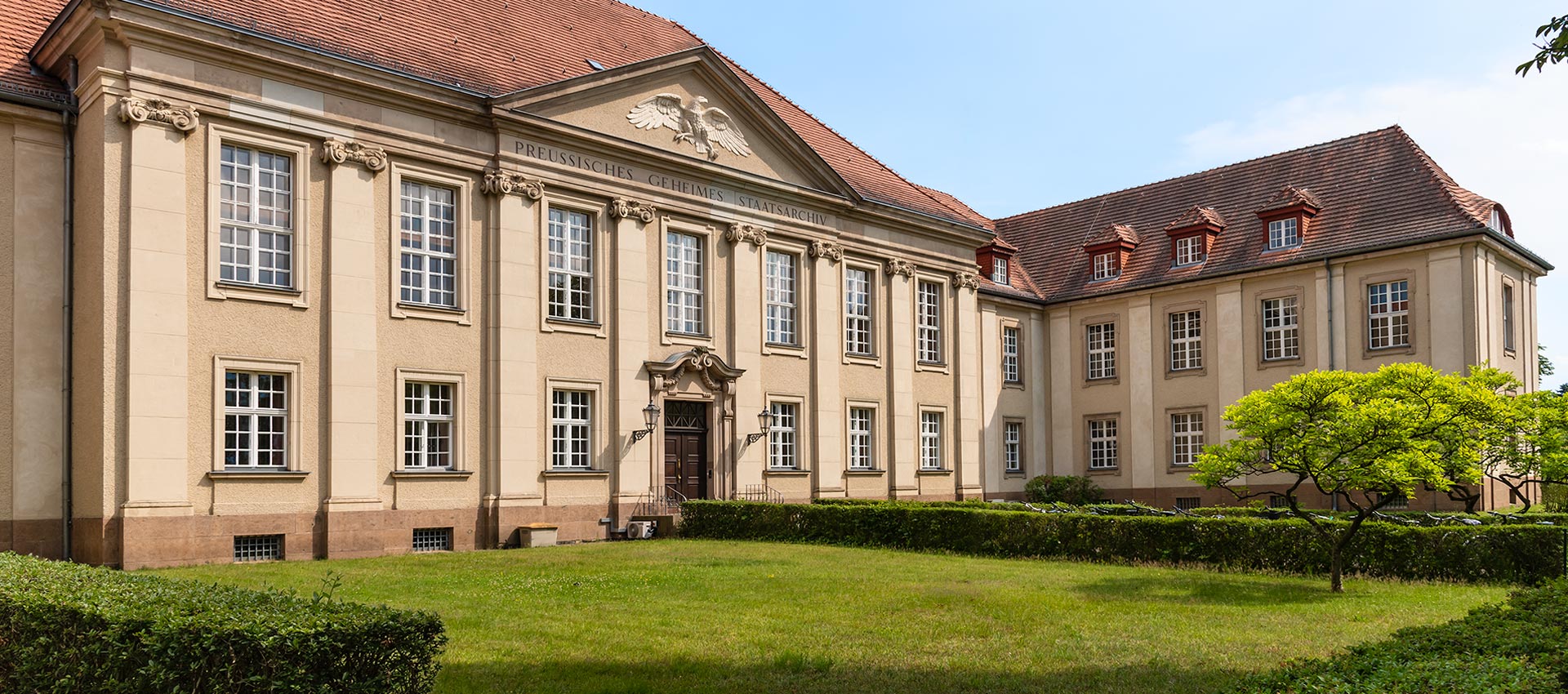
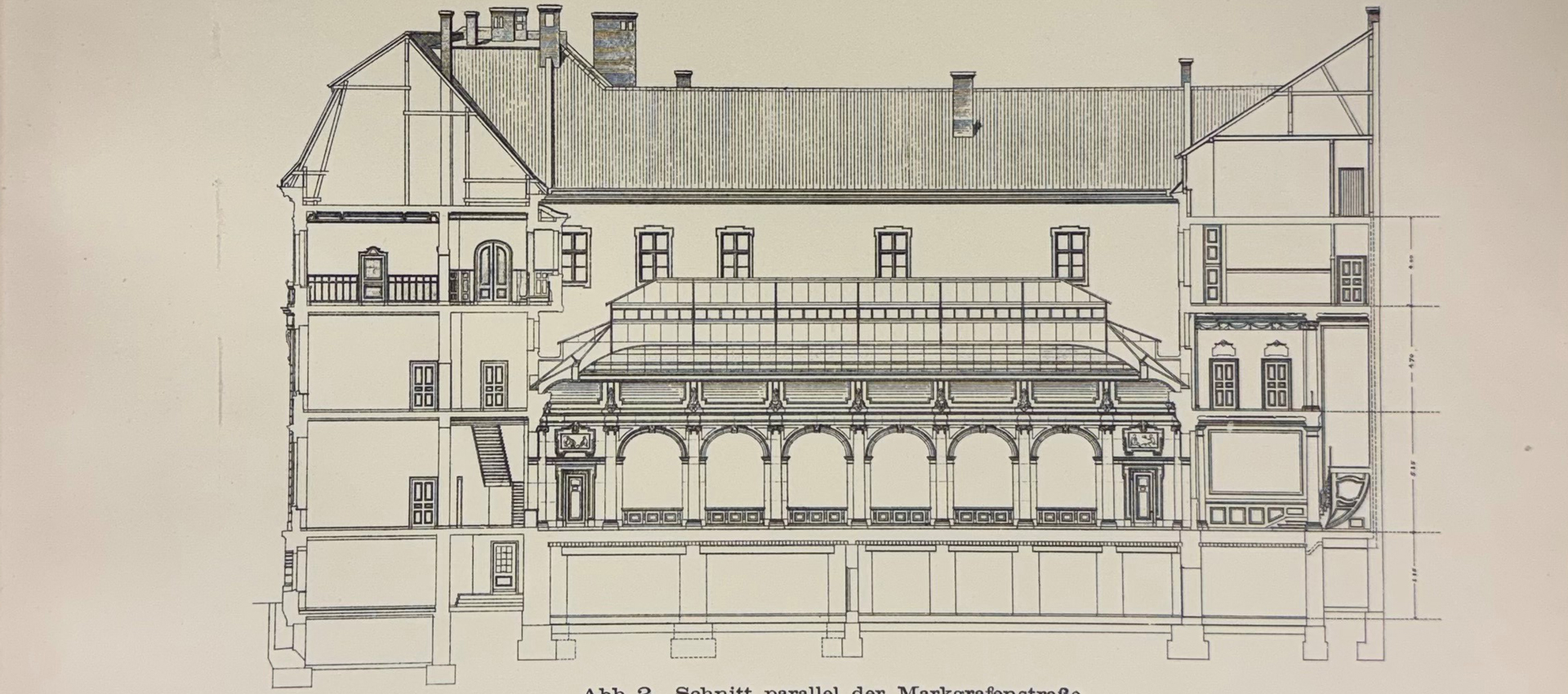
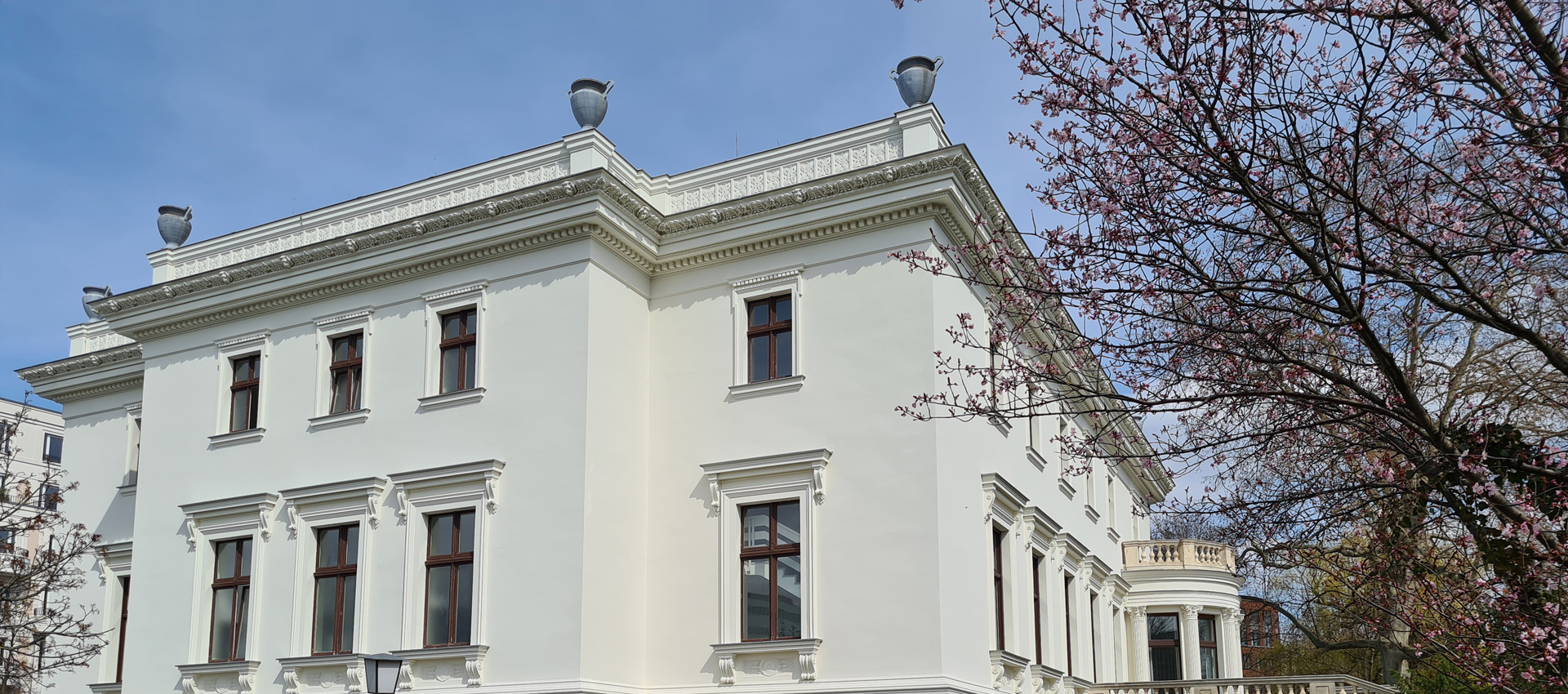
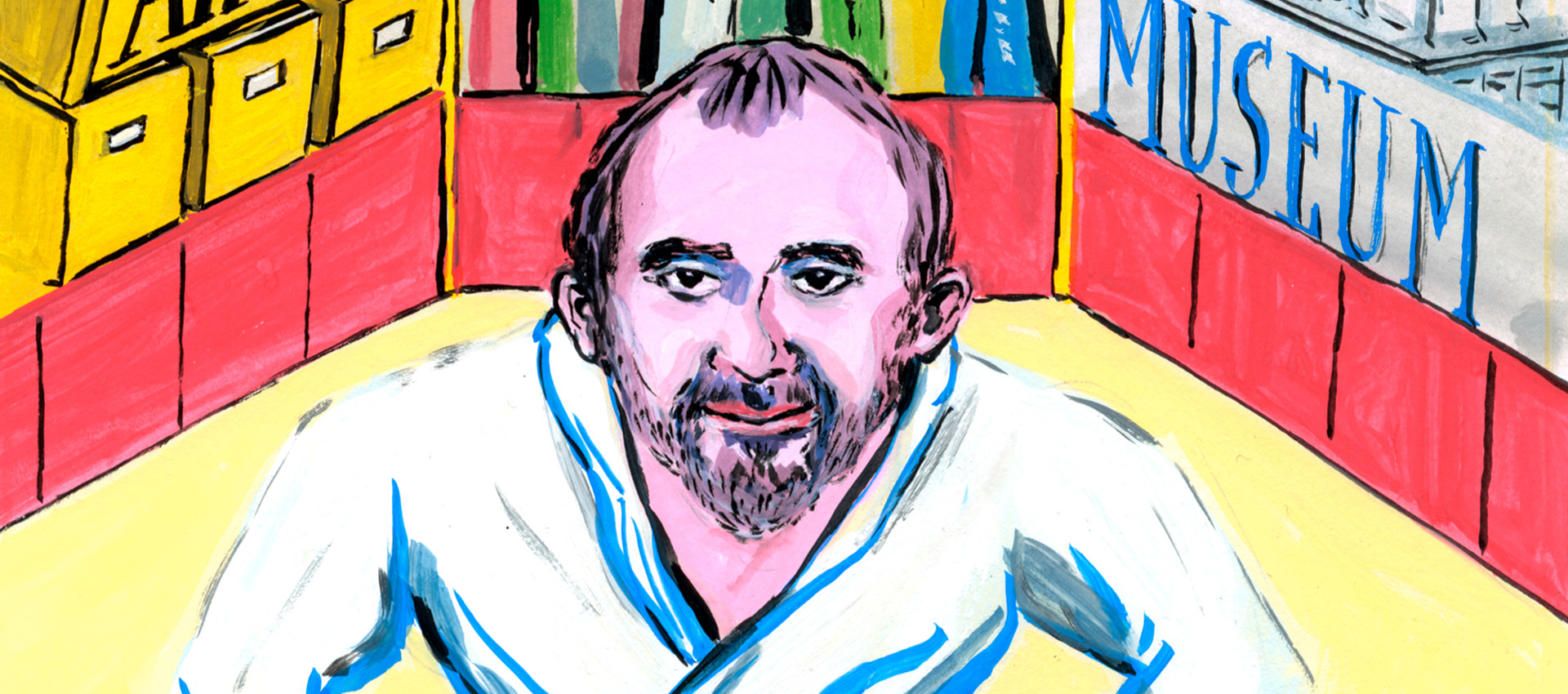
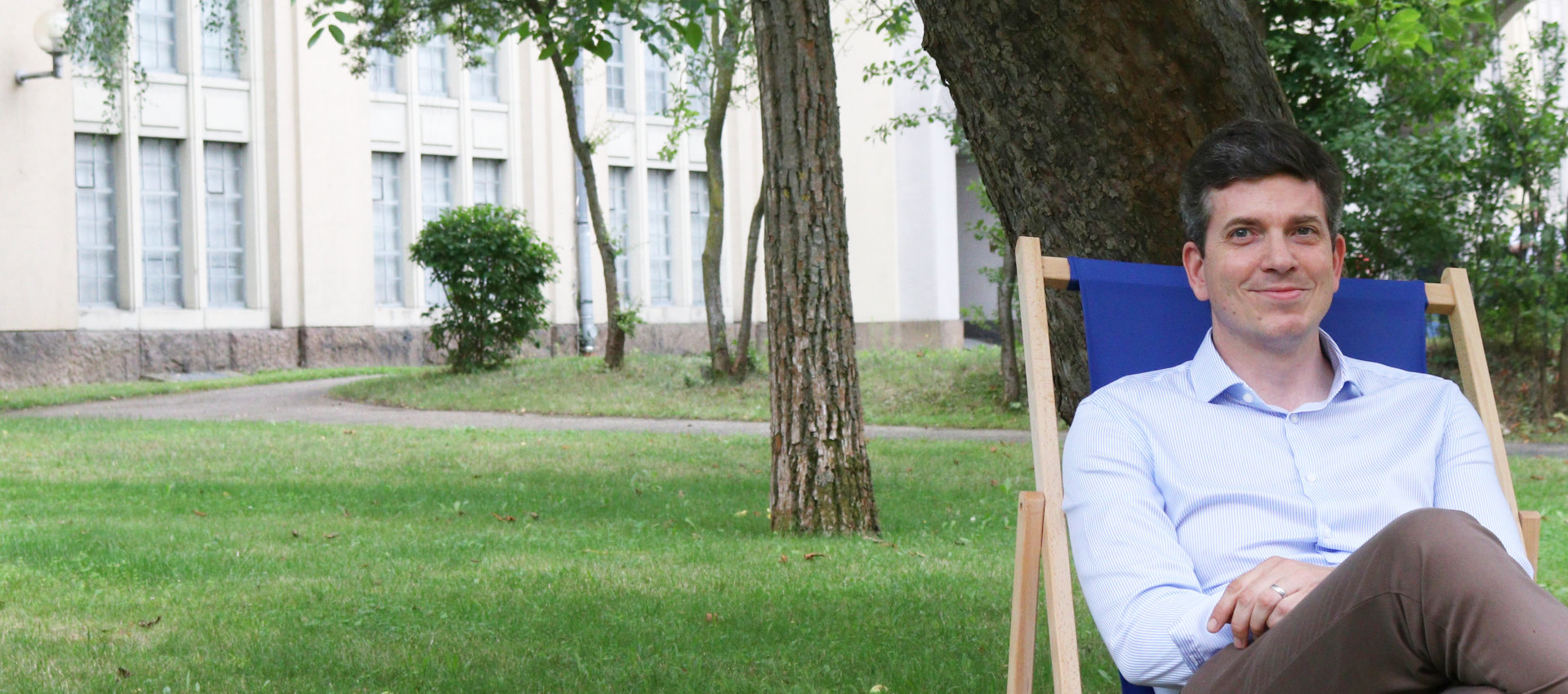
Jürgen Kloosterhuis meets us in his domain, the Secret State Archives in Berlin-Dahlem. The director’s villa in Dahlem and the adjoining archive building were constructed in the early 1920s; stately Wilhelminian-era elements blend with functional architecture. They exude a historical charm all of their own. Kloosterhuis has been at the helm of the institution for two decades; he is one of Germany’s most renowned archivists and historians. He has just begun the final year of his tenure.
Daniel Schreiber: Mr Kloosterhuis, you come from Upper Franconia and studied in Freiburg and Vienna. Given these rather un-Prussian origins, where did your fascination with the Kingdom come from?
Jürgen Kloosterhuis: I can say that I was brought up with a Prussian outlook from an early age. My family home conveyed an extremely positive image of Prussia.
Wasn’t your parents’ stance rather unusual at the time?
My father’s way of thinking, in particular, was certainly not the norm. For him, the point was that the catastrophe that befell Germany in 1933 was not, in fact, the logical consequence of Prussian history – a view that was, after all, widespread in the 1950s and 1960s.
That Prussia was a military state is undisputed. But for him, the line that many drew from Frederick the Great via Bismarck to Hitler was wrong, and, as we know today, he was right. That had nothing to do with monarchism. For him, it was about the cultural memory of a significant country that was irrevocably lost. He did not want to be deprived of that memory.
Today, Prussia is no longer regarded as a historical scapegoat. It is even associated with a certain glamour.
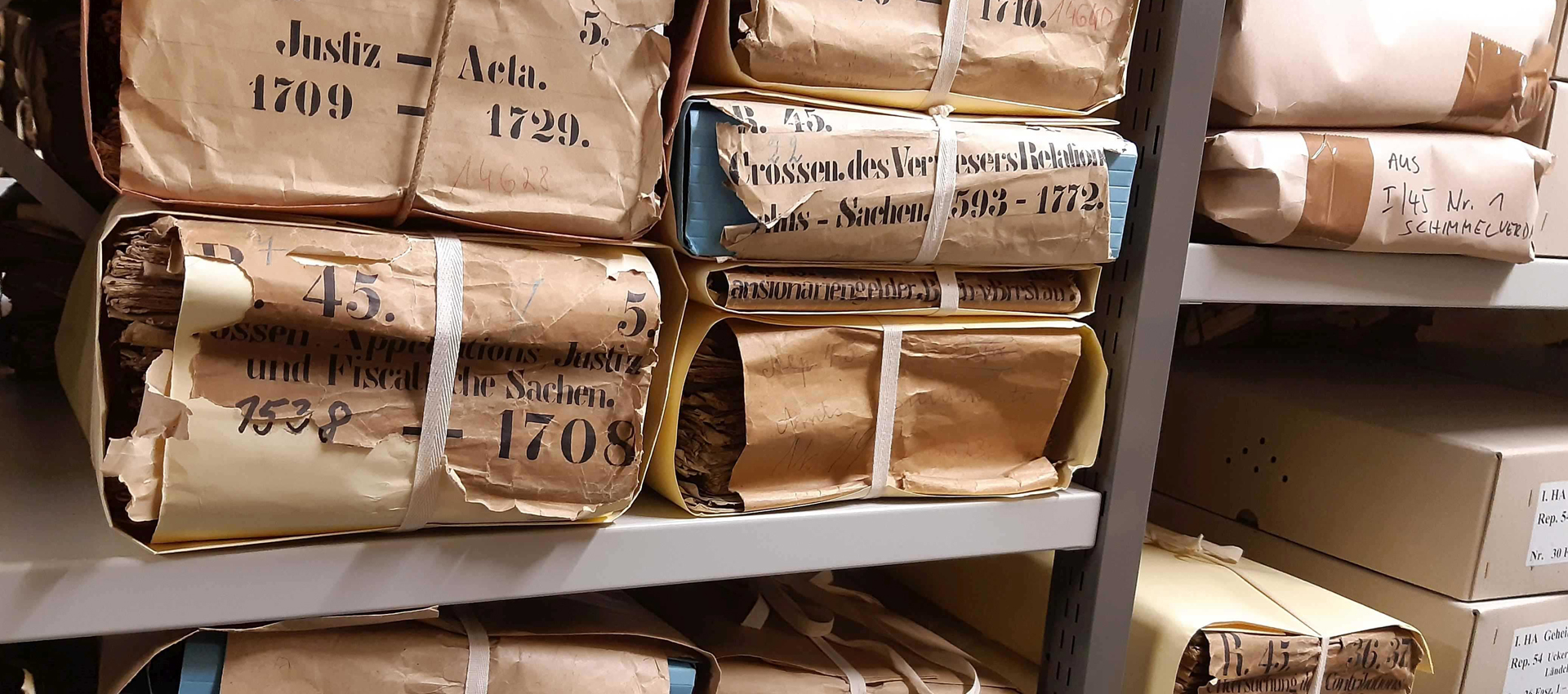
I believe this change in image has a great deal to do with reunification. As a result, the Prussian part of our history has become much more tangible and accessible than it used to be. The work of the State Archives has been and remains indispensable in this exploration of history. We make the centuries-old written legacy of the former Brandenburg-Prussia available for use, relatively undamaged, well-preserved and without major war losses.
We may be a state archive that has lost its state. But the records speak to you when you ask a specific question. We do not have an easy time of it with our Prussian history; we need a more nuanced perspective, and we must engage with it more deeply and critically than elsewhere.
A look at this history makes it clear that the Prussian state, as a political construct, was by no means as stable as is generally assumed. How do you explain this?
Firstly, Prussia is one of the modern-day states that emerged relatively late. The established great powers had cohesive territories. In contrast, Prussia was a patchwork quilt. It was only at the beginning of the 17th century, when the Berliners acquired the duchies of Cleves in the west and (East) Prussia in the east through succession and a marriage alliance, that expansion became possible. With the Cleves–Berlin–Königsberg connection, the framework had been established, and the question was now whether this could be filled out territorially or not.
If, around 1710, three educated and politically experienced individuals had come together to consider which would become the most important German state of the 18th century, they would probably have tipped Saxony or Hanover; none of them would have thought of Brandenburg-Prussia. The secret of Prussian history lies in the fact that it actually managed to do so. Following the severe blow dealt by the Napoleonic Wars, there was later another massive consolidation of power, culminating in the unification of the German Empire in 1871.
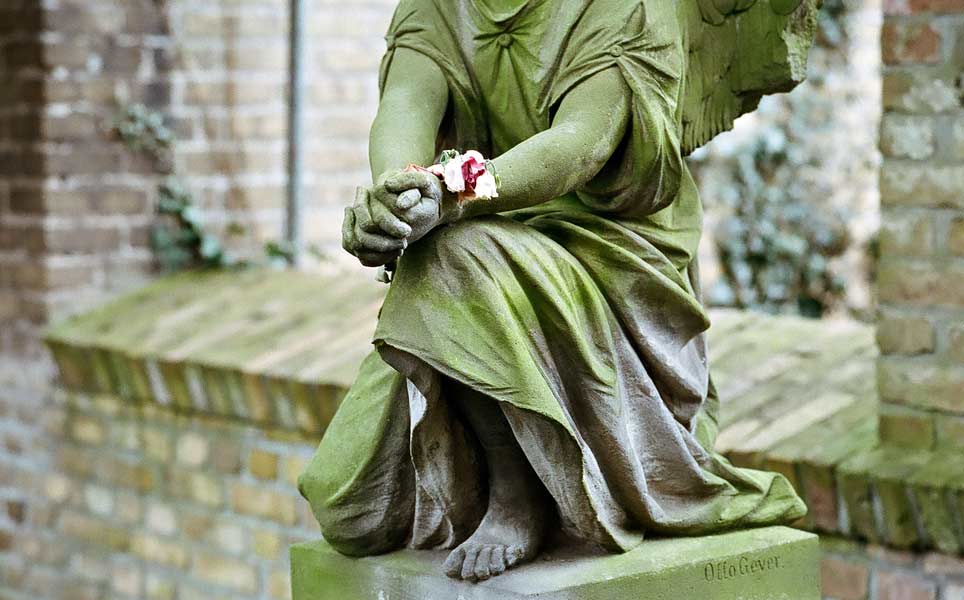
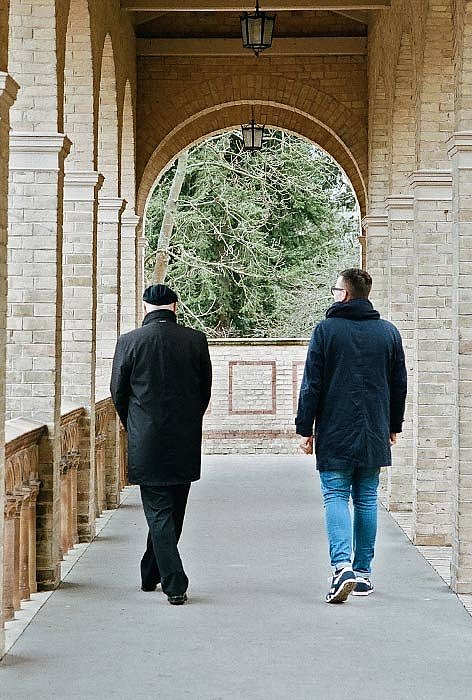
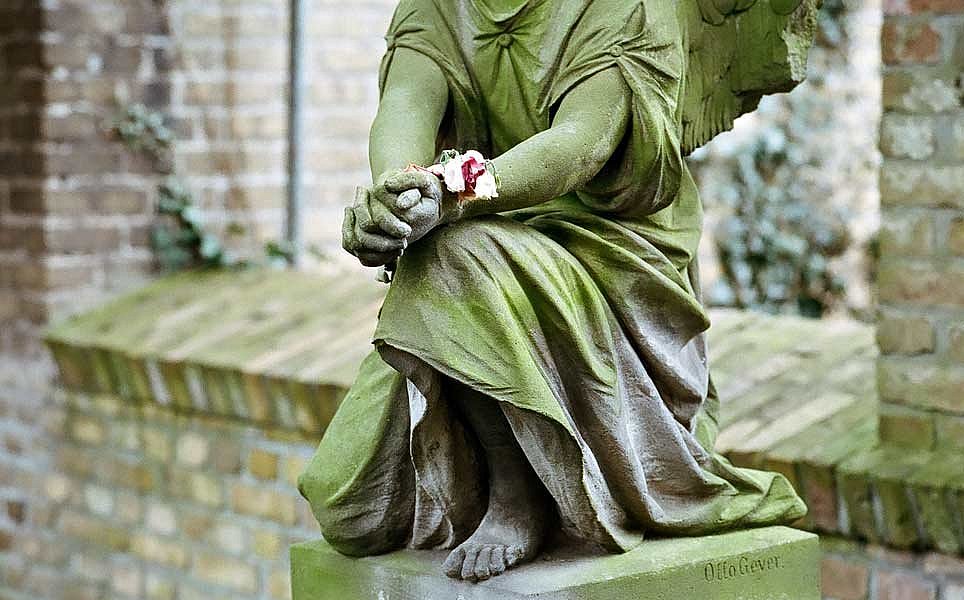
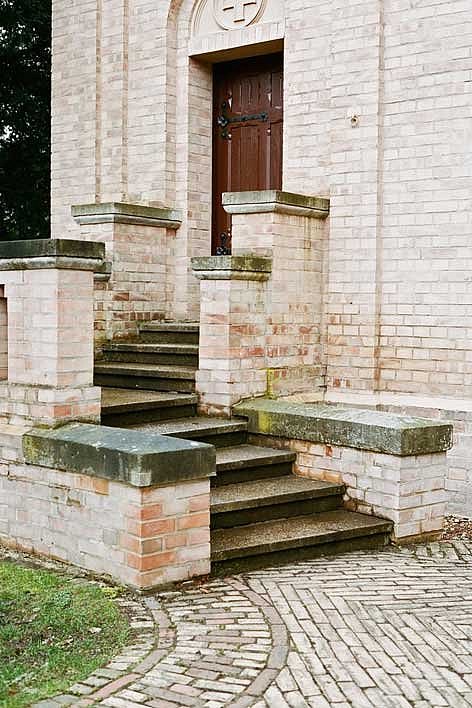
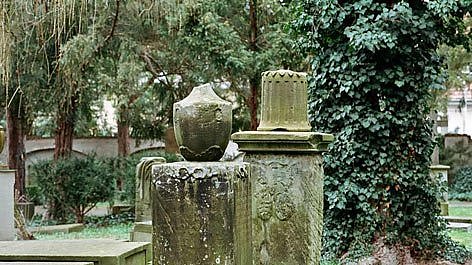
Even in Fontane’s *Wanderungen durch die Mark Brandenburg*, the conversation turned to Bornstedt Cemetery with its elegant Stüler church, to which we moved our discussion after a short drive. Centuries-old yews cast their shadows over ivy-covered gravestones and ornate mourning sculptures, interspersed with a few birches in pale spring green. Anyone of any standing in Prussia wanted to be buried here: from the royal court gardeners who tended the parks of Sanssouci, to Potsdam’s wine merchants, right through to Prussian generals. It is a wonder that the cemetery and the Krongut Bornstedt estate that houses it – an Italian Baroque art village and former residence of Crown Princess Victoria – are not major tourist attractions.
Anyone of any standing in Prussia wanted to be buried here.
Kloosterhuis knows almost every gravestone and almost every story behind them. He shows us the spot where one of the ‘Lange Kerls’ – the famous soldiers of Frederick William I – is buried; he points out the grave of Peter Joseph Lenne, the visionary landscape architect who played a key role in shaping the appearance of Potsdam and Berlin as we know them today. Erich von Falkenhayn, the Prussian Minister of War who urged Wilhelm II to declare war in the First World War, found his final resting place here, as did his son-in-law, the great resistance fighter Henning von Tresckow. The tour through Bornstedt turns out to be a journey through the layers of Prussian and German cultural memory.
Prussia is synonymous with discipline and the spiked helmet, but also with Sanssouci, Humboldt and Voltaire, ‘War and Peace’, and the Berlin built by Schinkel. How do you explain this tradition?
Frederick the Great, to whom much of this tradition is attributed, was a shrewd PR manager, both of his state and of himself. In this respect, he was simply modern. As a monarch, he had a keen sense that, in the exercise of his role – perhaps in contrast to the French king – he could not stride unchallenged through his country, but that he was dependent on public perception and also on influencing foreign opinion.
His father had not yet recognised this as a task. In fact, for long periods, it was a unique selling point of the Prussian state that it was modern for its time. Its administrative structures were so robust that they have survived to the very recent past, as has universal conscription. The process of secularisation began in Prussia around a hundred years earlier than in the rest of Europe. The Prussian concept of tolerance also has its roots here.
Do you believe that one could ever speak of a Prussian identity or a Prussian homeland?
It is often said that Prussia was never a nation state, but rather a rational state. In my view, the fact that the conglomerate of territories between Kleve and Königsberg – which, with the conquest of Silesia, also expanded into south-eastern Europe – came to be perceived as Prussia is a development that only emerged in the late 18th century. During and after the Seven Years’ War, a sense of common identity also began to emerge within Prussia.
For a long time, the Prussians did not exist at all.
Nevertheless, for a long time people did not speak of the Prussians, but of the Silesians, East Prussians, West Prussians, Magdeburgers or Westphalians. There is such a thing as German nationalism, but there has never been a Prussian nationalism. Prussia was always merely a spiritual point of reference. Its constituent regions, with their strong sense of regional identity, could be a home, but Prussia itself could not.
The flight and expulsion following the Second World War marked, in many respects, the definitive end of the Prussian state and its former territory. The sense of loss of home seemed to have been immense at the time.
You are addressing an emotional level. There is a need for community and for a homeland; that is something very human. On the other hand, these terrible fates that people had to endure because they were forced to flee or were expelled eventually also led to the formation of new identities and new points of reference. Memories of the past have certainly played a role for a long time, but they have also faded. It is very important to me that, based on our historical experiences, we define ‘home’ differently than we did in the past. We should not understand ‘home’ as the place we come from, but as a place we seek and to which we wish to go – whether alone or together with others.
Secret State Archives – Prussian Cultural Heritage Foundation
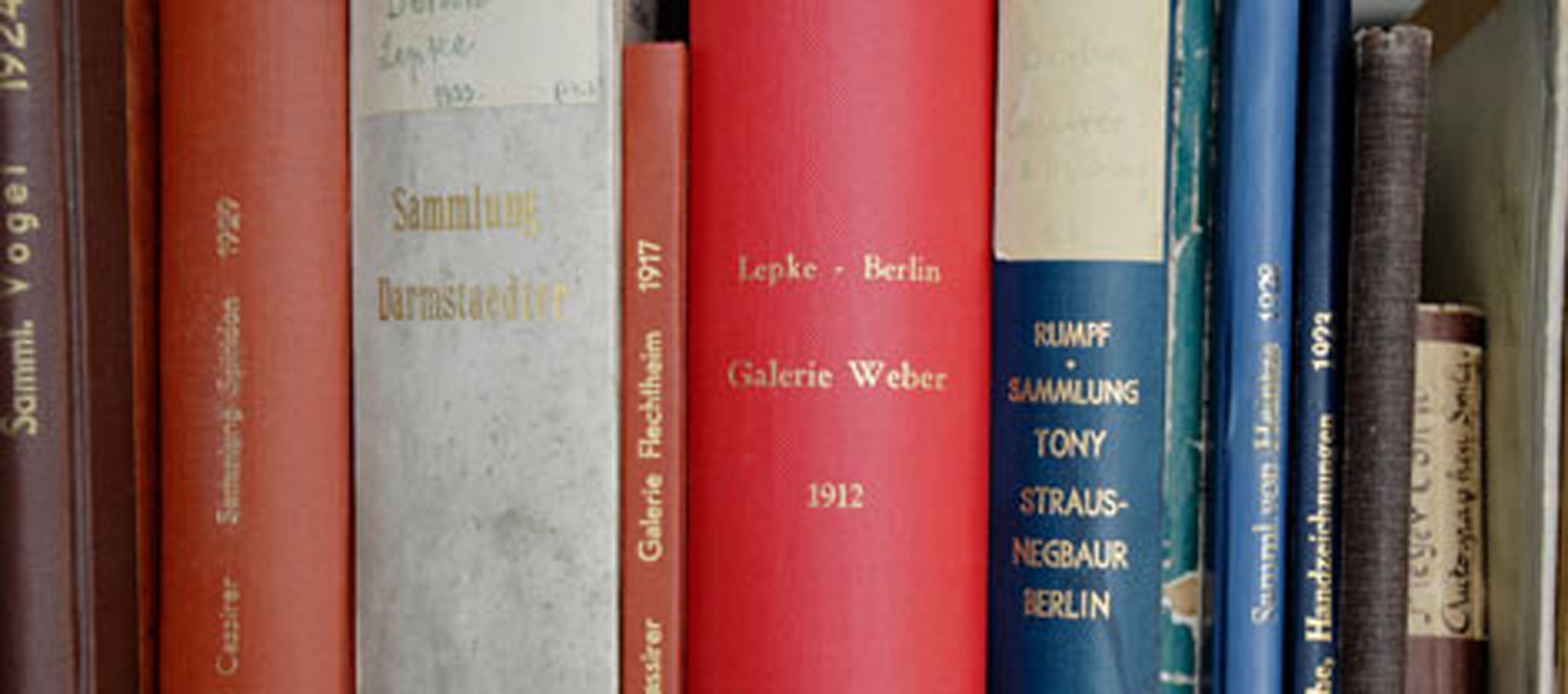
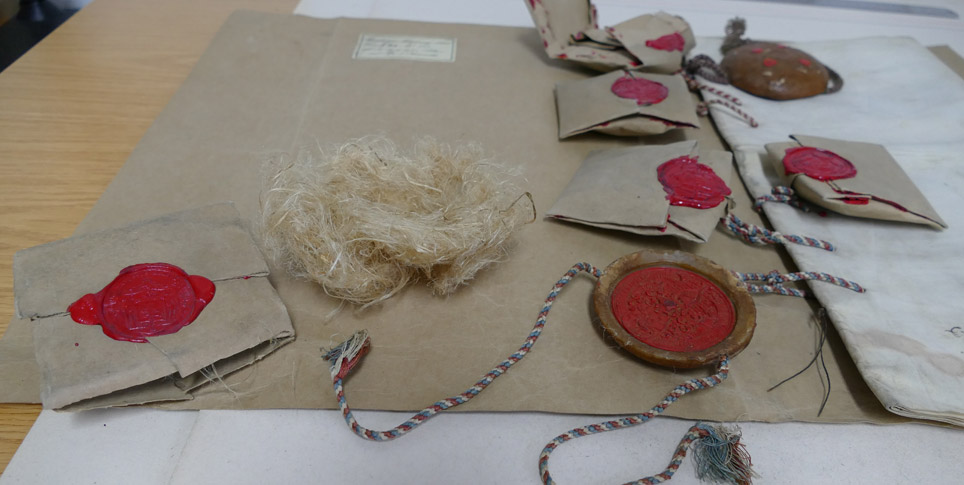
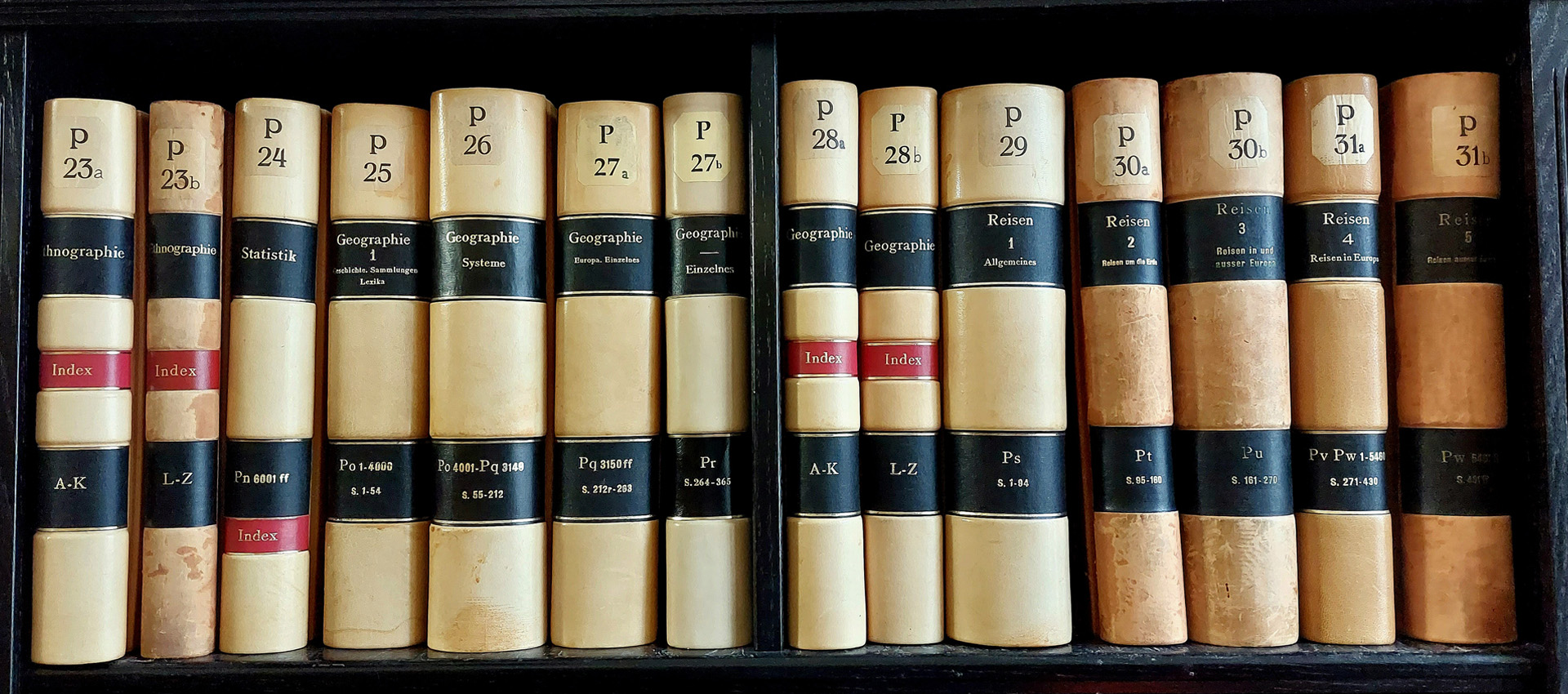
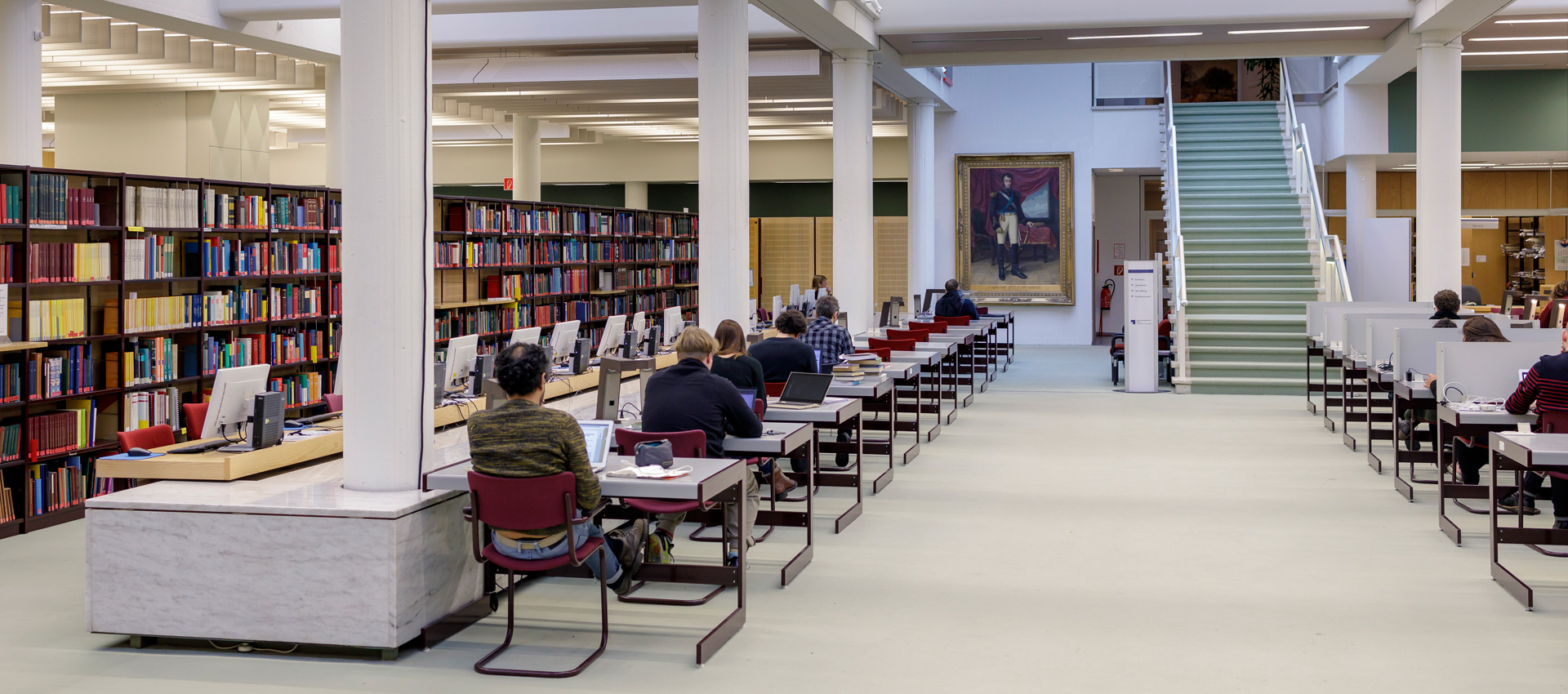
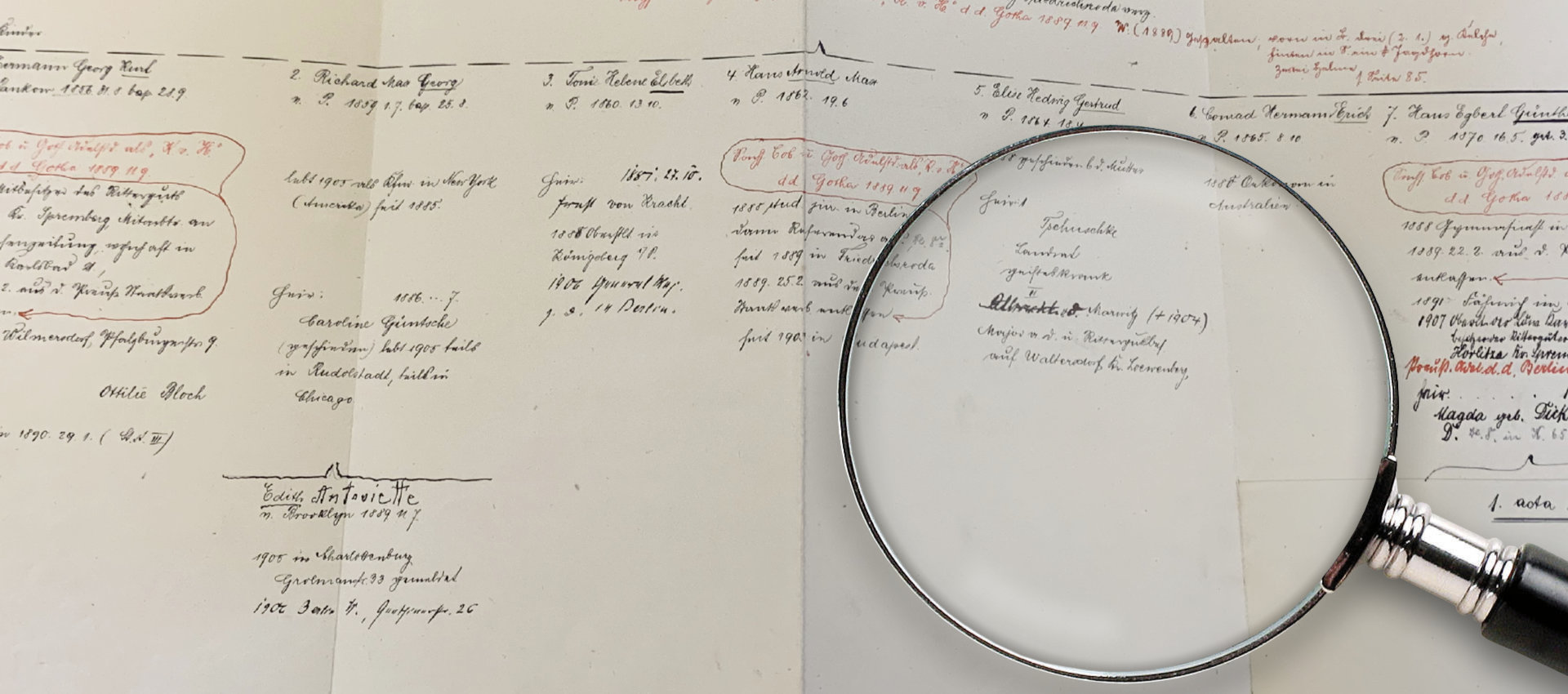
The Secret State Archives of the Prussian Cultural Heritage Foundation, based in Berlin-Dahlem, preserves and catalogues, as the ‘memory of Prussia’, deeds, files, official registers, maps and other documents spanning over 800 years of (Brandenburg) Prussian history. It also houses a library containing some 190,000 volumes.
In addition to preserving and cataloguing its holdings, the archive contributes to research into Brandenburg and Prussian history through its own publications. It also offers services for academics and interested members of the public. Furthermore, it serves as the central administrative archive for the Prussian Cultural Heritage Foundation.
Website of the Secret State Archives – Prussian Cultural Heritage Foundation