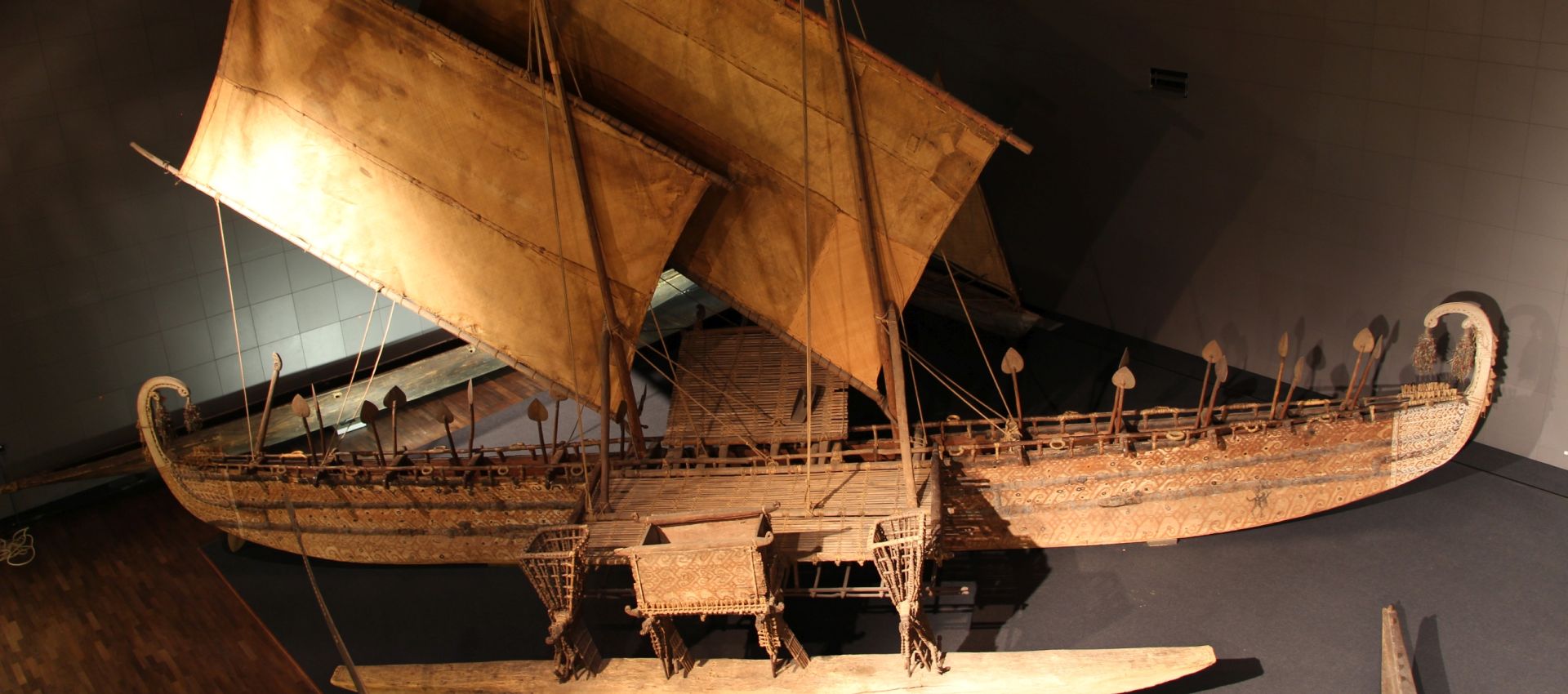
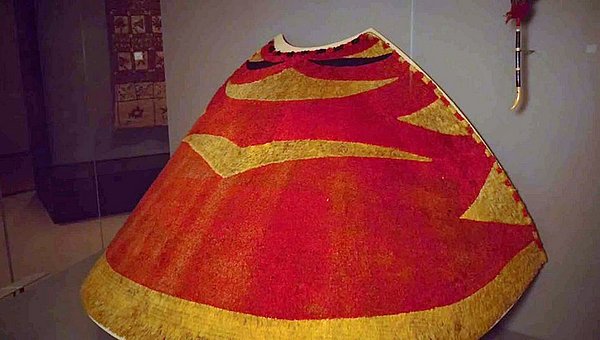
Two hundred years ago, one of the most significant exhibits in Berlin today arrived on a ship belonging to the Prussian Trading Company: King Kamehameha III (1813–1854) had a feather cloak presented to the King of Prussia (1770–1840). Recently, the President of the SPK used this cultural artefact to highlight the significance of the Prussian Trading Company for the collections, particularly for the Ethnological Museum (Parzinger, 2023).
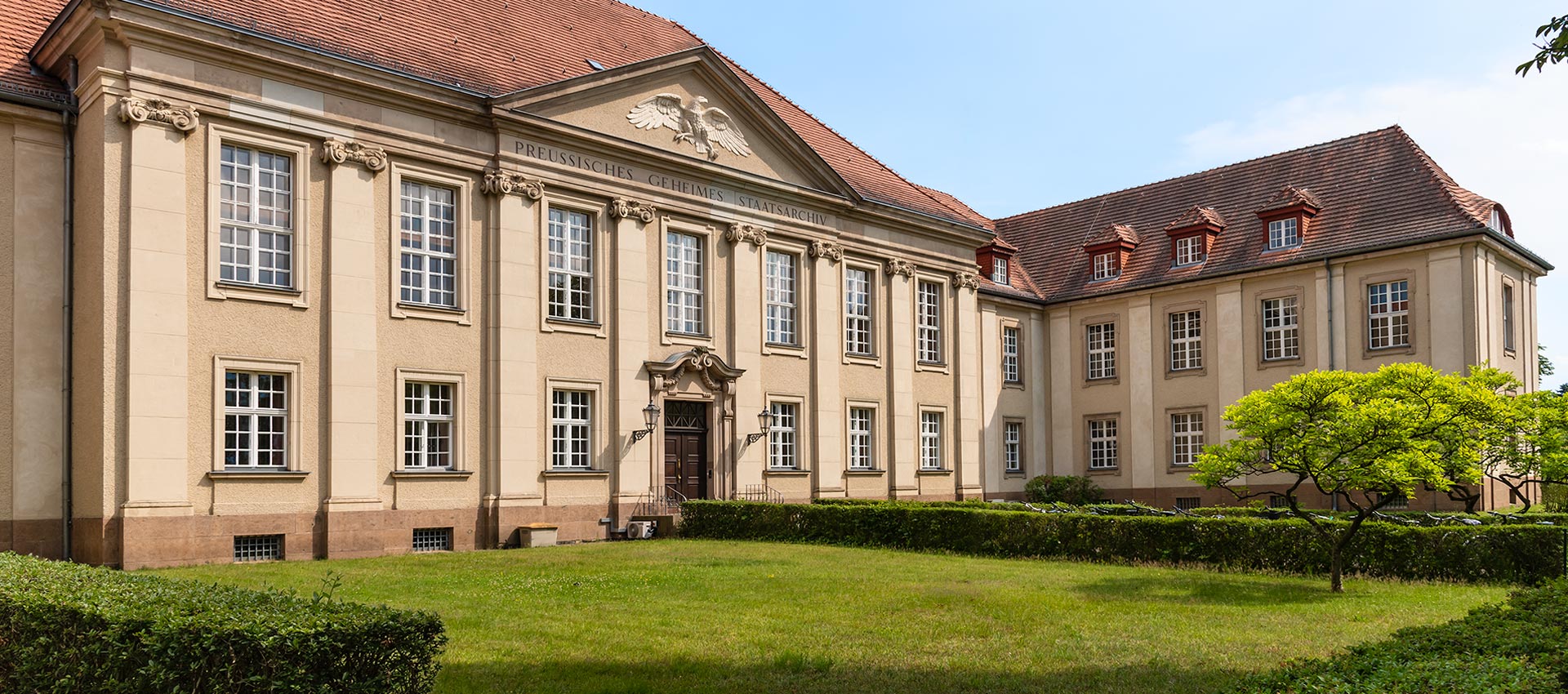
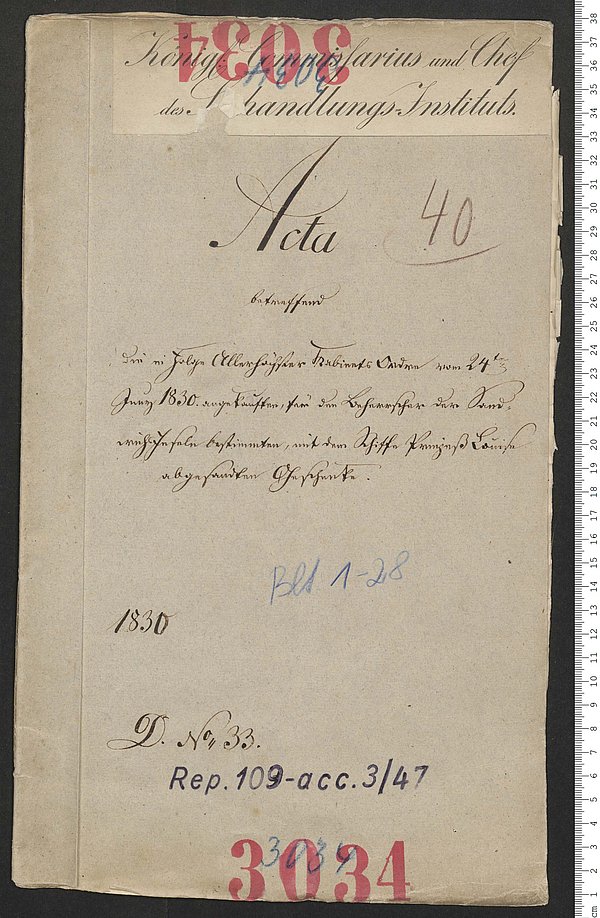
For his part, Frederick William III sent gifts to Hawaii. The specific diplomatic gifts in question can be identified from the surviving archival records in the GStA PK. And that is not all: sources providing information on the development and areas of activity of the Maritime Trading Company (from 1918 the State Bank), founded in 1772 by Frederick the Great, are now held in the State Secret Archives of Pomerania (GStA PK) and in the State Archives in Szczecin.
From the Rother era to Altbank
The Seehandlung was active not only in global trade but, until the mid-19th century, also in the agricultural sector and the proto-industrial sphere. Its involvement in mills and engineering works, in the textile industry, as well as its contributions to the development of infrastructure on water and on land, can be traced through the archival records.
This period, regarded as the heyday of the Seehandlung, has already been partially researched by academics. In 1820, the King of Prussia had elevated the Seehandlung to the status of an independent financial and commercial institution and entrusted its management to Christian von Rother (1778–1849). With the institution being placed under the jurisdiction of the Ministry of Finance in 1848, the financial sector came to the fore. Most of the estates and industrial enterprises located in Silesia and Brandenburg, as well as all the ships, were sold. Thanks to the strict austerity measures implemented by Rother’s successors and the successful monetary policy following the Franco-Prussian War of 1870–71, the financial institution was able to contribute to the nationalisation of private railways during the economic depression of the mid-1870s. Governments drew on experience in the banking sector for legislative proposals concerning banks and savings banks, as well as tax legislation.
In 1918, the institution was renamed the ‘Prussian State Bank’ and reorganised in the following years. During the Weimar Republic, it played a significant role in the bond business of Prussian heavy industry.
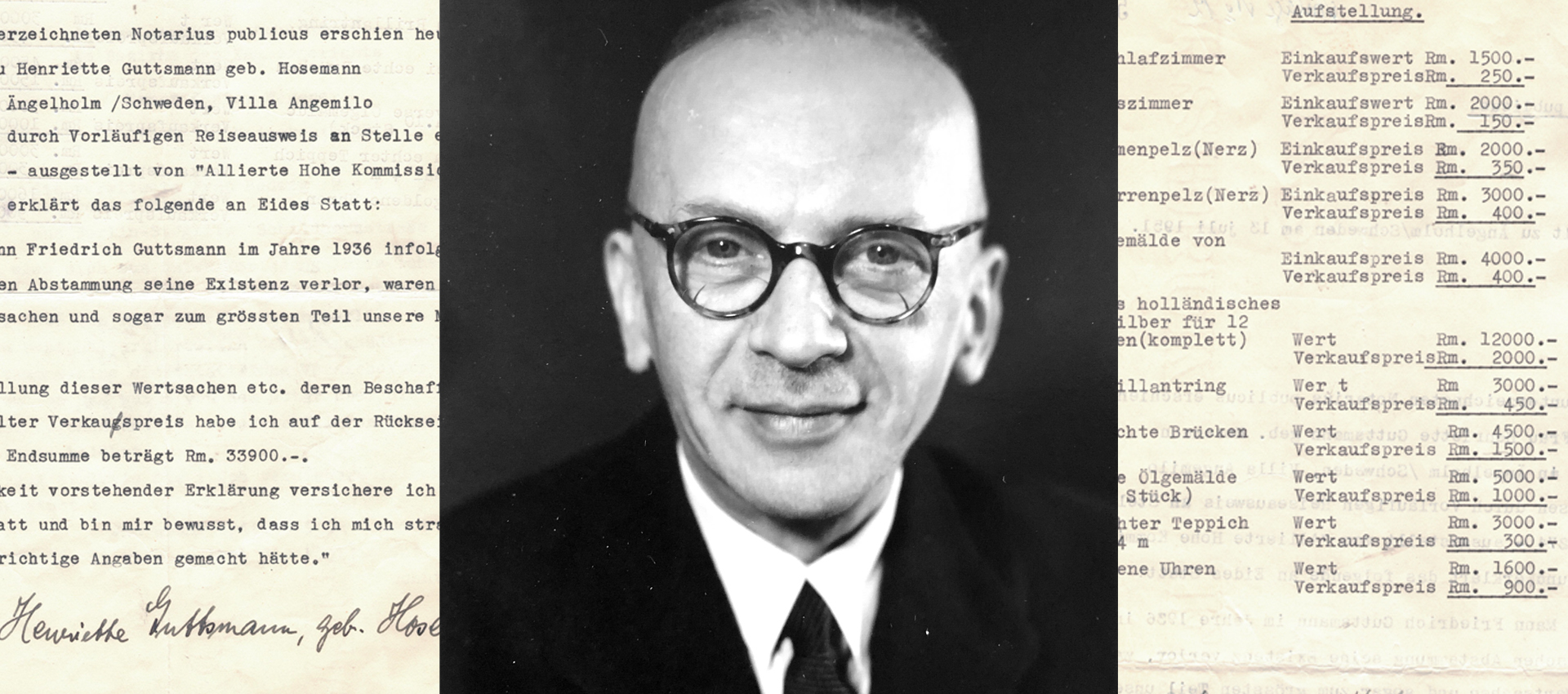
From 1924, the bank was headed by F. Schroeder, who retained his position until 1945, suggesting close cooperation with the National Socialist government. The bank played a key role in the “administration and realisation of confiscated securities” from Jewish assets (Bähr, 2023). Its involvement in financing the war effort during the Second World War is also evident from the annual reports (Pufelska, 2023).
The end of the Second World War also marked the end of the Staatsbank, whose vaults were looted by Soviet soldiers in May 1945 (Banken. Zerschlagen bis zur Dorfkasse, in: Der Spiegel 4 July 1951, pp. 9–13). At the instigation of the Allies, the State Bank was converted into a dormant legacy bank, the liquidation of which was completed by 1967; however, remaining accounts and the bank’s assets continued to be managed until 1983.
From Archival Material to Analysis
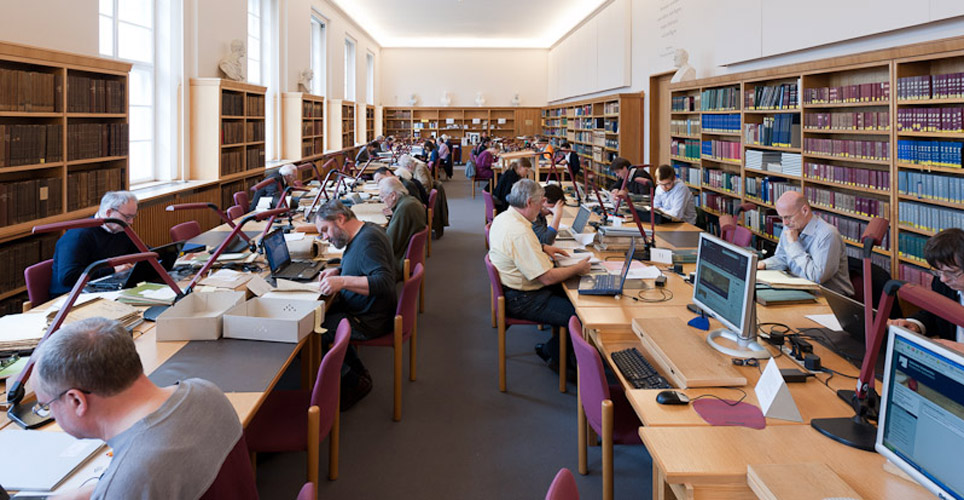
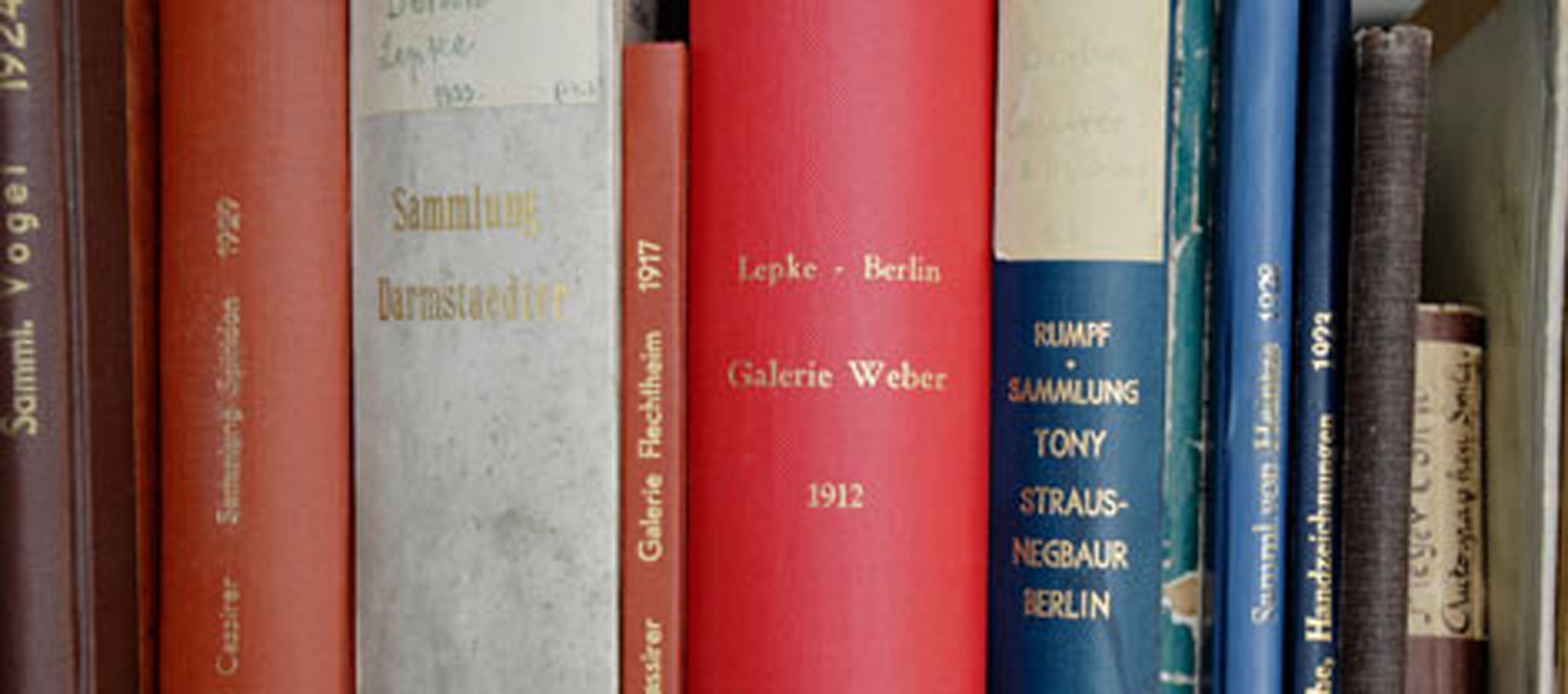
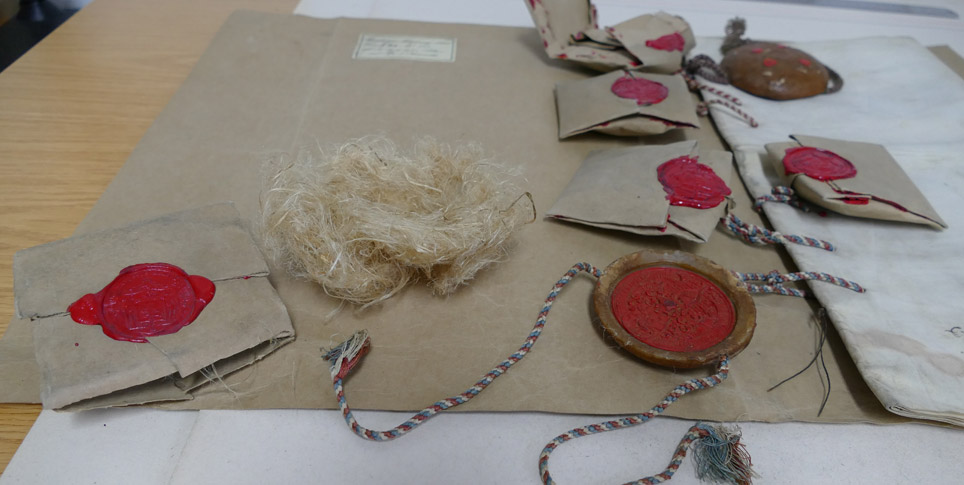
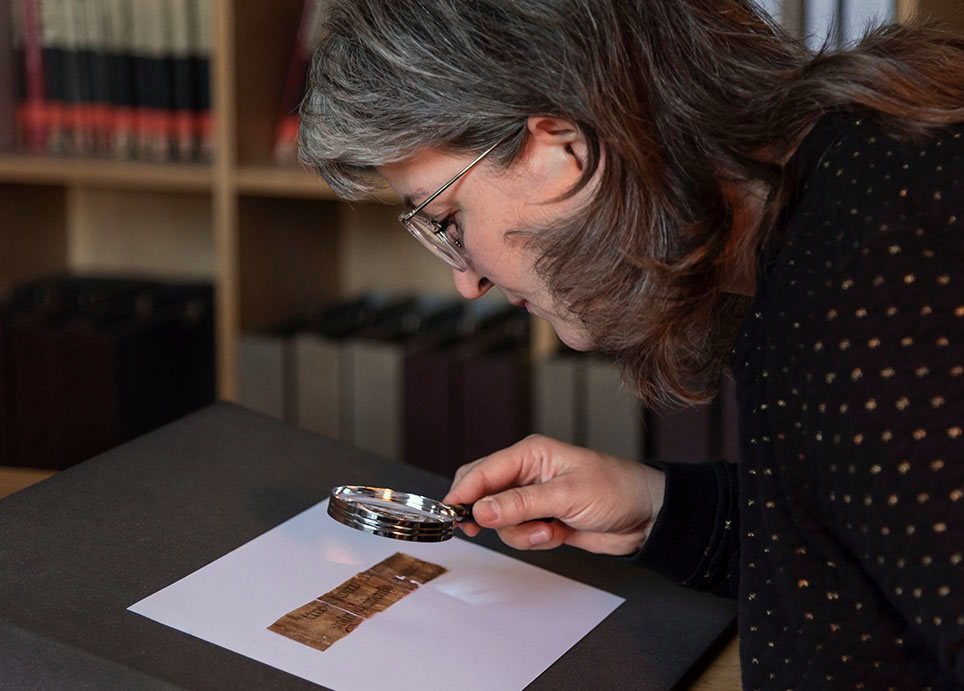
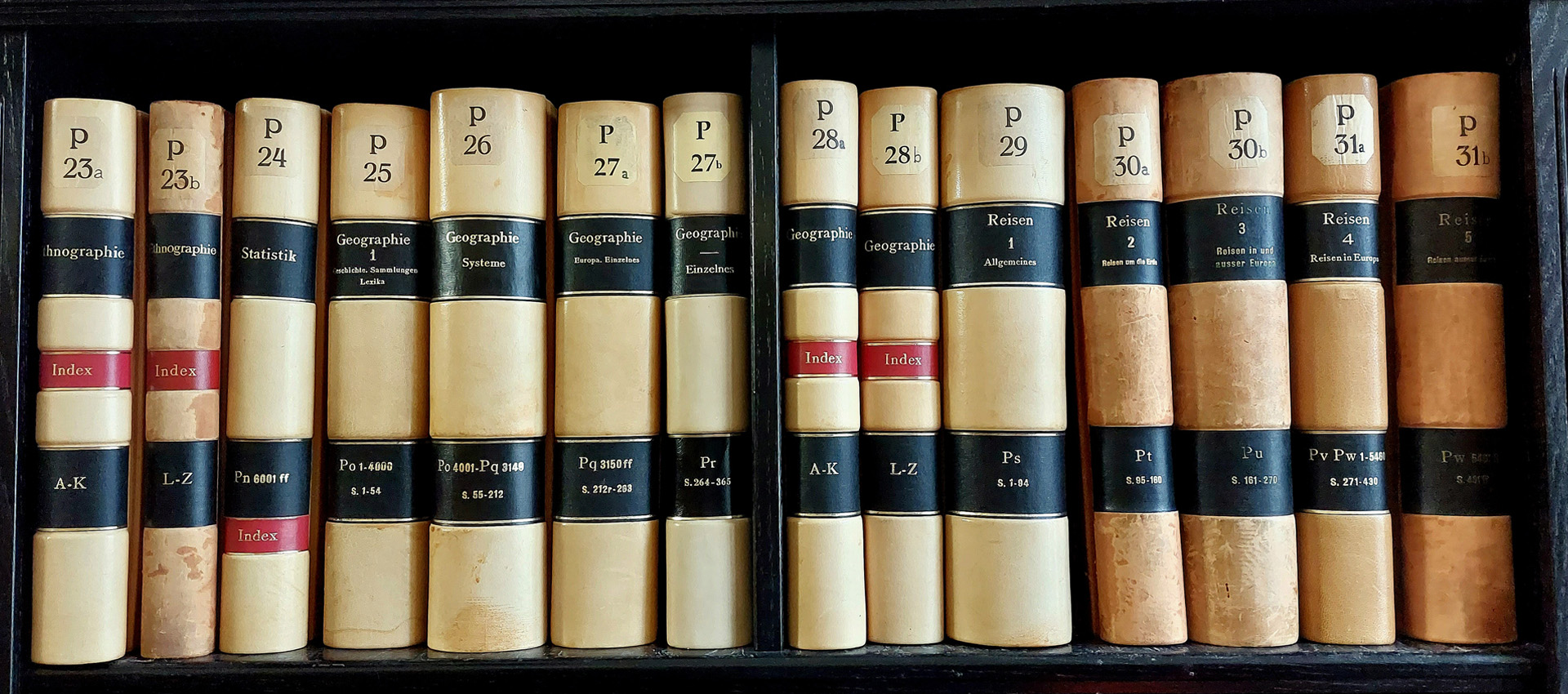
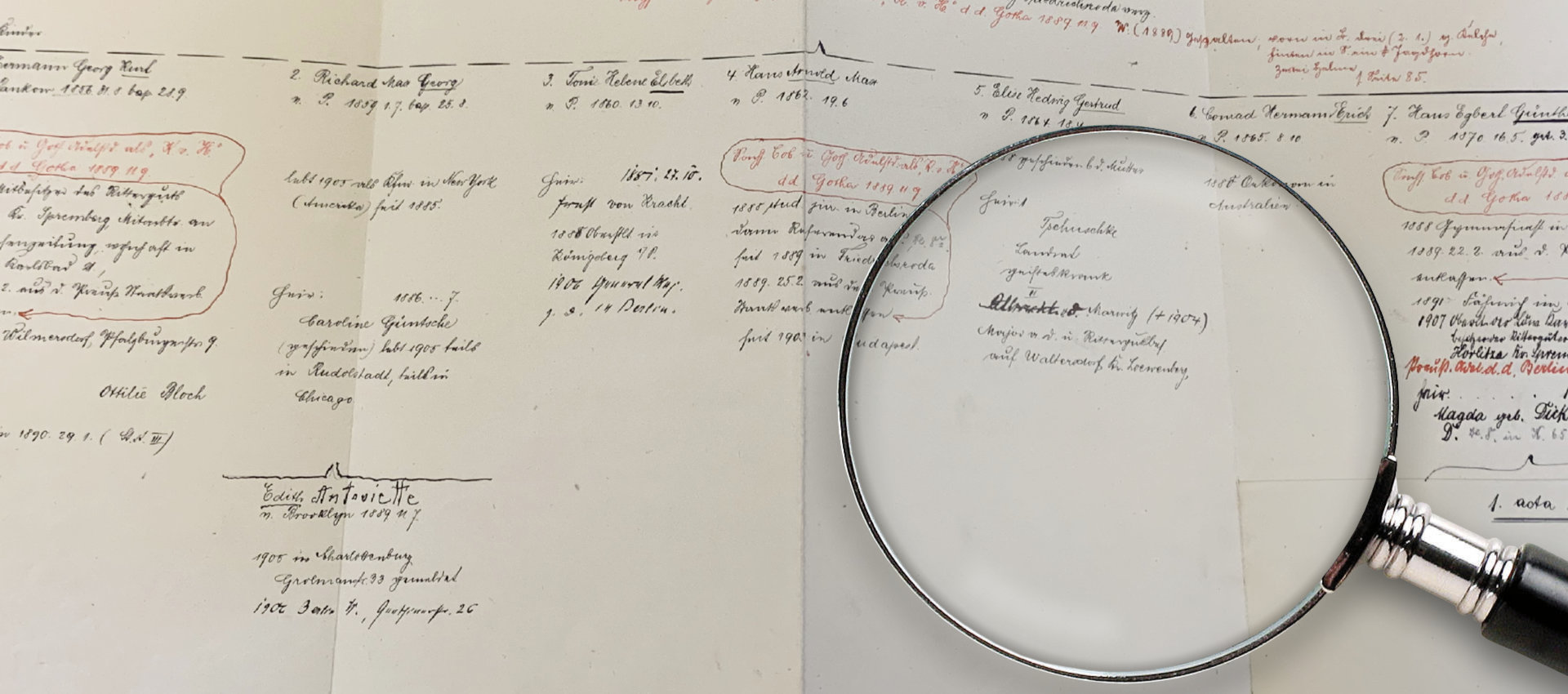
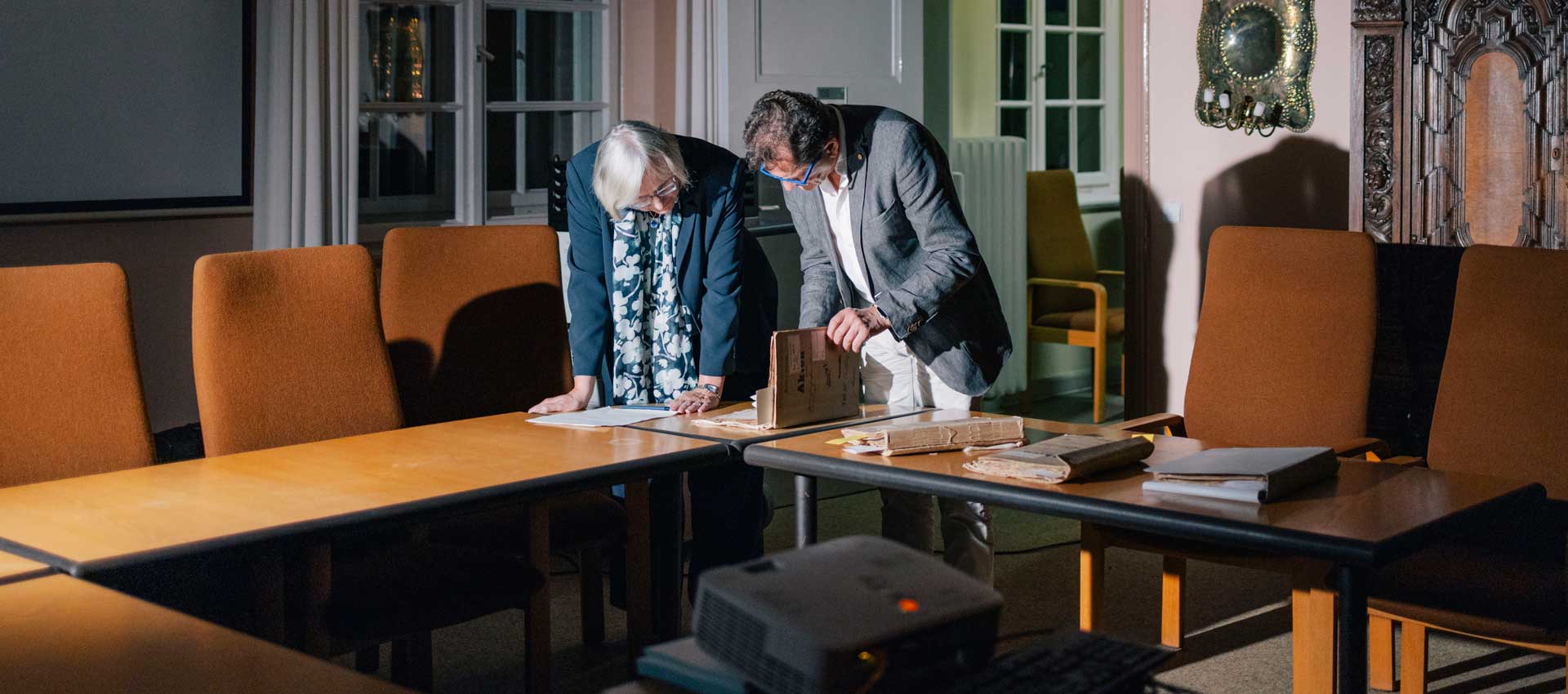
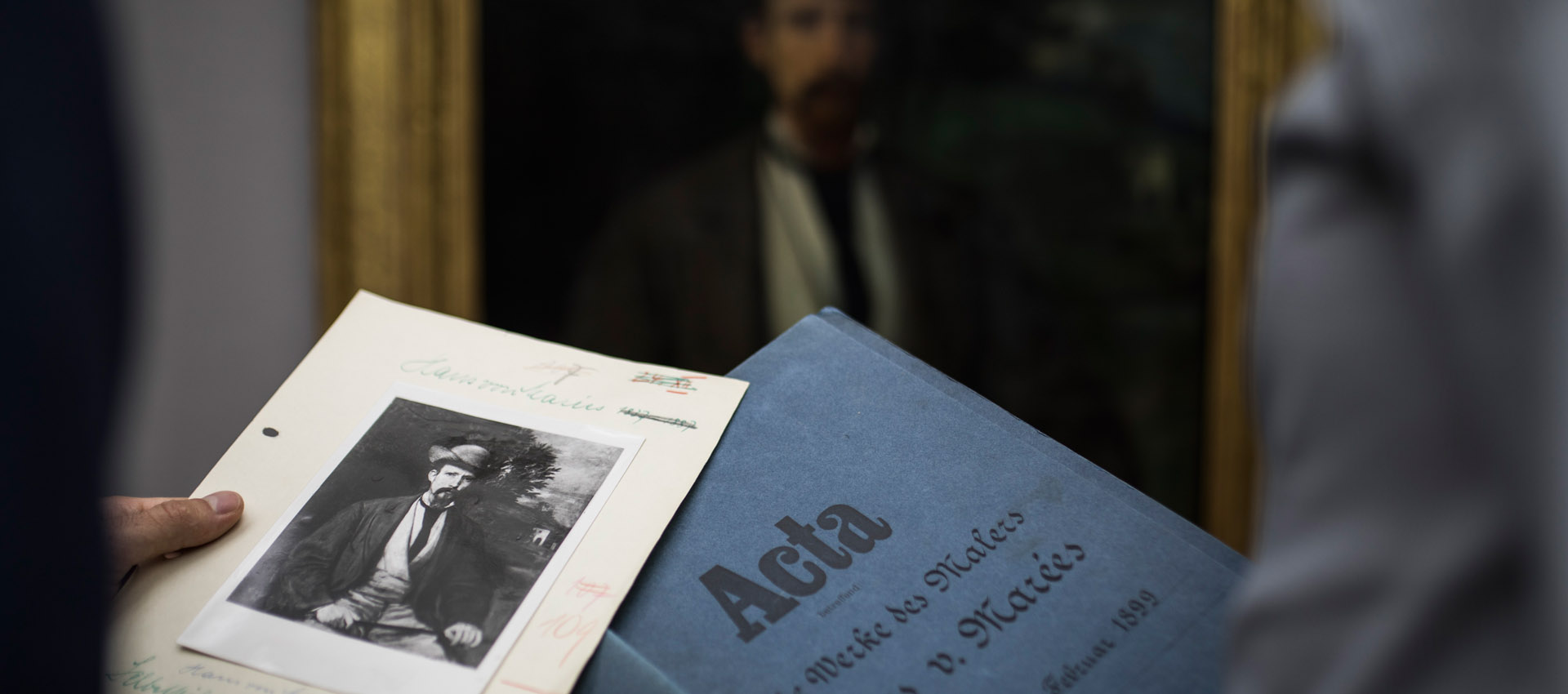
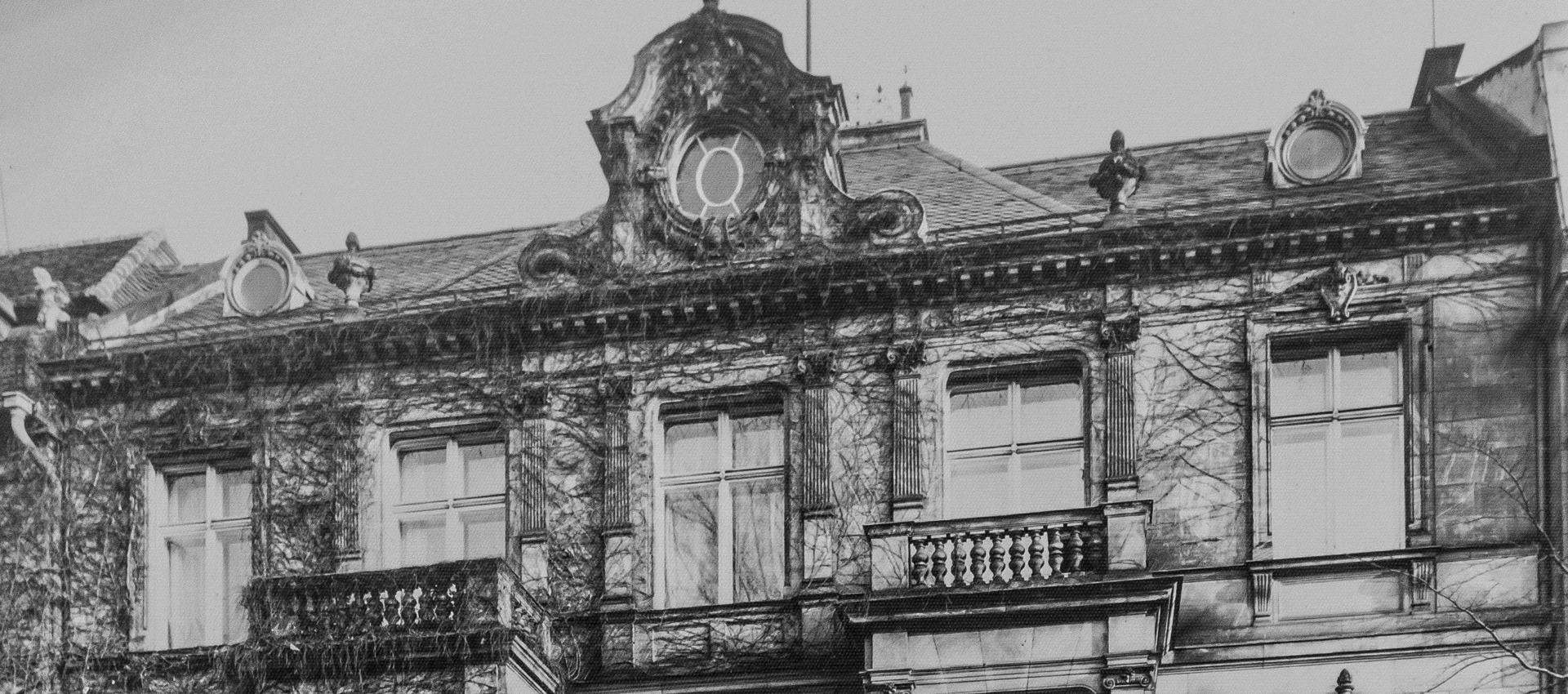
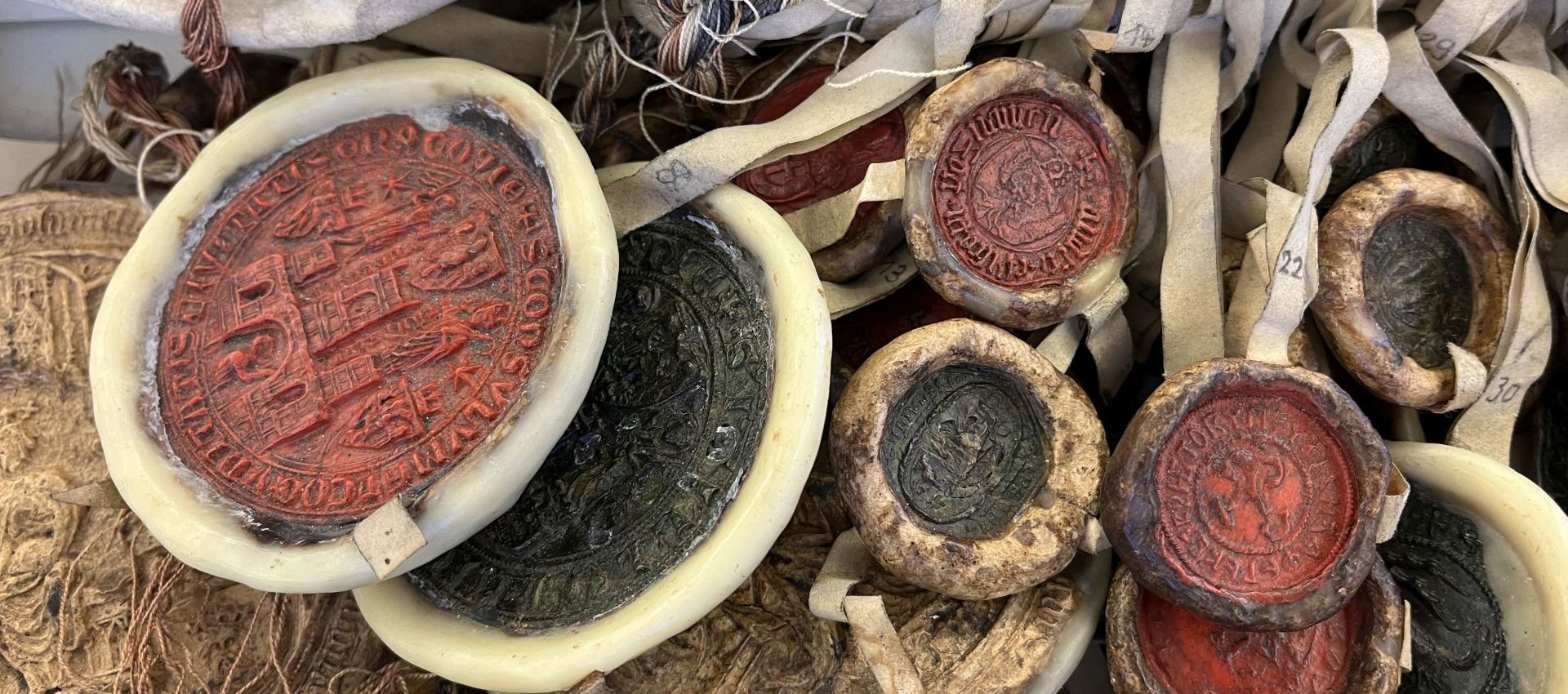
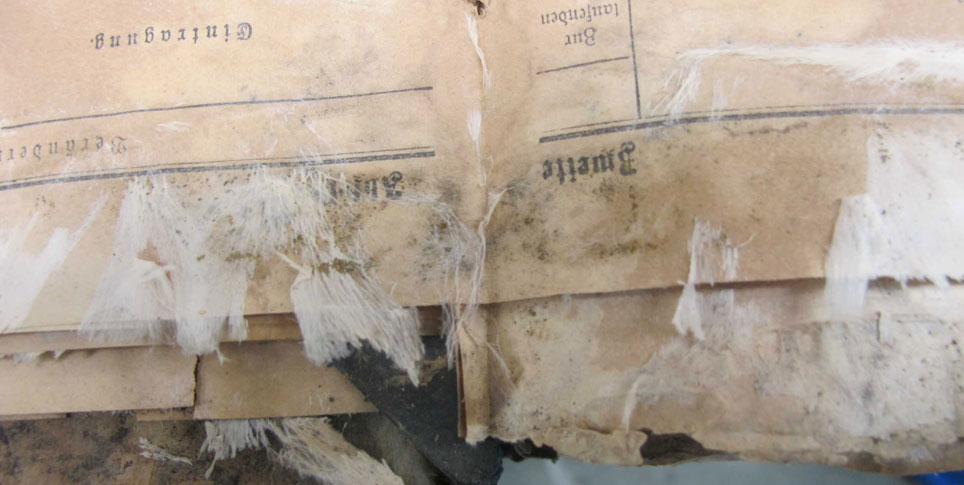
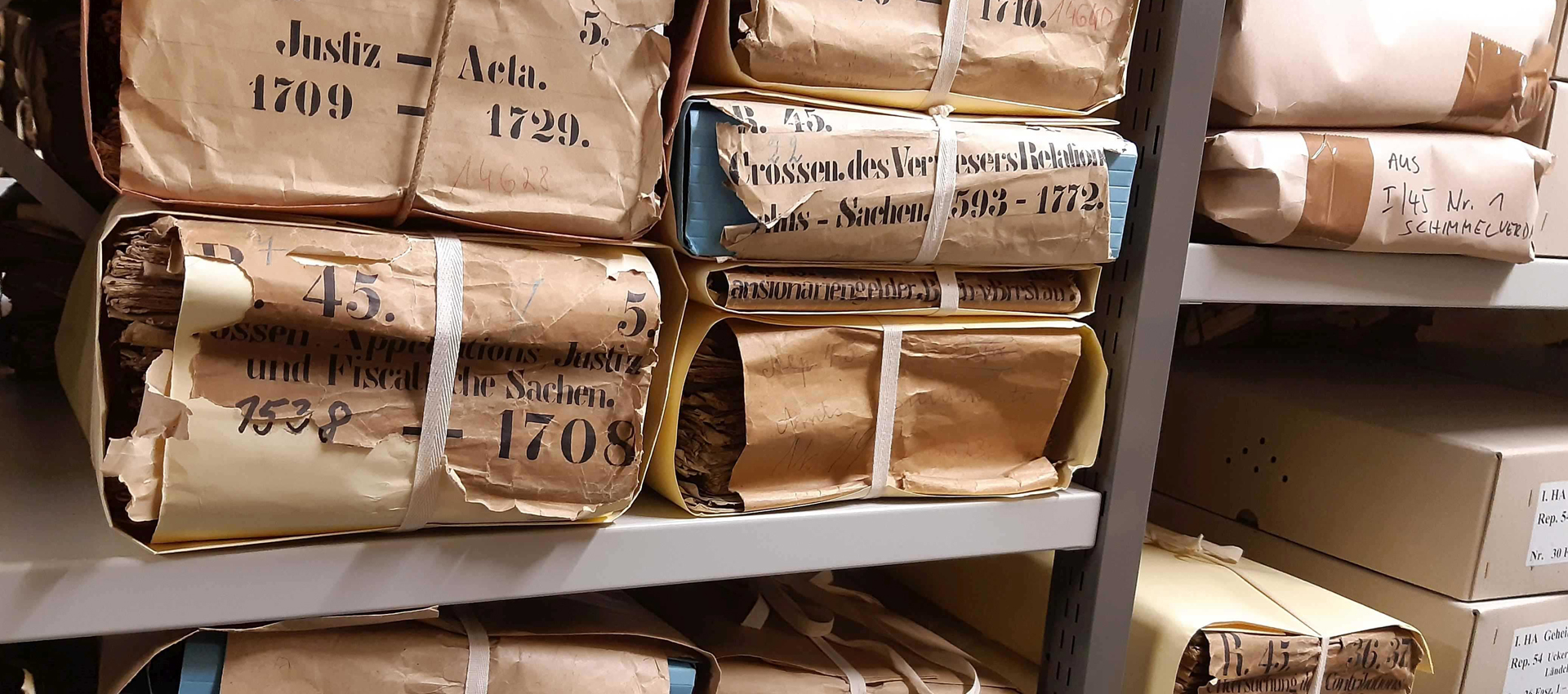
The history of this institution can be researched using the surviving documents, most of which are now held at the GStA PK. During the Second World War, archive holdings from the Secret State Archive and documents from the State Bank’s registry were removed from the premises. After 1945, these files came under the jurisdiction of the Central State Archive of the GDR or were transferred to the Polish State Archive at the mouth of the Oder. Registry documents that had not been moved to safety were recovered from the State Bank building and stored in Dahlem.
With reunification, the two collections from East and West were reunited. Normally, archival records are organised according to the official filing plan. However, as this is not possible in the case of the Seehandlung/State Bank, the classification is based on its fields of activity and areas of responsibility.
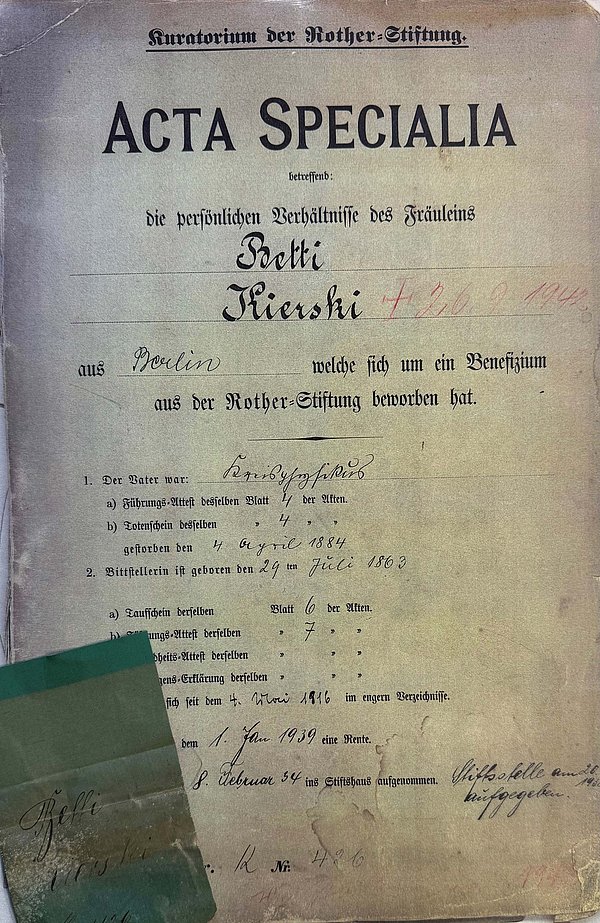
This arrangement not only allows us to trace how the institution operated in the economic and financial sectors, but also makes its social commitment tangible. The Seehandlung paid higher wages to its workers than the private sector and, long before Bismarck’s social legislation, provided support in the event of illness and care for workers’ children. Rother’s commitment led to the establishment of an orphanage and the provision of support for widows and daughters of civil servants and officers, who were able to find accommodation in the so-called Rotherstift, as well as a loan office for Berliners in need. The Seehandlung also funded basic research for industry and granted loans to scientists and researchers (Hannesen, 2023).
From Institution to Foundation
The Preußische Seehandlung Foundation, established in 1983, is committed to this tradition, funding cultural and academic initiatives in Berlin and with a connection to Berlin through project grants and scholarship programmes. In addition, artists in the fields of theatre, literature and the visual arts are honoured with highly endowed prizes. The foundation’s best-known awards are the Berlin Literature Prize and the Berlin Theatre Prize.
However, the foundation also considers it its duty to come to terms with its own history. Whilst there is no shortage of older accounts, commemorative publications and festschriften marking the 150th and 160th anniversaries, these do not meet modern academic standards. Academic research focuses primarily on the early 19th century, when the Seehandlung’s ships were sailing the world’s oceans.
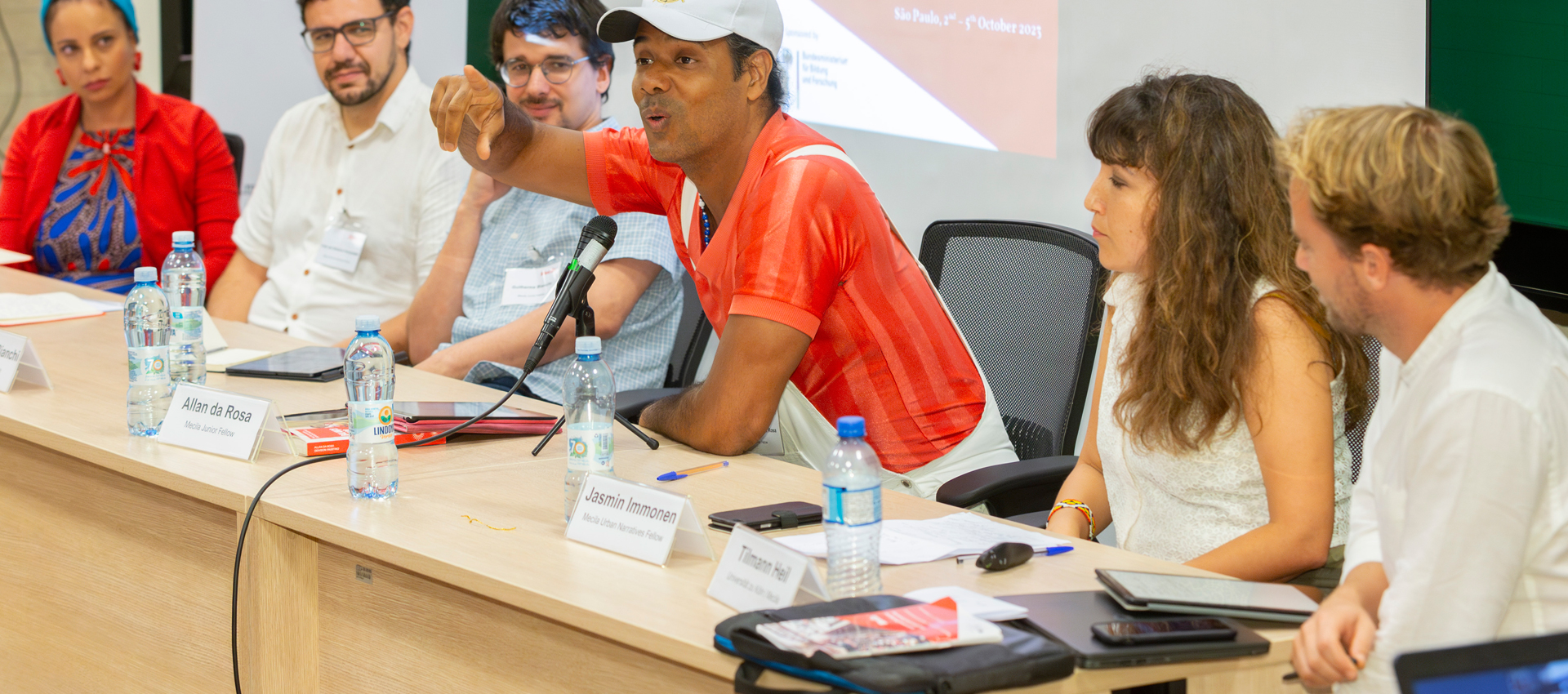
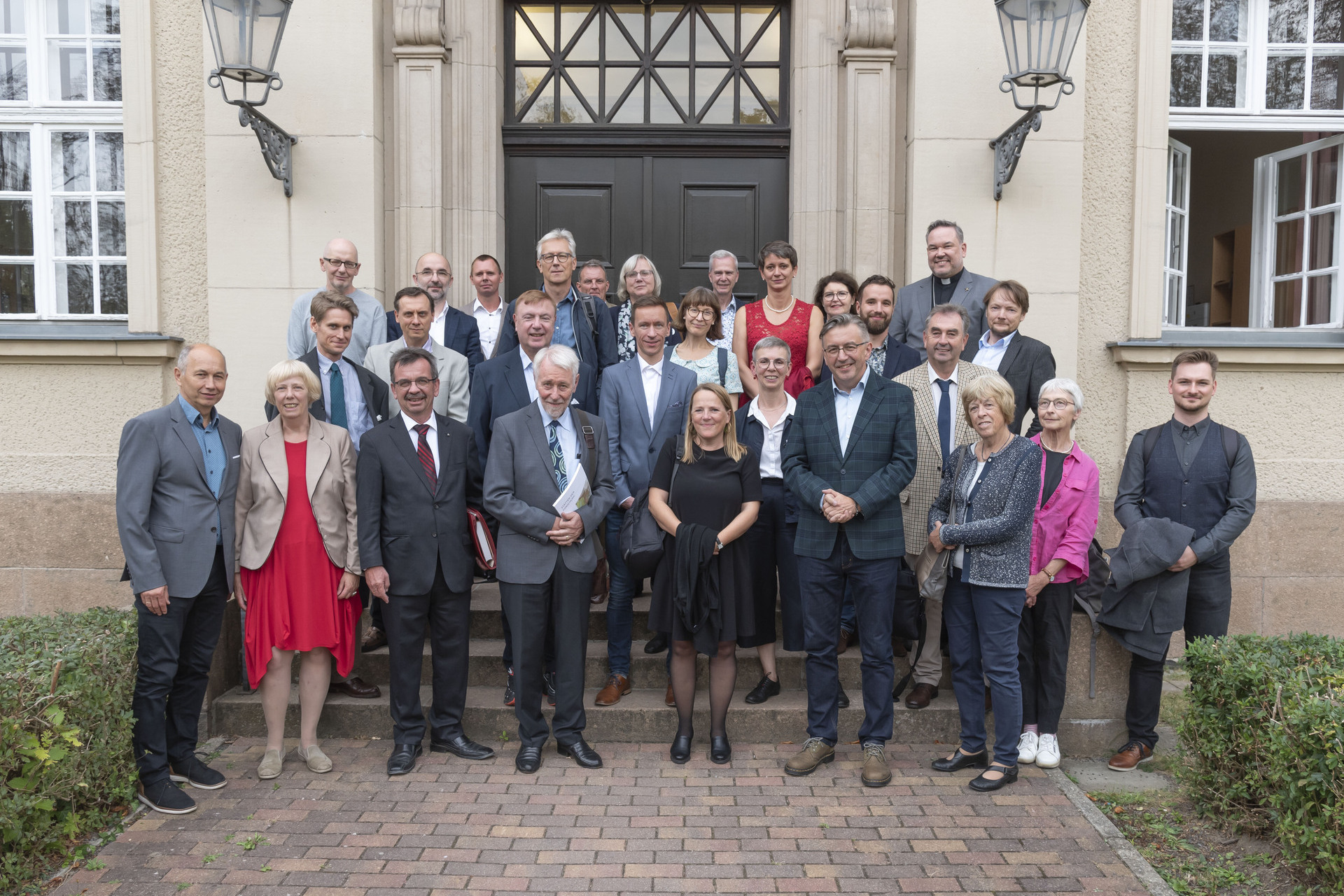
Several events were therefore held to mark the Foundation’s anniversary, including commemorative lectures (2023) and the workshop ‘Desiderata of Research’ (2024). Modern research emphasises the role of the Seehandlung in the internal colonisation of the Prussian provinces acquired in the 18th and 19th centuries.
The collaboration between the Seehandlung and the Prussian consuls has been just as little studied (Töppel, 2022) as has its role in the colonisation of foreign territories during the German Empire, its interconnections within the Berlin banking centre, or its significance as a lender and credit intermediary for Prussia and other states, as well as for industry—which benefited from investments and loans just as much as the rural areas in the eastern regions of Prussia, which flourished through the financing of settlement societies.
Neither has the role of the State Bank in reparations payments after 1918 been researched, nor the continuity of personnel up to the Nazi era (Hannesen, 2023; Bähr, 2023). As the SPK is dedicated to the restitution and return of looted property, the trade in confiscated assets and the liquidation phase should also be examined. It remains the task of the historical sciences to conduct an appropriate analysis of archival material, taking into account both past and present contexts.