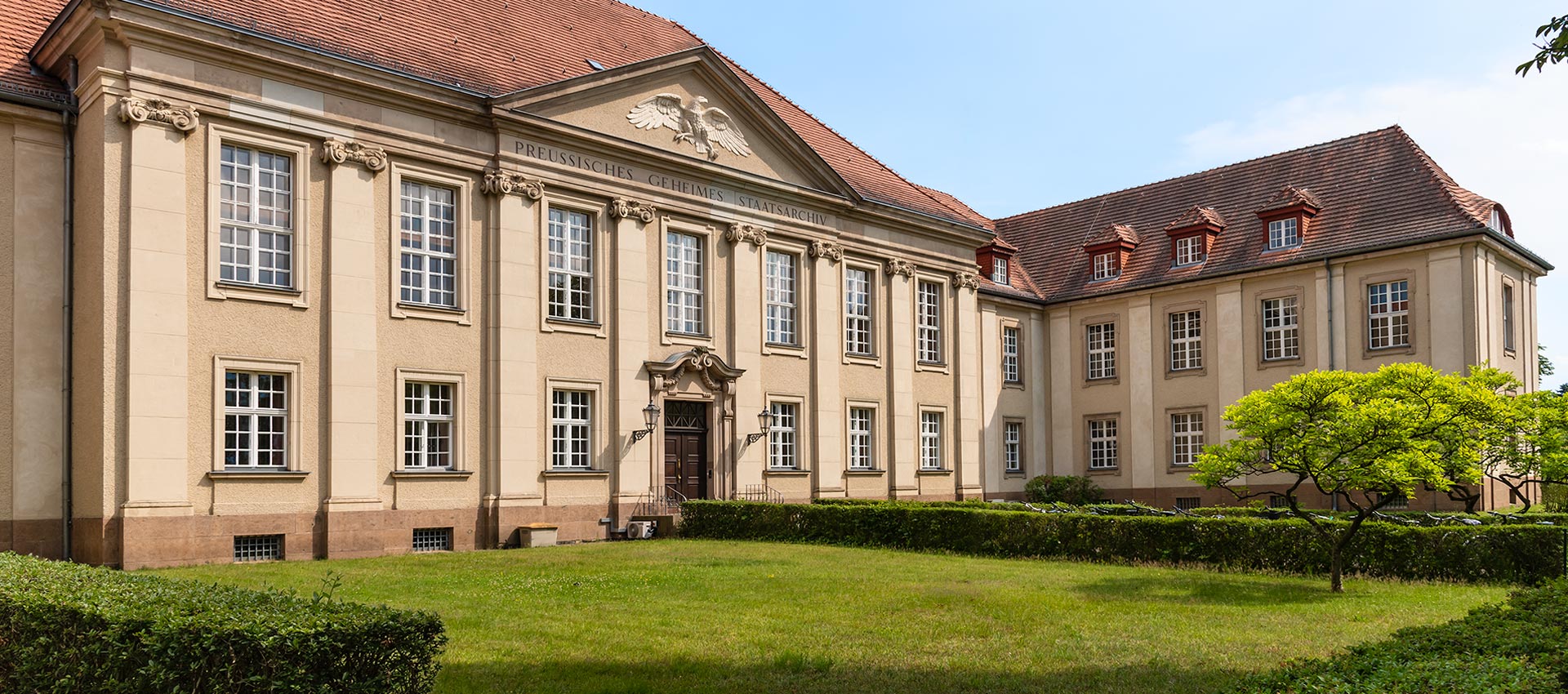
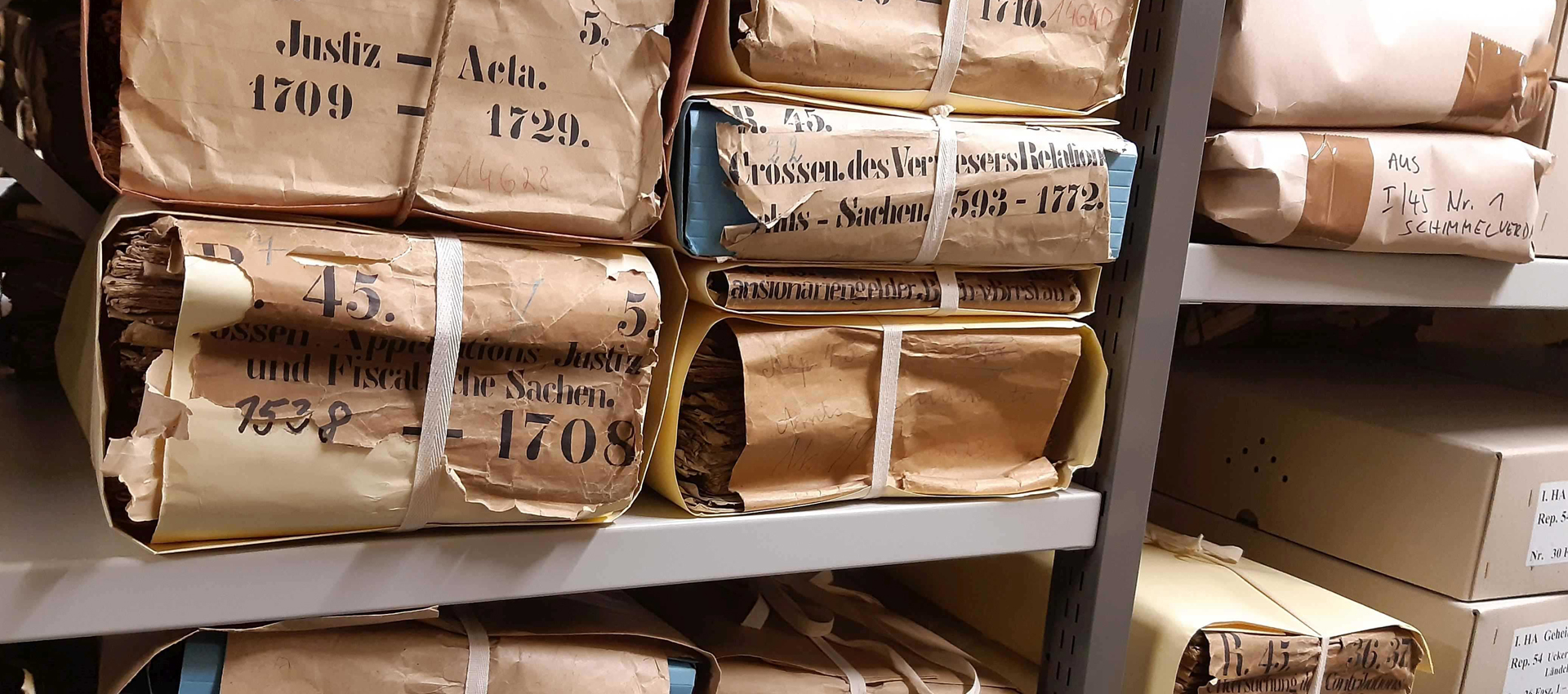
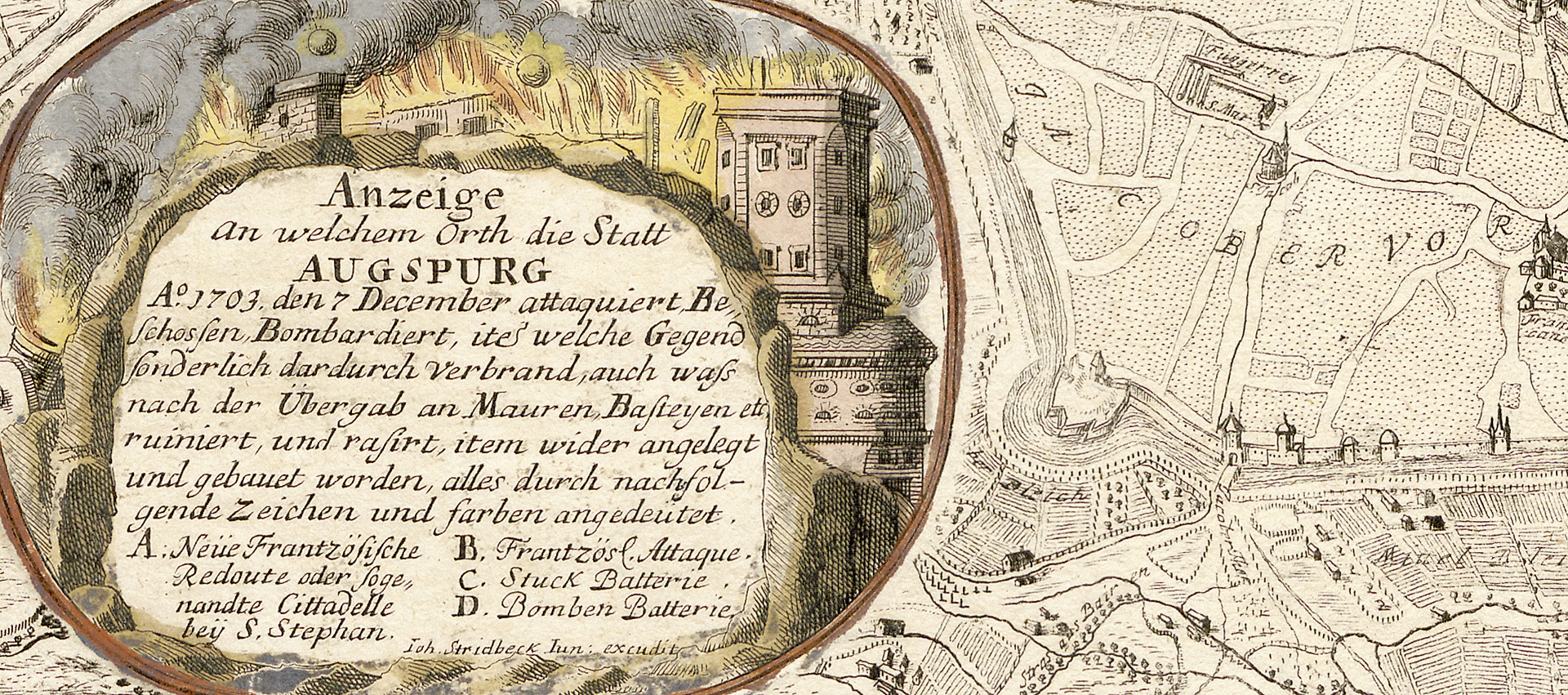
Did autographs from the collection of David Salomon, an antiquarian murdered in Auschwitz in 1943, enter the Adam Collection lawfully? A provenance research project is investigating whether there is any Nazi-looted property in the Gedächtnis Preußen collection
Stumbling across the name Salomon
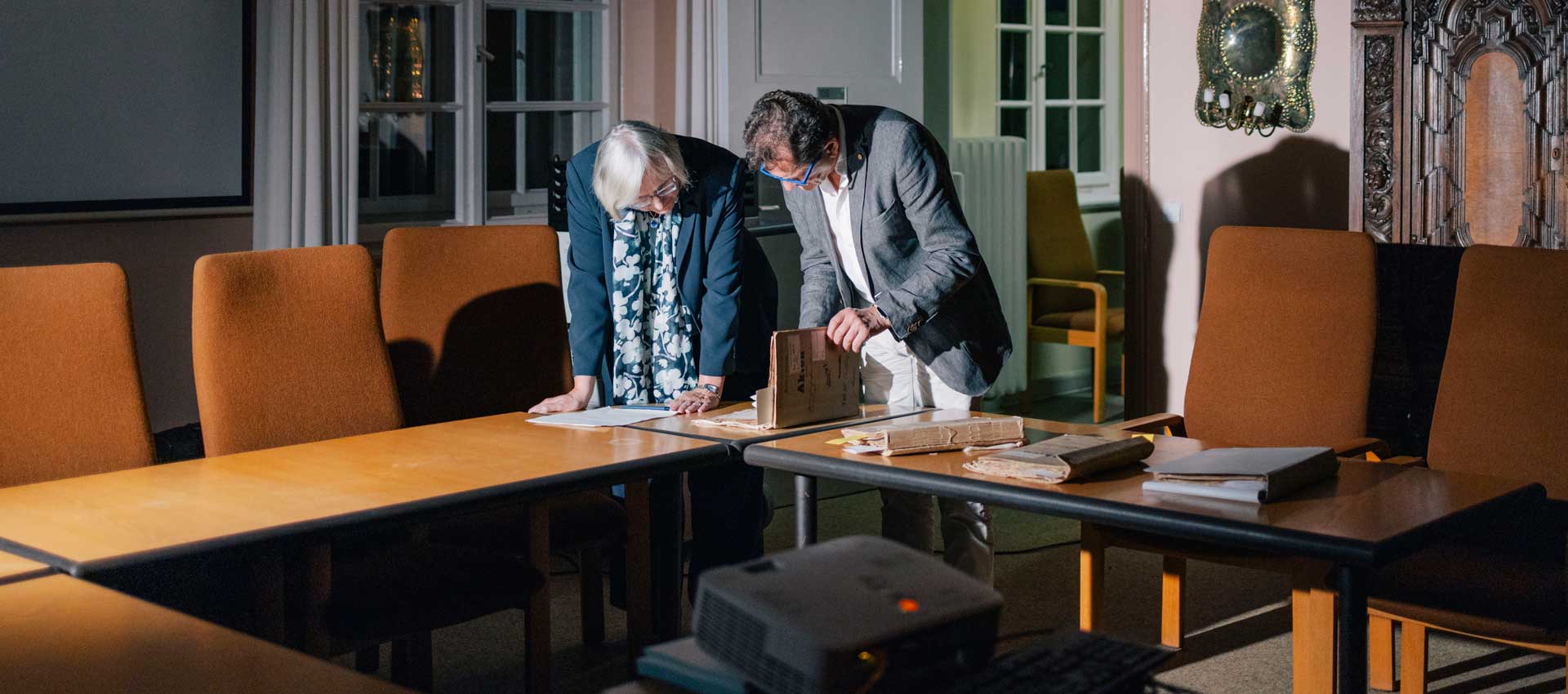
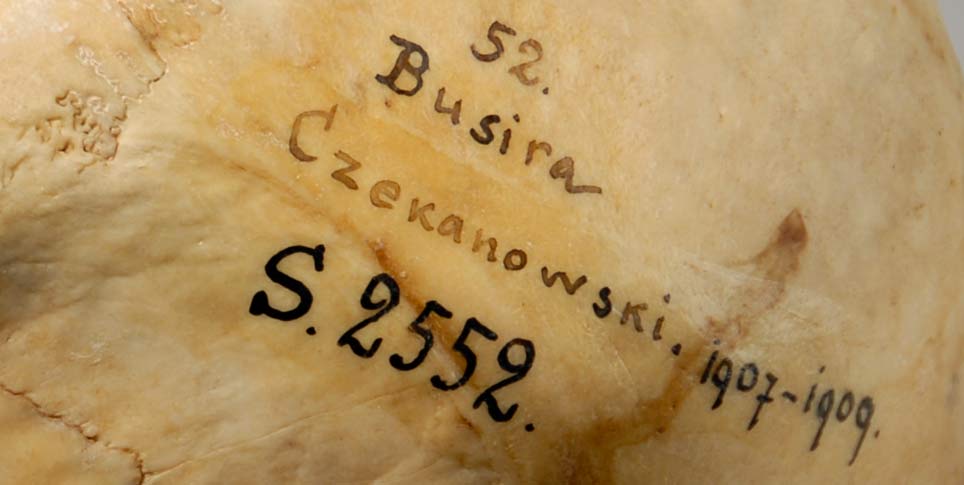
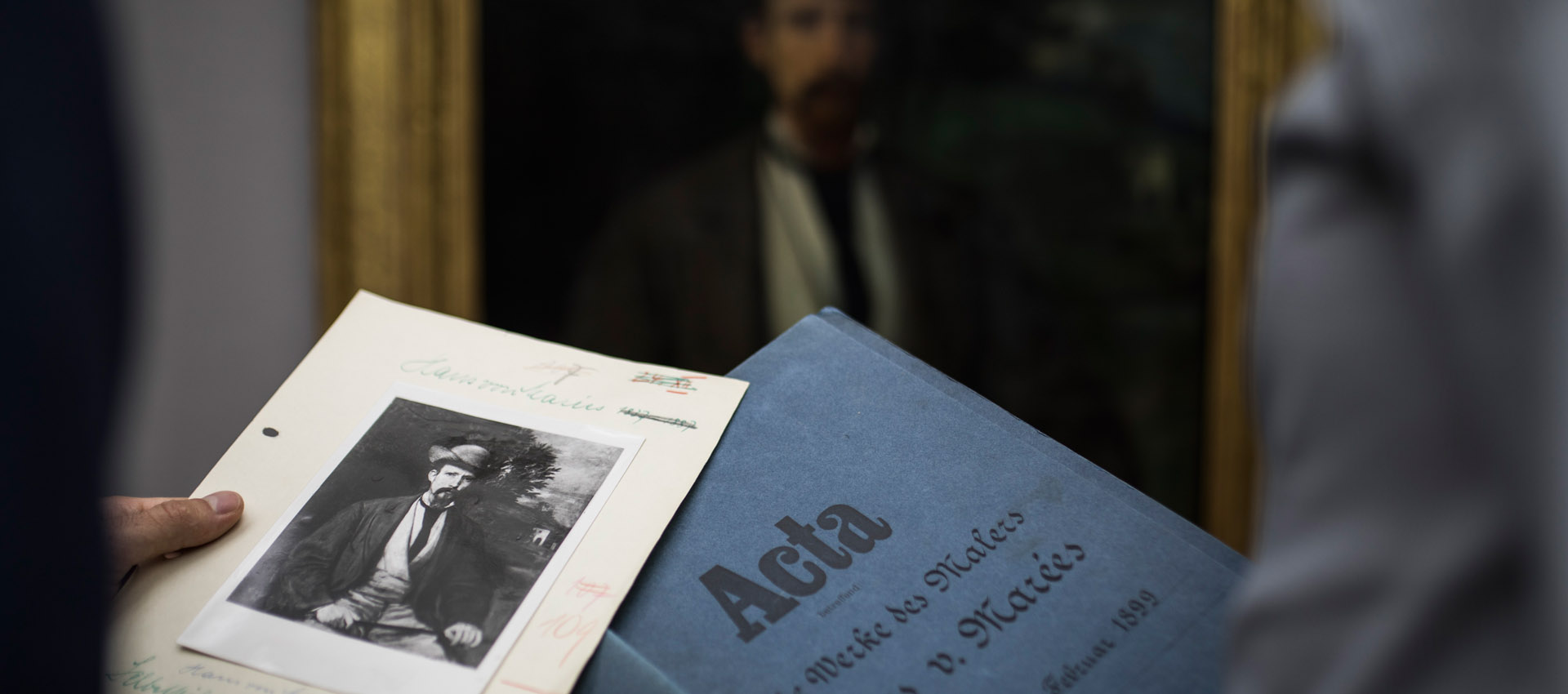
Five years ago, whilst researching the ‘Adam Collection’ (1), an employee of the State Secret Archives noticed the note ‘acquired from the Salomon Collection’. The name ‘Salomon’, suggesting a possible Jewish origin, caught the employee’s attention. Did this acquisition note point to so-called Nazi-looted property?
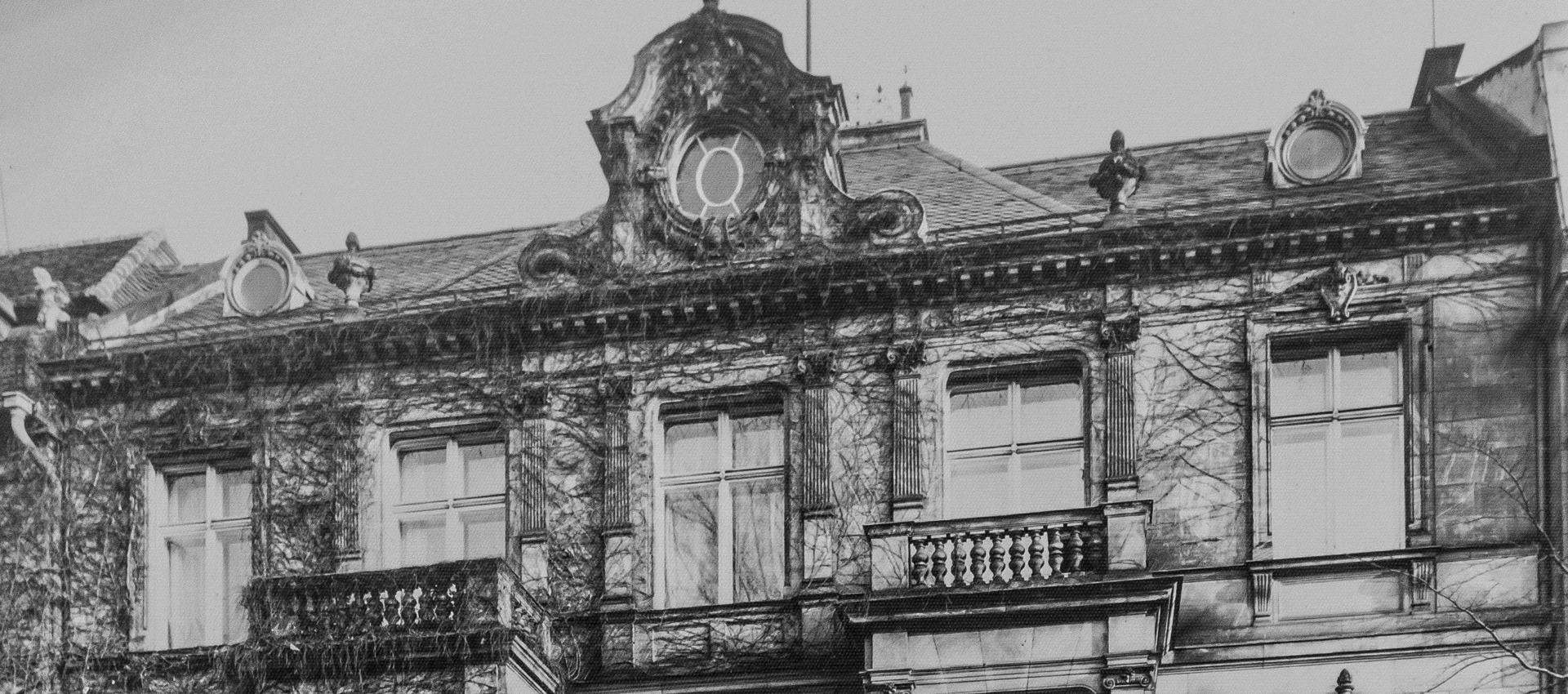
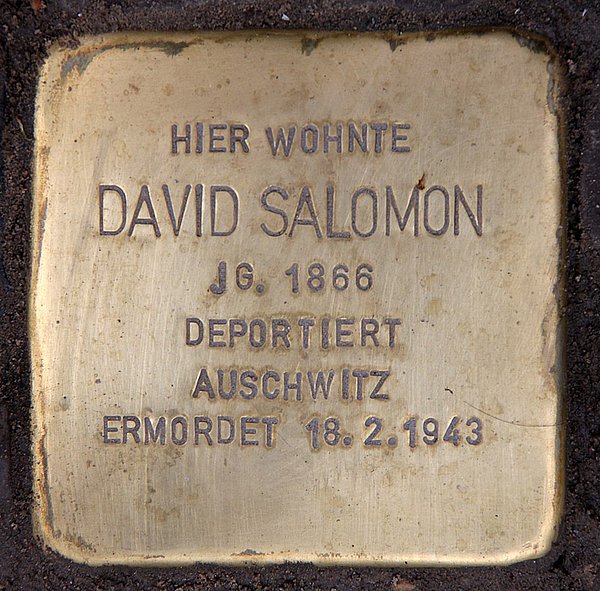
After just a brief investigation, it became clear that this most likely referred to the Berlin antiquarian David Salomon, who was murdered in Auschwitz in 1943. Initial biographical clues were provided by the research of the writer Bernd-Ingo Friedrich (2), who had campaigned for the installation of a Stolperstein at Salomon’s home at Westfälische Straße 63 in Berlin-Charlottenburg.
This provided sufficient initial grounds to apply for a provenance research project concerning the ‘Adam Collection’, held in the Secret State Archives, in accordance with the Washington Declaration of 1998. In this declaration, the Federal Republic of Germany undertook to identify cultural property confiscated as a result of Nazi persecution and to find a “just and fair solution” with the rightful owners.
The Adam Autograph Collection
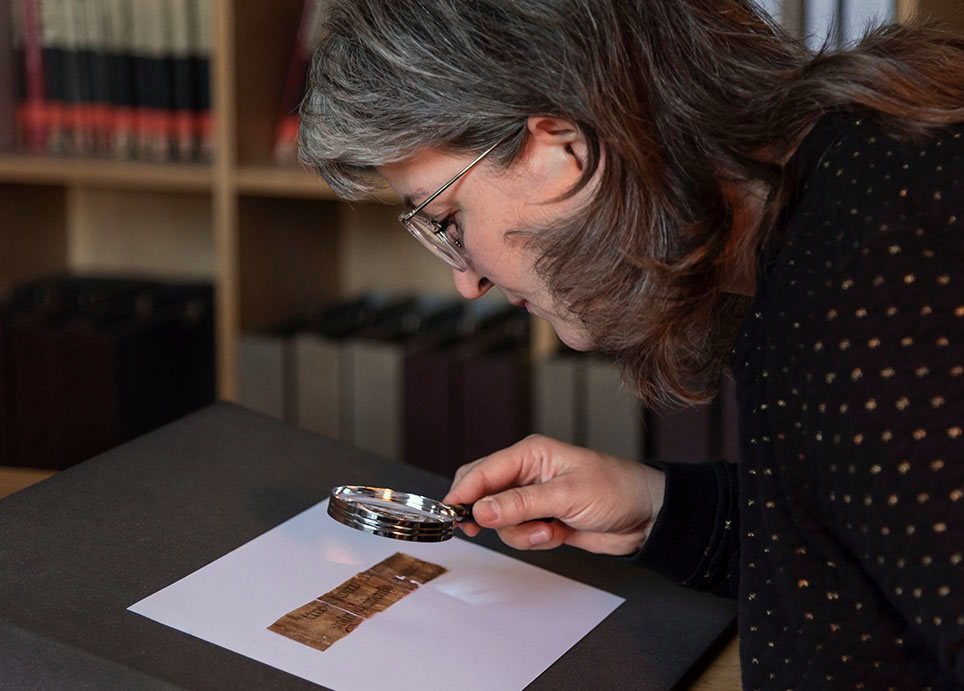
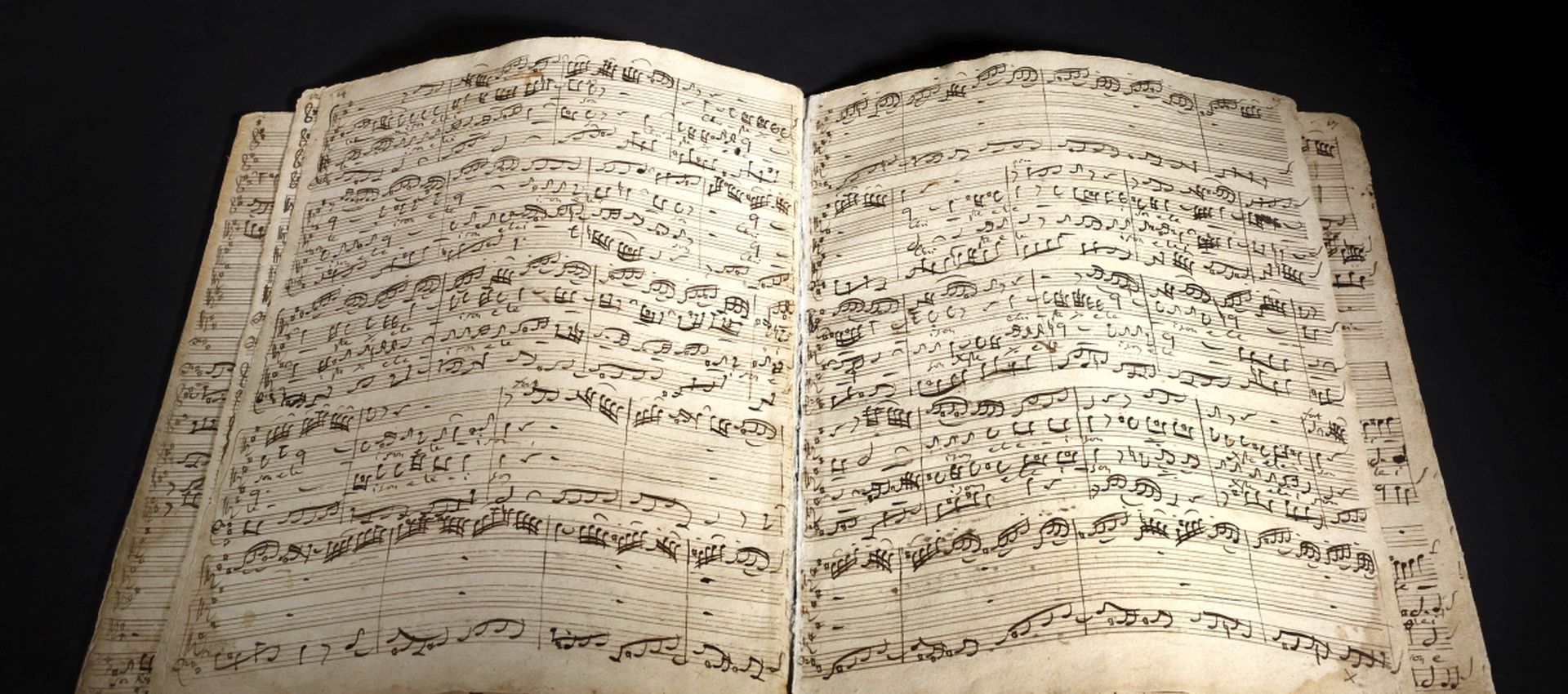
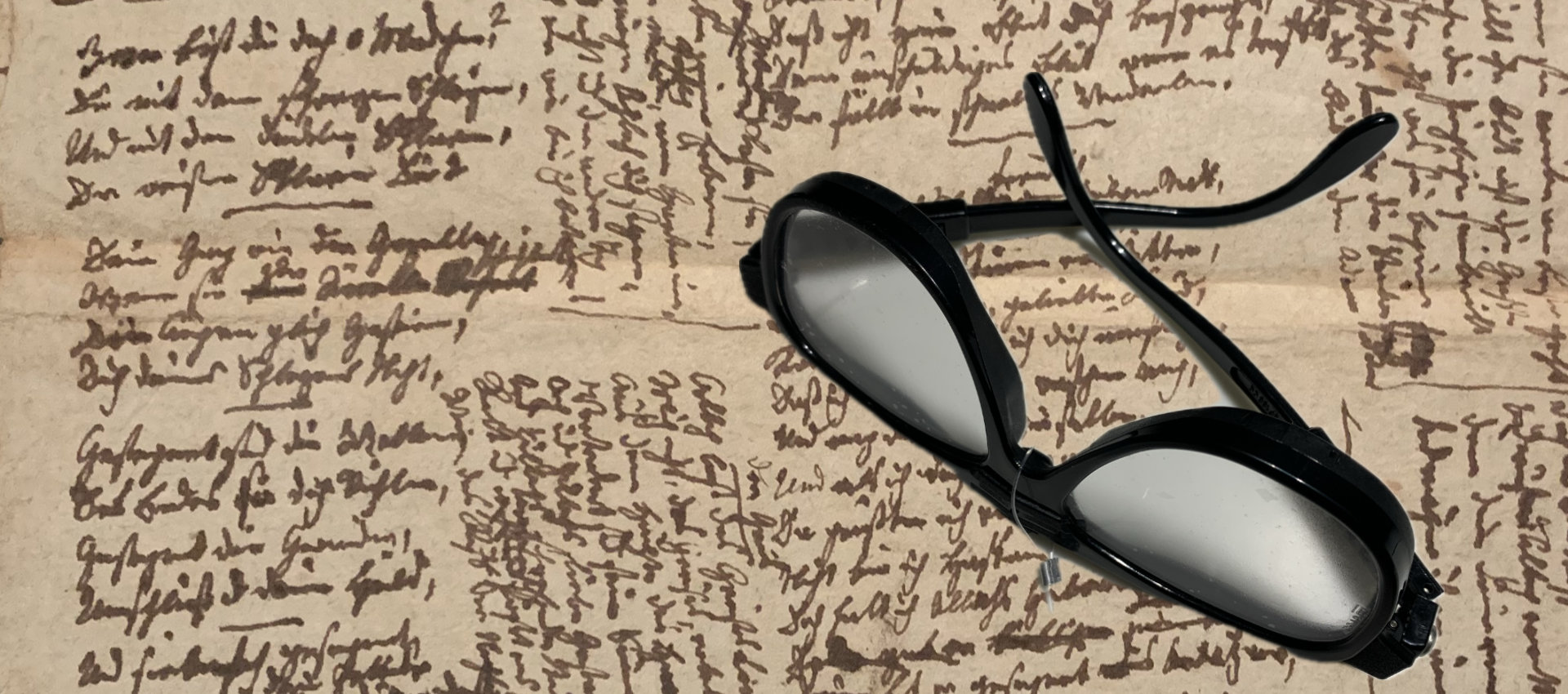
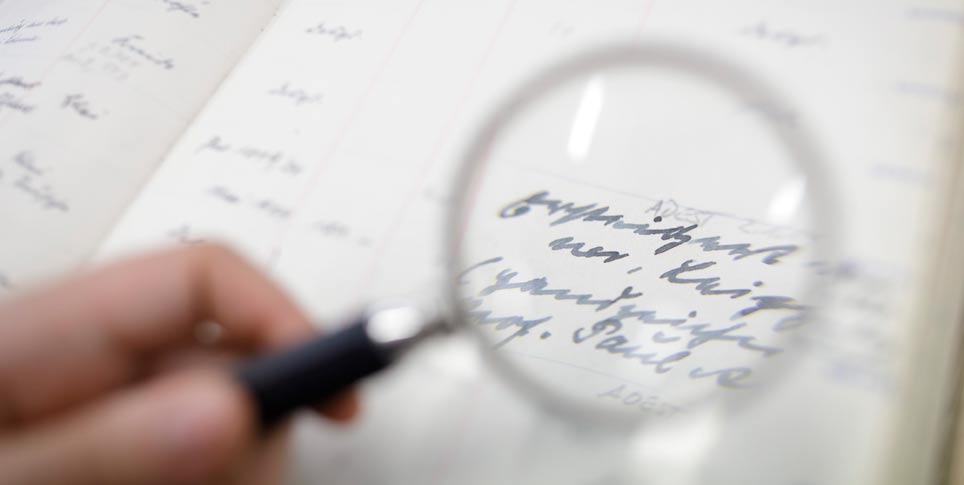
The ‘Adam Collection’ comprises approximately 6,000 individual items spanning the 12th to the 20th centuries. In an autograph collection, the focus is on the handwriting of well-known figures, whilst the content and historical context of a document are initially of secondary importance to many collectors.
The collection was built up by the Berlin merchant Herbert Adam (1903–1979) from the late 1930s onwards. Even during his lifetime, the Prussian Cultural Heritage Foundation sought to acquire the collection and thus make it permanently accessible to the public. Negotiations were finally concluded a few months after Herbert Adam’s death. Thanks to financial support from the Lotto Foundation, over 11,000 autographs were transferred to the ownership of the Prussian Cultural Heritage Foundation.
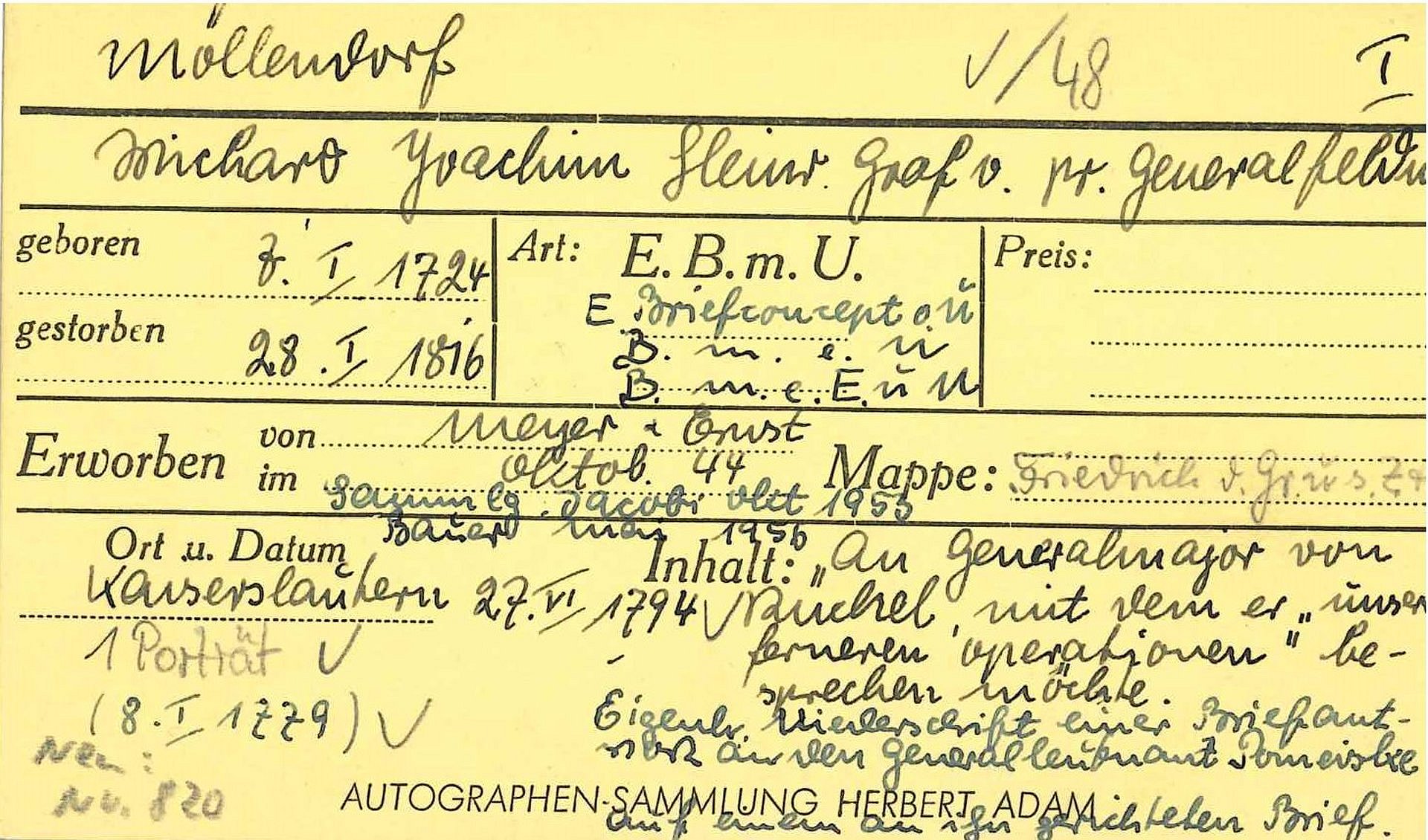
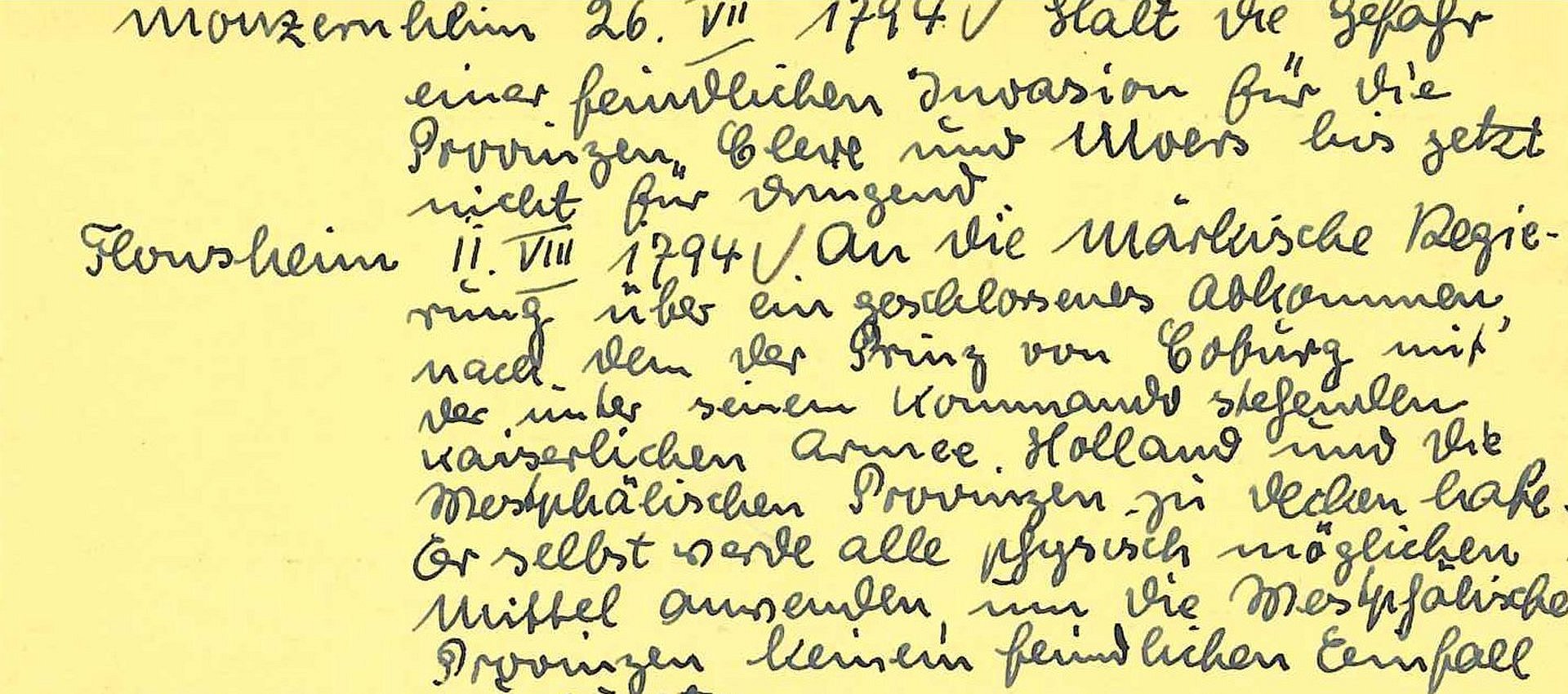
Since then, the literary, artistic and scholarly autographs have been held at the State Library, whilst the political and historical autographs are kept at the Secret State Archives. The basis for the archival cataloguing of the collection in the Secret State Archives was a card catalogue compiled by Herbert Adam. For each person, Adam had created an index card on which the relevant autographs were recorded with a brief description, the date of acquisition and the source. In terms of content, the political and historical autographs were organised into 65 sub-groups according to thematic, geographical, chronological and formal criteria. This classification was also retained in the archive database. However, for reasons of preservation, the original storage of the autographs in slipcases was replaced by acid-free archival packaging.
The start of provenance research
It was a stroke of luck for the start of the provenance research that Herbert Adam had documented the date of acquisition and his source. However, the retro-converted catalogue data (i.e. the catalogue data transferred from the analogue index cards to a digital database) were not immediately usable for provenance research.
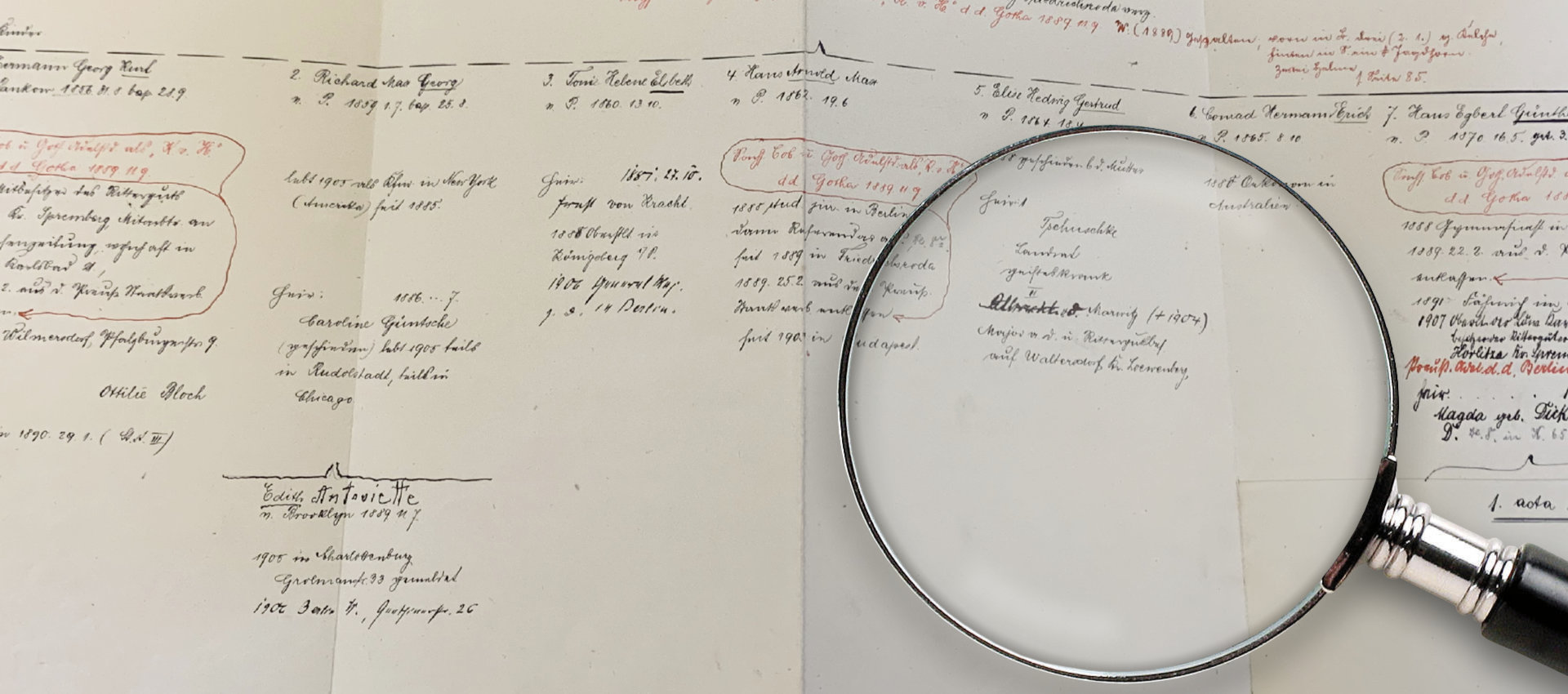
On the index cards, the order and the writing materials used generally make it easy to see which acquisition note belongs to which document. In the archive database, however, this assignment can no longer be determined with certainty. This is because the documents were in some cases arranged chronologically by their date of creation for greater usability, or because several catalogue entries were merged digitally. As a result, it is often no longer possible to identify in the archive database what the information in the ‘Previous owner’ database field refers to.
Consequently, the first step was to process the existing catalogue data in an Excel spreadsheet in such a way that clear information about the acquisition processes would be available for further research. To this end, the data from the ‘Previous Ownership’ field was separated and standardised (i.e. the spelling was unified). Naturally, this process was not carried out manually for over 5,000 catalogue entries, but was automated as far as possible using Excel functions. At the end of the data preparation, just under 180 entries naming previous owners were identified. Of these, 40 names have already been identified – including antiquarian bookshops, auction houses and private collectors. The data analysis also revealed that in 688 cases, Adam had specified an auction as the method of acquisition. This results in at least 124 individual auction dates. This is particularly helpful for provenance research. This is because, on the one hand, auction catalogues can be used to verify this information, and on the other hand, they contain the codes of the consignors. In the best-case scenario, the individuals behind these codes can be identified, provided that archival sources have been preserved and are accessible.
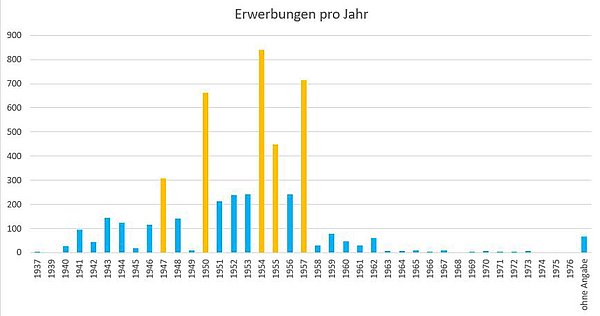
The acquisition details compiled by Adam are now being checked – where names have already been identified – to obtain further information. This is because the acquisition recorded by Adam is only one part of the provenance chain that needs to be established. Ideally, this chain extends from the document’s creation to its acquisition by the Stiftung Preußischer Kulturbesitz. However, within the scope of the current project, the focus is on providing complete documentation of the owners and changes of ownership for the period from 1933 to 1945. Only then can a final assessment be made as to whether the acquisition was lawful or unlawful.
Research findings on the Salomon Collection
David Salomon was born in 1866 in Nakel, in what is now Poland, to Jewish parents. His career took him to Berlin. Here he initially worked for many years as a soap manufacturer and later as managing director of a company offering telephone disinfection services. In 1912, he decided to leave the Jewish Community of Berlin.
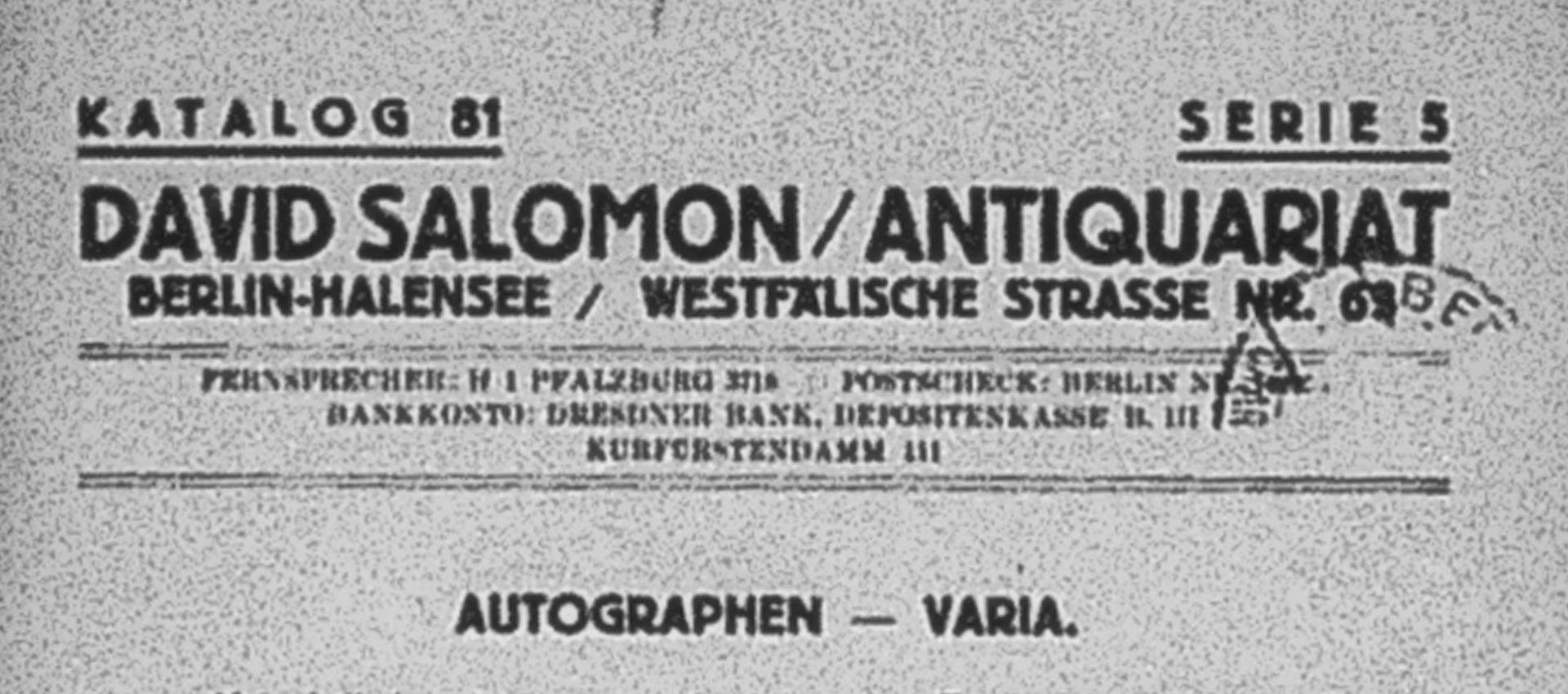
He likely became involved in the autograph trade through his son, Gerhard Salomon (later: Hans Roger Madol). In the early 1920s, Gerhard ran an antiquarian bookshop on Savignyplatz for a short time. His father, David Salomon, assisted him in managing the shop. This seems to have prompted David Salomon, at the age of around 60, to enter the antiquarian book trade himself. From then on, he had catalogues printed regularly, which he sent out to interested collectors. His ‘private archive’, as he described his stock in a catalogue, was indeed very extensive. However, his profits do not appear to have exceeded the limits of a small-scale business. Otherwise, Salomon would have had to register his antiquarian bookshop in the commercial register, which did not happen. Consequently, it is also unclear when Salomon ceased his business activities or was forced to cease them due to the repression of the Nazi regime. Clues to this are provided by his catalogues, which appeared between approximately 1923 and 1935, as well as the Berlin address book, in which the D. Salomon Antiquarian Bookshop is listed for the last time in the 1939 edition.
Herbert Adam noted on his index cards that he had acquired a few items from the ‘Salomon Collection’ in 1937. In 1937, David Salomon offered several autographs at an auction held by the autograph dealer Stargardt. However, the items acquired by Adam have not yet been identified in any auction. It is therefore possible that Adam acquired the items directly from David Salomon.
However, Adam did not acquire over 600 autographs until 1957. What happened to the Salomon Collection after David Salomon was forced to cease his autograph dealing – at least officially – in the late 1930s remains unclear. Was Salomon able to sell off his collection privately and unnoticed in the 1940s to make ends meet, until he was arrested in 1943 and deported to Auschwitz? Did the collection remain in the possession of his non-Jewish wife, Martha Salomon, so that Adam acquired part of it from her in 1957? Or did their son, Hans Roger Madol, who was also an antiquarian, take over the collection, and did it enter the autograph trade from his estate following his death in London in 1956?
Finding evidence to determine which of these possible paths the Salomon Collection actually took, and in whose possession it was at what point in time, is one of the objectives of the ongoing provenance research project on the Adam Collection at the State Secret Archives.
Sources
1) GStA I. HA Rep. 94 A, Adam Collection
2) https://www.berlin.de/ba-charlottenburg-wilmersdorf/ueber-den-bezirk/geschichte/stolpersteine/artikel.180019.php
3) https://commons.wikimedia.org/w/index.php?curid=32638799http