The Institute for Museum Research has investigated how people in Germany view a cultural institution undergoing change: Questions for Director Patricia Rahemipour
Museums in Germany enjoy the highest levels of trust. This is the conclusion reached by a study conducted by your institute. Naturally, there is widespread delight at this boost for museums. Never before has trust in these oldest and most enduring institutions been the subject of a study. How did you arrive at your findings?
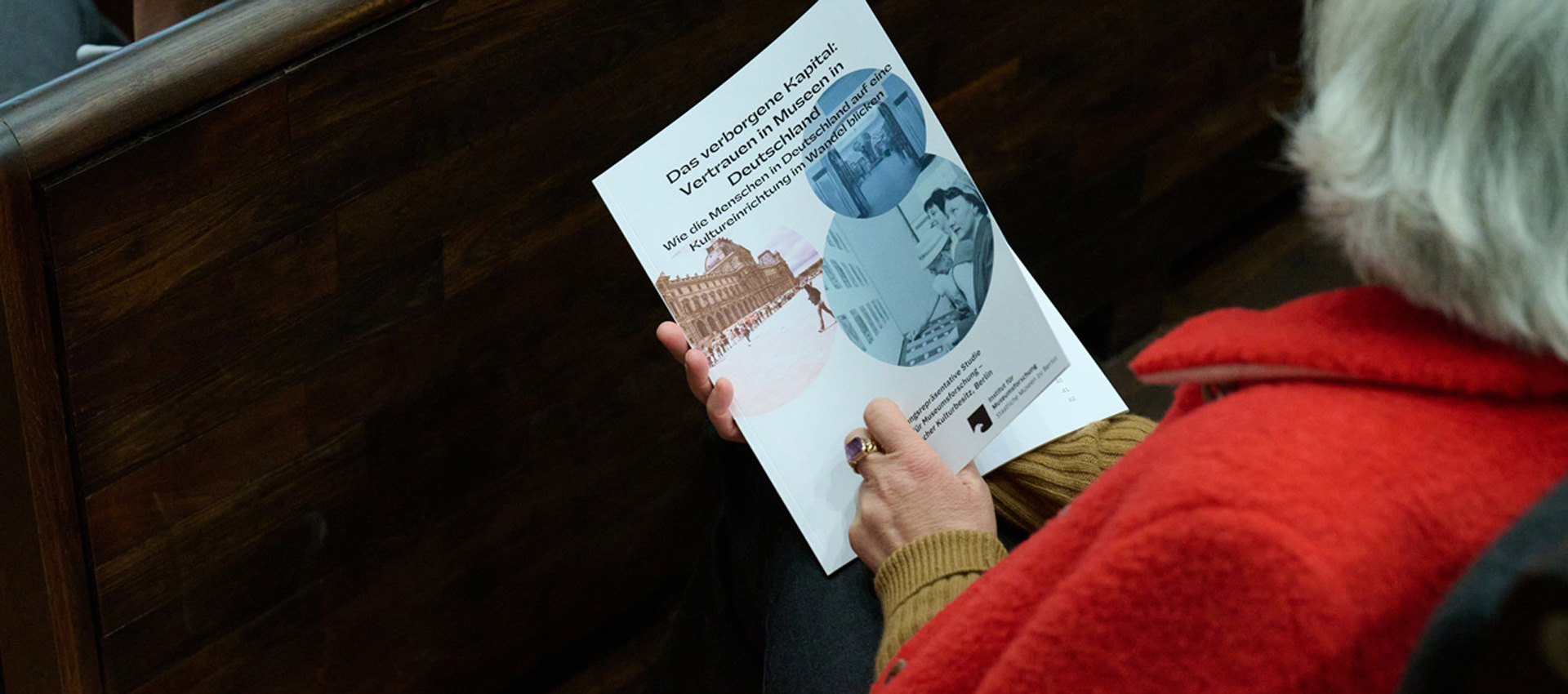
Patricia Rahemipour: The museum as an institution has never before been the subject of a dedicated study on the topic of trust. There are, of course, cross-sectoral analyses, such as the Kulturmonitor and similar initiatives, but these have never been so specifically focused. Internationally, however, the situation is different. Sweden, for example, has been conducting regular surveys on trust in museums since the late 1980s. The model for our study, however, was a 2021 survey by the American Association of Museums in the United States. That prompted us to commission a representative survey of the population. In total, just over 1,000 people aged 16 and over took part in the study, which was carried out in December 2023.
What were the findings in the United States?
Patricia Rahemipour: That’s actually quite interesting. We first became aware of the study here at the institute through a presentation by Colleen Dielenschneider, who highlighted in a lecture the high level of trust that museums enjoy in the United States. There too, museums rank directly after family and friends and ahead of other institutions. Overall, however, the gap between them and other institutions is not as wide as in Germany.
What is meant by the ‘social capital’ referred to in the study?
Patricia Rahemipour: First of all, we perhaps need to define the concept of social capital a little more precisely. Social capital refers to the relationships, networks and social bonds that people have with one another. It encompasses trust, cooperation, support and the exchange of resources within a community or between individuals. It therefore naturally plays an important role within society. Here, the study shows that museums can play a role because trust in them as institutions is very high. In his book *The Great Trust Crisis*, Sascha Lobo made it clear just how serious the loss of trust is. Museums, on the other hand, enjoy this trust and are therefore well-suited, for example, to addressing important social issues and, in turn, generating social capital.
It is interesting to note that museums enjoy significantly more trust than political organisations. To what do you attribute this?
Patricia Rahemipour: To answer this question properly, we would first need to conduct further qualitative research specifically addressing this issue. But of course, I have my own theories. It’s about how the museum organisation is perceived as an institution within society. And here, most people see an institution supported by the public, one that represents great stability, and museums are evidently perceived as neutral. We have, of course, also received feedback from museum professionals who quite rightly point out that museums are not neutral at all and do take a stance on issues. But that is not the point. It is about external perception, and this focuses above all on the fact that museums – even when they take a stance – do not operate with a ‘hidden agenda’. They are not assumed to adopt a particular stance because they are pursuing a specific goal. In my view, this could stem from the assessment that museums are research-based institutions which, for that very reason, convey valid information.
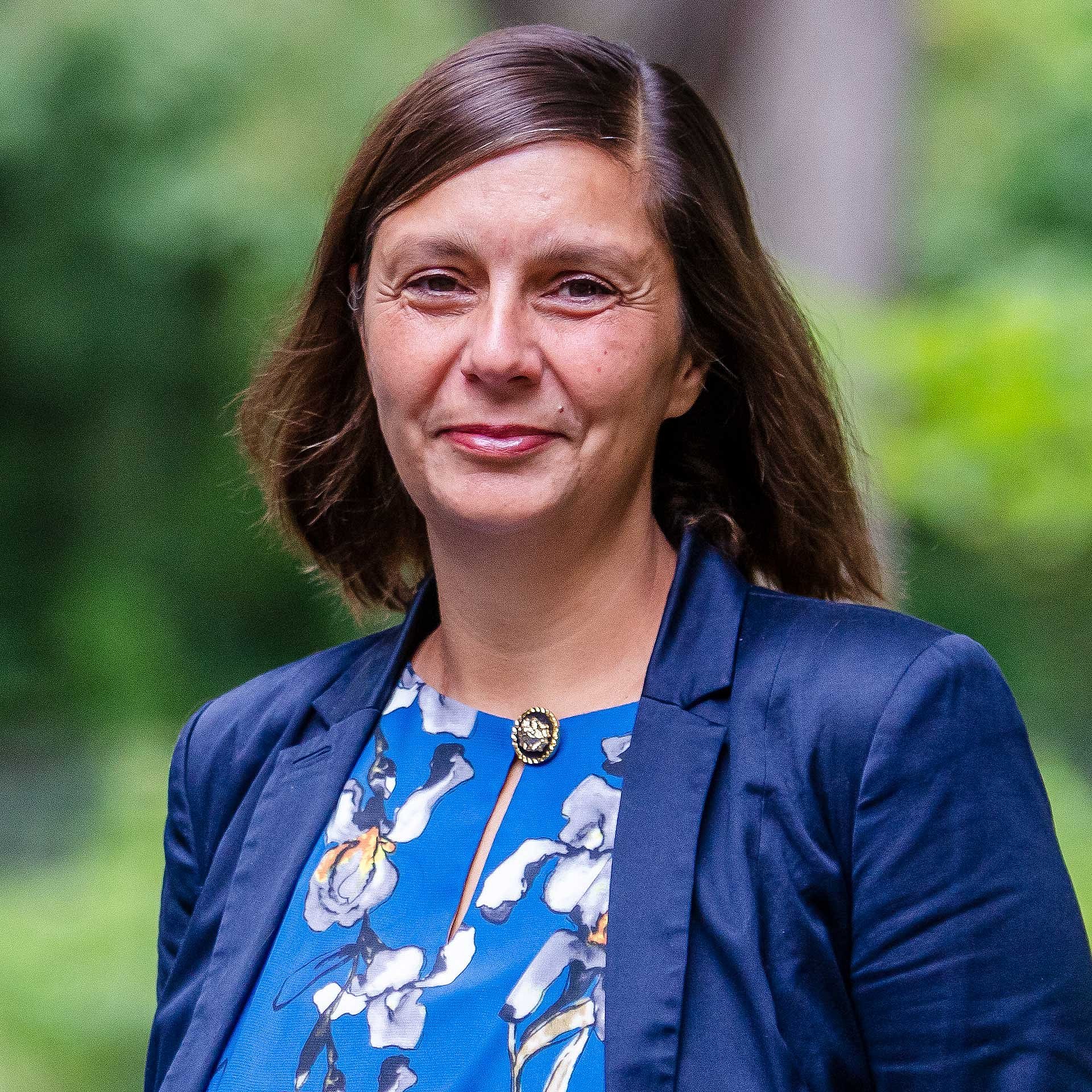
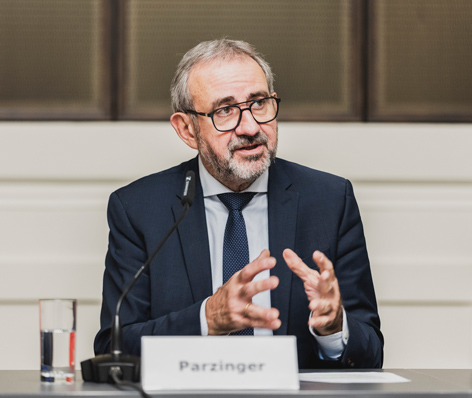
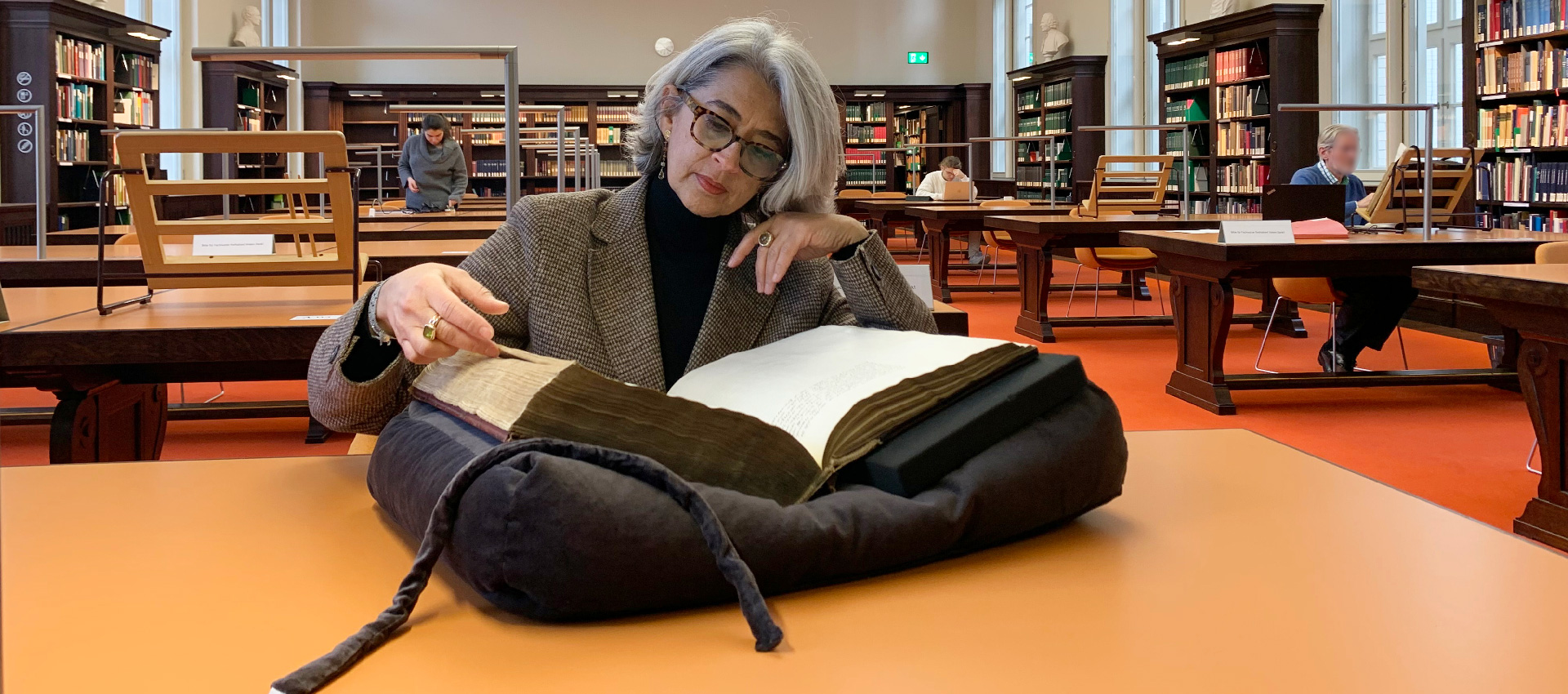
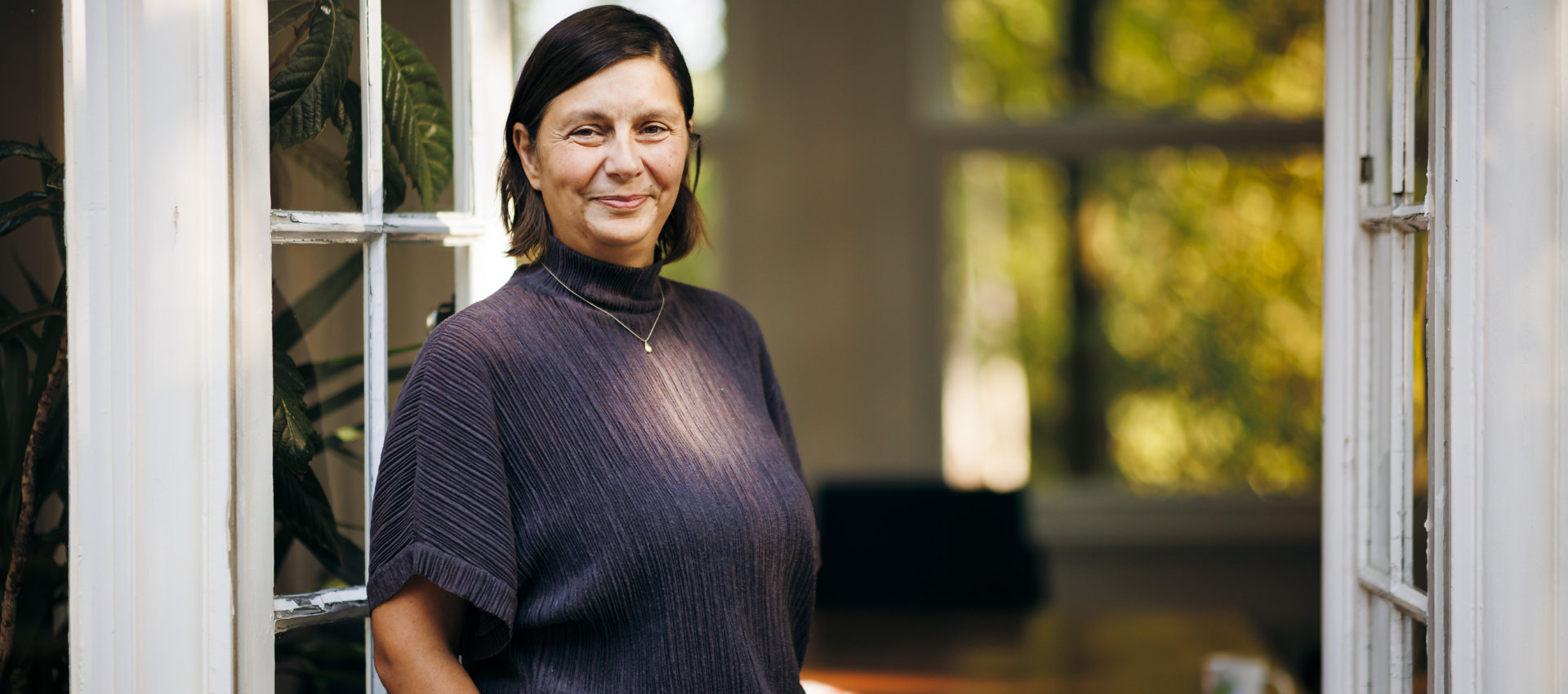
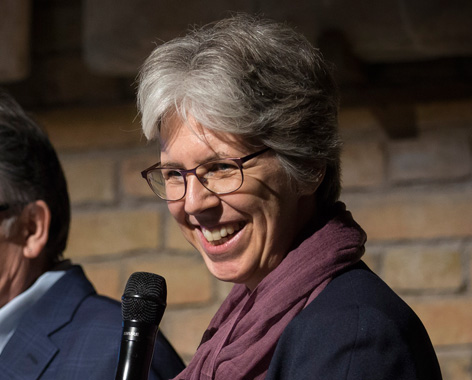
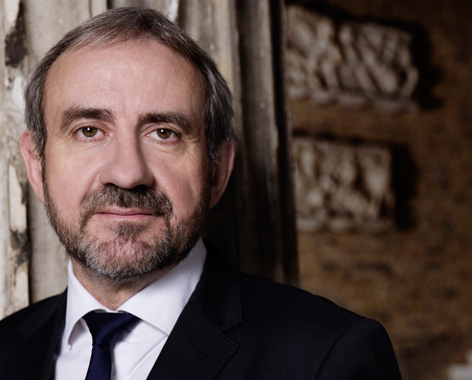
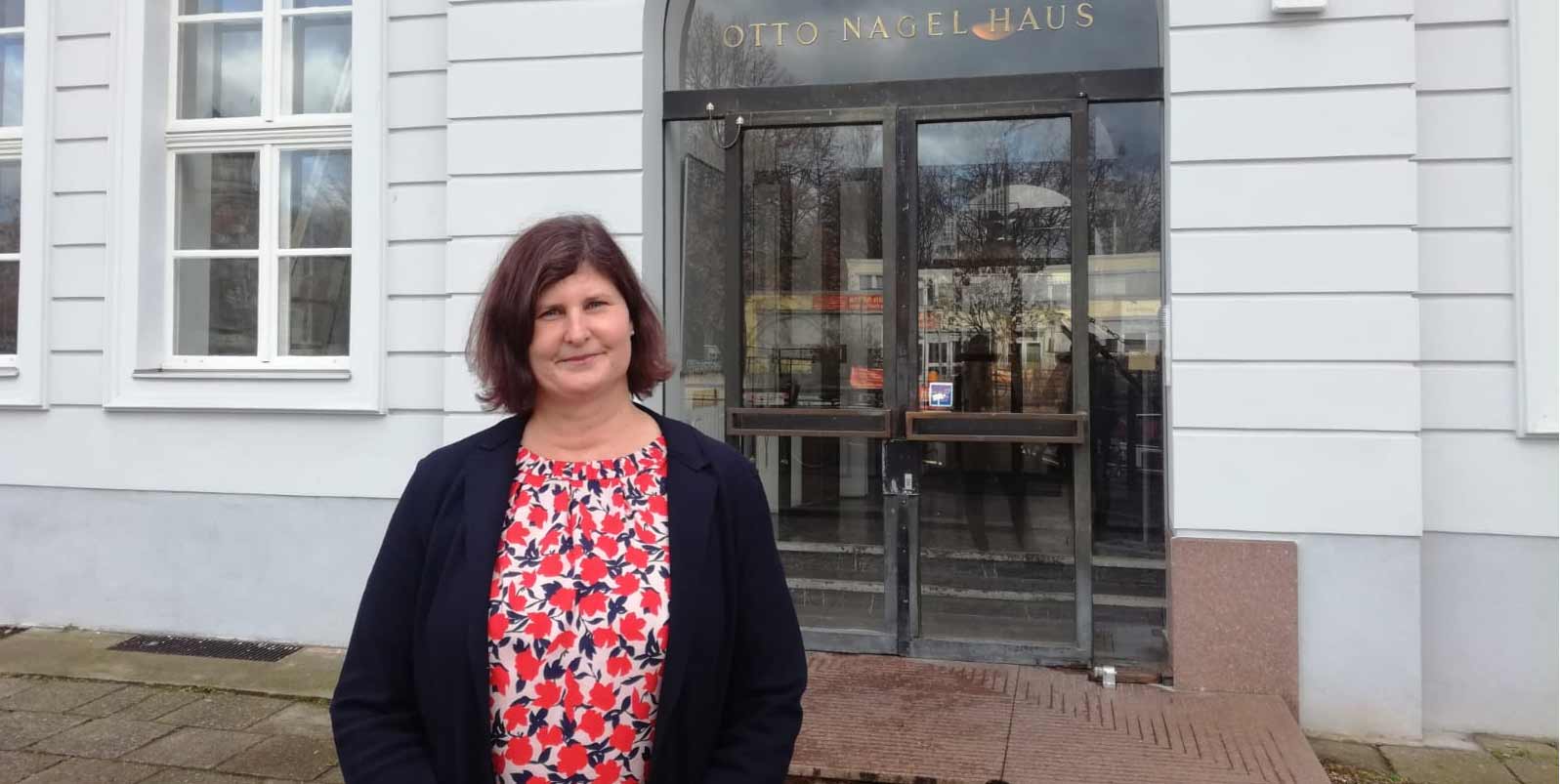
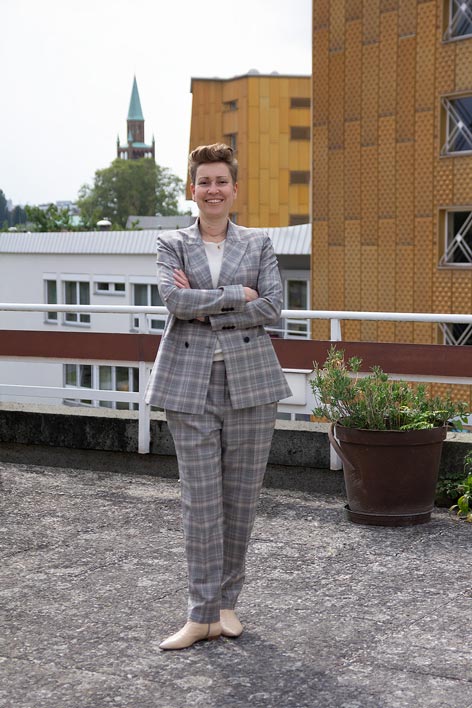
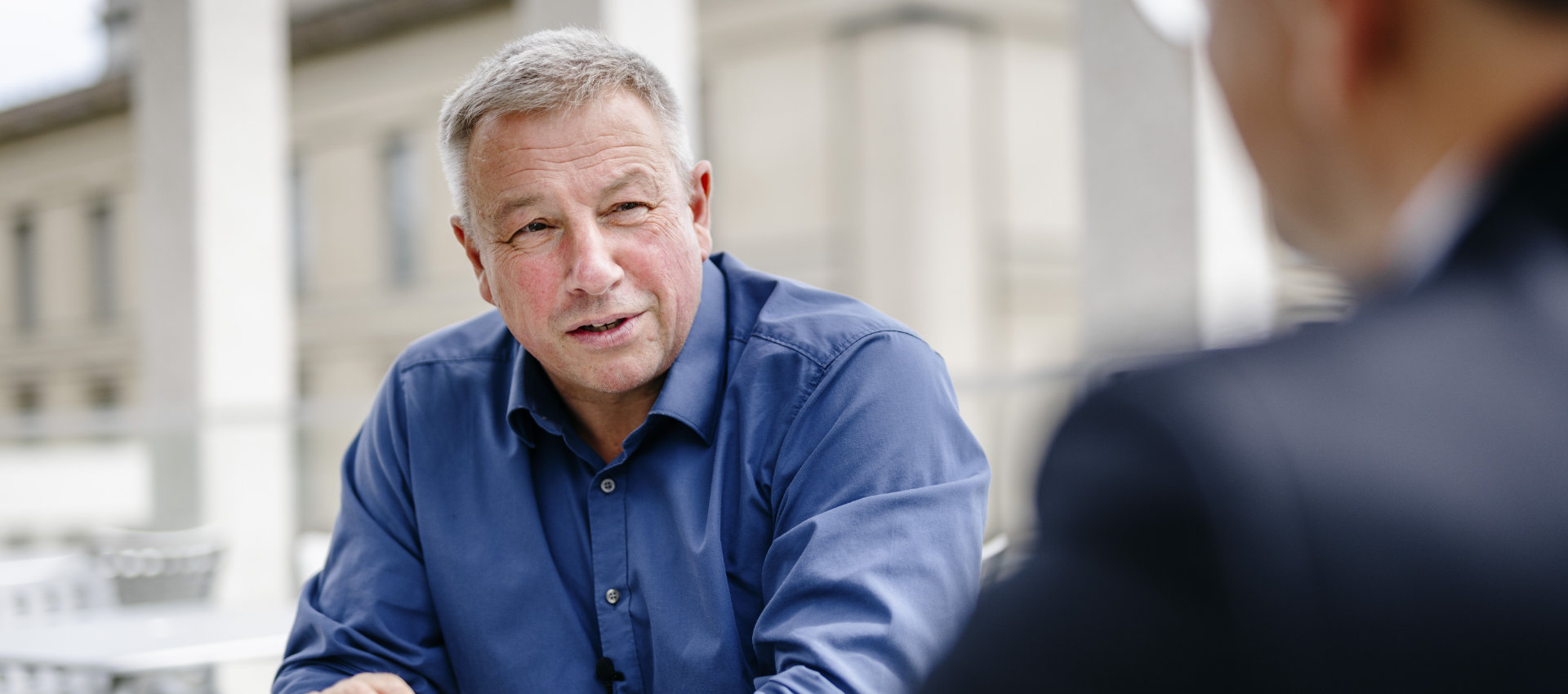
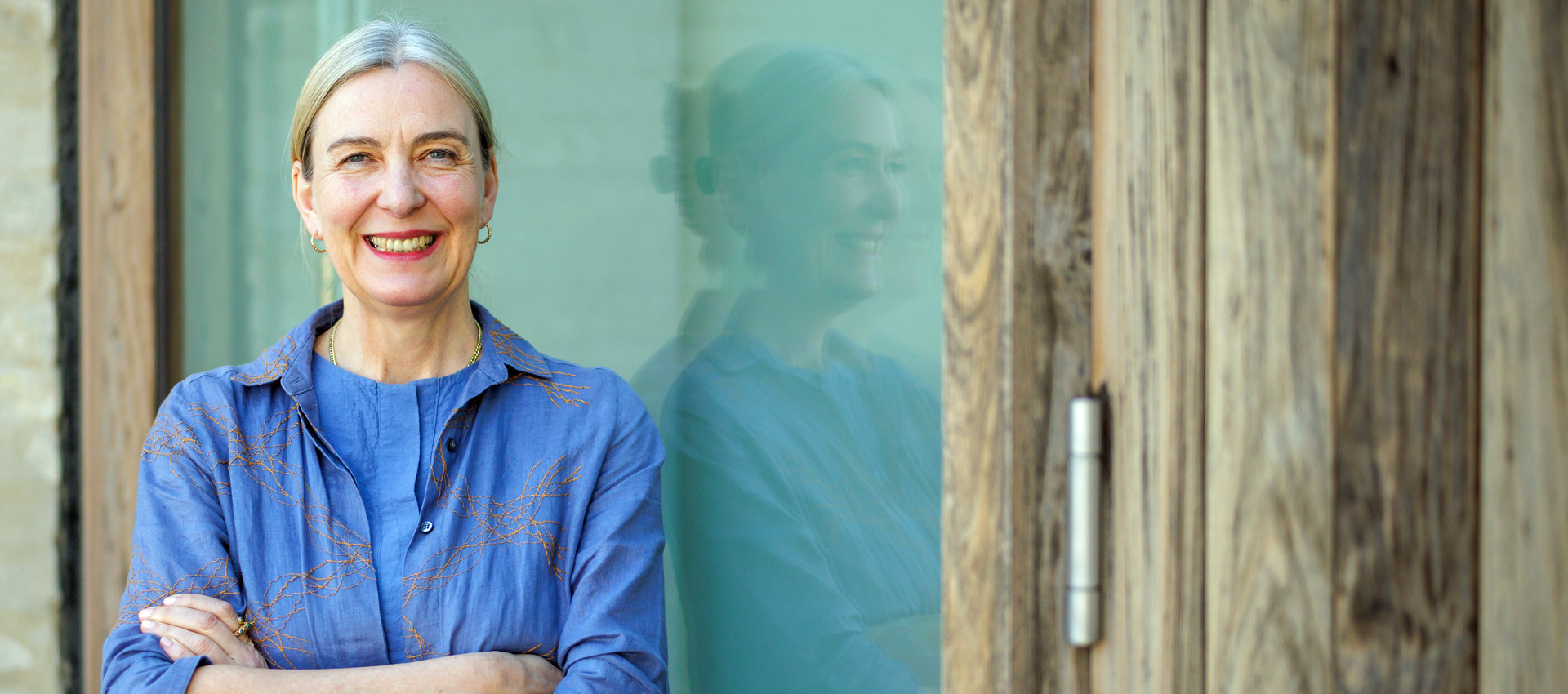
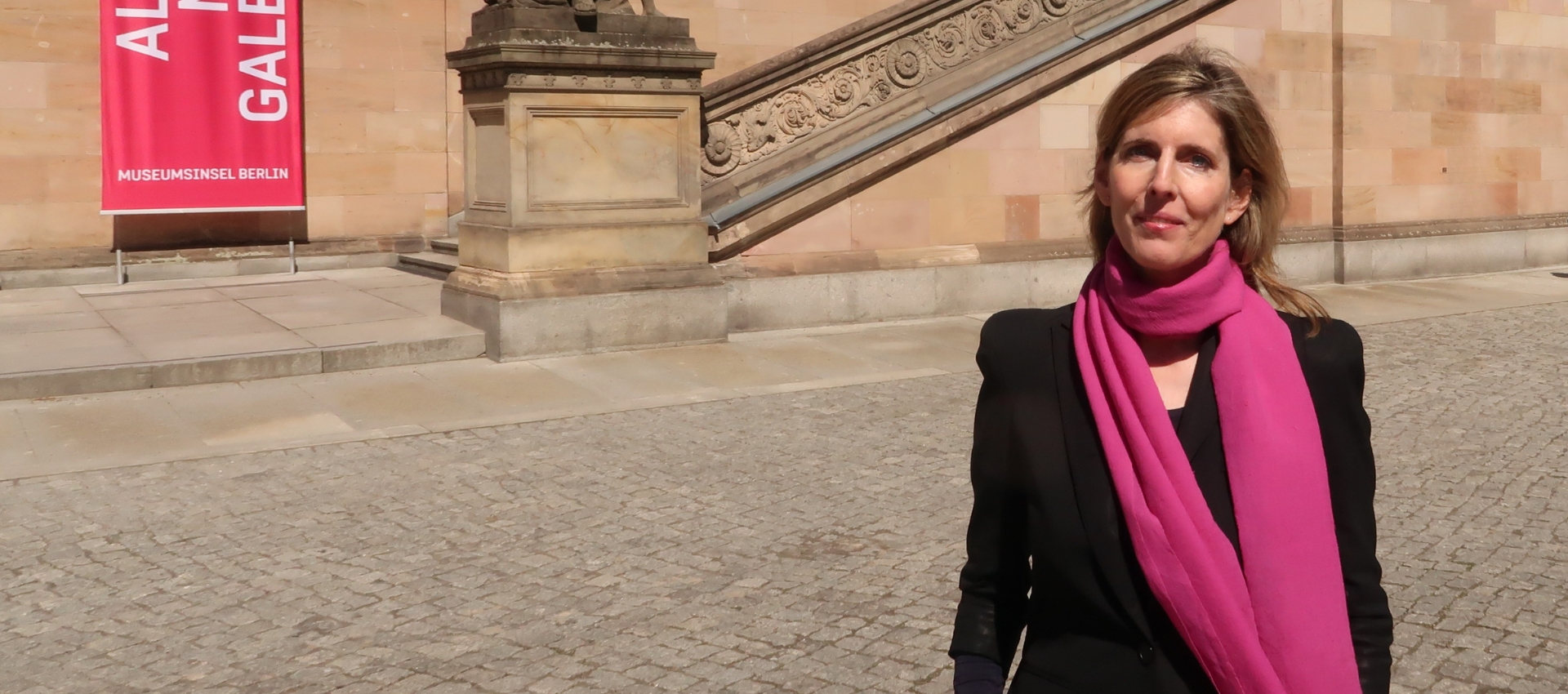
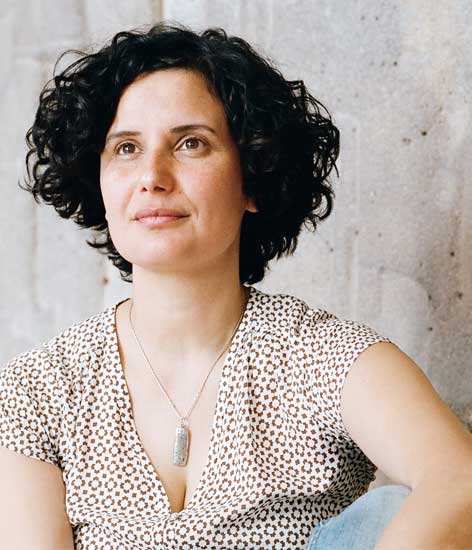
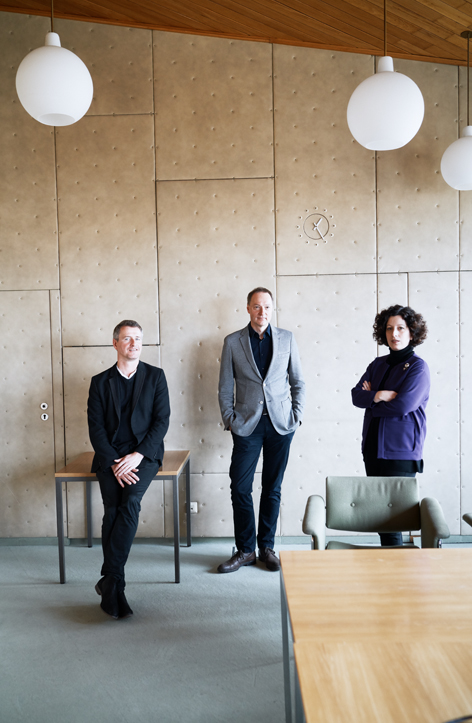
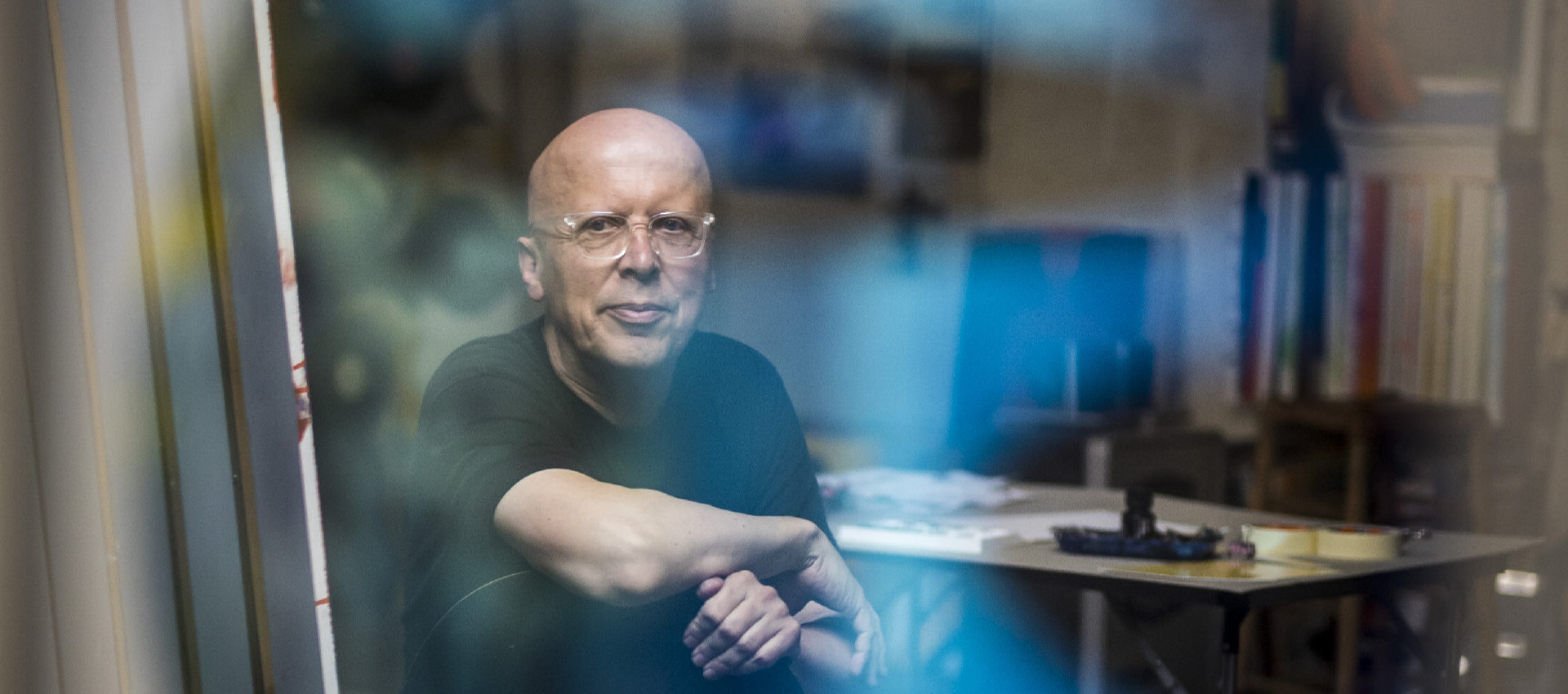
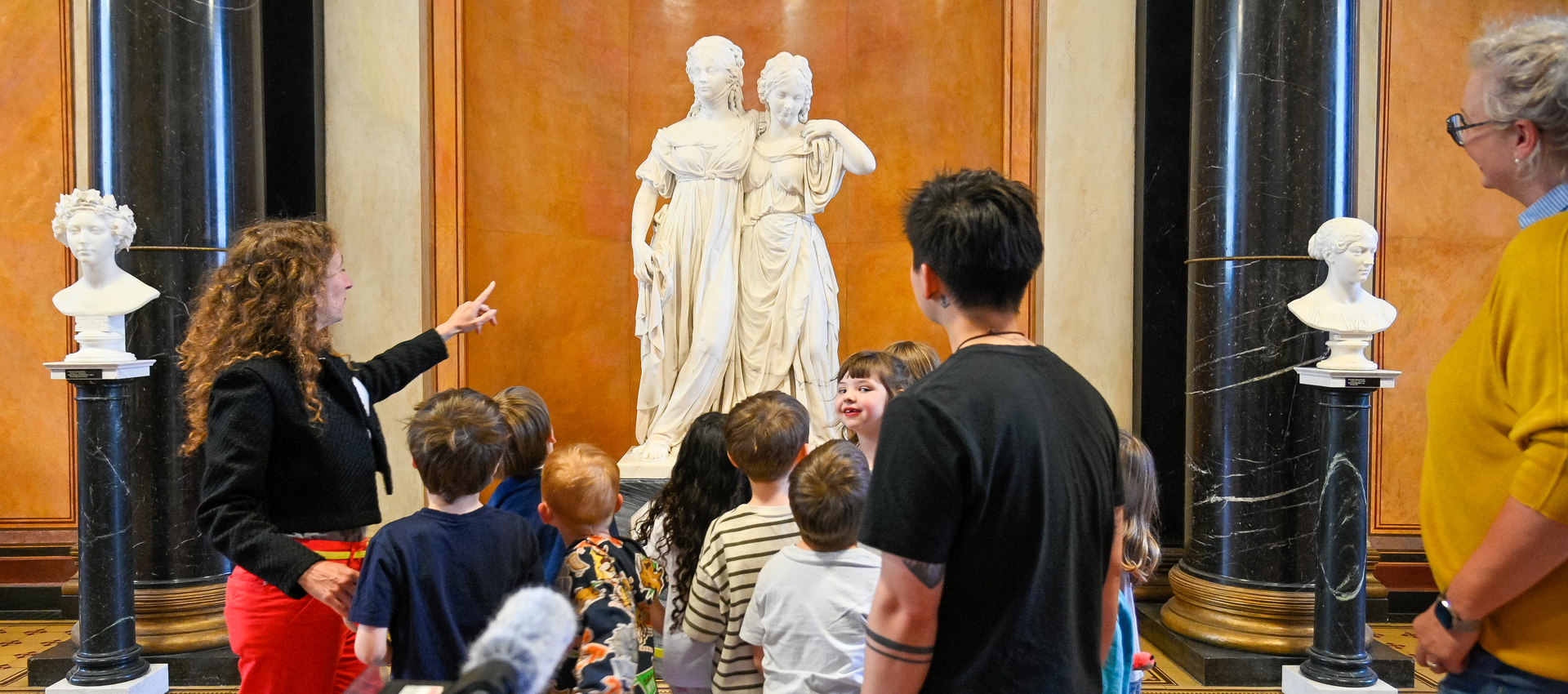
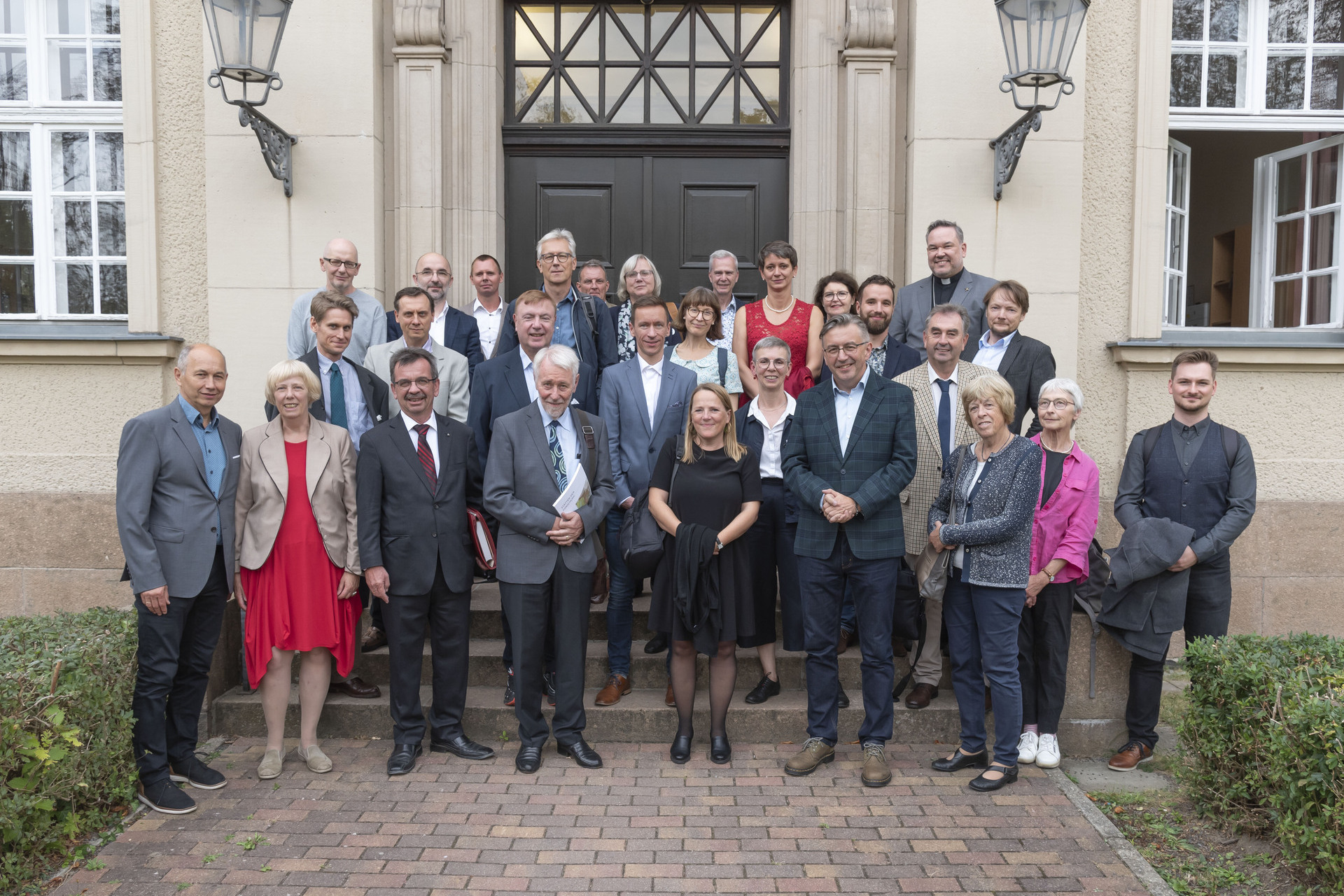
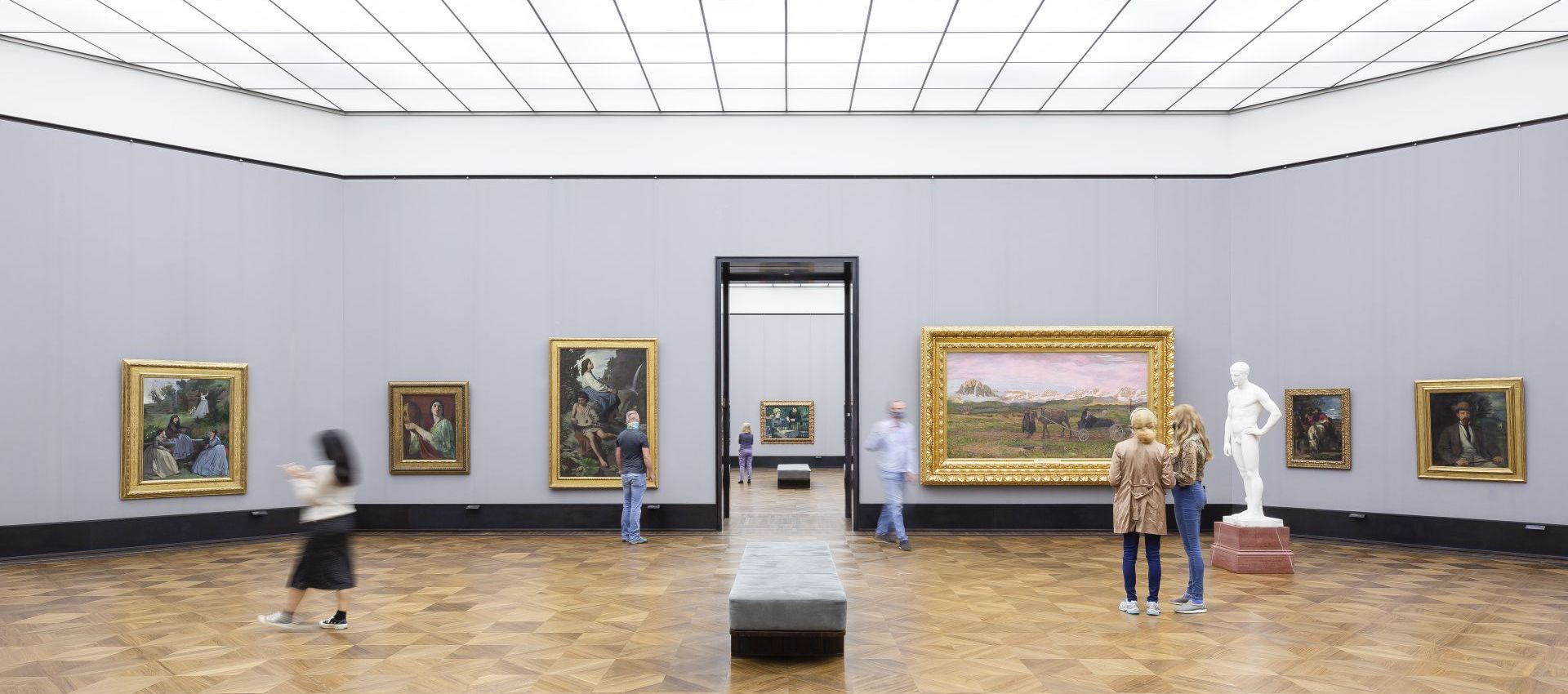
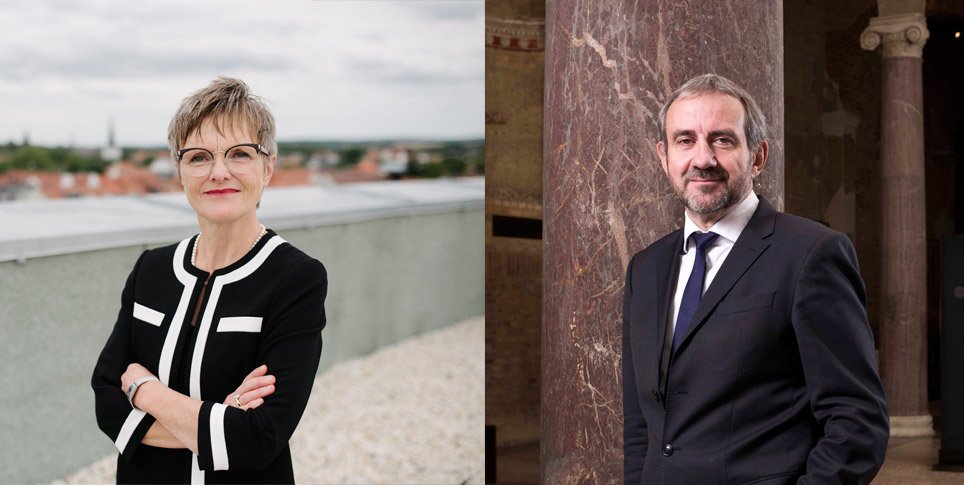
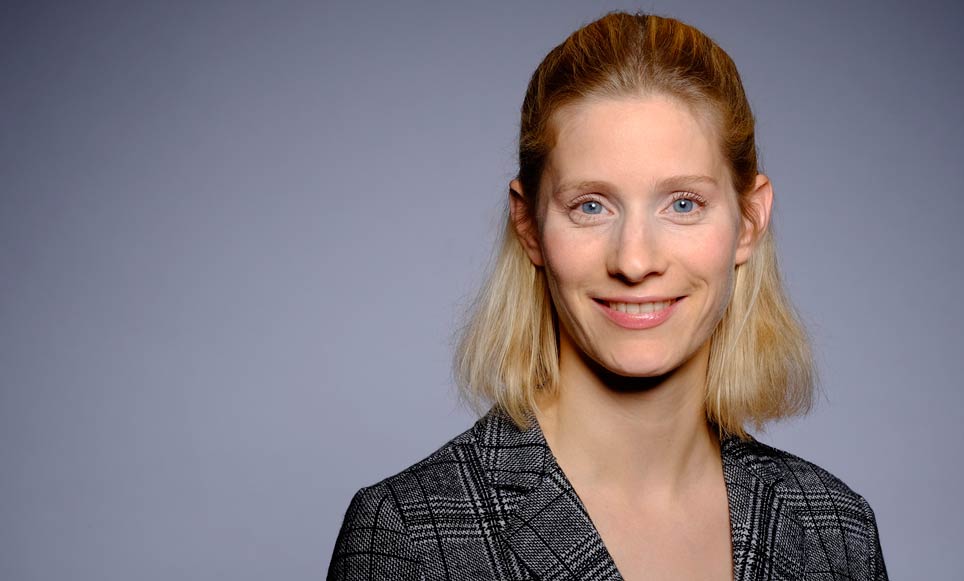
The Institute for Museum Research has investigated how people in Germany view cultural institutions undergoing change: questions for Director Patricia Rahemipour.
Photo: SPK / SMB / David von Becker
So our democracy needs museums more urgently than ever. What conclusions do you draw from this?
Patricia Rahemipour: From the fact that museums, as institutions, enjoy a high level of trust, we can deduce that they have the potential to strengthen our democratic coexistence. Museums serve as places of knowledge, education and cultural exchange, and their high level of trust indicates that they are regarded as credible sources of information and perspectives. This is particularly important at a time when disinformation and fake news are rife. Museums can help to deepen understanding of complex issues, promote critical thinking and foster an informed society. Furthermore, museums have a special role: few institutions enable participation in the generation of knowledge and make the processes through which knowledge is created visible. Moreover, museums are also object-based institutions. The questions we ask of the objects in museums are not always new, but they are relevant in ever-changing ways. In my view, trust in museums is therefore proof of their relevance par excellence.
Further links
- News: "Museums enjoy the highest level of trust" (19 April 2024)
- Press release "Nationwide study: Museums enjoy the highest level of trust" (19 April 2024)
- Download the full study
- Institute for Museum Research
- SPKmagazin article: “We need to explain more clearly why museums are systemically important”
- SPKmagazin article: “We conduct research with museums” – Patricia Rahemipour