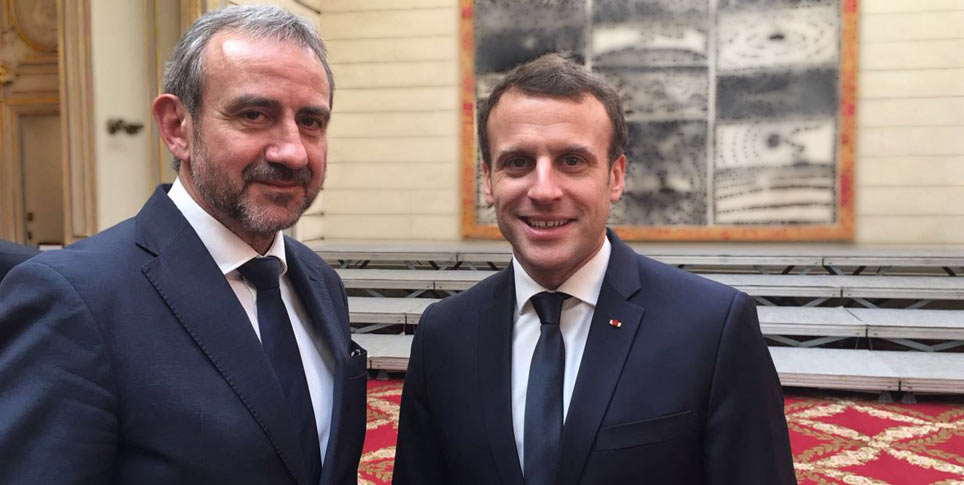
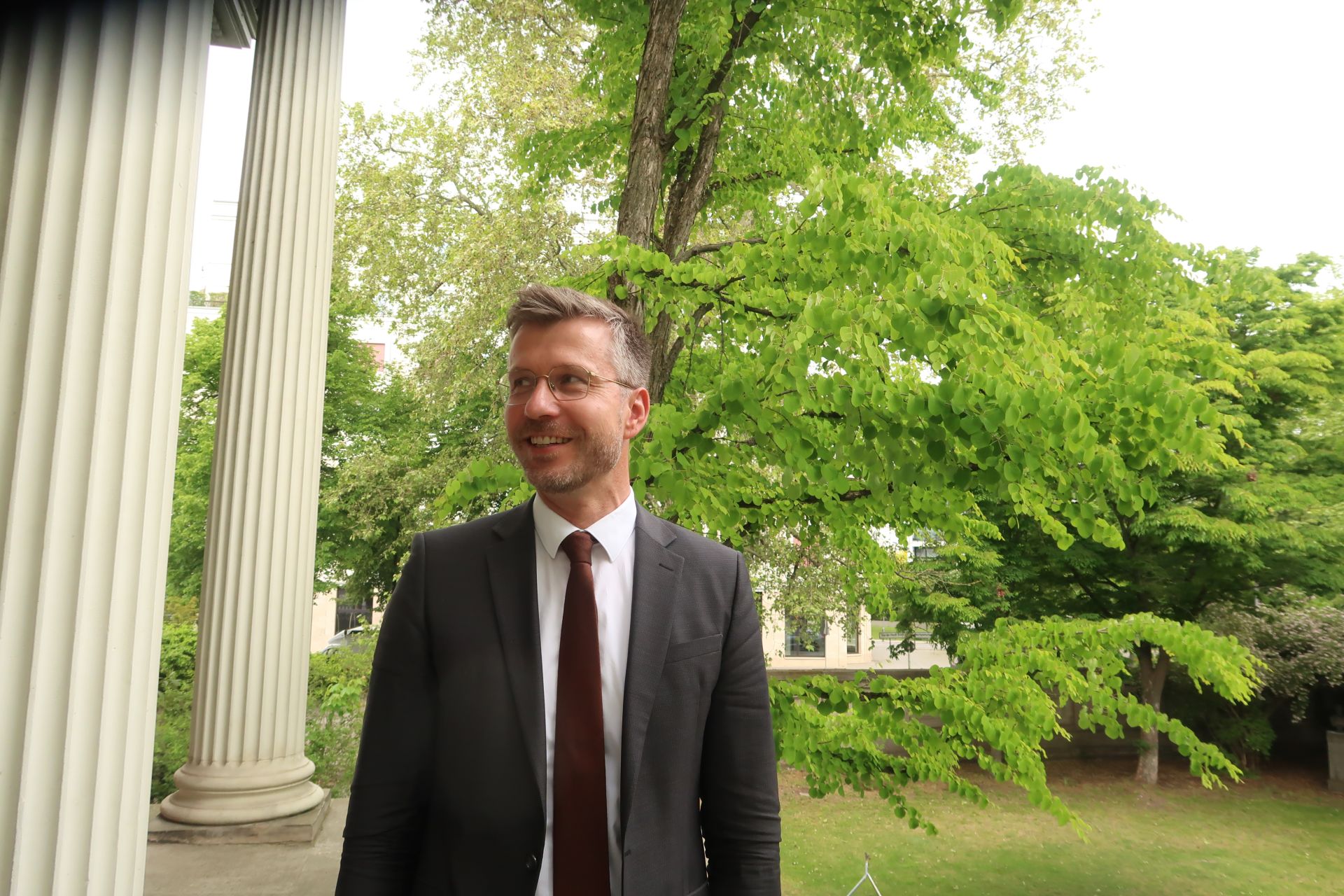
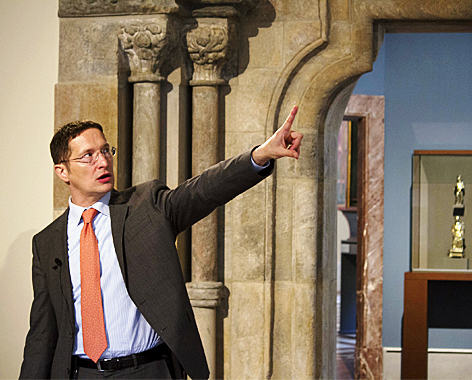
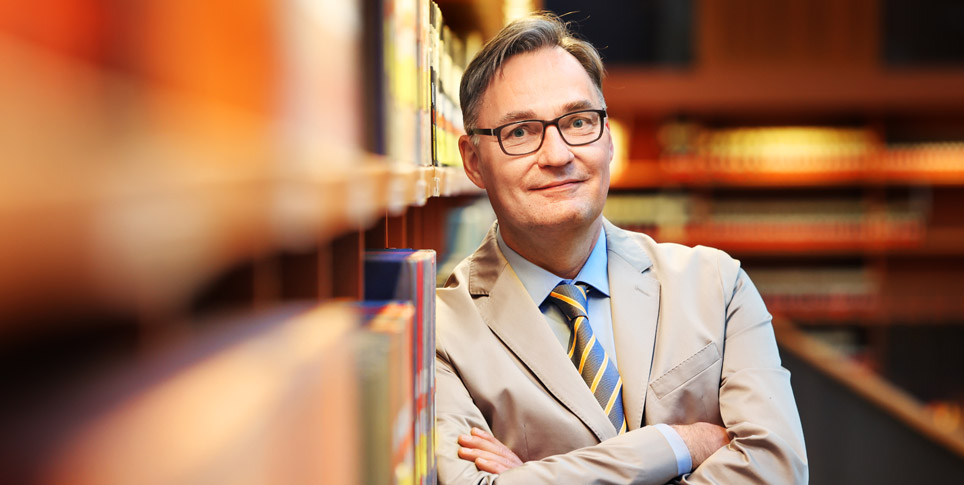
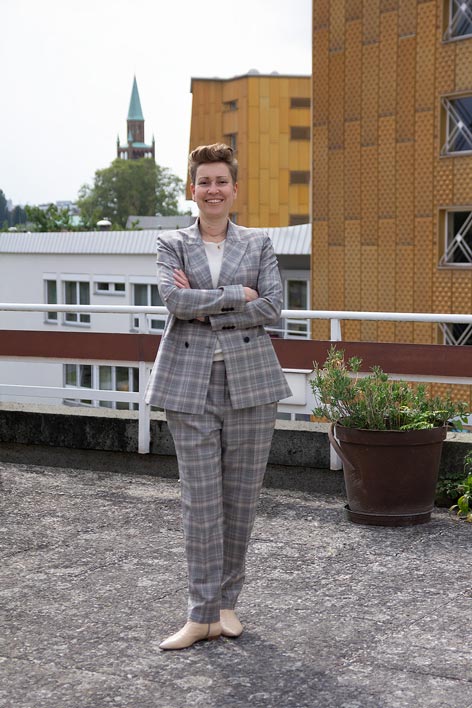
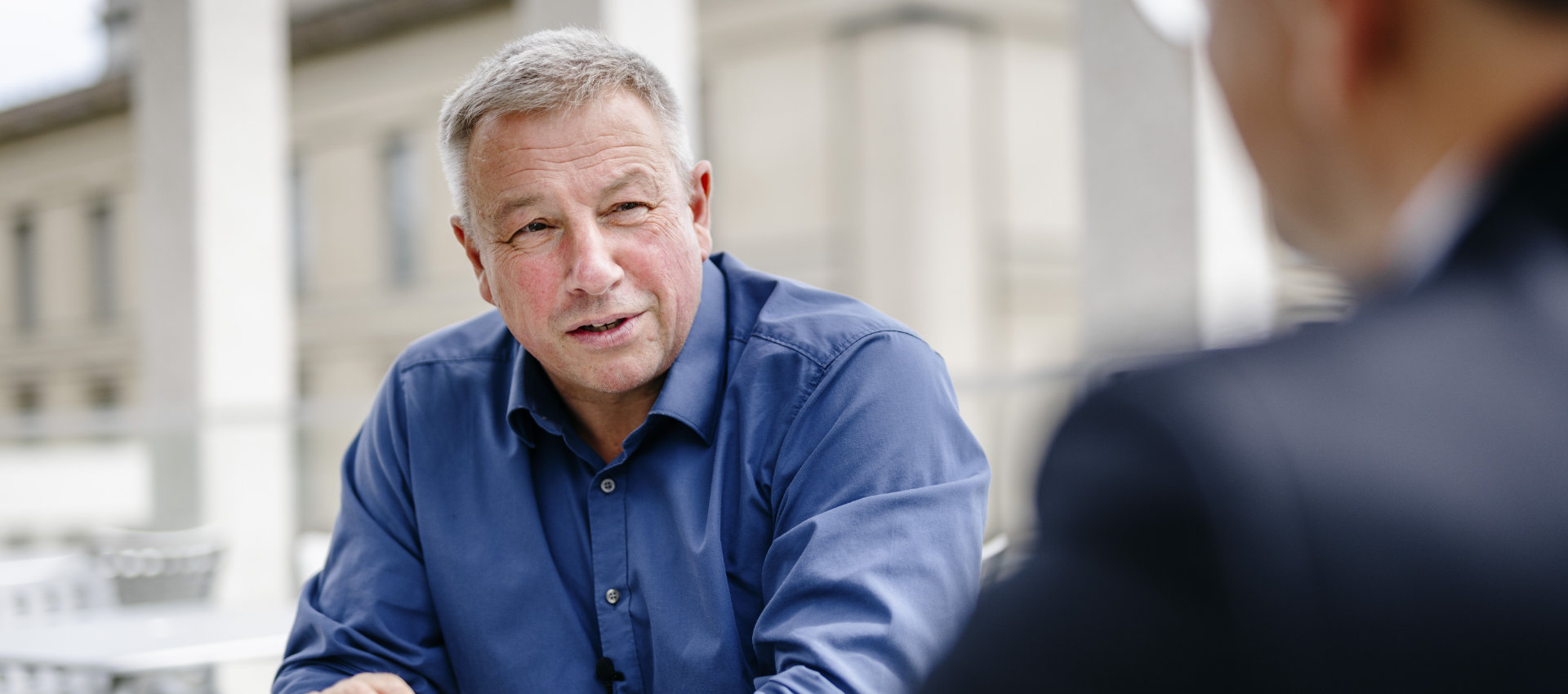
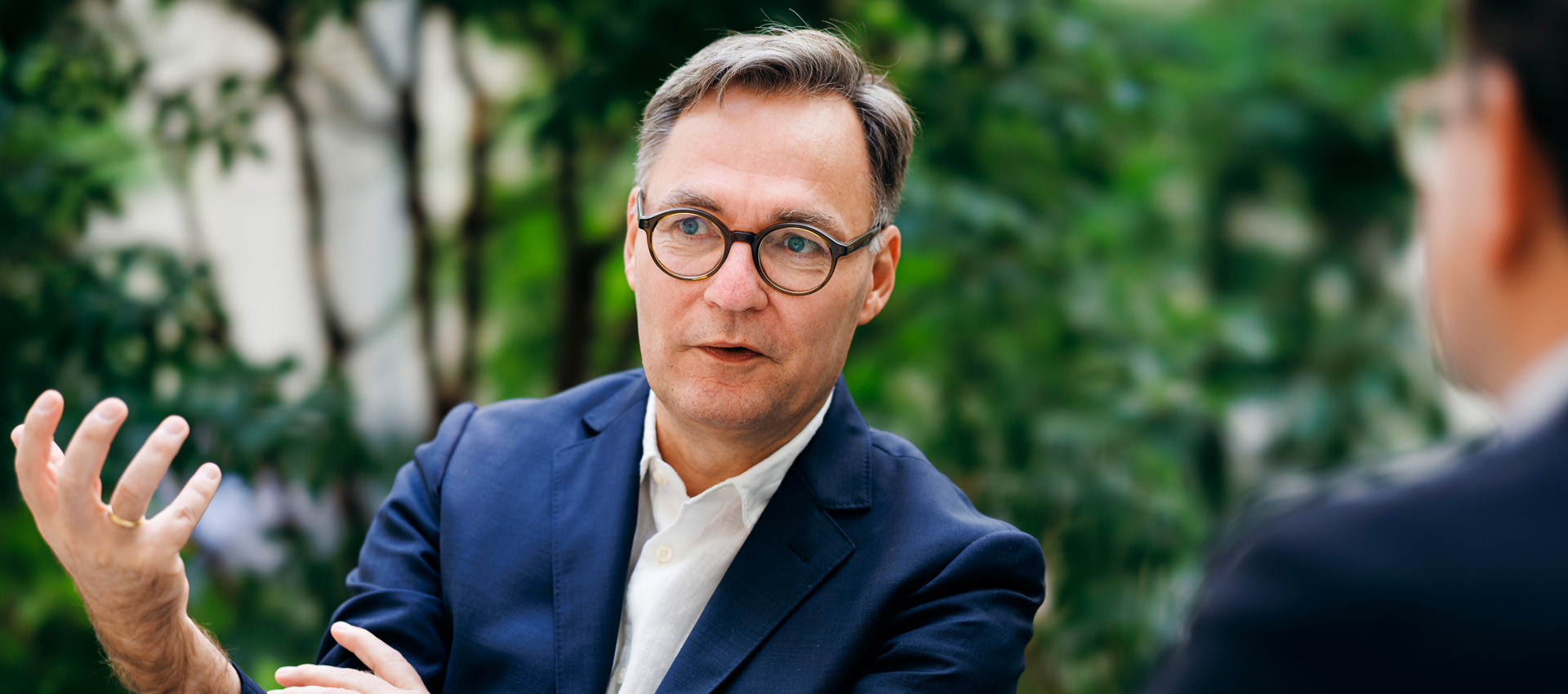
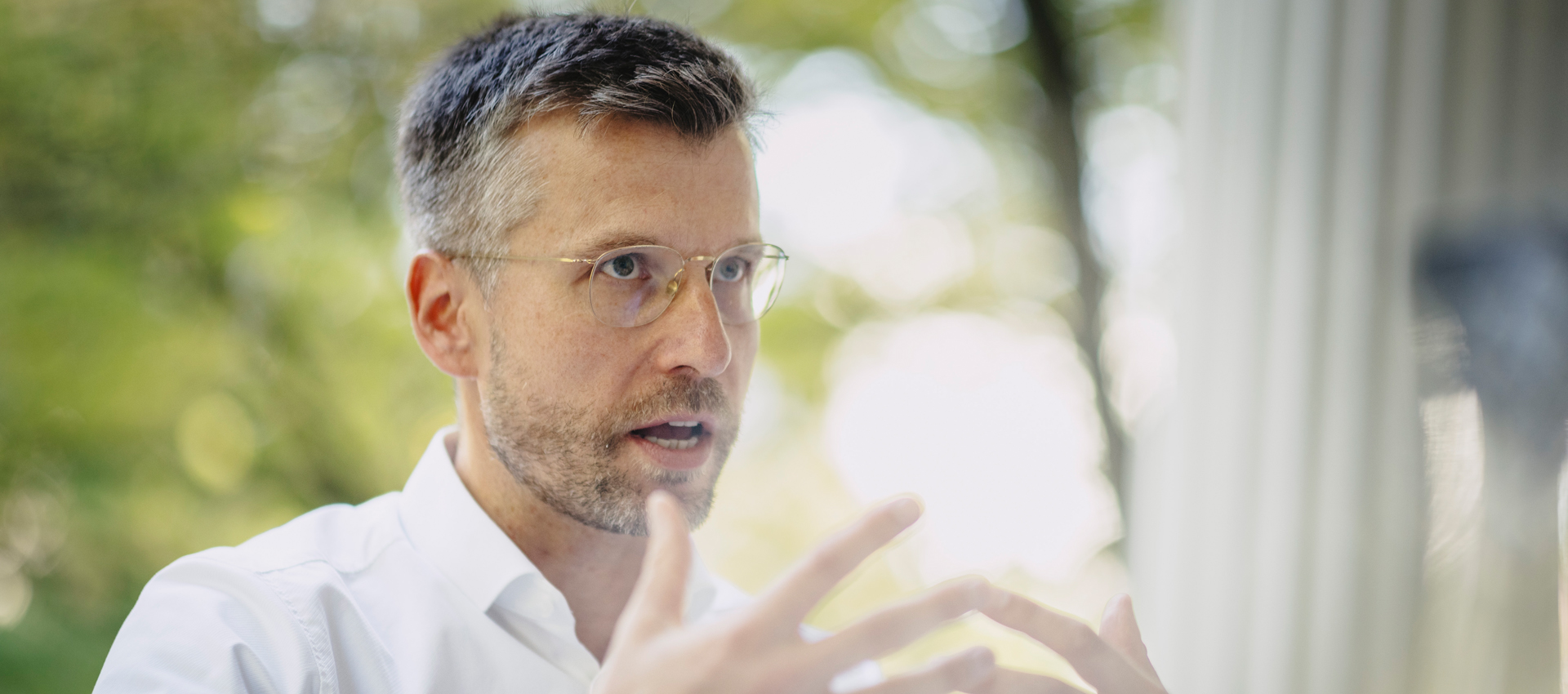
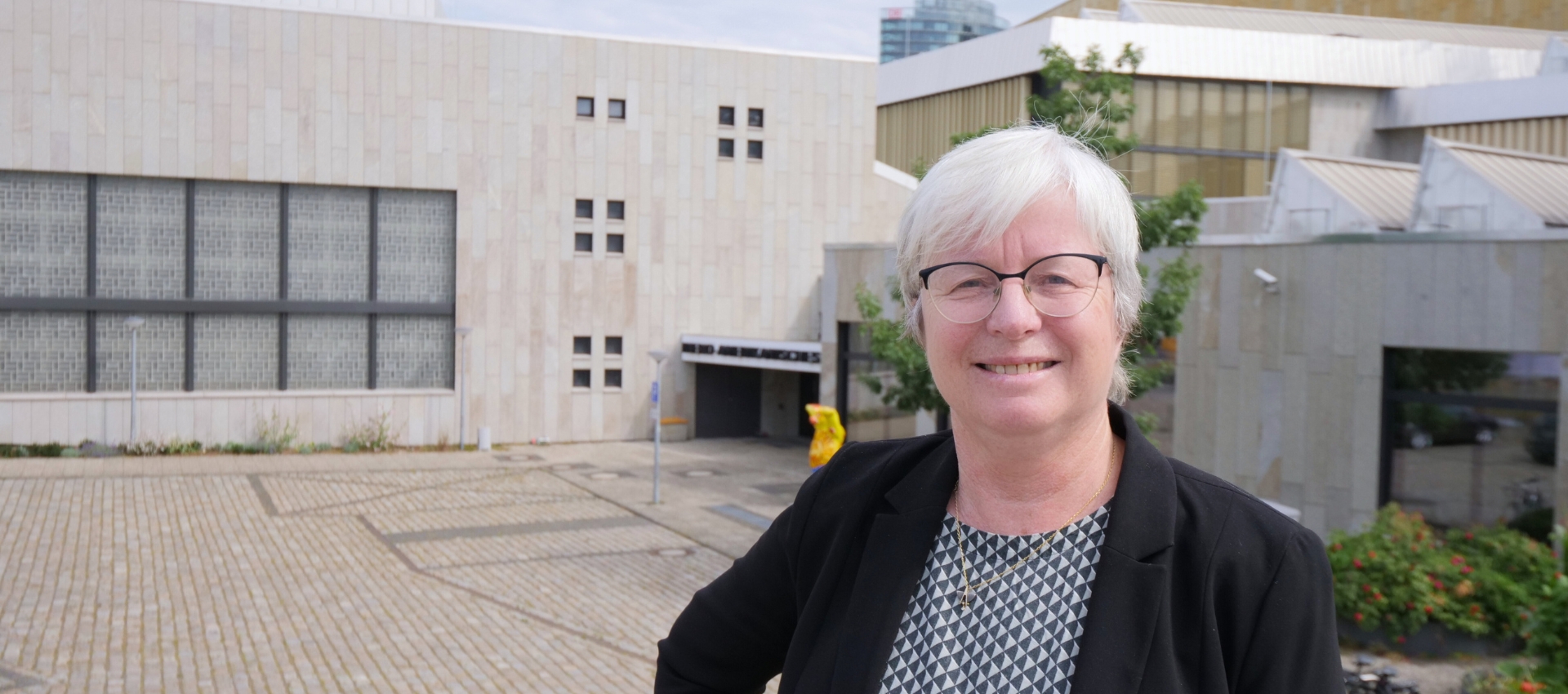
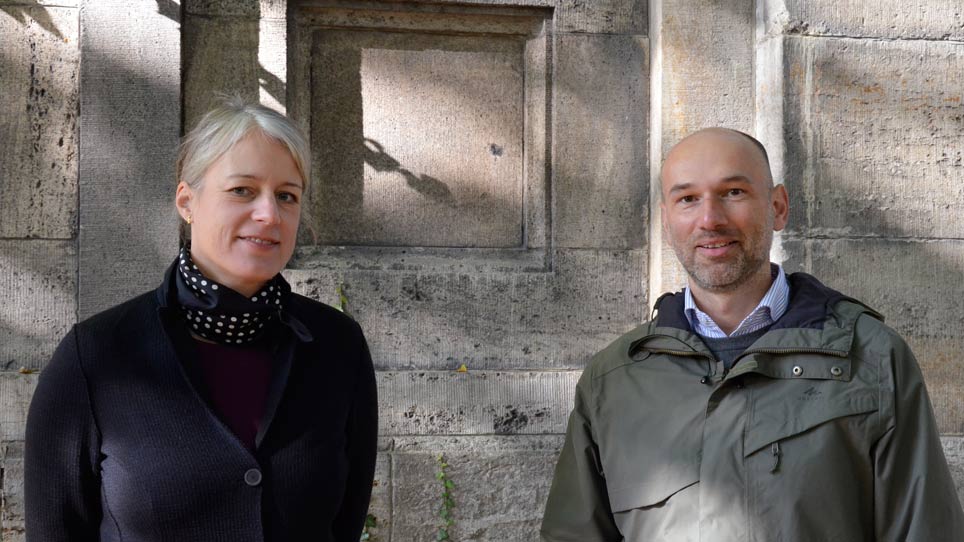
Stefan Simon, Director of the Rathgen Research Laboratory, on his research visit to Canada
Stefan Simon spent a research stay at Carleton University in Ottawa until June 2025. As part of the Fulbright U.S. Scholar Programme, he was awarded the title of Distinguished Research Chair for his project ‘Cultural Heritage and Sustainable Management of Change’. Fulbright Canada is a binational organisation that promotes mutual understanding between Canada and the United States through academic and cultural exchange. In the interview, Simon discusses the value of “Indigenous Knowledge”, blacklists at Yale, and why, alongside sustainability, forensics could also be relevant for the SPK.
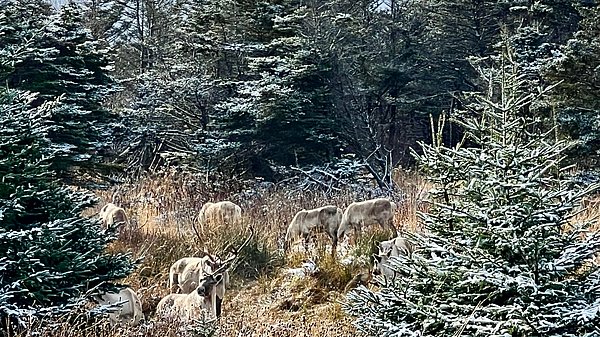
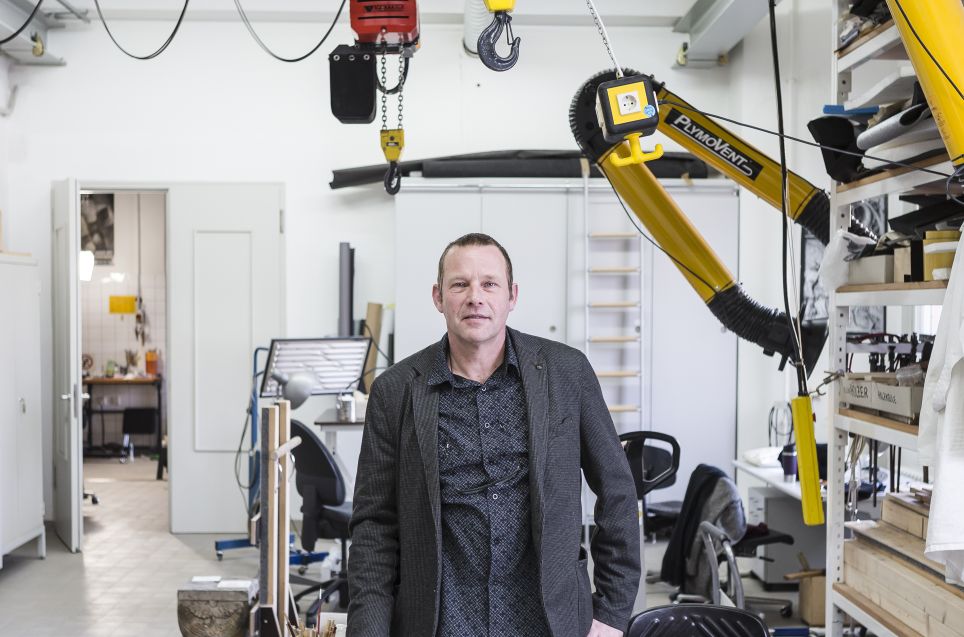
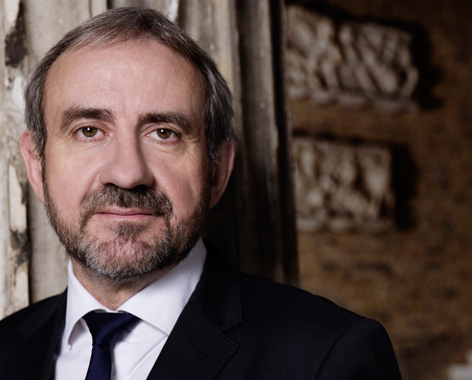
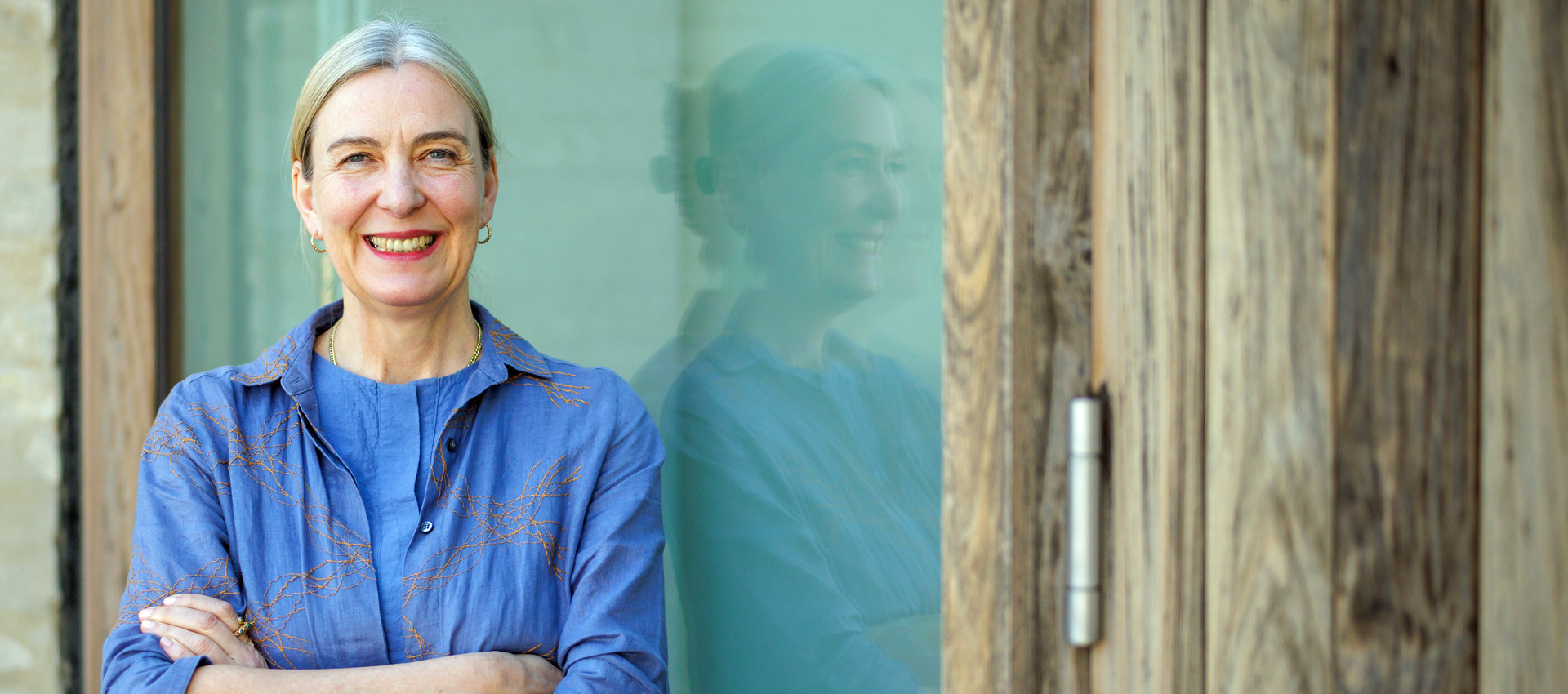
Photo: Stefan Simon
Mr Simon, you spent 11 months on a research visit at Carleton University in Ottawa. How did you find that time – both personally and professionally?
Stefan Simon: I’ve been back in Germany since June, and looking back, this was probably the best time of my career. Canada is a country to fall in love with: the scenery is breathtaking, the people are exceptionally friendly and kind, and I found it really very difficult to return home. I was able to travel extensively across the country: from the World Heritage Site of L’Anse aux Meadows at the tip of Newfoundland to Alert Bay on Vancouver Island, through all the provinces and the Northwest Territories. Everywhere I went, I held discussions and gave talks on my core topic: how we can sustainably preserve our cultural heritage in the face of the climate crisis. What that actually means for us. Above all, the conversations with representatives of Indigenous communities such as the MKO (Manitoba Keewatinowi Okimakanak) in Manitoba touched me deeply and changed me.
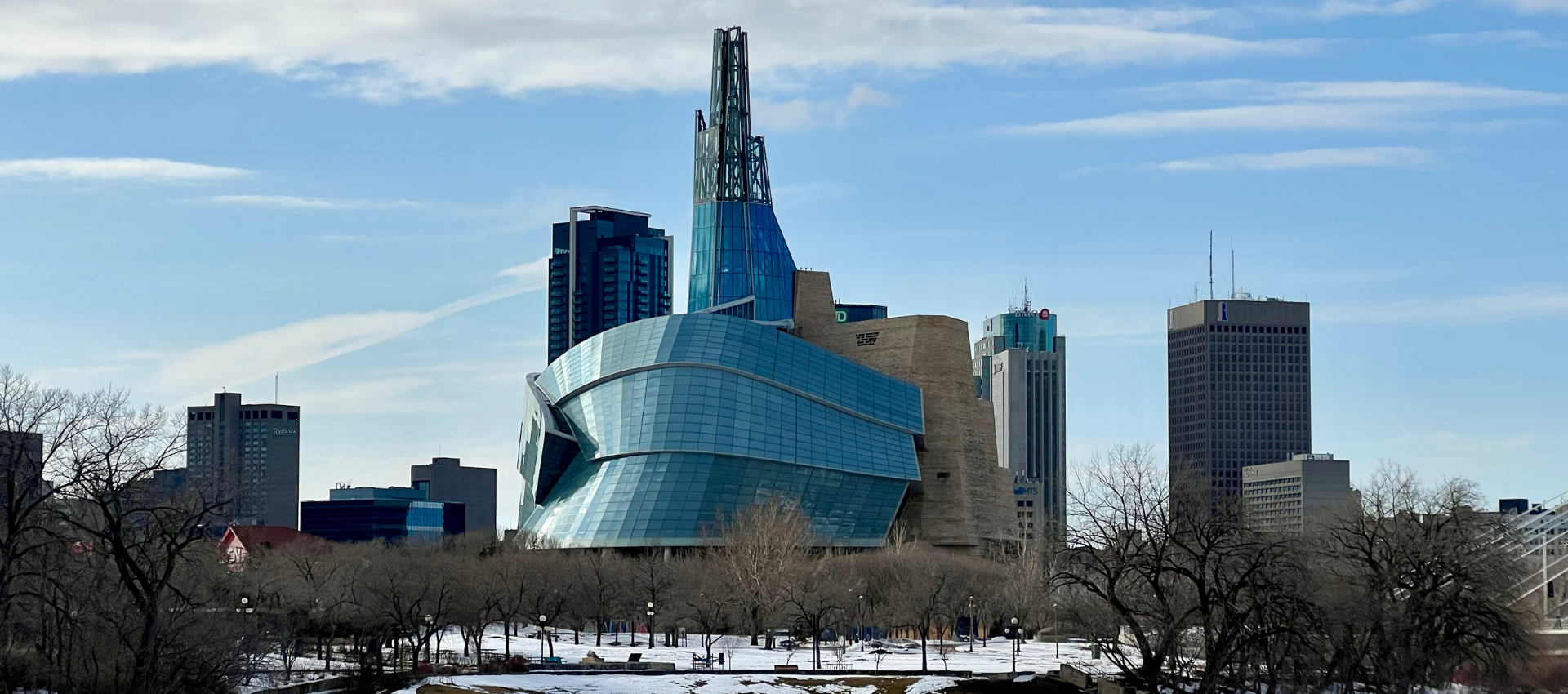
But Canada also has a difficult history with the so-called First Nations, the Inuit and the Métis. I felt privileged to travel to the National Commission for Truth and Reconciliation in Winnipeg, a commission which, following the South African model, is endeavouring to come to terms with this history – such as that of the so-called Indian Residential Schools. Children were taken from their communities, placed in boarding schools, forbidden to speak their language and had their hair cut; siblings were separated, and they were not allowed to see their parents. The last IRS was, hard to believe, only closed in 1996. In 2022, the Canadian House of Commons unanimously recognised the IRS system as genocide.
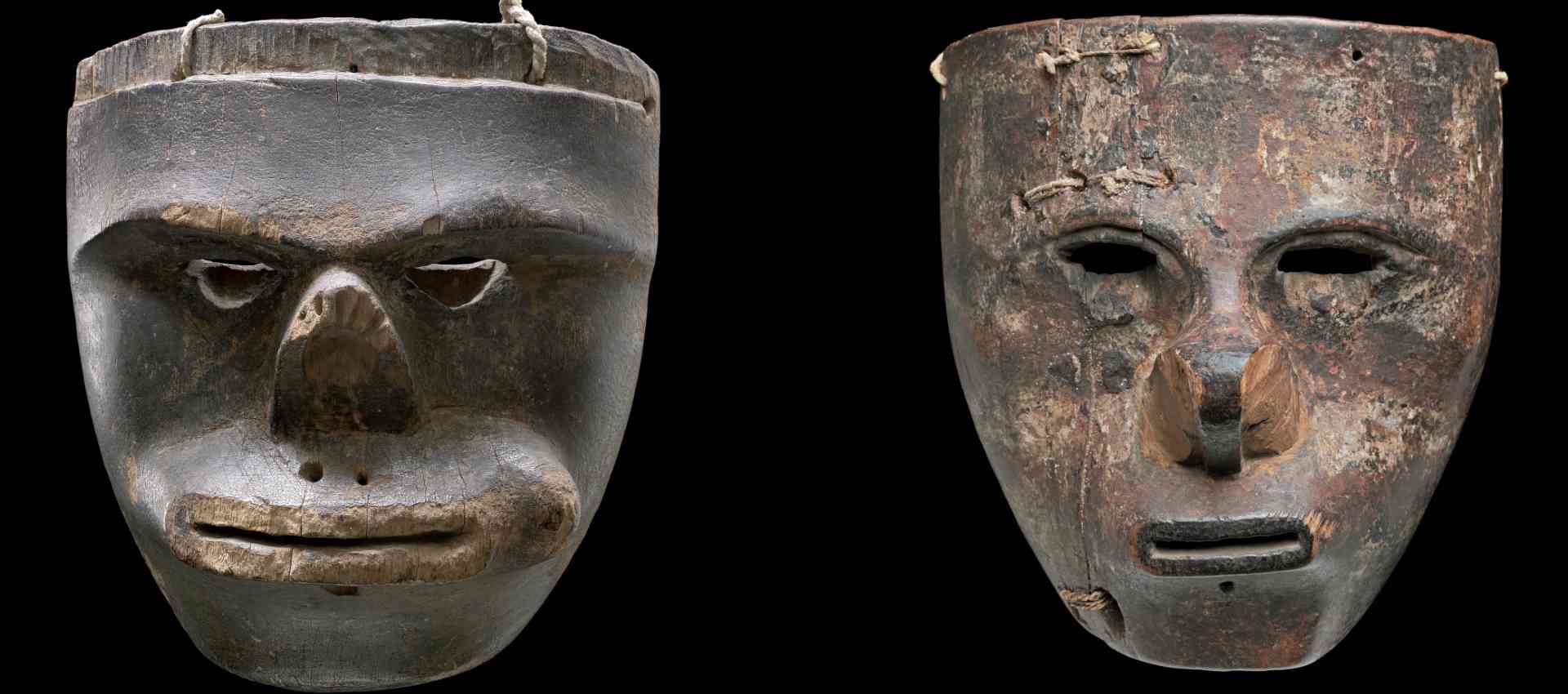
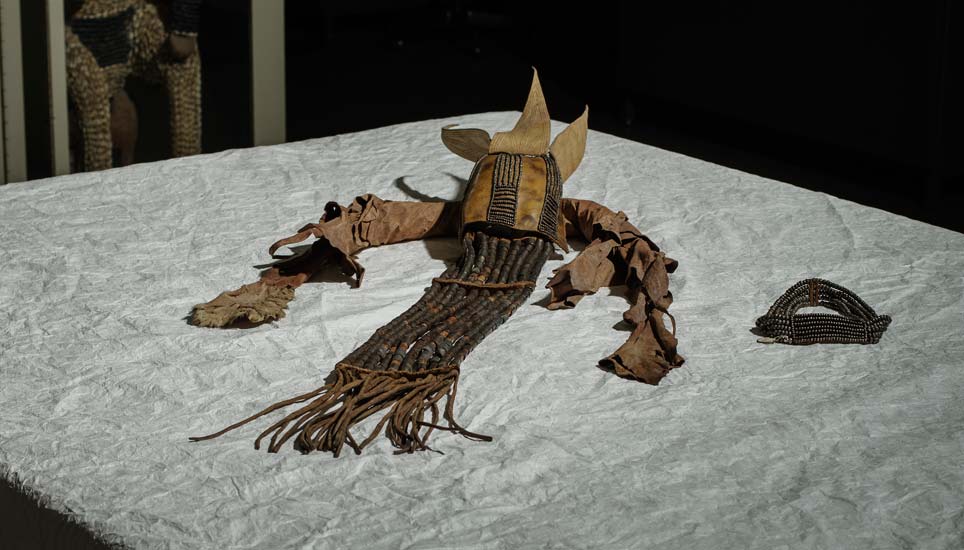
These issues have a direct bearing on cultural heritage research: why, for example, are Kwakwaka’wakw masks from Vancouver Island found in the world’s major museums? Who do they really belong to? Who decides their fate? And how should such collections be handled responsibly? Time and again, my interlocutors asked me to be invited to ceremonies. I was happy to take this request back to my colleagues in our museums.
Fulbright Canada is a binational organisation that promotes academic and cultural exchange between Canada and the US. How did you experience the current political situation at first hand?
Stefan Simon: Politically speaking, my time in Canada was anything but calm. During onboarding, we were told that the border between the two countries had been the most peaceful in the world since 1812. Shortly afterwards came the US election, with unbearable jokes from the highest levels about an ‘arbitrary line’, a “51st state”, and the Prime Minister was disrespectfully referred to as “Governor”, effectively as “Governor of the Province of Canada”. As a result, American whisky disappeared from the shelves, and American products such as Heinz tomato ketchup or Tropicana orange juice became slow-moving stock.
One of my Fulbright lectures in Ottawa was entitled ‘Sustainable Preservation of Cultural Heritage in Times of Climate Crisis’. With the new US administration, words such as ‘climate crisis’ or even ‘cultural heritage’ suddenly vanished from federal websites. I was politely asked to change the title so as not to cause a stir. In the end, I agreed to this, but of course I couldn’t talk about anything else. After all, that was my research topic, my project in Canada.
As a German-American, I understand well what makes Fulbright so unique, and I am extremely grateful for this year in “the True North”. I very much hope that the Fulbright Programme, a flagship programme of the State Department for decades, will continue to stand on a solid financial footing and enable people on both sides of the Atlantic to have the fantastic encounters that I was fortunate enough to experience.
Before Canada, you were also working at Yale University. How did you perceive the current situation there?
Stefan Simon: I still have good ties with Yale. In May 2025, on my way home to Texas, I drove through New Haven. It was Commencement weekend, when the students celebrate their graduation, and the guest speaker was the former New Zealand Prime Minister Jacinda Ardern. The small town was buzzing, full of proud parents and happy graduates. I always found those lively days the best part of my time at Yale.
What was different this year: the colleagues I met for a coffee spoke of a very difficult time for academia and research in the US. The fact that many federal grants are up in the air is a problem. Even teaching is increasingly seen as a risk by professors. One careless remark and you can be reported by students and end up on blacklists. There are reasons why Timothy Snyder and others have left Yale. It’s all very worrying.
And what is it like, overall, to work with future generations of students and early-career researchers at universities?
Stefan Simon: I have great faith in our young people, and I am also very grateful to know some young people who have been actively involved in the global climate movement, including ‘Last Generation’, over the past few years. If we are lucky – if we are very lucky – our grandchildren will one day be grateful to them for their commitment to our society and for their determination. Issues that young people are committed to, such as diversity, equity and inclusion, must also remain a central concern.
As a Fulbright Scholar in Canada, I have also noticed how closely cultural heritage is linked to our own identity. When, for example, museums are referred to as ‘high-trust institutions’ in studies from the US or in Germany by our IfM, one must ask: by whom? By Indigenous communities too? For many Indigenous people, museums in particular do not deserve trust. Thousands of Native American human remains still lie in the collections of elite American universities today. So for whom are these institutions trustworthy? Certainly for many white people from the Global North – but not necessarily for everyone. We need to work on this.
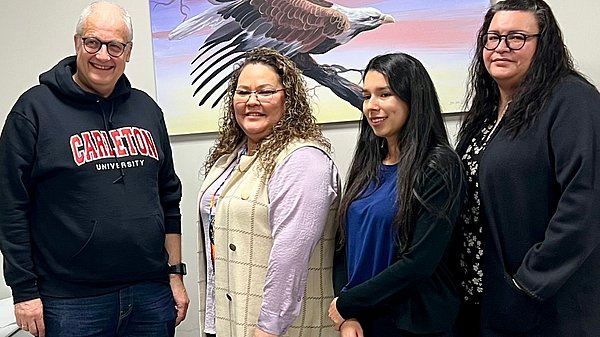
You mentioned your dialogue with Indigenous groups in Canada. How did you find these encounters, and what insights did you gain, particularly with regard to climate change and sustainability?
Stefan Simon: ‘Indigenous Knowledge’ is now playing an increasingly important role in universities. There are chairs dedicated to it, for example at Carleton University in Ottawa, my host university. In fact, there are quite a number of colleagues in Canada who have played a decisive role in the development of the World Heritage Convention. François LeBlanc, Herb Stovel and Christina Cameron are big names in our field. Perhaps this is down to the long, cold winter evenings, which offer plenty of time for reflection. Or perhaps it’s down to Montreal’s famous bagels?
In conversations with Indigenous colleagues, I heard the same basic assumptions everywhere, including that we humans must recognise that we are part of this world. That may sound a little naïve, but it is important. We suffer from the hubris of believing we can constantly recreate the world and subjugate it. Indigenous communities do not think this way. For indigenous communities, it is clear: there is a Creator. A world without a Creator is inconceivable to them. We owe the land, the plants and the animals respect and gratitude. We must pay the land. As soon as we forget this, we get into trouble.
This has given me a new perspective on the climate crisis. Solutions simply cannot be found using the same methods that have been bringing us ever closer to the brink for decades. What we are seeing is either ‘business as usual’ or an unjustified faith in a green technological revolution for which we have neither the necessary time nor the resources. I do not know whether Indigenous communities really have better approaches. But I do know that our traditional approaches aren’t working. It is therefore not a bad idea to listen carefully to indigenous voices.
What other insights did you gain from your time in Canada, and which aspects might be relevant to the work of the SPK?
Stefan Simon: Forensics is one of the key areas of focus at the Rathgen Research Laboratory, alongside climate change and sustainability. During my stay in Canada, I learnt of a massive forgery scandal that was uncovered, amongst other places, at the renowned Canadian Conservation Institute: Norval Morrisseau was a prominent Indigenous artist on Canada’s west coast. Around 6,500 forged works by him were sold at high prices worldwide, including far beyond Canada. We must also be prepared for this at the SPK, as such forms of crime pose a real threat to our artistic and cultural heritage. We know this from our work on the Beltracchi forgery case or the art theft in Gotha. It is a central part of our work: ensuring the security of our cultural heritage and the integrity of collections using the forensic expertise we can provide from the research laboratory. Counterfeit Morrisseau paintings are likely to be found almost everywhere, certainly in Germany too. We must also consider this within our Risk Management Task Force at the SPK.
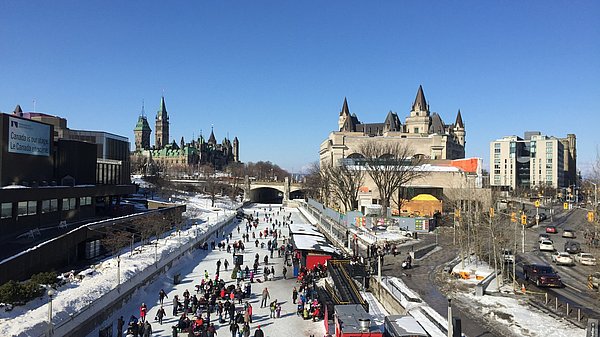
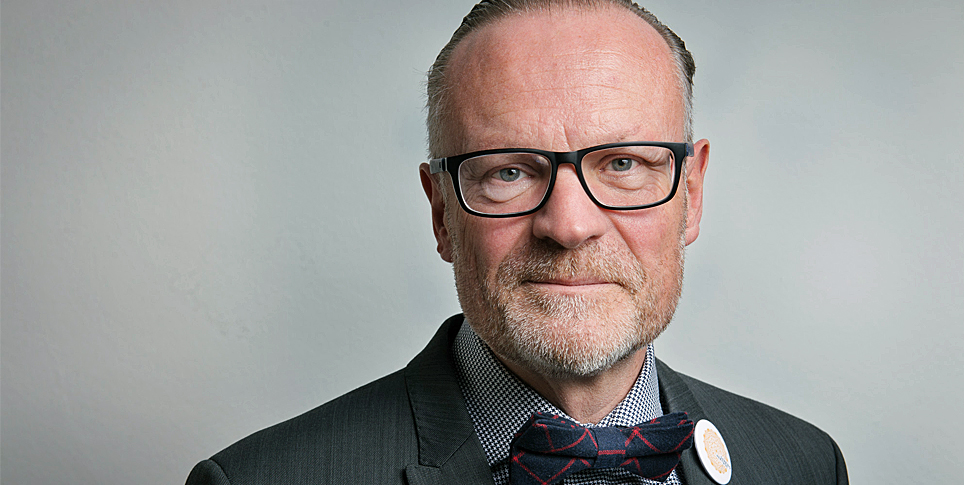
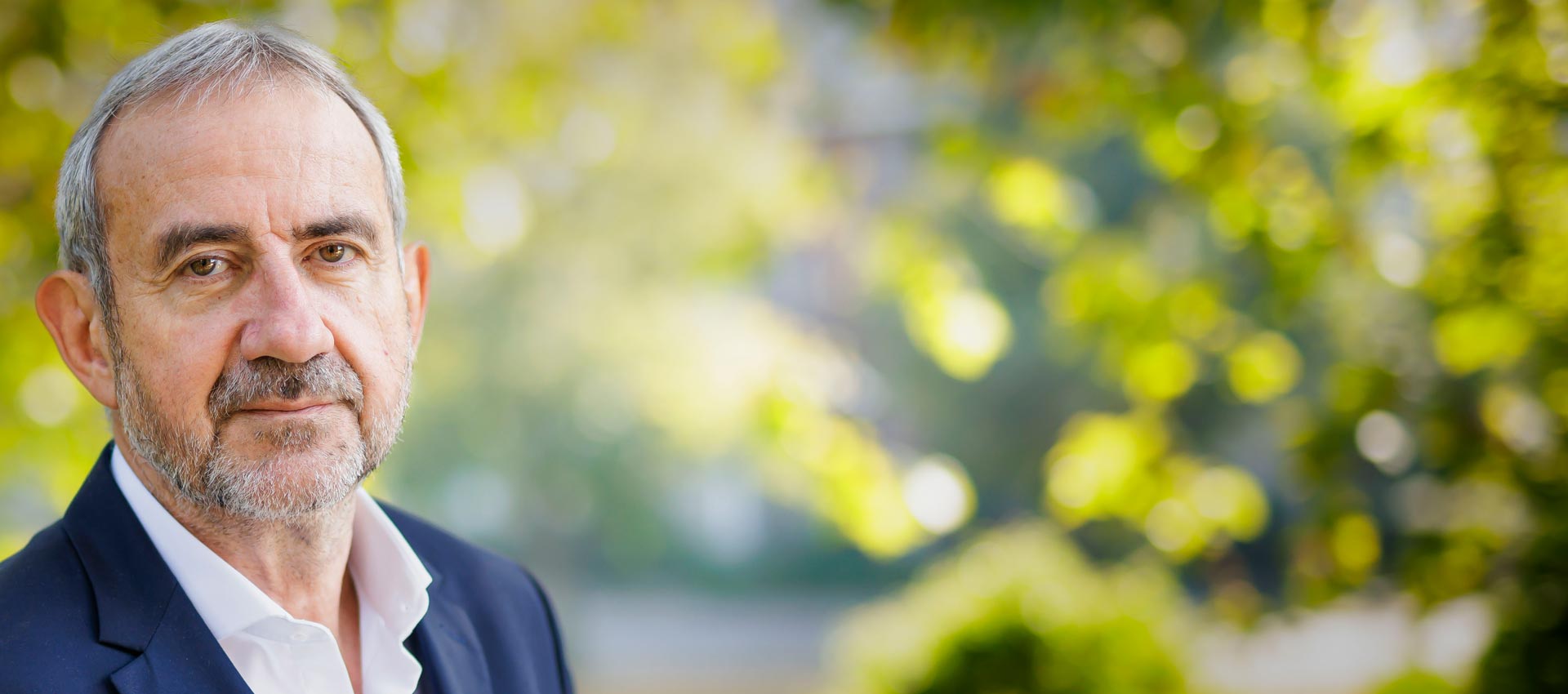
Photo: Stefan Simon