Criminal organisations have discovered the art world – not by attending openings with a glass of wine and a catalogue of the collection, but by going on raids armed with sledgehammers and crowbars. What can be done in the face of this new and threatening reality? LKA expert René Allonge and Stefan Simon from the Rathgen Research Laboratory have answers at the ready and can look back on the resolution of two spectacular art-related crimes.
“Another break-in in France: Several Renoir paintings stolen from a museum”, “Art theft in Italy: Thieves break into a museum and steal famous works”, “Swiss museums in the crosshairs: how unscrupulous art thieves operate” – these are just a few of the headlines in the culture sections of newspapers and news websites over the last few days. One gets the impression that Europe is currently being swept by a wave of art thefts. And indeed, experts agree that organised crime has increasingly specialised in art theft. Their methods are becoming increasingly brutal: explosives, axes, crowbars – the thieves operate with extreme brutality, audacity and brazenness. Whether in the small watch museum in Le Locle or the world-famous Louvre, the gangs of thieves apparently stop at nothing. So what can museums do to protect their treasures?
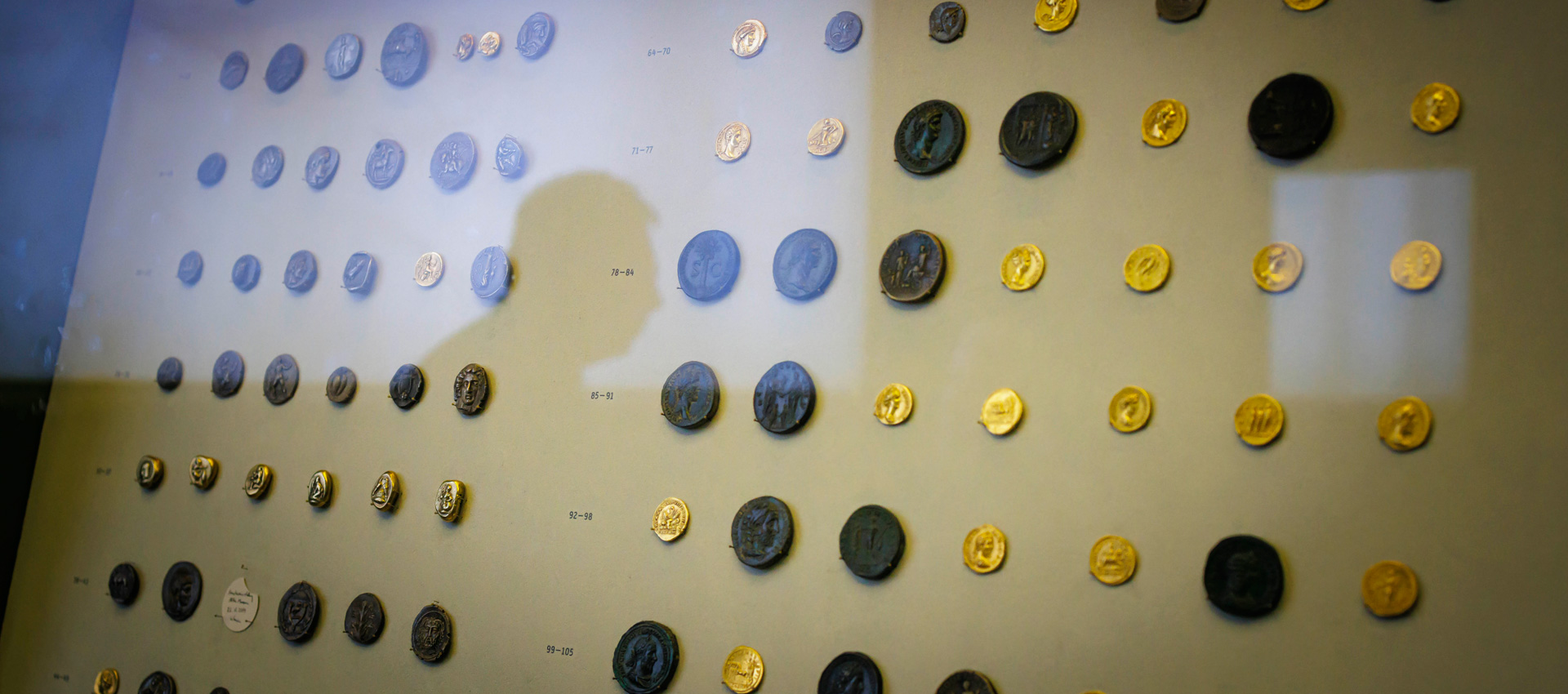
Standing by and doing nothing is not an option. In France, where there have already been four museum break-ins and several attempted break-ins this summer, a detailed action plan has been drawn up for more than 3,000 museums, monuments and churches. And within the SPK, too, the issue of security is a top priority – certainly since the spectacular coin heist at the Bode Museum.
“Just like on CSI”
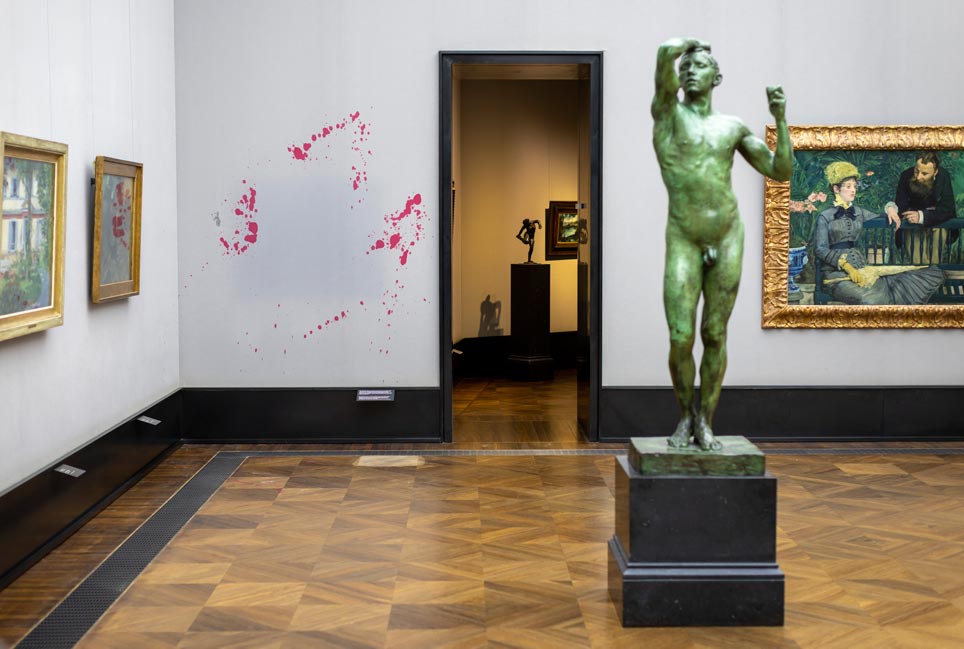
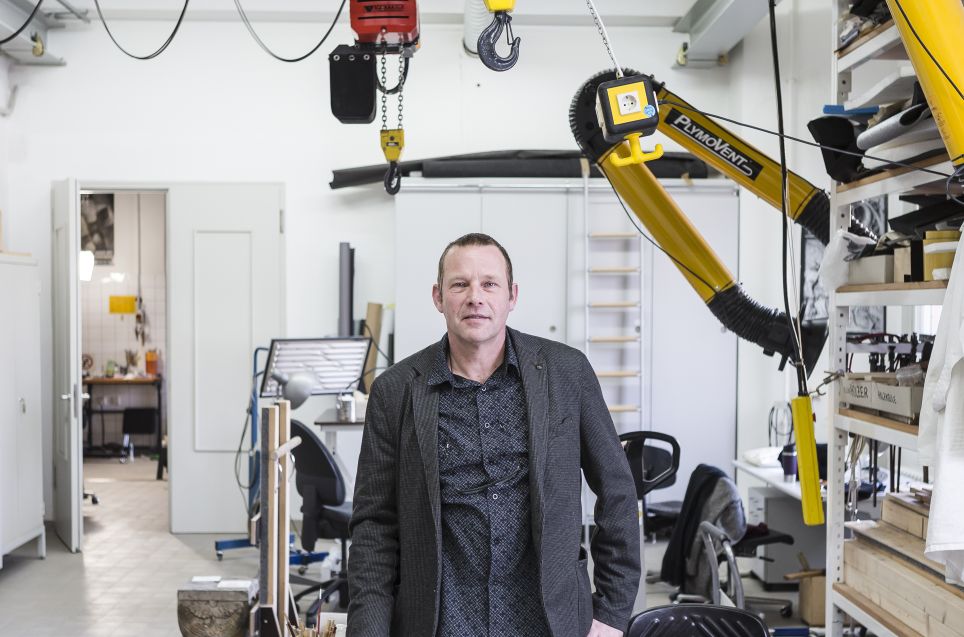
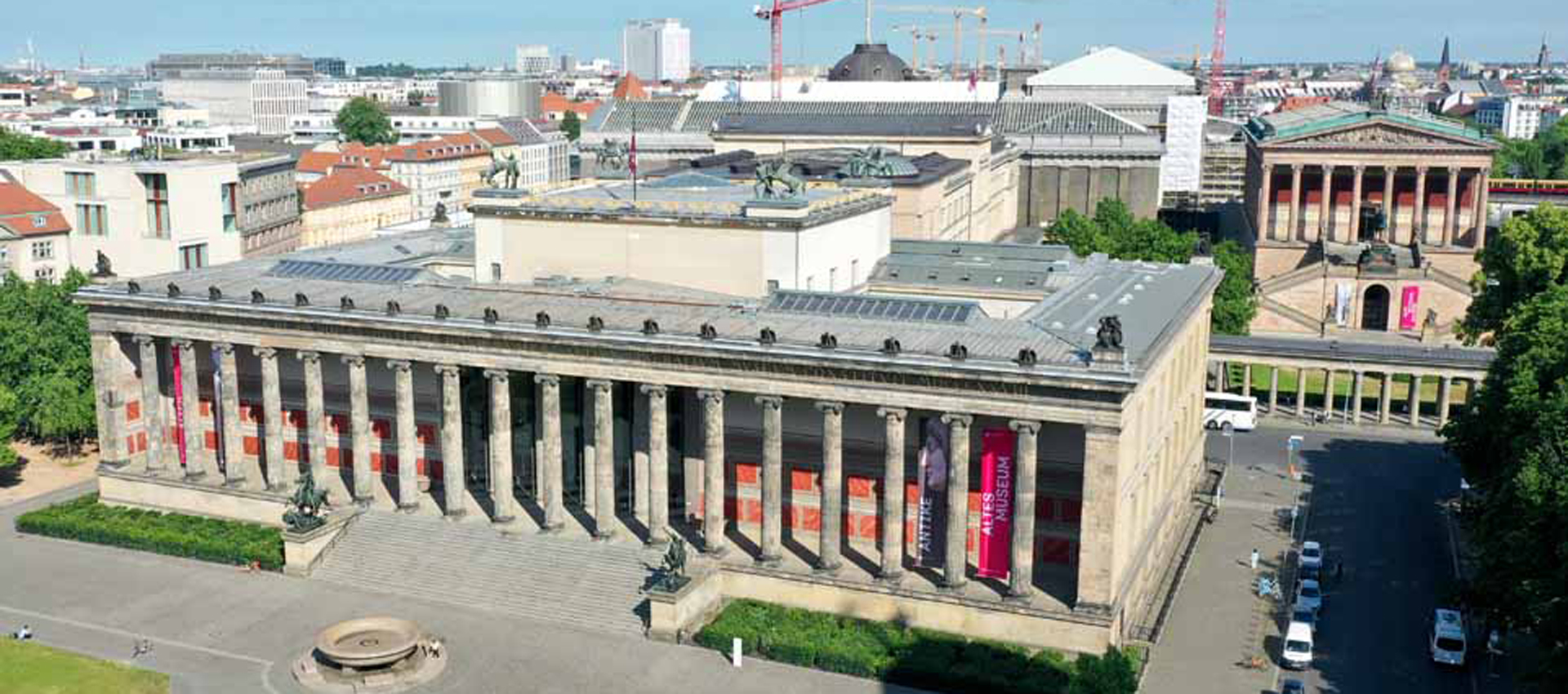
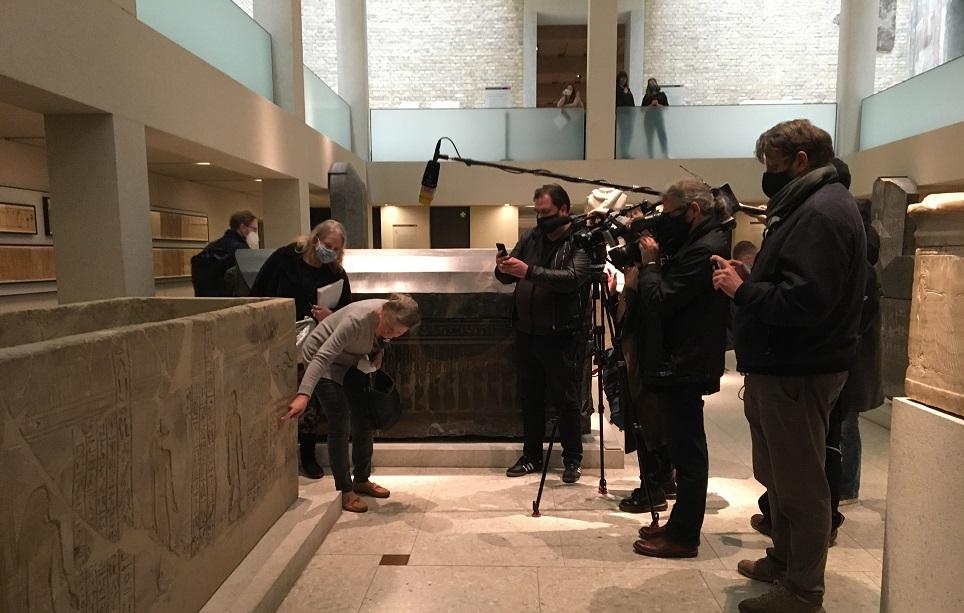
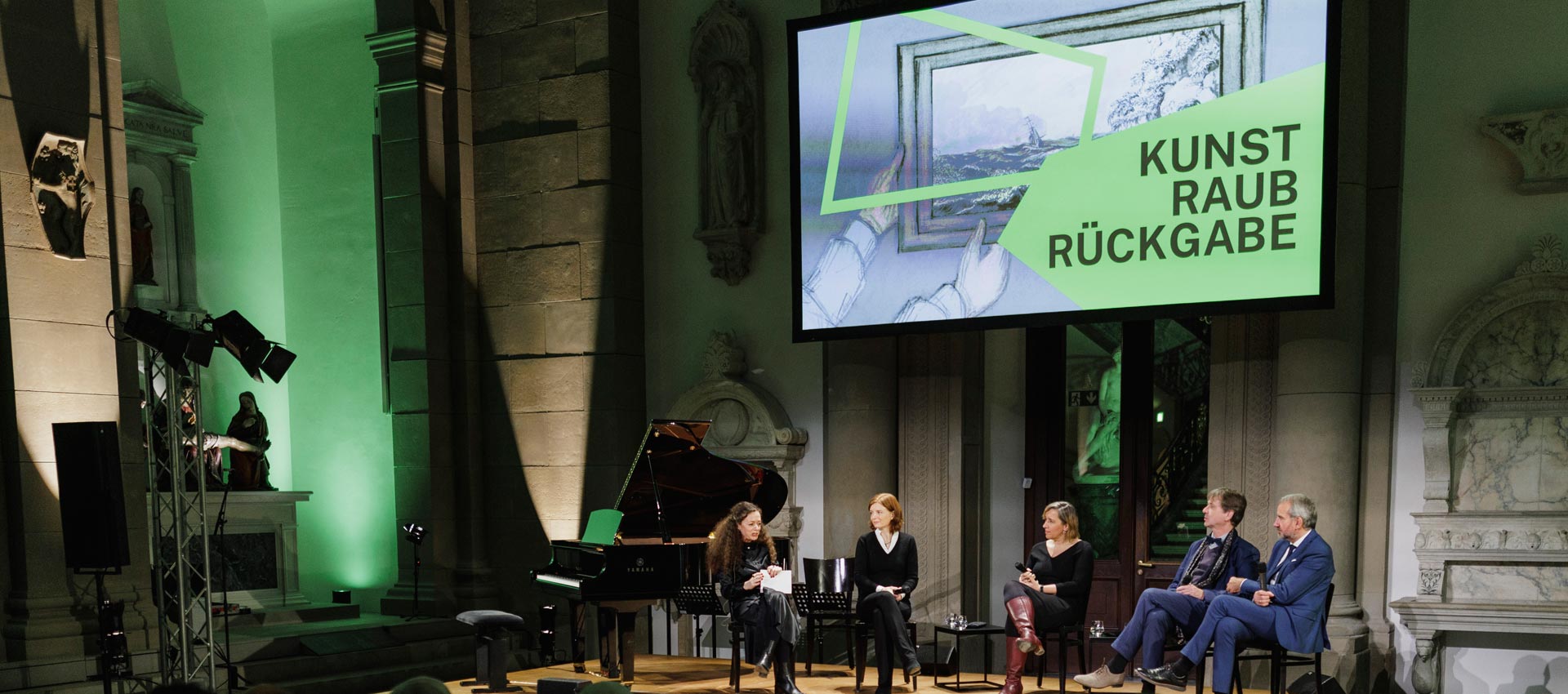
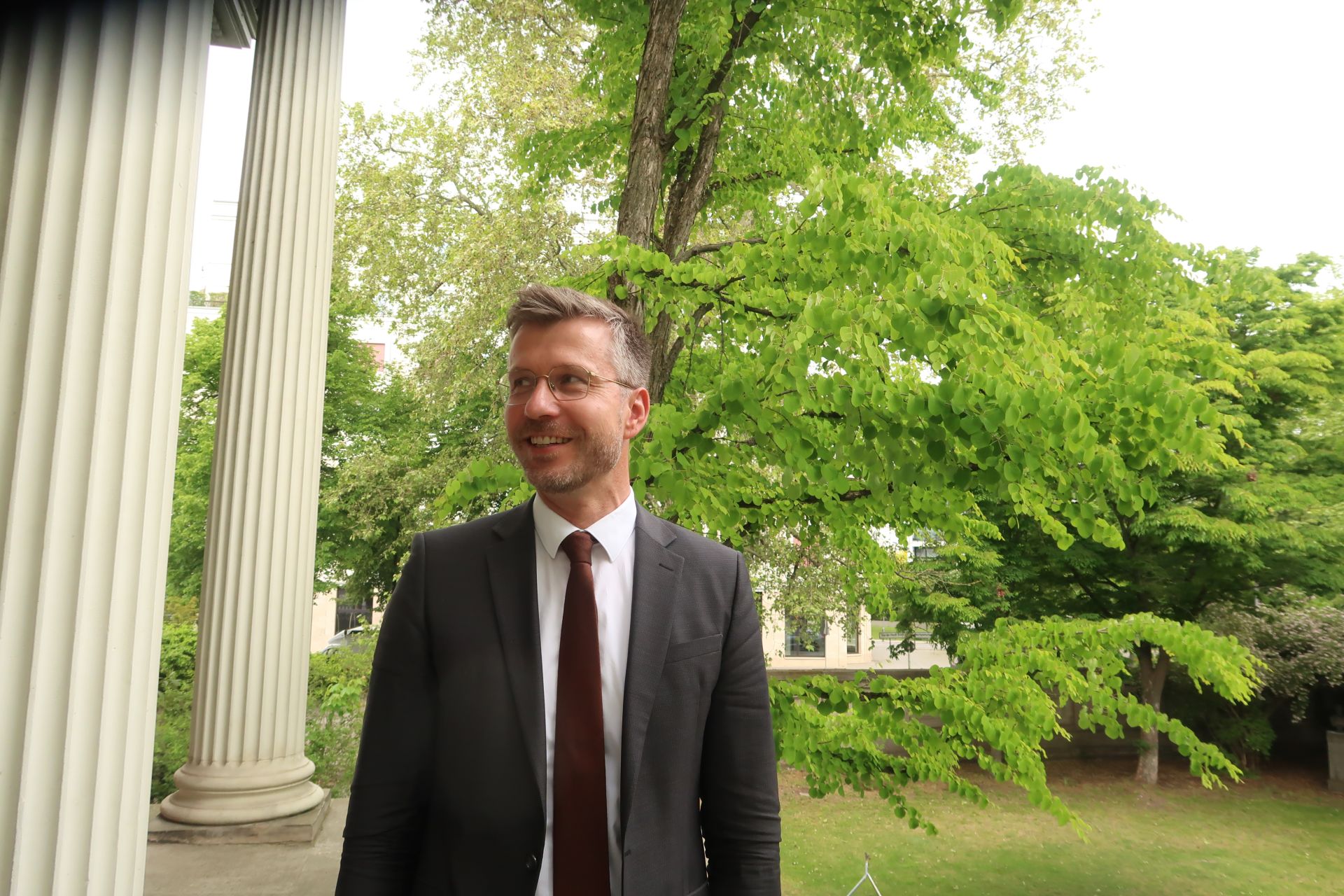
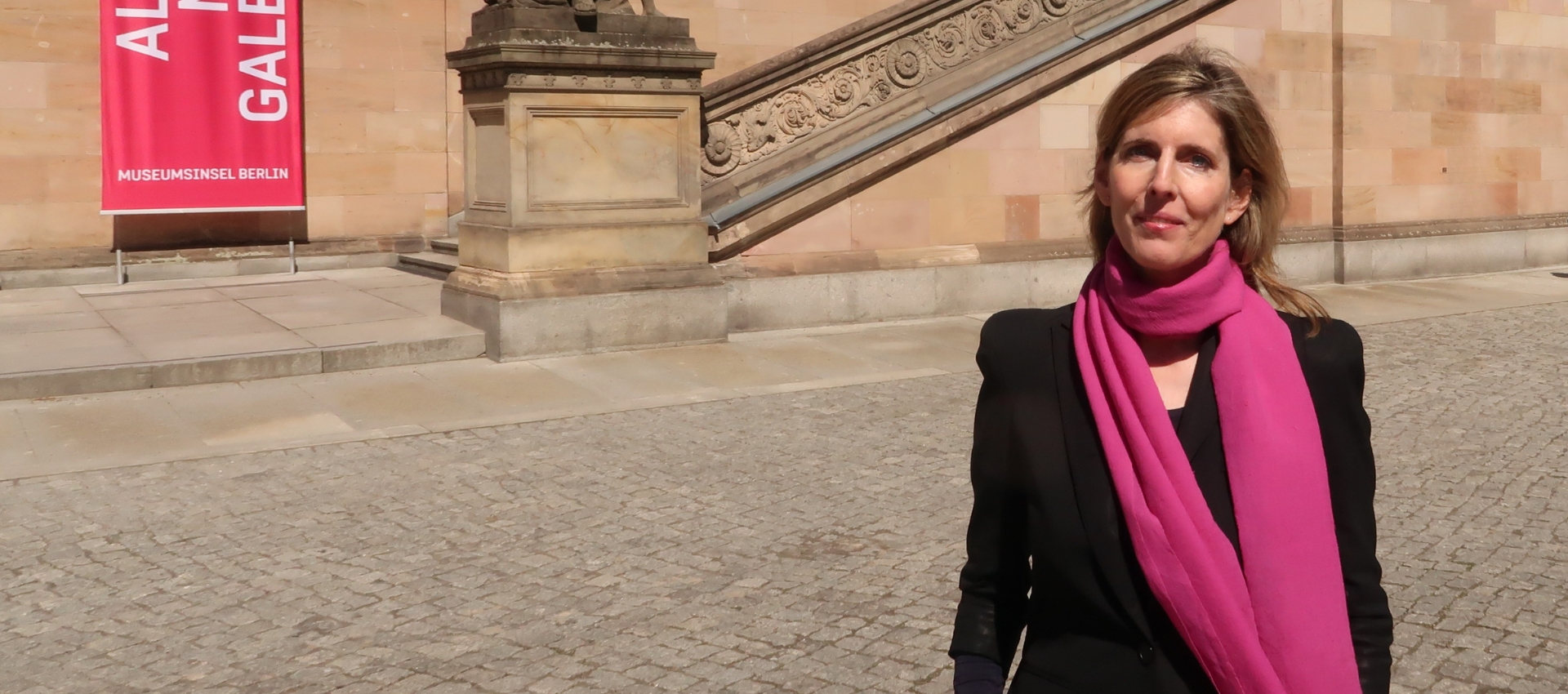
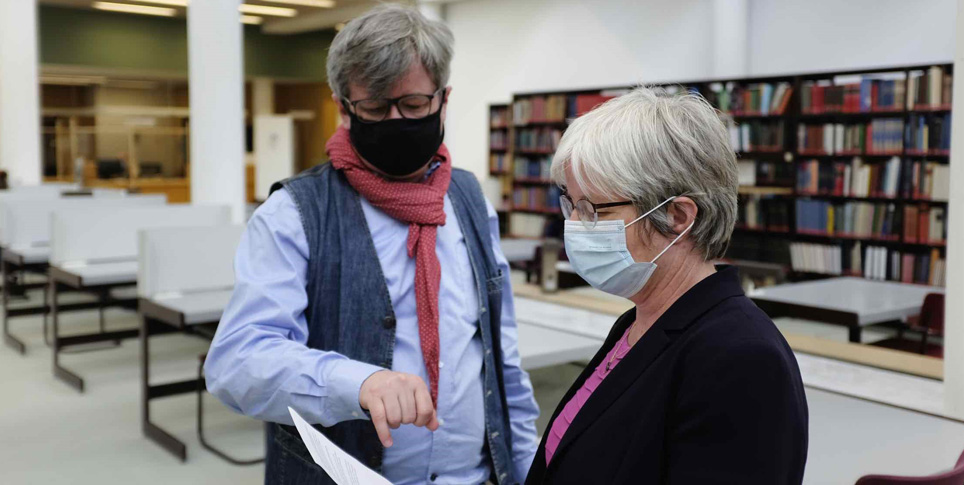
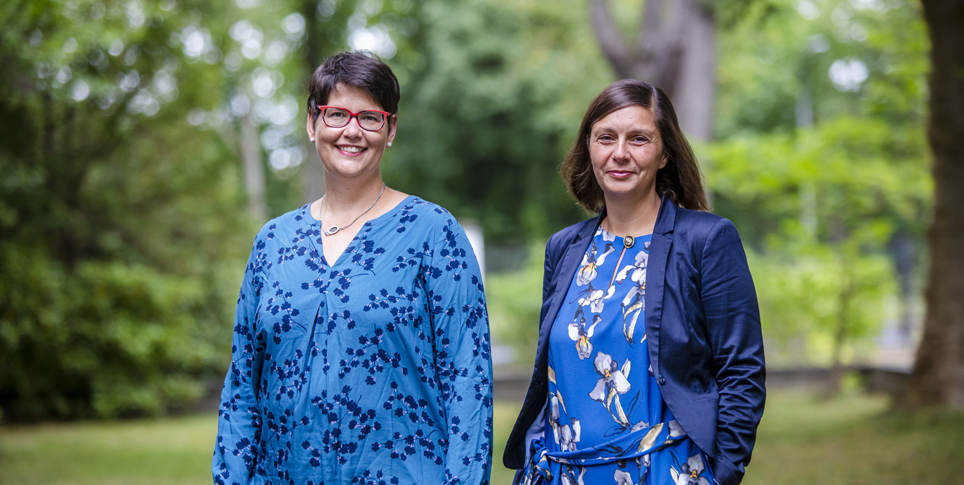
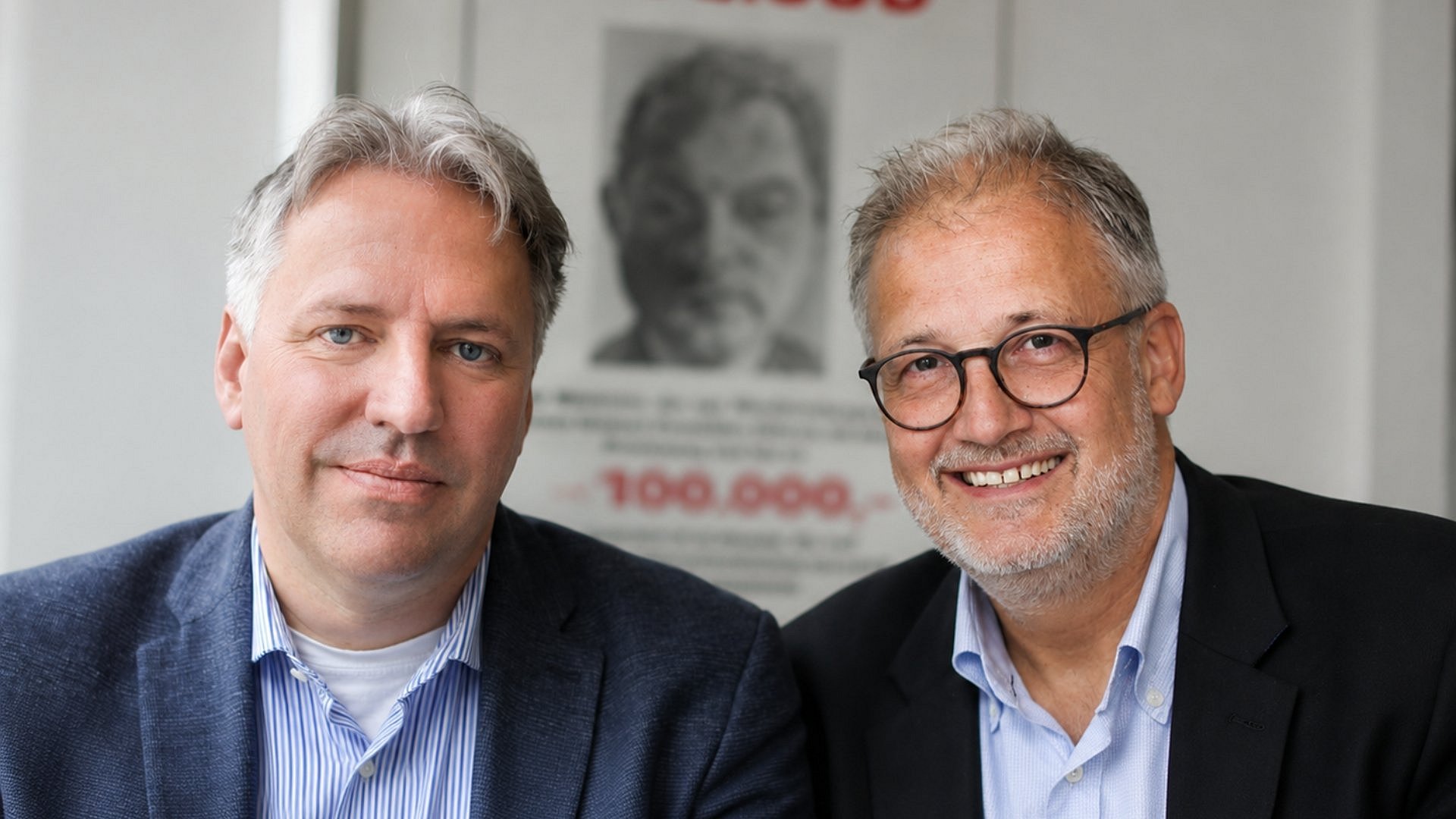
It was at this very ‘crime scene’ that, on the occasion of the Long Night of Museums, two people met who know the subject like no one else: Stefan Simon, Director of the SPK’s Rathgen Research Laboratory, and René Allonge, Head of the ‘Art Crime’ Unit at the Berlin State Criminal Police Office. In a very well-attended talk on the topic “How do you convict art thieves and forgers?”, both spoke about spectacular cases on which they had collaborated, and the future of museum security – but more on that later.
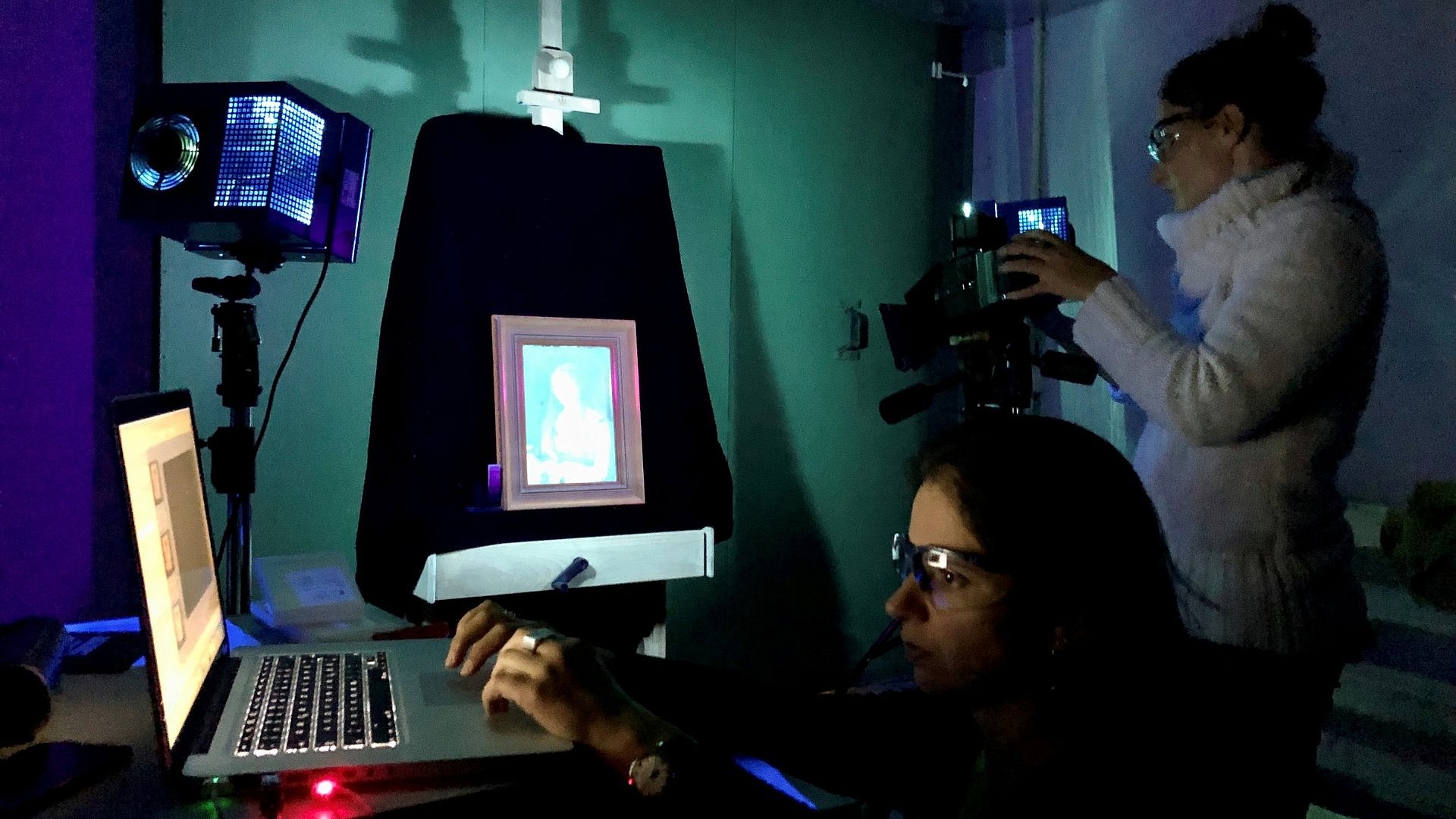
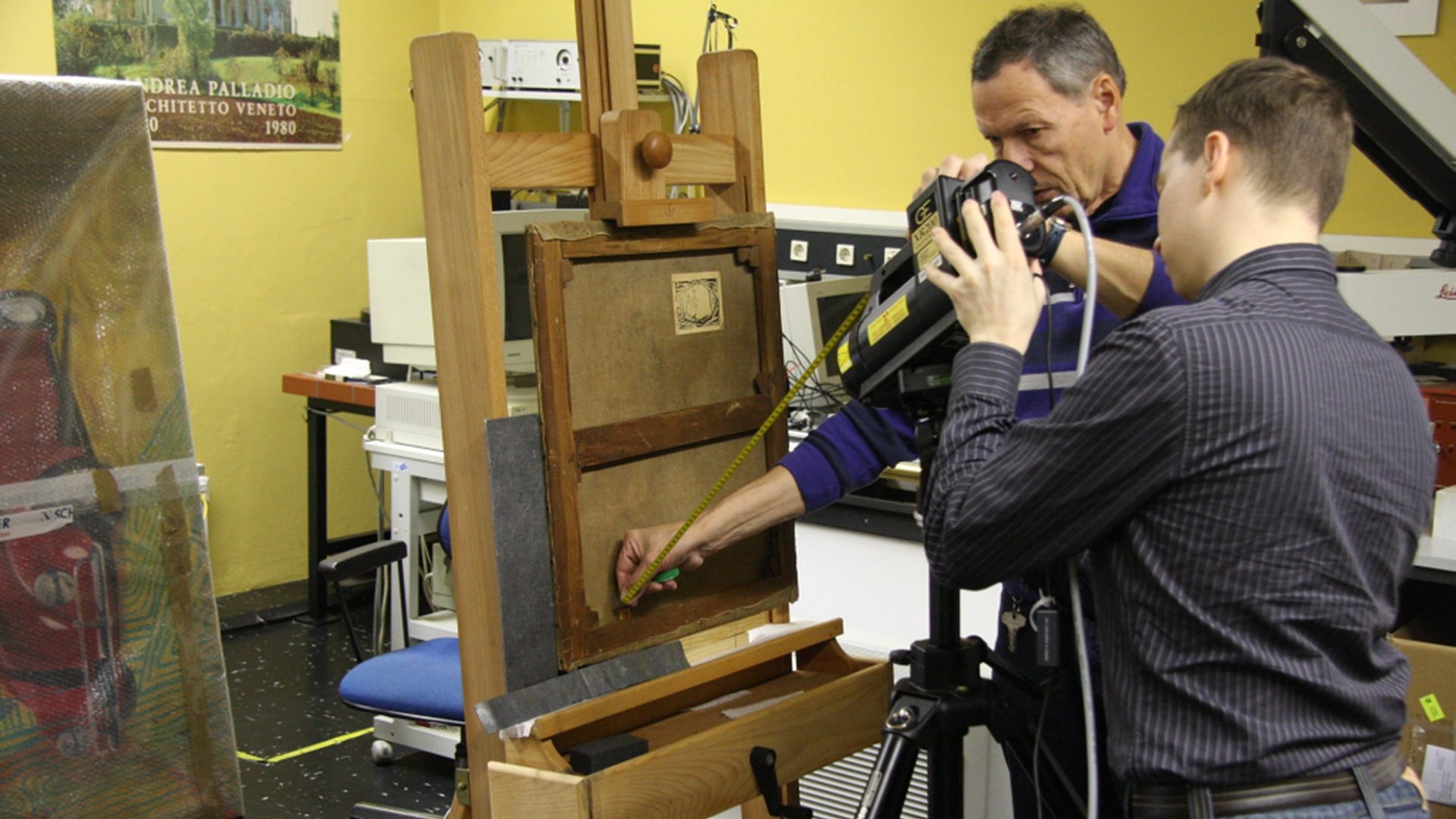
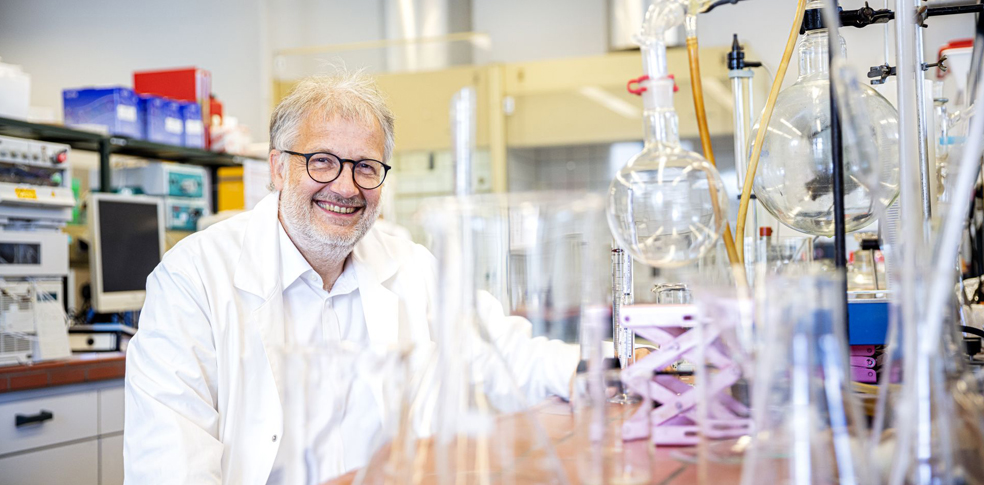
But how did this collaboration between an investigator and a chemist actually come about? “You can imagine it a bit like on TV – like in CSI,” explains Allonge. “As an investigator, I sometimes reach my limits. For example, I might want to know whether a work of art is genuine or a forgery. And if our forensic team can’t uncover certain details because it’s a sophisticated forgery, then I know who to call. That’s Professor Simon.”
The Beltracchi case
The two were brought together in 2010 by the case involving Germany’s probably best-known art forger, Wolfgang Beltracchi, a man who not only pulled the wool over the eyes of art experts and auction houses, but also caused damage amounting to 35 million euros. With the help of the expertise of Stefan Simon and his team at the Rathgen Research Laboratory, the colour pigments in Beltracchi’s forgeries were unequivocally dated to a time after the alleged date of creation, thereby exposing the forger.
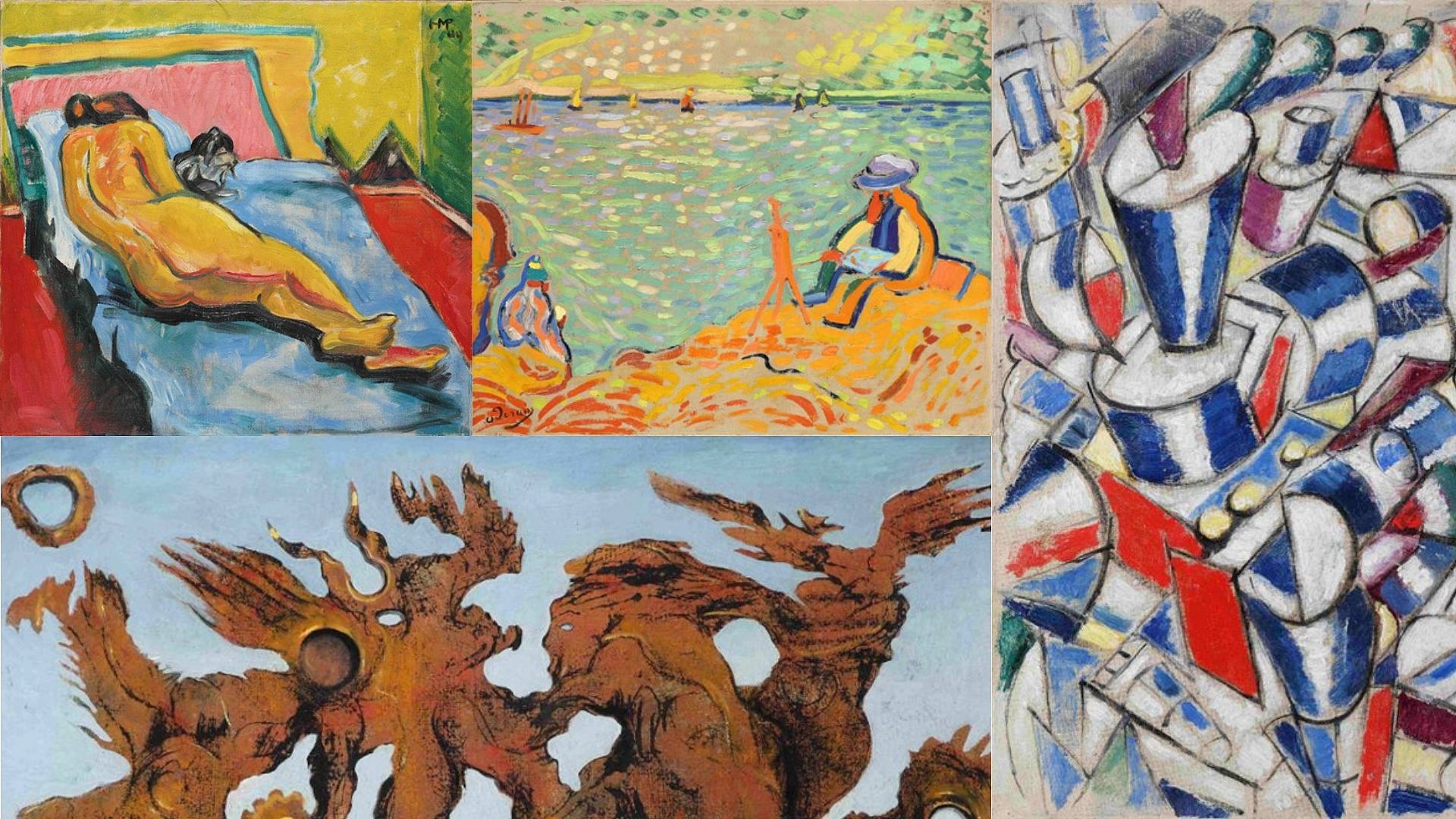
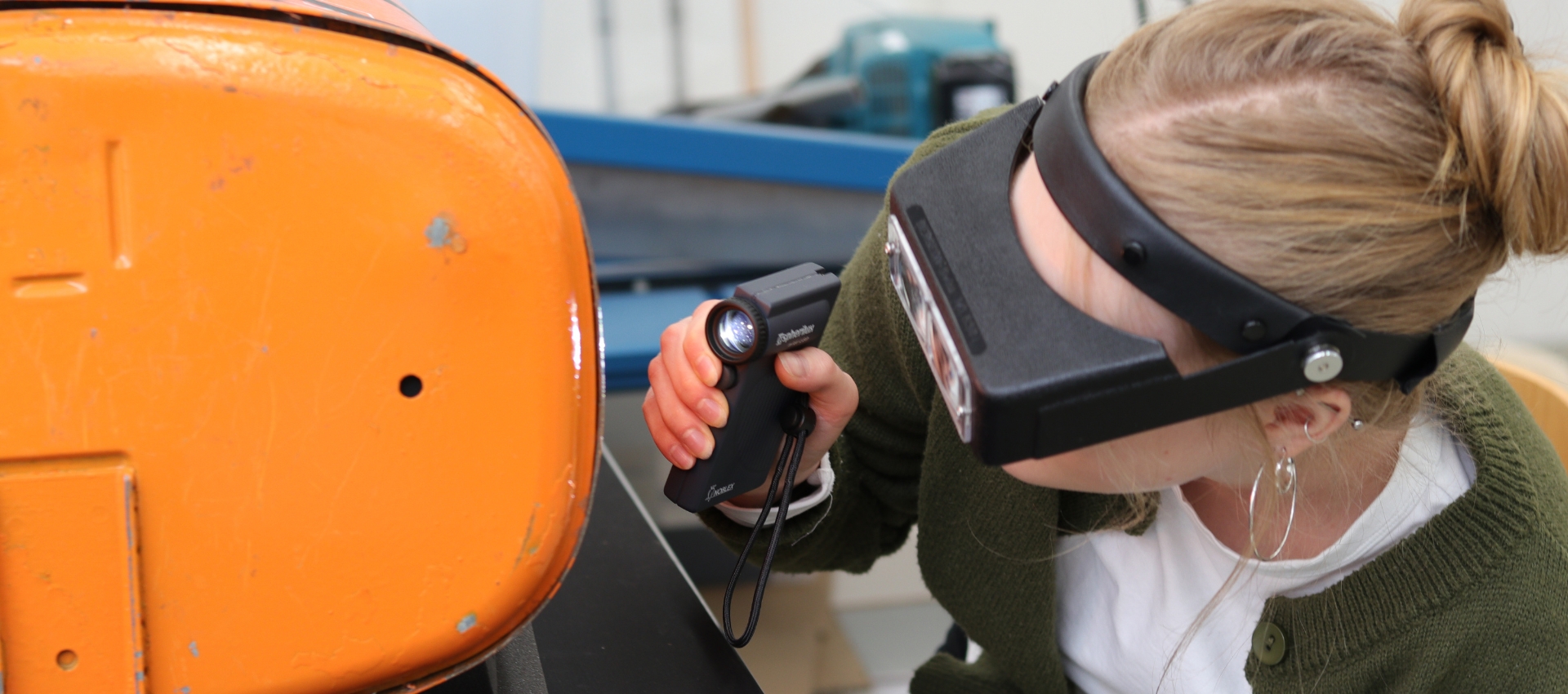
“We used to have an advantage over many laboratories in Germany in that we could take samples without it being obvious that a sample had been taken,” explains Simon. This virtually non-destructive method allows the Rathgen Research Laboratory to verify the authenticity of works of art without causing curators and conservators any headaches. Allonge and the LKA also rely on this expertise, built up over many years.
The Gotha Art Theft
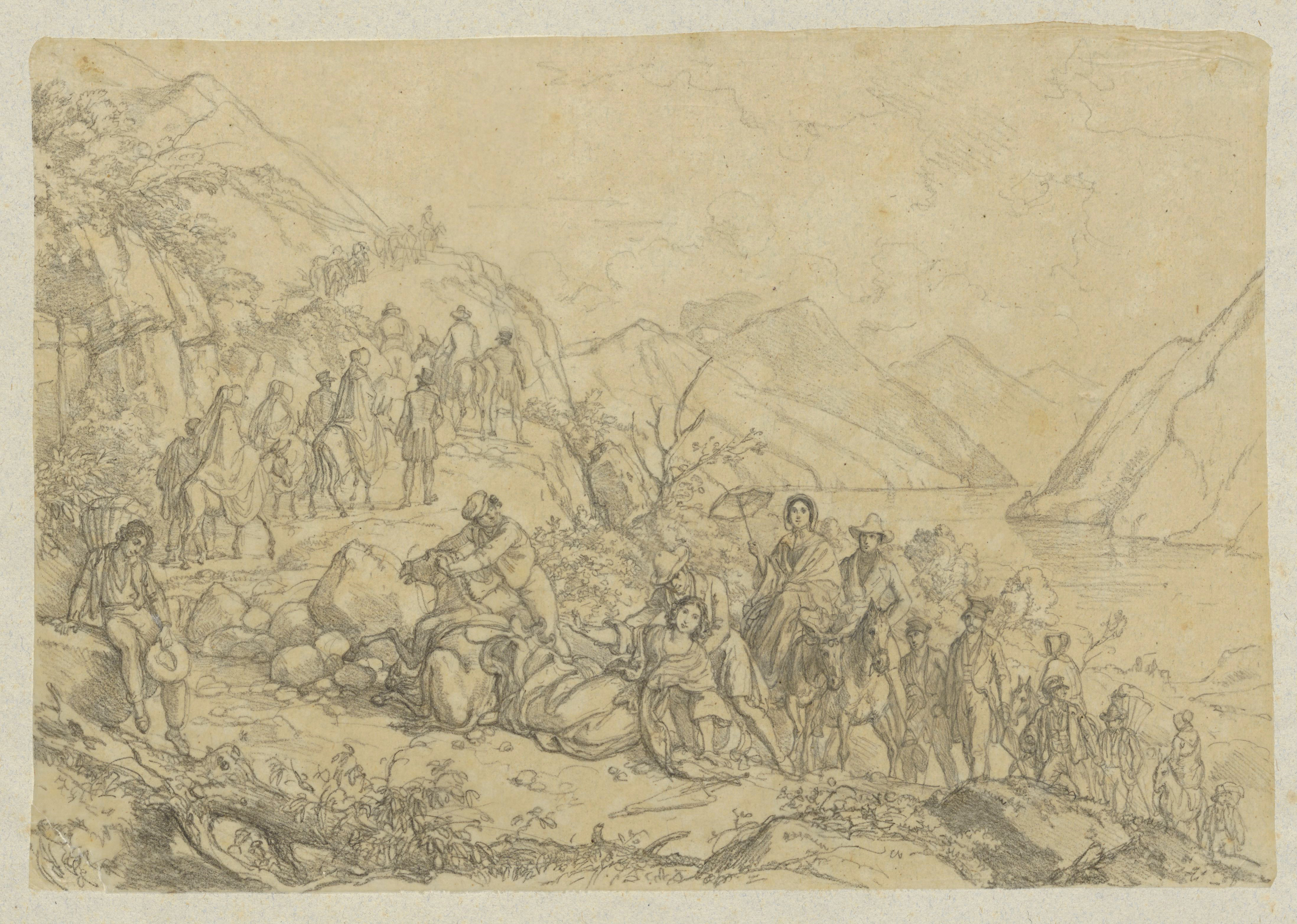
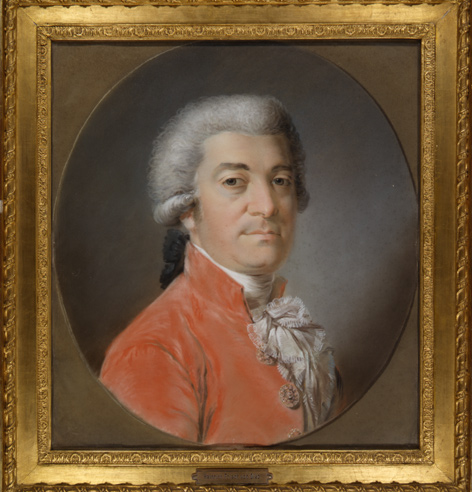
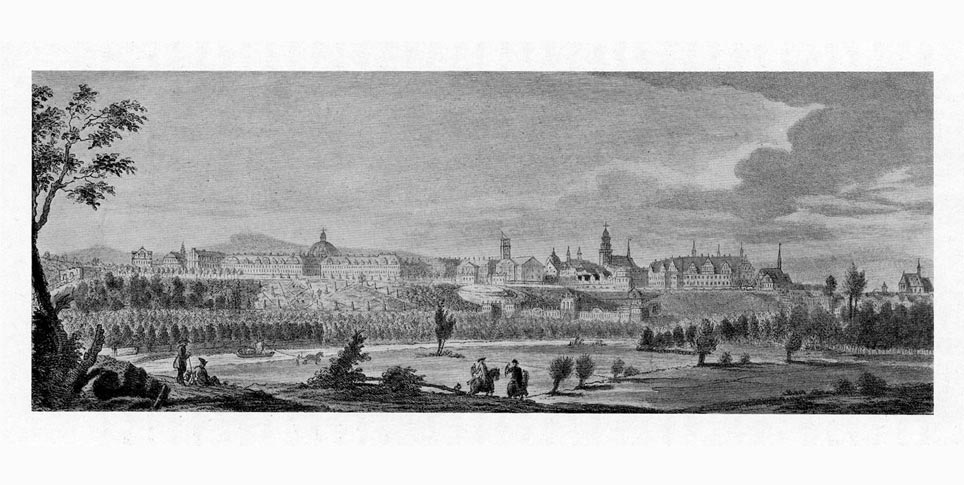
Both were also able to conclusively solve a case that bears a strong resemblance to the present day. In 1979, five Old Master paintings were stolen from Friedenstein Castle in Gotha. And 40 years later, Allonge and his colleagues recovered the paintings at the Rathgen Research Laboratory. The paintings were to be examined there to determine whether they were indeed the works stolen from Gotha.
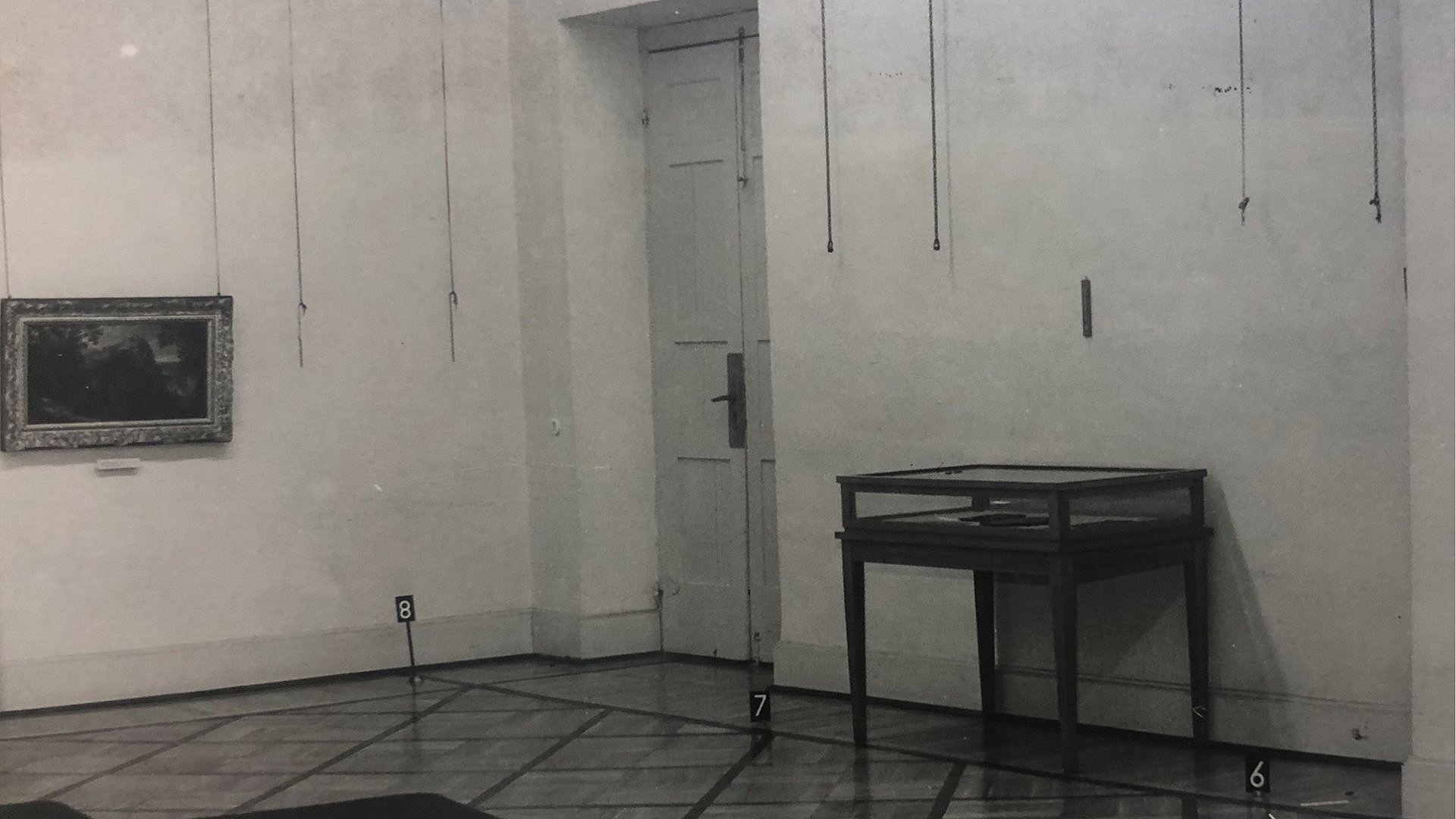
But how did the paintings end up in the Rathgen Research Laboratory? Through indirect contacts, a family and their solicitor approached the city of Gotha in 2018 to offer to return the stolen goods that had been taken at the time. This was because, under criminal law, the statute of limitations had expired on the theft; the family invoked ‘acquisition by adverse possession in good faith’ – the acquisition of ownership after a certain period of possession – but the Friedenstein Castle Foundation had never lost its ownership rights to the paintings as a result of the unlawful removal. It was agreed that the paintings would be examined for authenticity at the Rathgen Research Laboratory. Simon agreed, but only on condition that Allonge and the State Criminal Police Office (LKA) were involved, as it remains unclear to this day who were the masterminds behind the theft at the time. There were rumours of involvement by the Stasi and other secret services, and Stefan Simon feared that the paintings, in his care alone, might not be as secure as necessary.
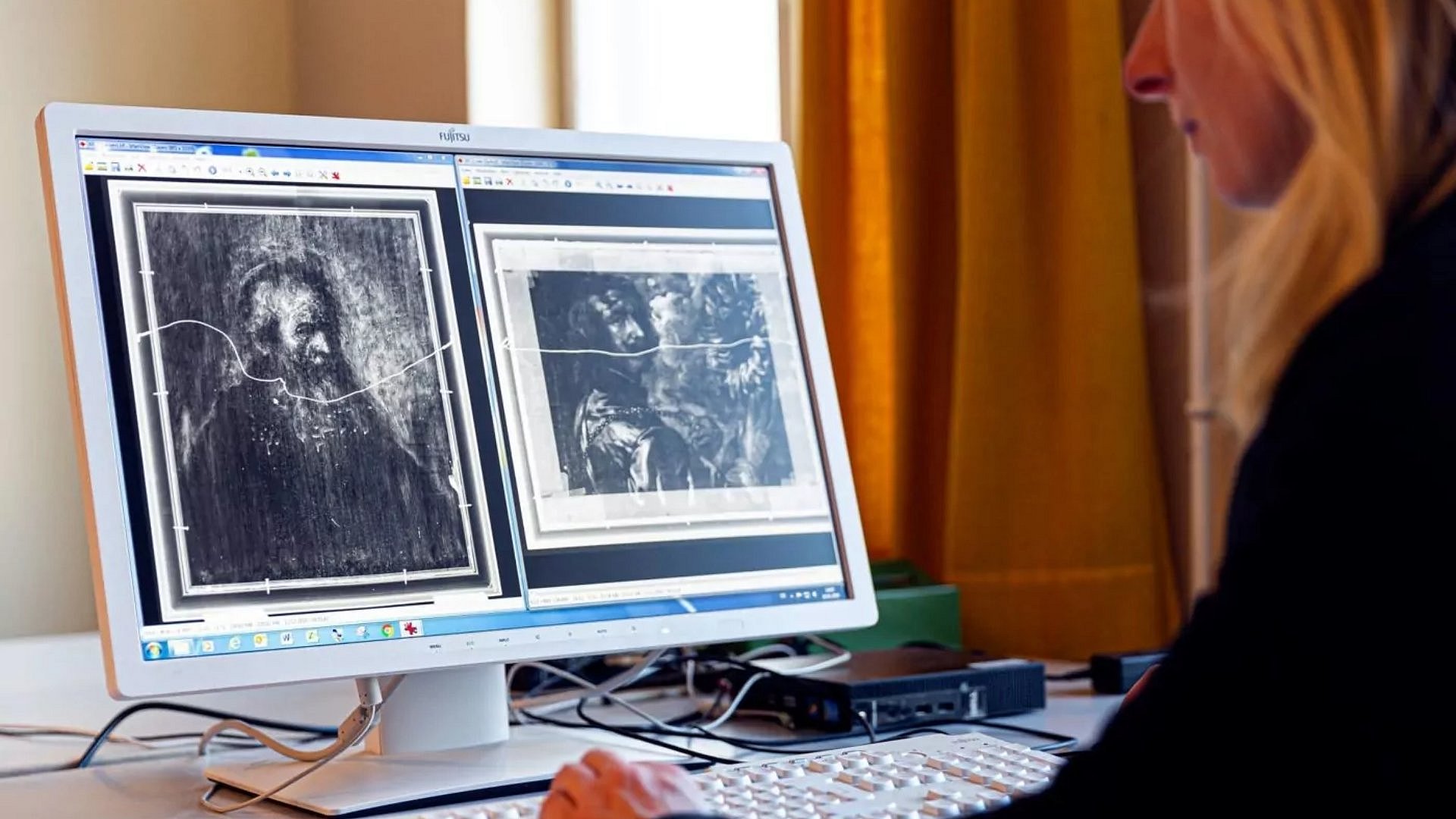
The actual examination of the paintings was, in fact, not at all straightforward, as the laboratory initially only had black-and-white images of the works. However, the GDR police files contained a reference to missing X-ray images of the paintings. The Rathgen Research Laboratory was able to work with these. Through a series of twists and turns, it was discovered that the estate of the radiologist who had taken these images at the time was held at the German Röntgen Museum in Remscheid. By comparing the texture of the canvas and wood with the works in question, the paintings could be identified beyond doubt as the stolen artworks from Gotha.
The whole town was in an uproar – the woman at the ticket booth just as much as the managing director
Stefan Simon
To this day, the Rathgen Research Laboratory maintains close ties with the town and Friedenstein Castle, and organises regular trips there. “The whole town was in a right state when the photos came back – from the lady at the ticket office right through to the Director-General of the Friedenstein Castle Foundation. I’ll never forget that,” enthuses Simon.
Cooperation and networking to combat gangs of thieves
But then the conversation turns to the current threat situation and the tone becomes more serious. “We’re currently seeing a shift here. Just recently, Europol issued a new warning to museums across Europe. A lot is changing in this area right now,” says Simon, who has also been Chair of ICOM SECURITY – the International Committee for Museum Security – since March.
In Germany, the thefts from the Bode Museum in 2017, the Green Vault in Dresden in 2019 and, most recently, the Celtic-Roman Museum in Manching in 2022 are particularly memorable. René Allonge attributes the fact that the country has so far got off lightly in the current wave of pan-European thefts primarily to what happened behind the scenes following the incidents mentioned: museums have joined forces, security managers have networked more closely, and clear security recommendations have been issued.
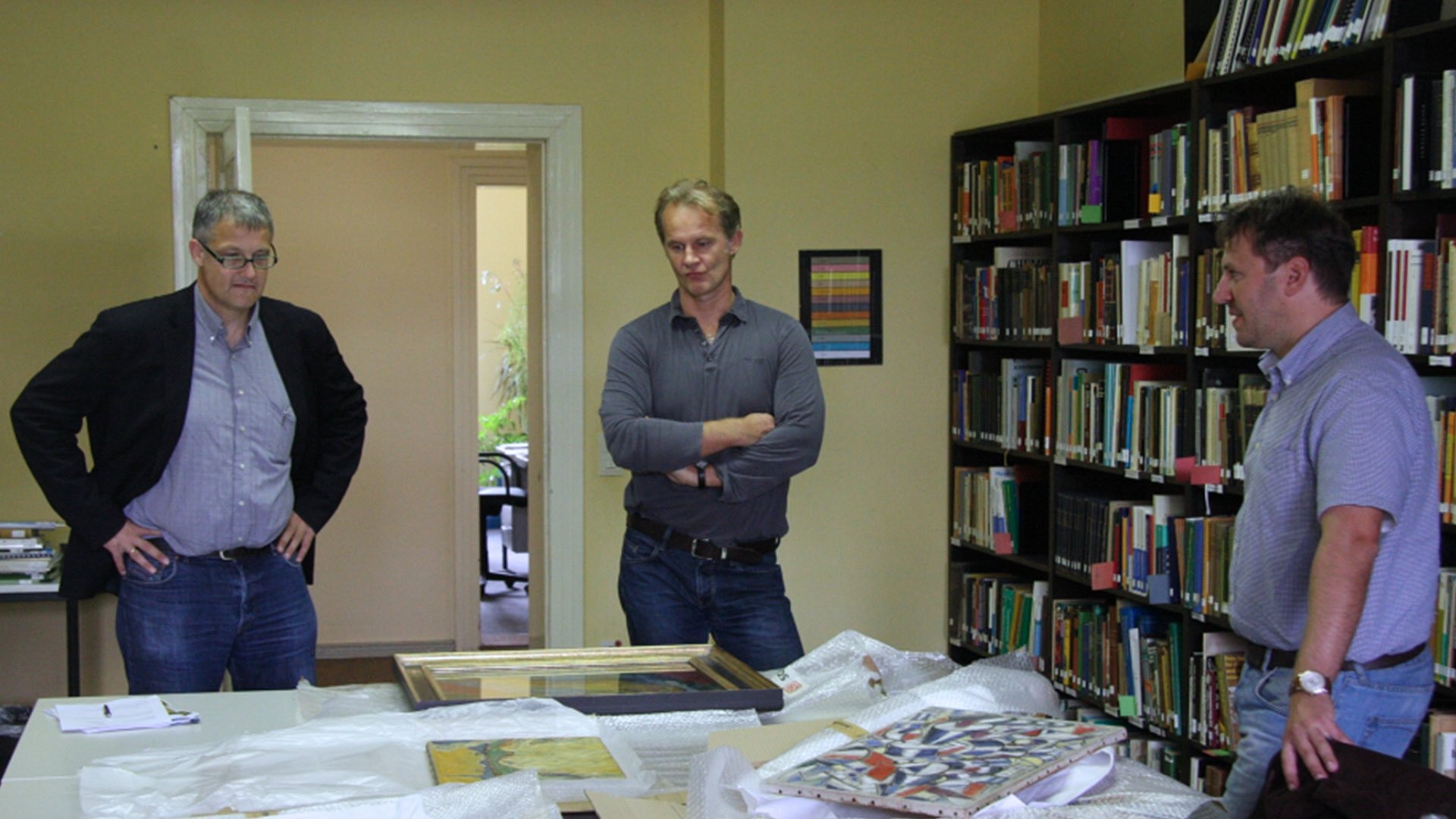
Alongside advances in investigative work and theft prevention, forensics is also a constantly evolving field. For Stefan Simon, one thing is certain: “We have a certain standard here in Germany. And many countries look both at what the police do and at what we scientists do.” However, there is no guarantee that this will remain the case. “It’s not enough to be the world’s oldest museum laboratory (the Rathgen Research Laboratory was founded in 1888 as the first of its kind) if you also have the world’s oldest equipment and, what’s worse, too few staff and not enough young talent.”
To remain state-of-the-art, further investment is needed in security, networking and training, particularly in the field of provenance research. Stefan Simon also has a tip for museums in times of axe-wielding gangs of burglars: “You don’t need to put 57 gold objects in a single display case. A few, shown as examples, might be enough. We can learn a lesson from Manching or Villena. Combined with good security glass, thieves’ lives can be made difficult, but there is no such thing as ‘perfectly’ resistant glass.” And René Allonge adds: “We can’t reveal everything here today, but we’re always a step ahead of what’s publicly known.”
Further links
- Rathgen Research Laboratory website
- Interview: “The Rathgen Research Laboratory and the art looting in Gotha” on the blog of the Berlin State Museums
- Interview with Stefan Simon on the situation facing cultural institutions in Ukraine: “It is pure terror, nothing else”