Berlin isn’t the centre of the universe – there are exciting exhibition projects in other federal states too, for example in Thuringia. To introduce these to Berliners, the ‘Weimar Room’ has now been officially opened at the State Library on Unter den Linden
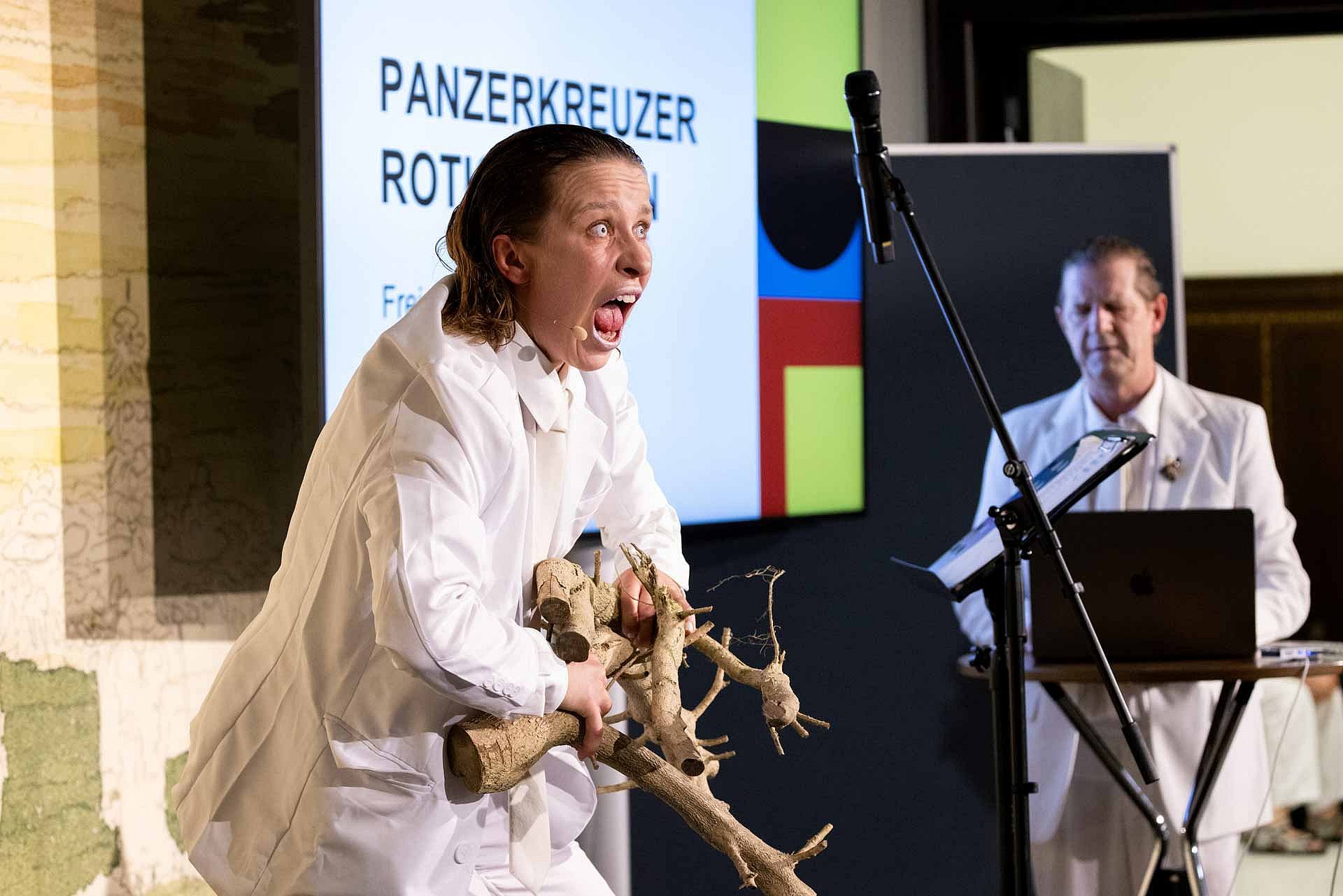
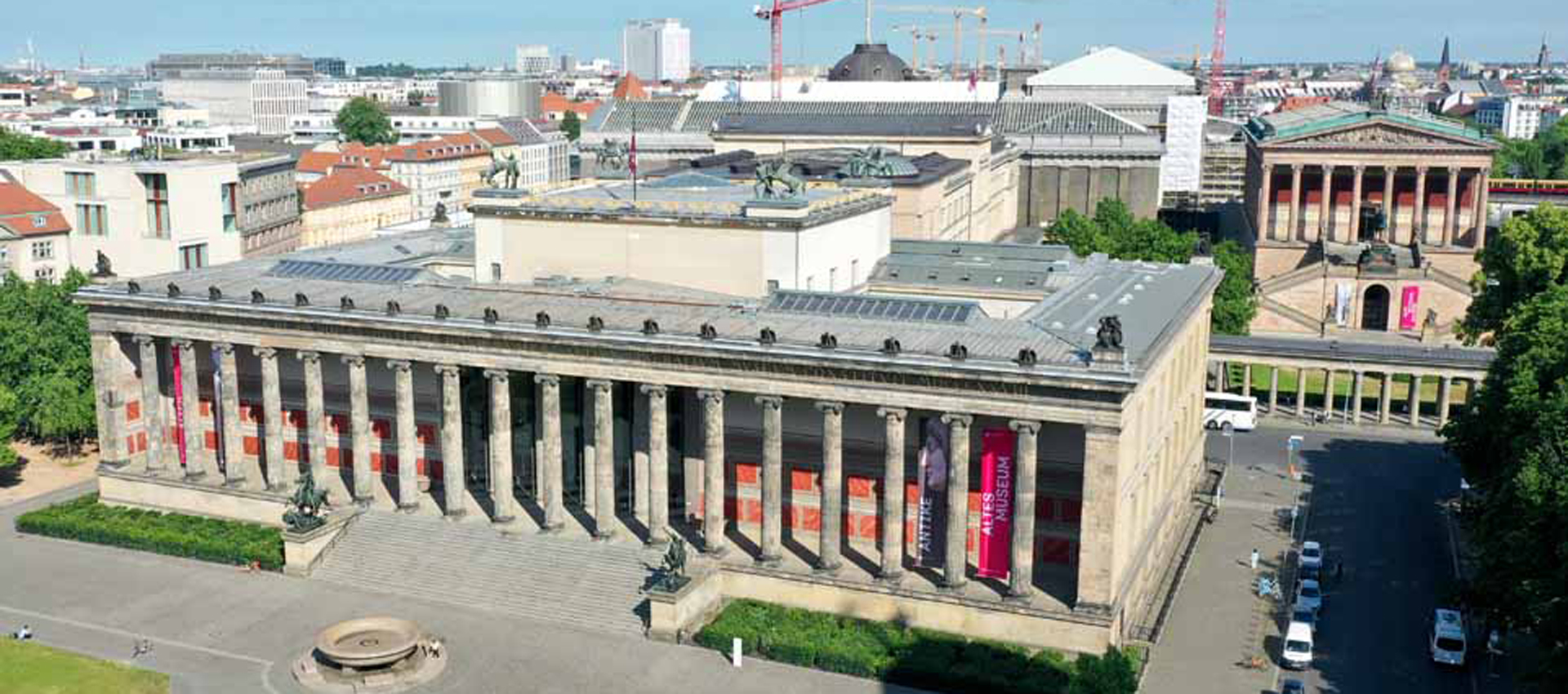
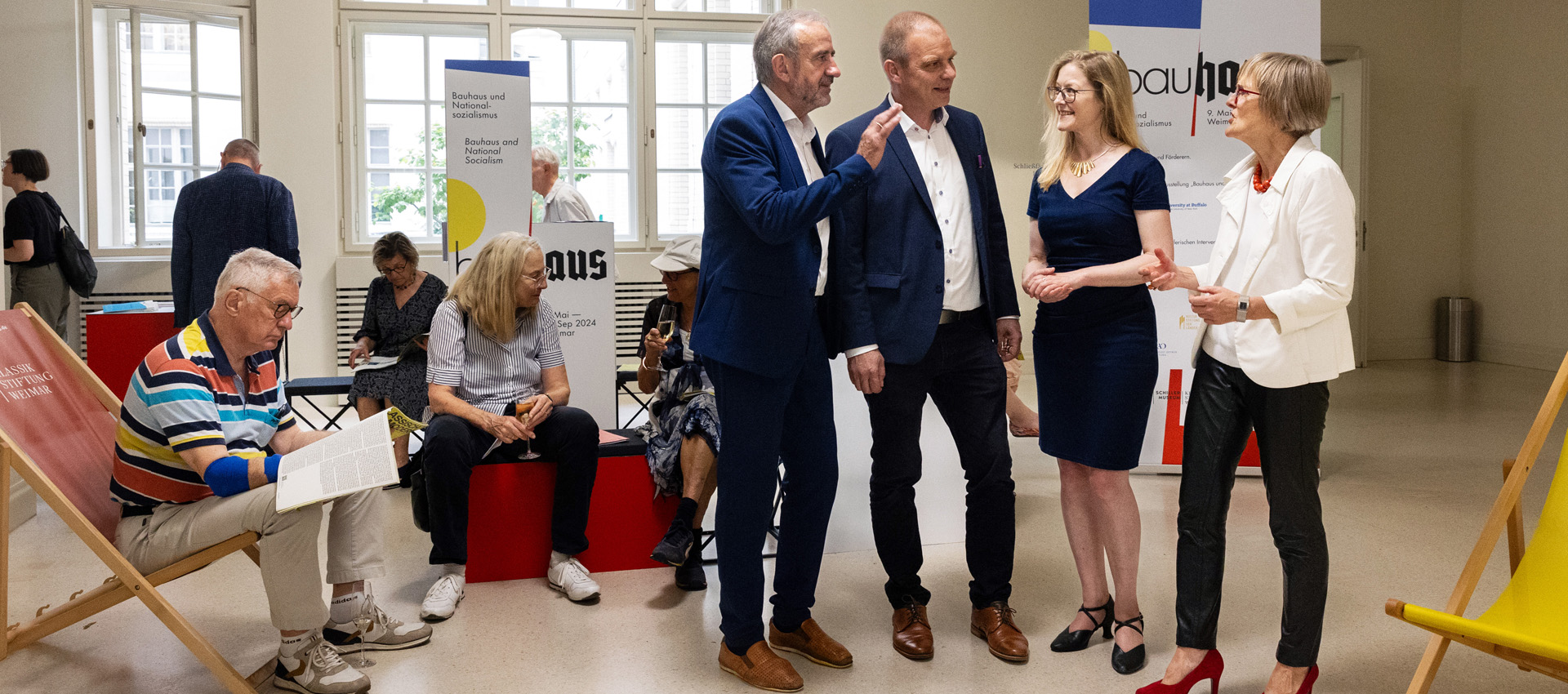
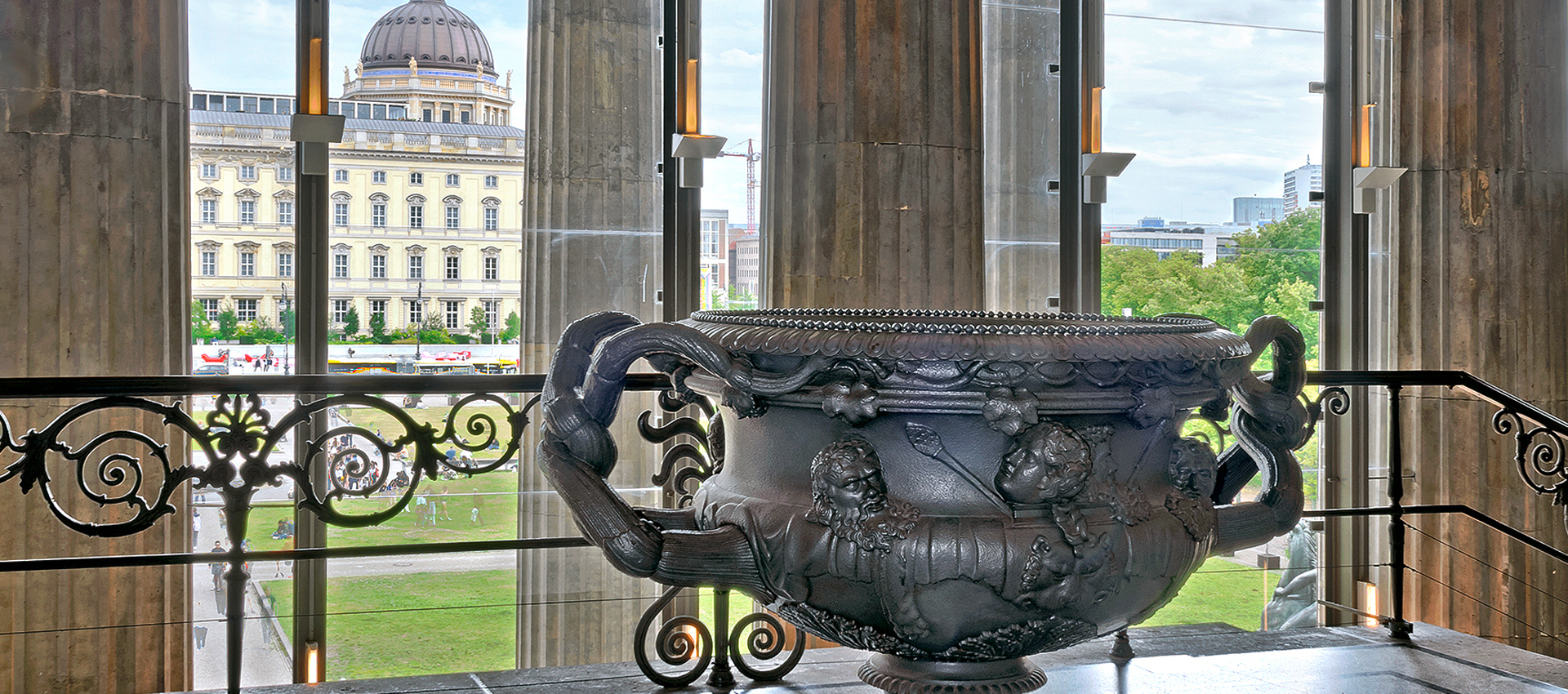
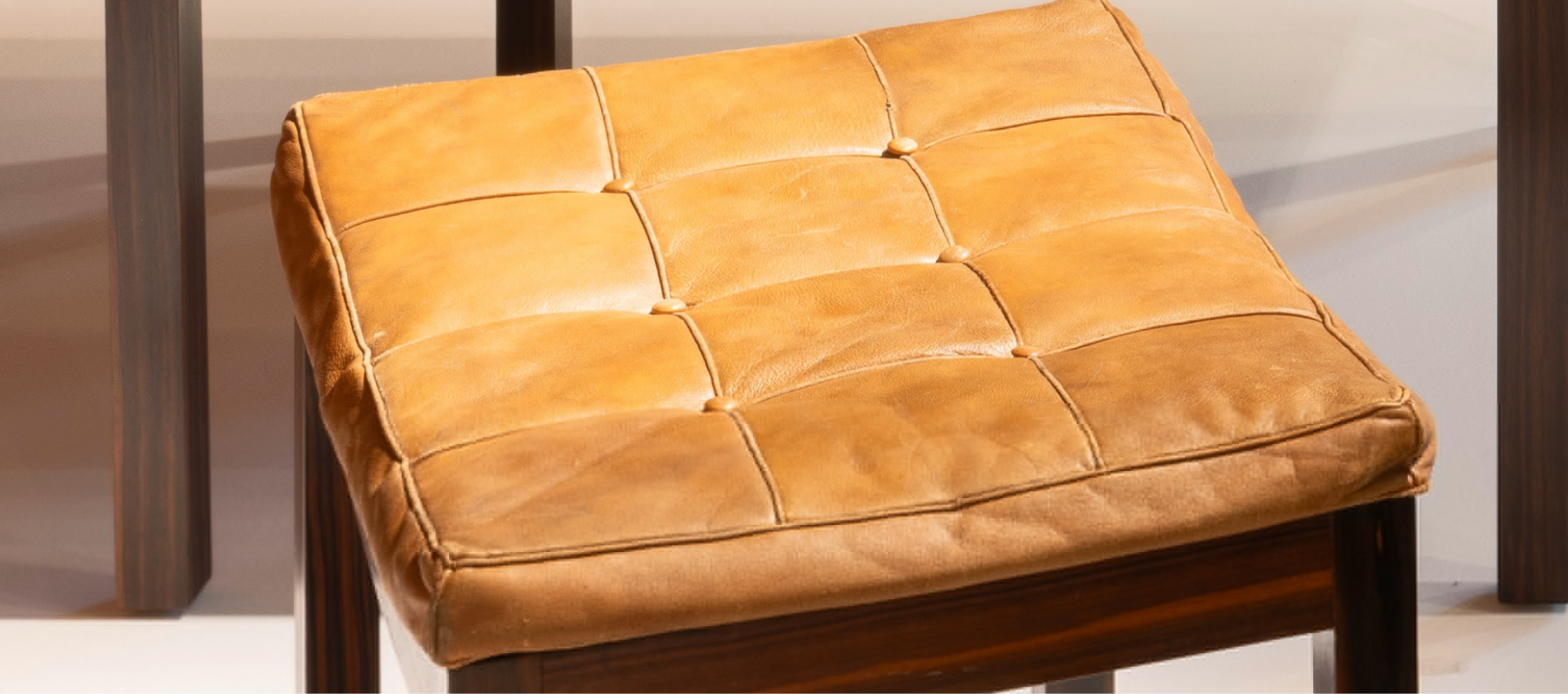
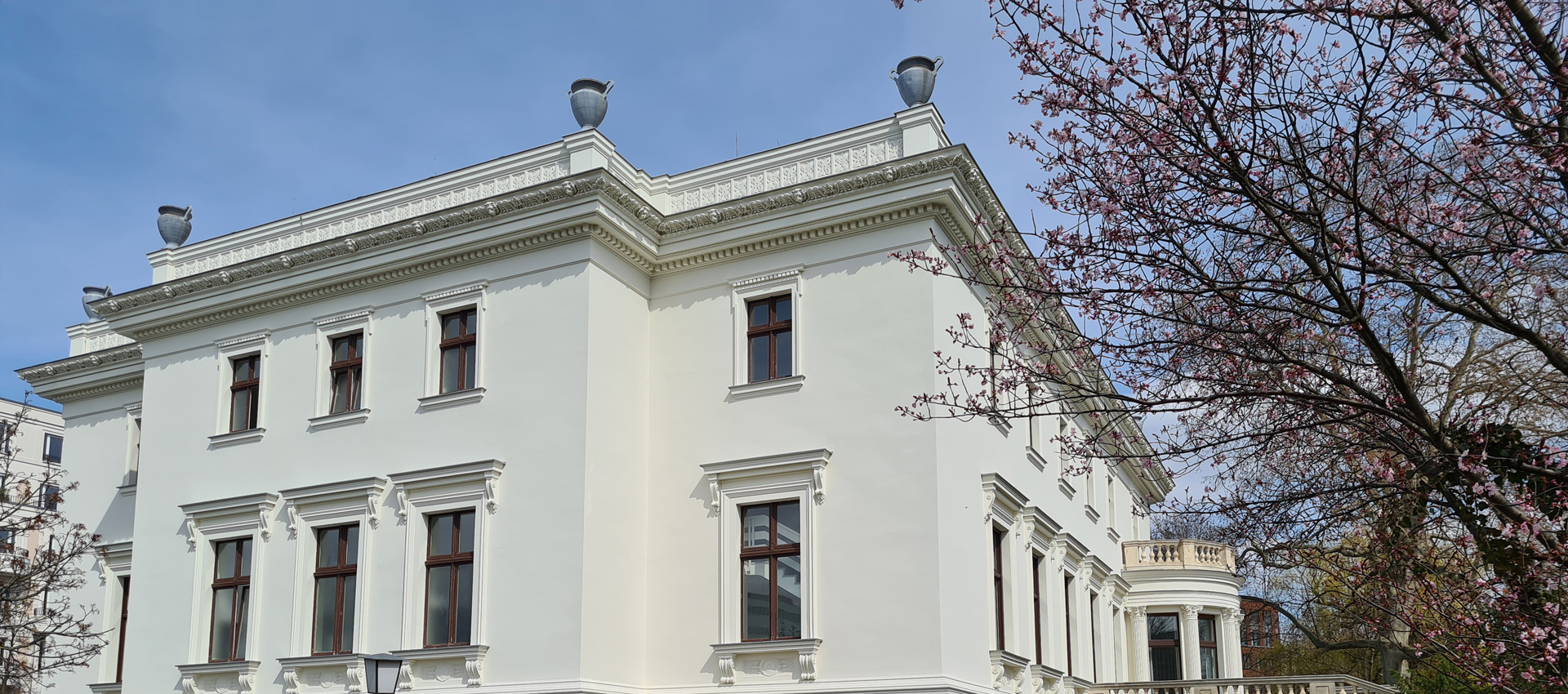
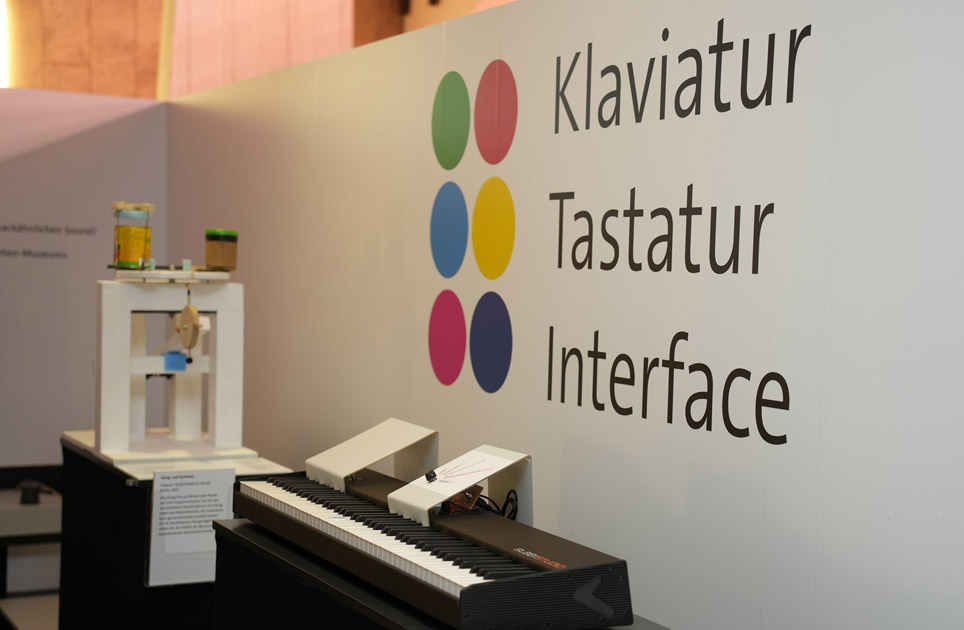
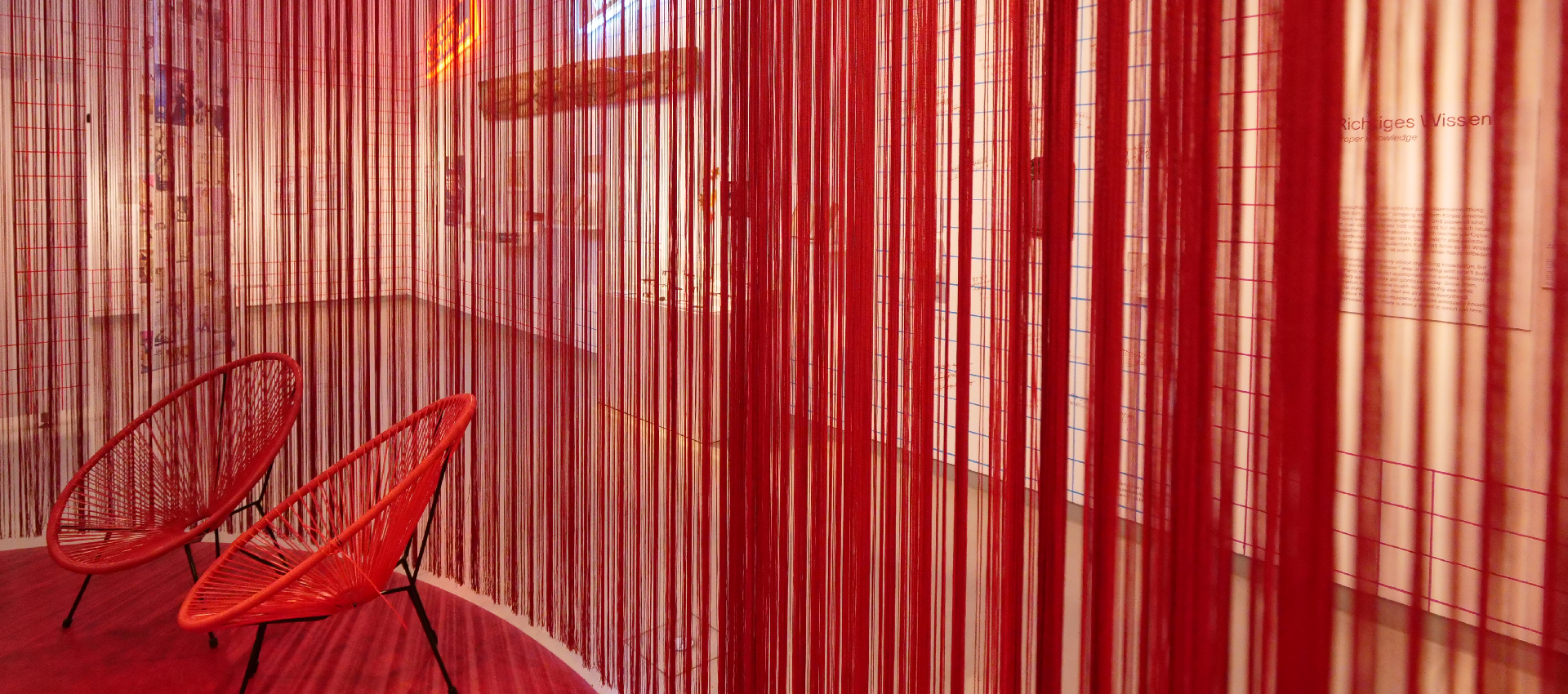
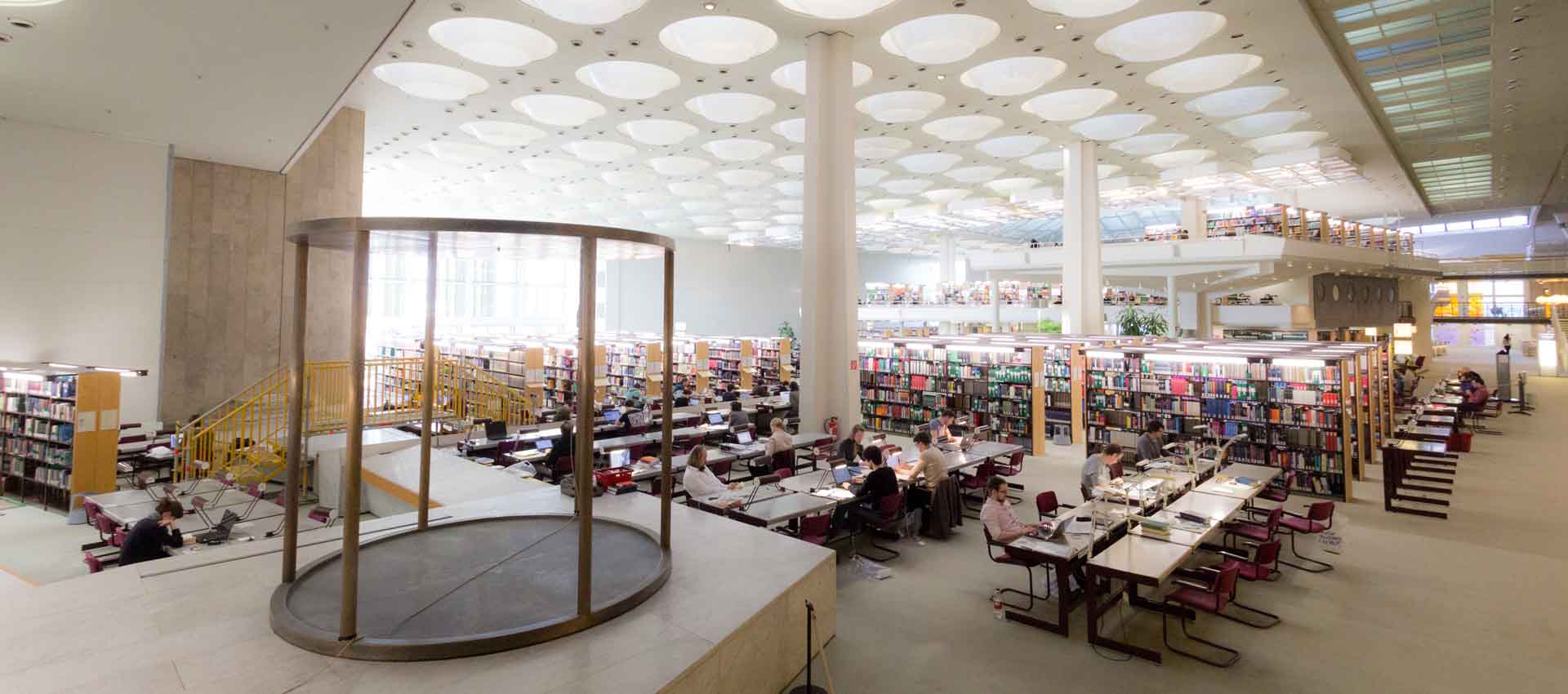
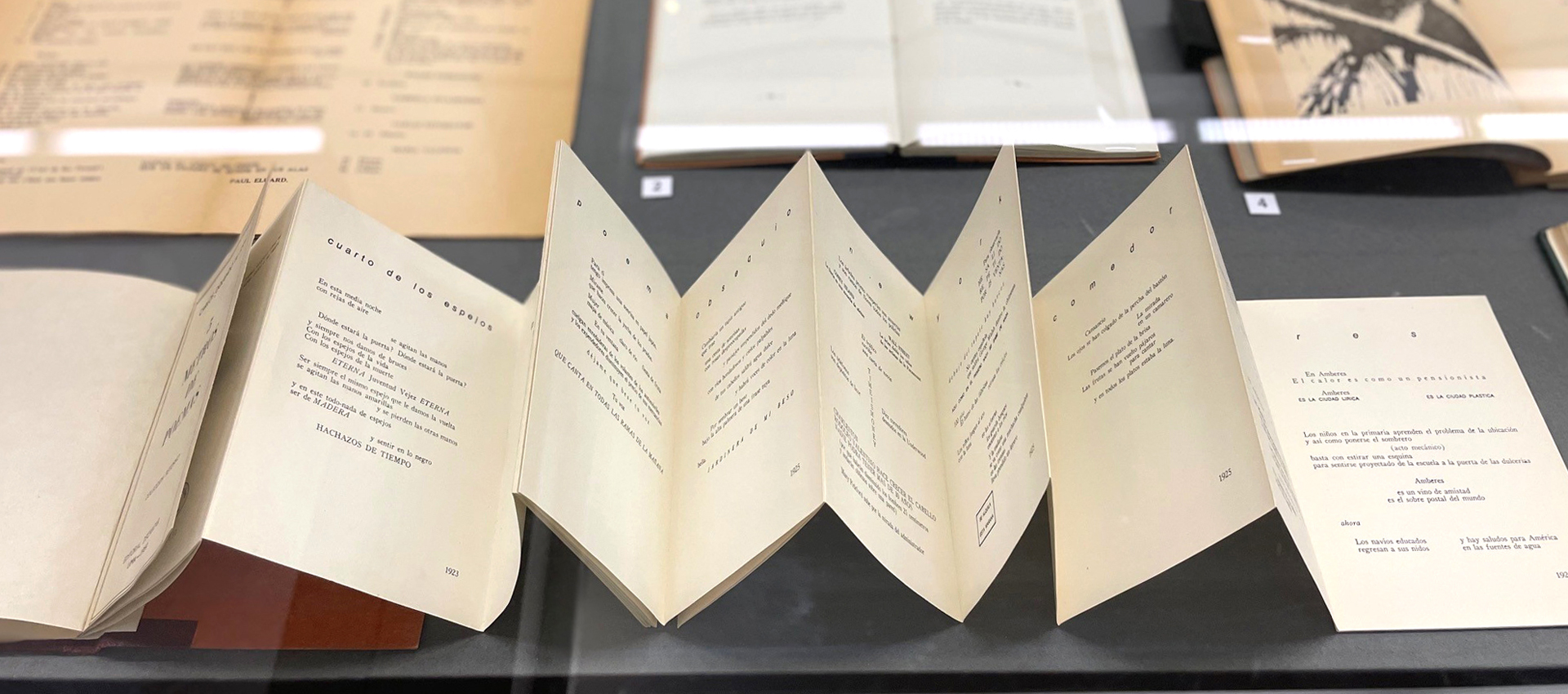
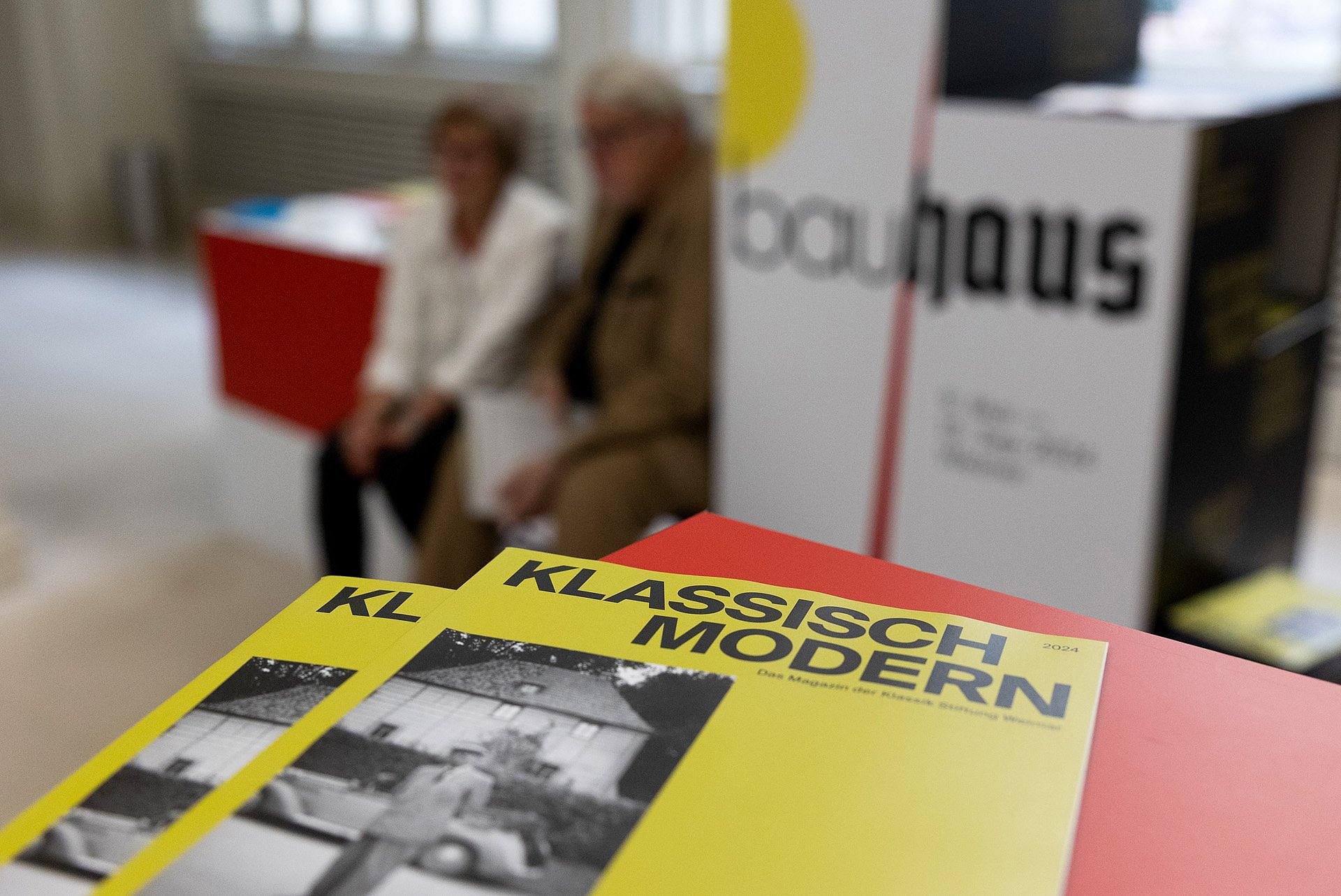
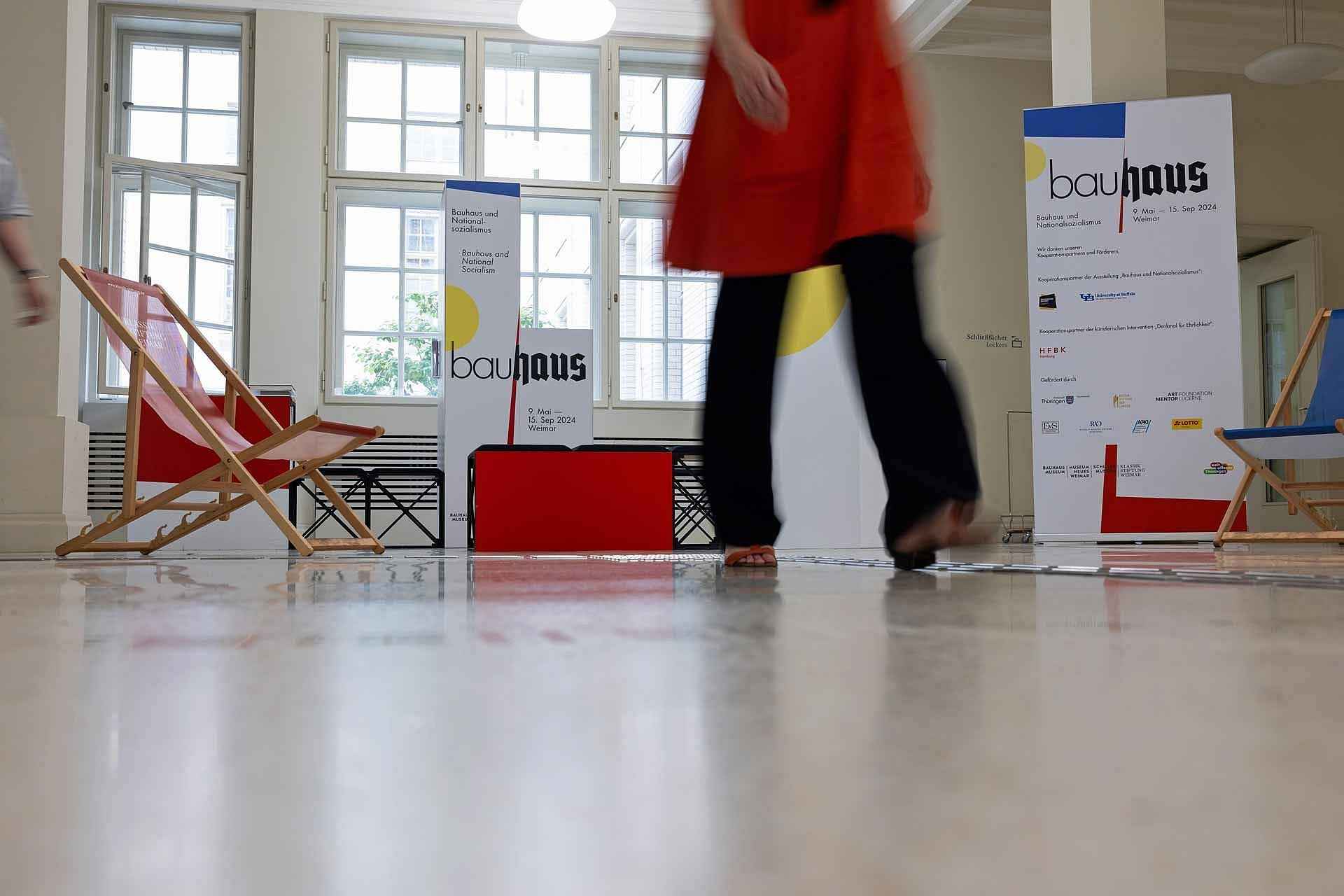
A room of its own – since 10 July 2024, the Weimar Classic Foundation has had one in the German capital, Berlin, and in no less a venue than the State Library on Unter den Linden. Although the term ‘room’ is to be understood in a more conceptual sense, the ‘Weimar Room’ consists of a pop-up installation, a bench-shelf brimming with information on the Klassik Stiftung’s annual exhibition ‘Auf/Bruch. Bauhaus and National Socialism”, and seating for reading the accompanying magazine Klassisch Modern in the form of deckchairs in the rear foyer of the imposing and newly renovated library building.
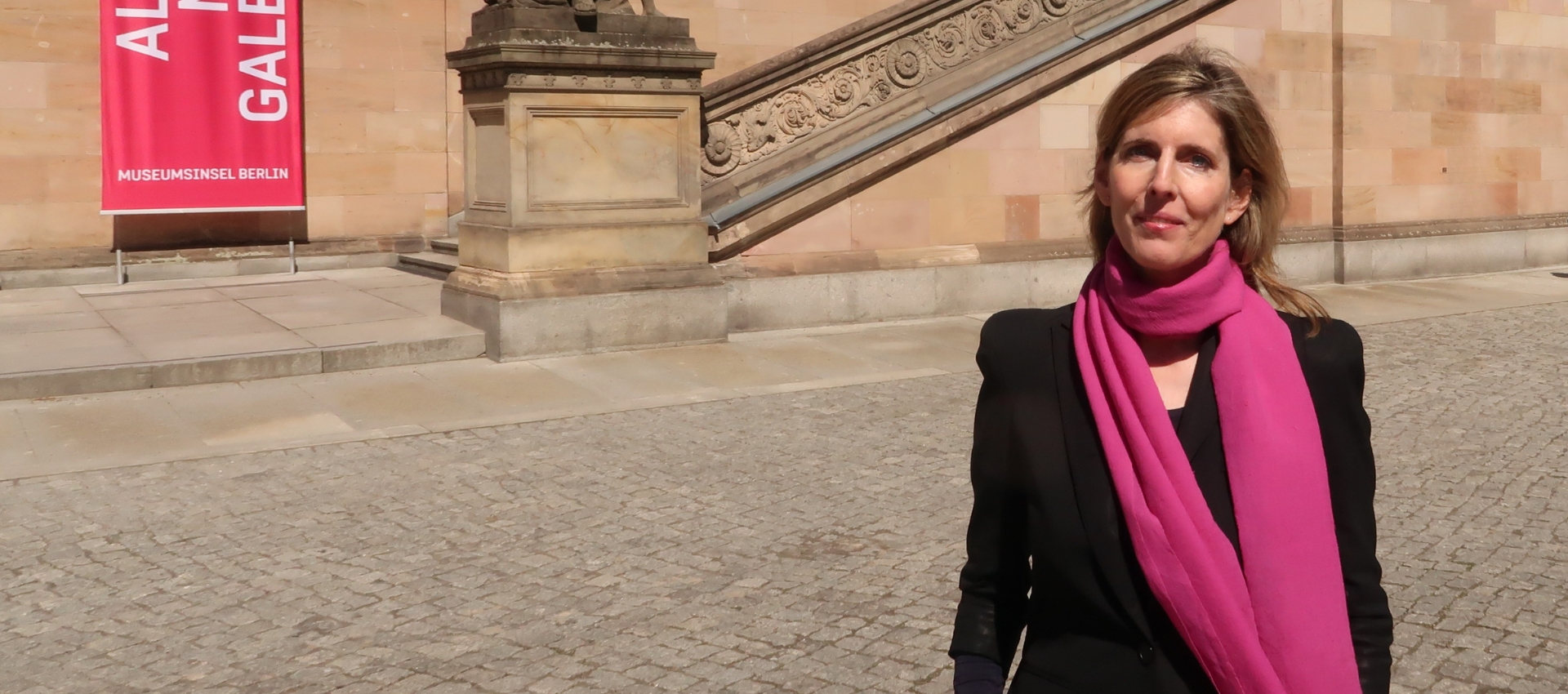
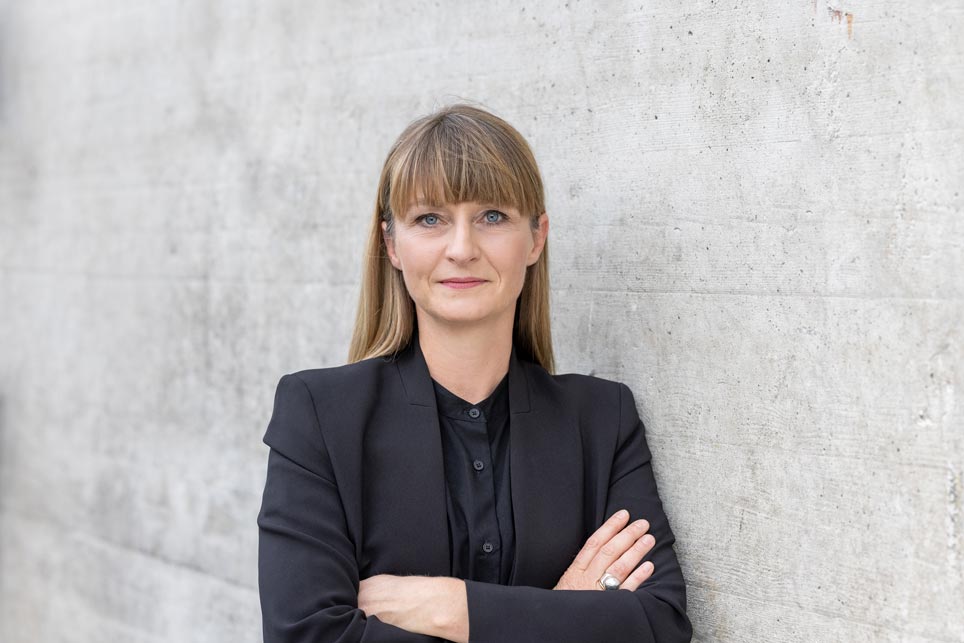
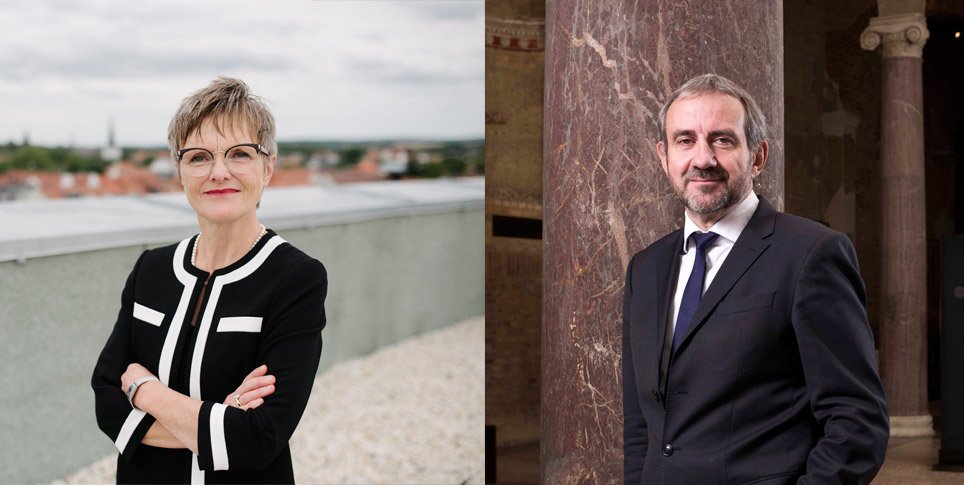
Ulrike Lorenz, President of the Weimar Klassik Foundation, even speaks of a “window and telescope in one”, a constantly changing communication object designed to showcase one of the impressive cultural activities in the Thuringian capital, or rather to direct Berliners’ gaze from their own, thoroughly eventful cultural daily life towards Weimar, ideally crowned with a visit to the site. One might think that the phrase “Ich tanze auf allen Wegen” printed on the pop-up object subtly implies this invitation to Weimar, but no, it is a poem by Marianne Brandt, one of the most famous Bauhaus artists.
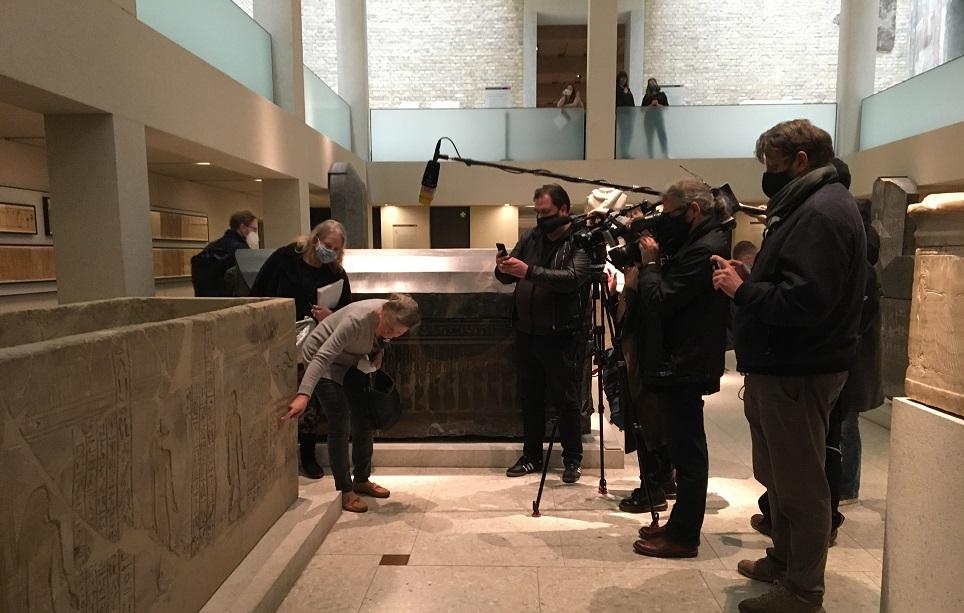
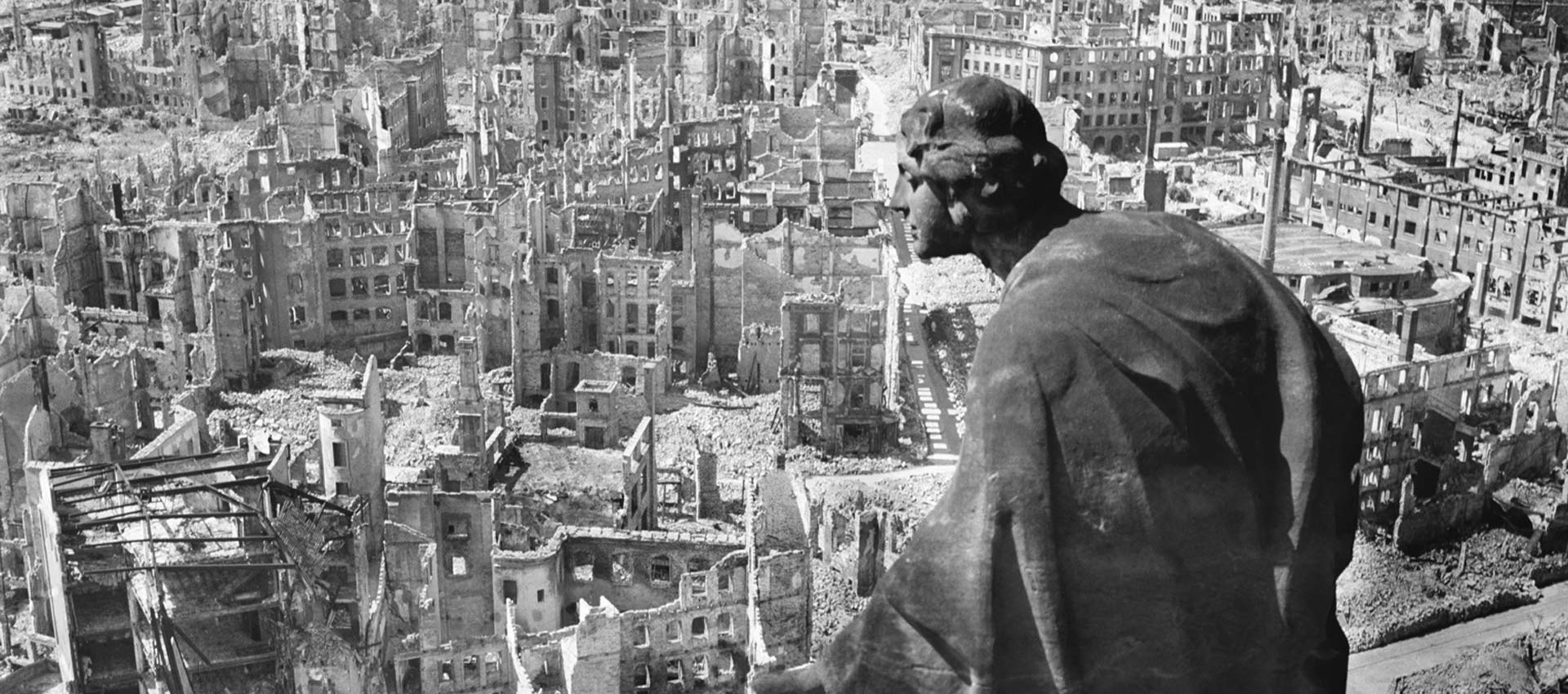
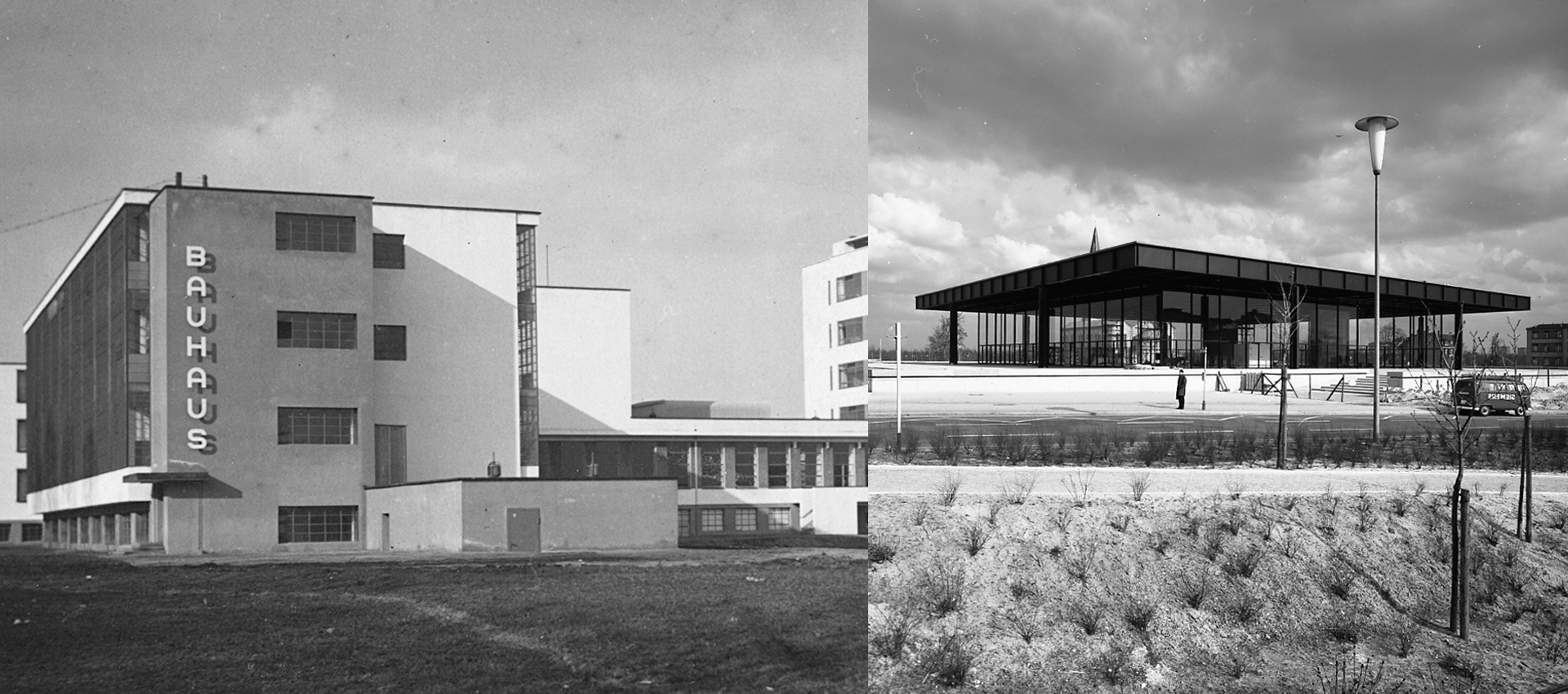
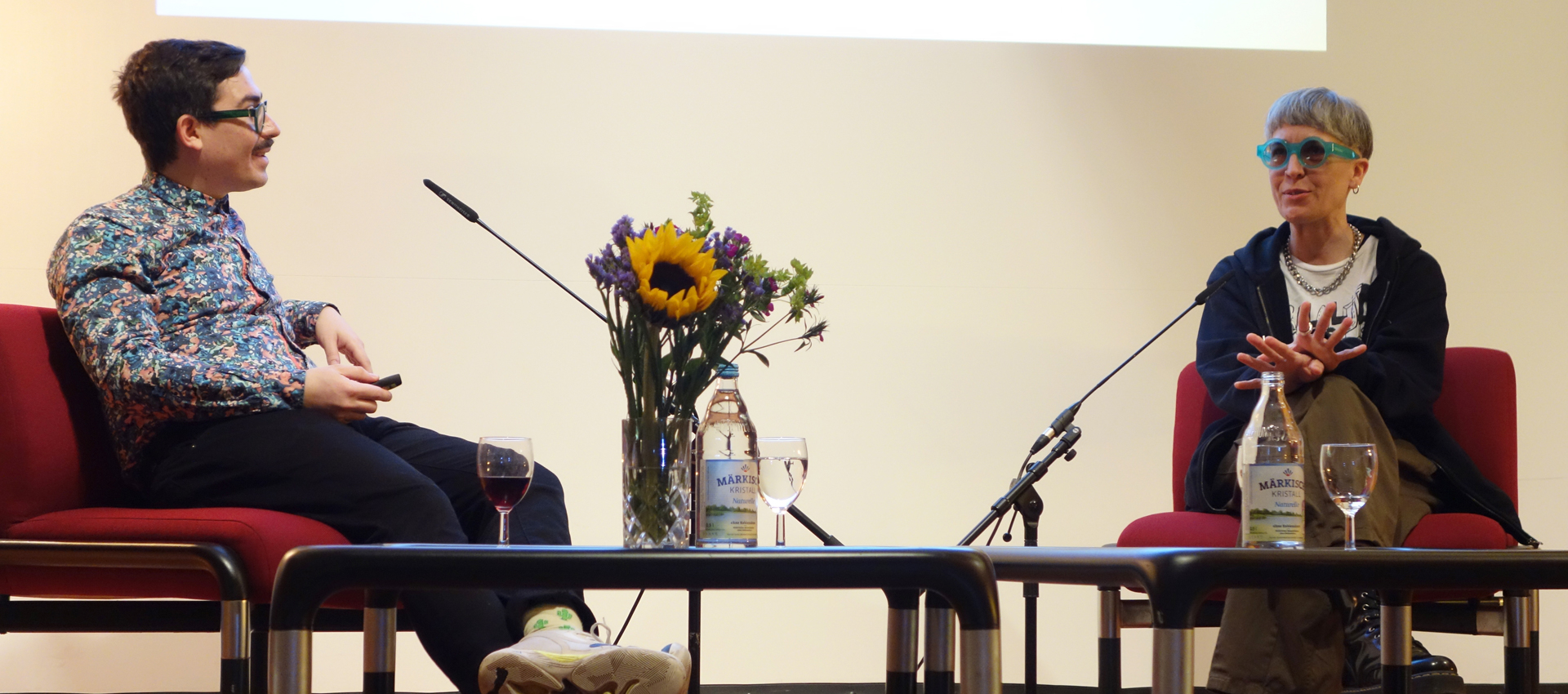
For alongside Goethe, Schiller and Nietzsche, Weimar is famous above all for one cultural export: the Bauhaus, the legendary art school. However, the first annual exhibition, which is being promoted in Berlin, does a fine job of undermining that myth: whereas it was previously assumed that the Bauhaus – which was, after all, closed down by the Nazis in 1933 – was on the ‘right side’, the three-part exhibition ‘Auf/Bruch. Bauhaus and National Socialism’ reveals for the very first time that there were indeed some links between the two and that modernism was more Janus-faced than one had previously been willing to admit. On the opening night, curator Anke Blümm spoke decisively in her talk about the contradictions in the professional biographies of many a Bauhaus member – of Grethe Reichardt, who had already driven Gunta Stölzl out of the Bauhaus before 1933, partly because of her Jewish husband; of Herbert Bayer’s creative masterpieces in the service of the Nazis; or indeed of Fritz Ertl, who had helped design the Birkenau concentration camp.
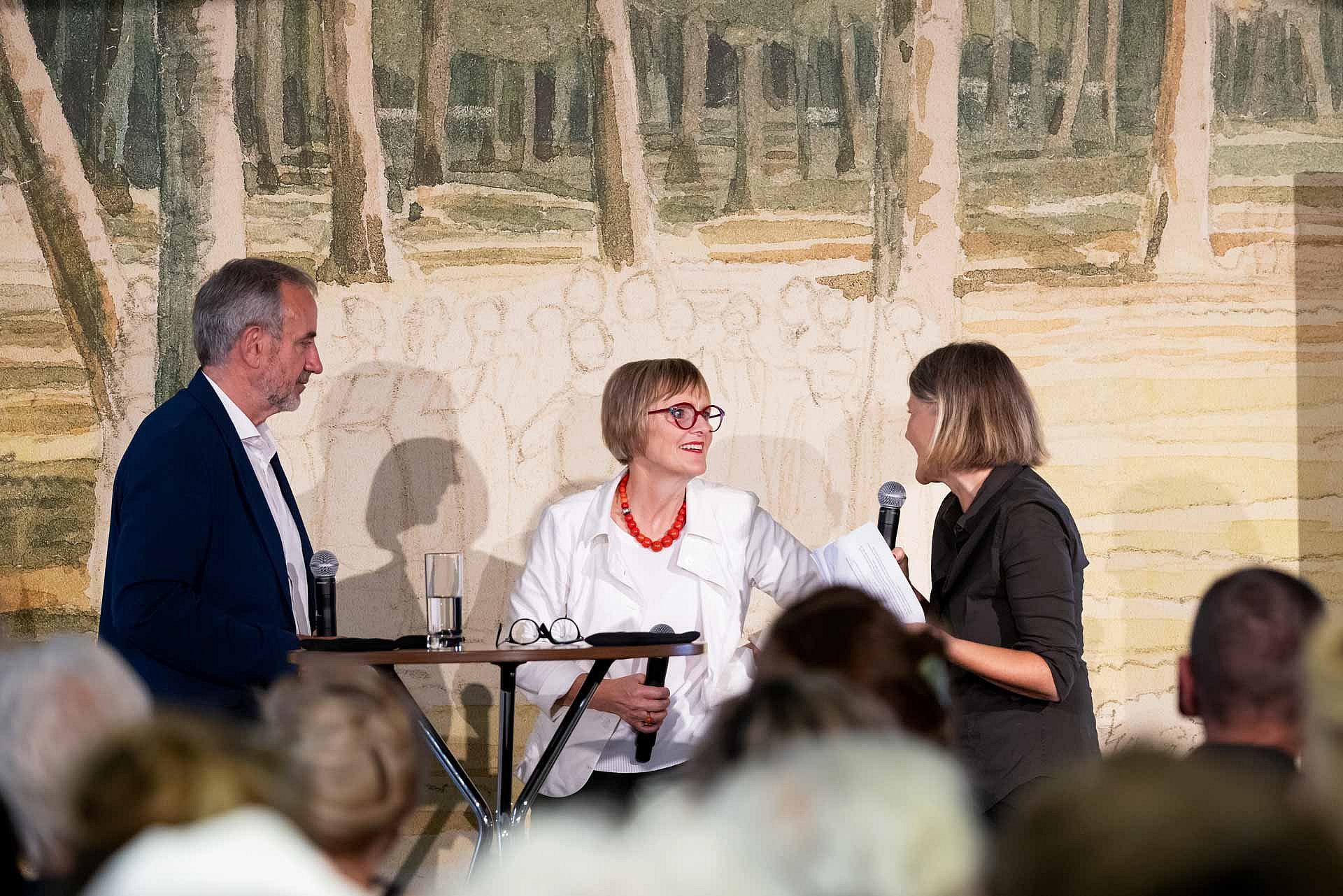


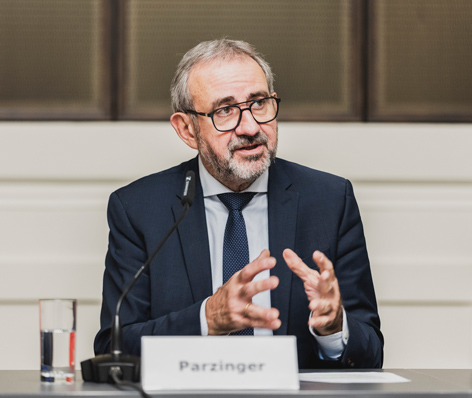
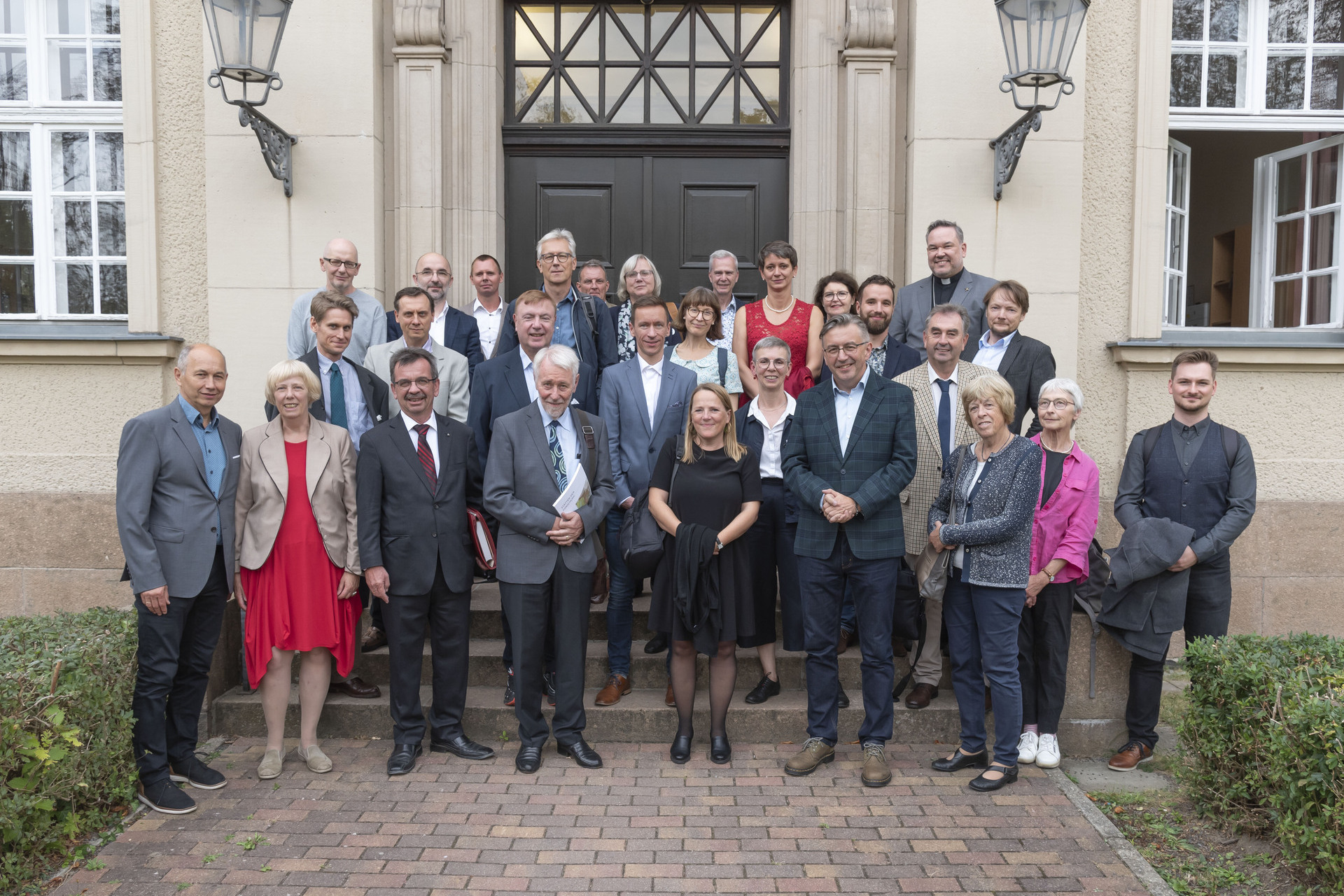
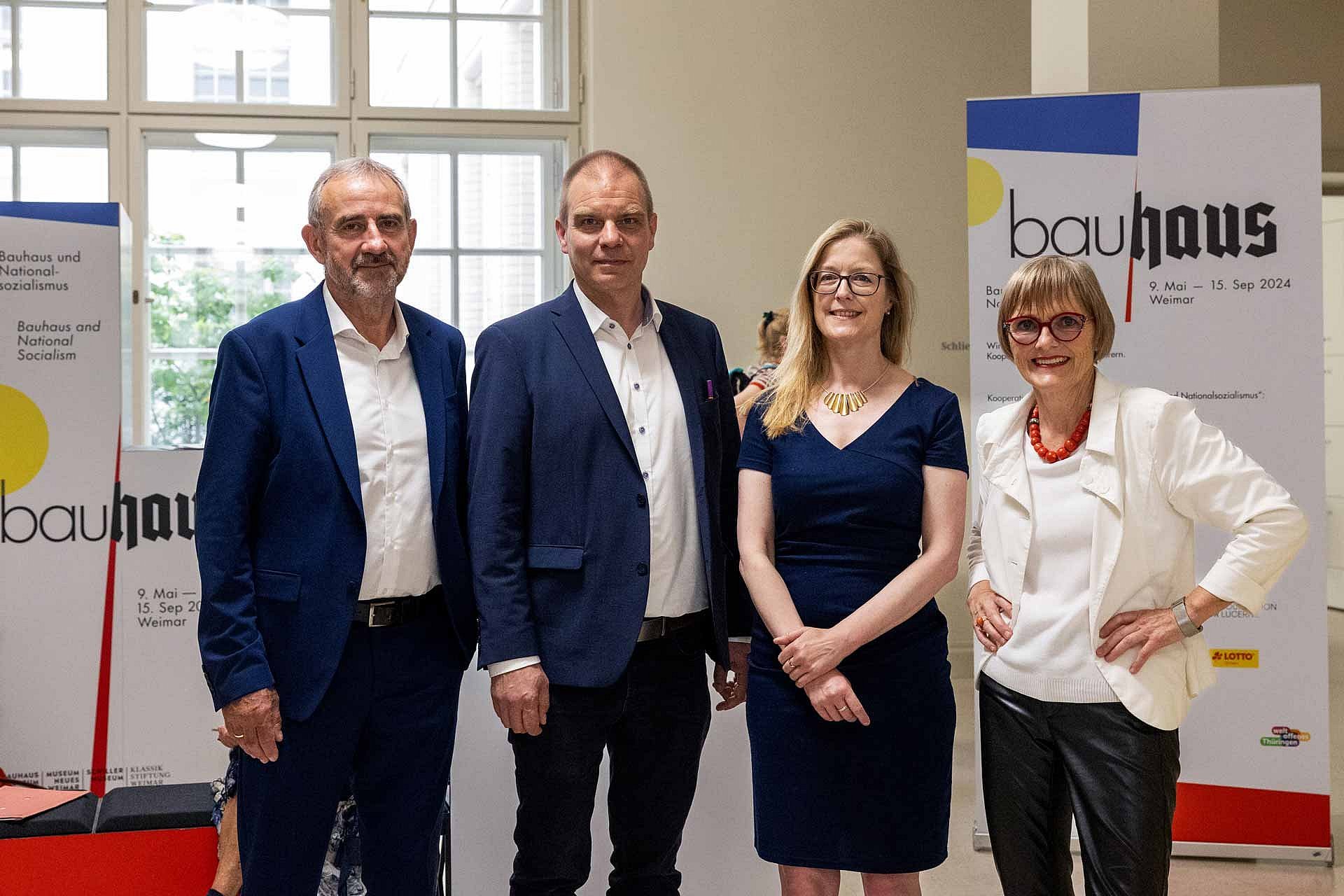
This theme year was chosen very deliberately in Weimar, partly because cultural institutions have a role to play. It is also linked to the 2024 election year and serves as a reminder of the shift to the right in Thuringia in 1924, which led to the Bauhaus leaving Weimar, explains President Lorenz. SPK President Parzinger emphasised the close ties between the SPK and the Classical Music Foundation. The ‘Weimar Room’ would underline this once again and, at the same time, highlight the SPK’s role as a showcase for institutions from the federal states, Parzinger went on to explain.
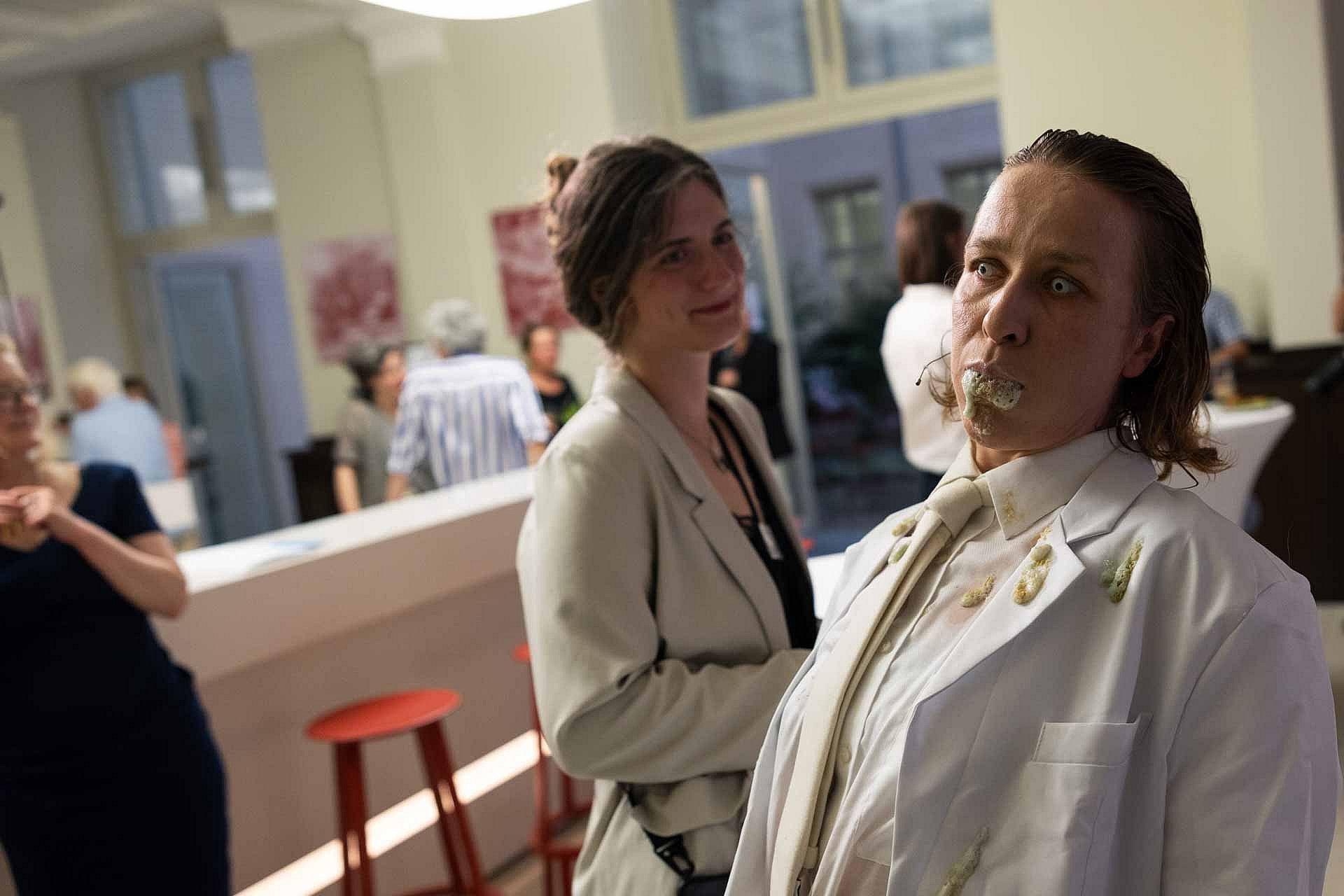
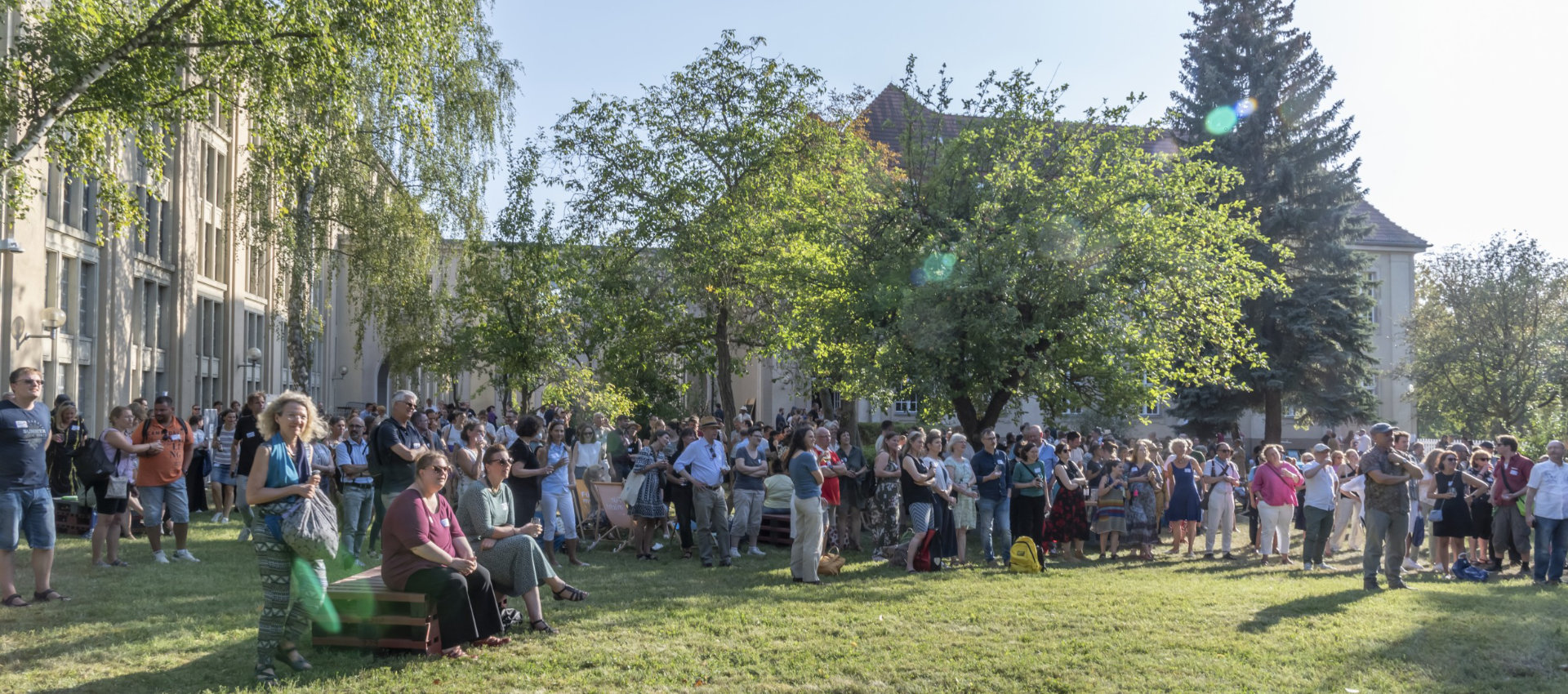
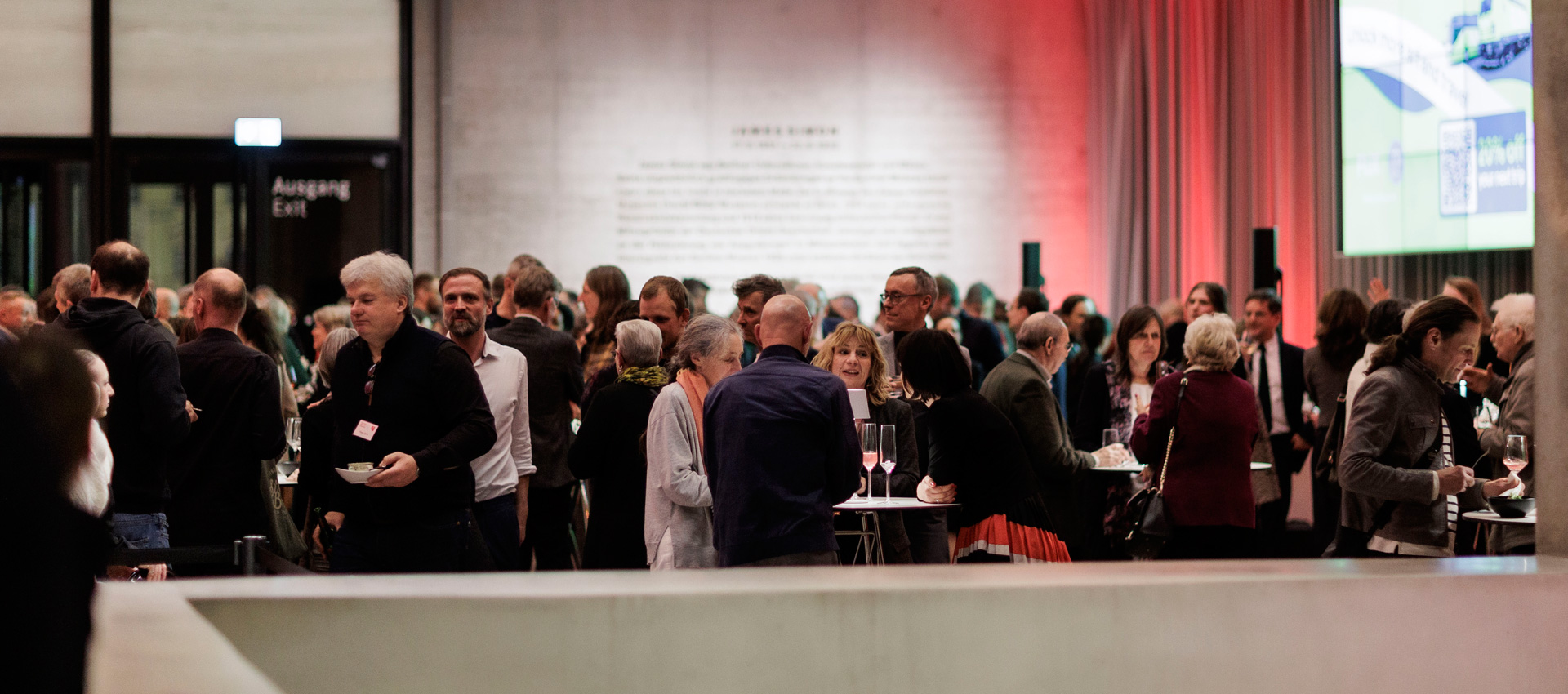
And so, on this sultry July evening, over Thuringian grilled sausages and white wine, we celebrate a fine new fruit of cultural federalism.