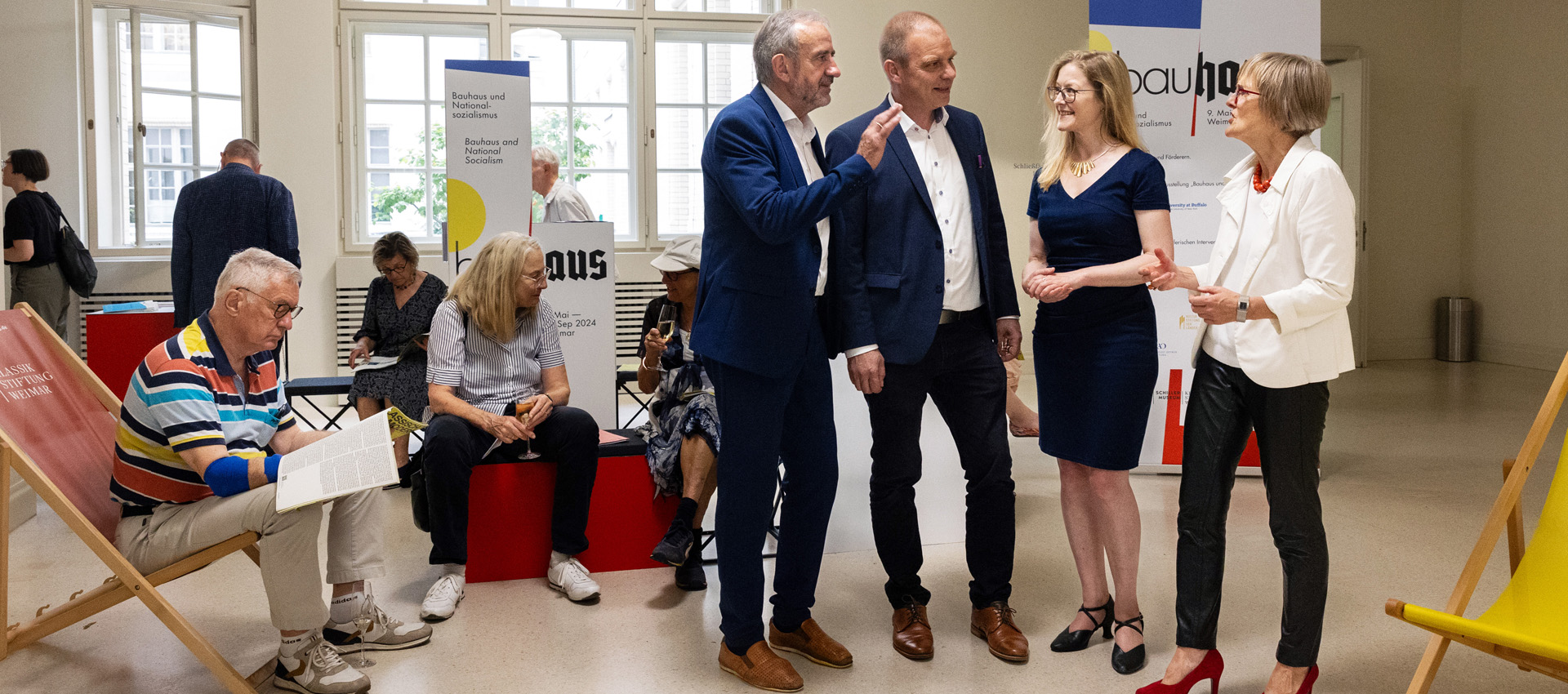
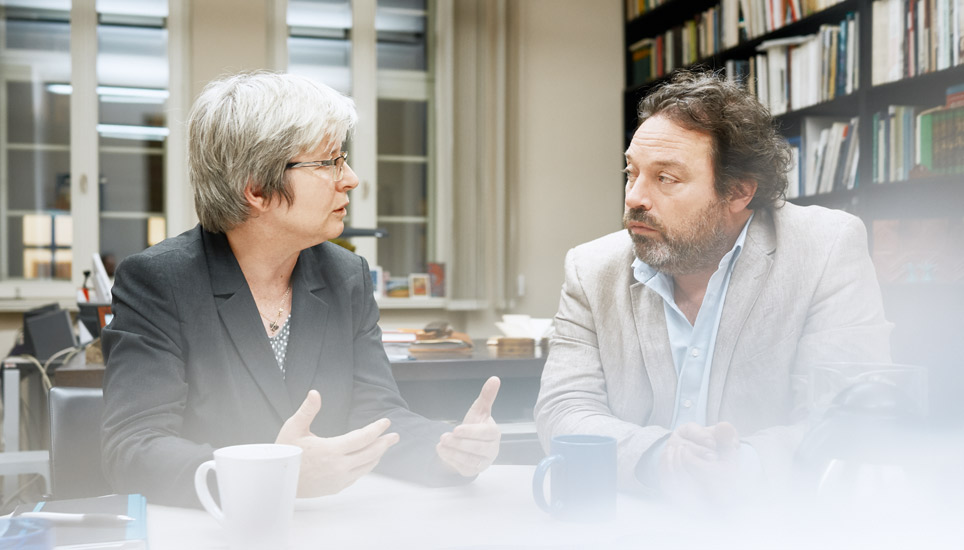
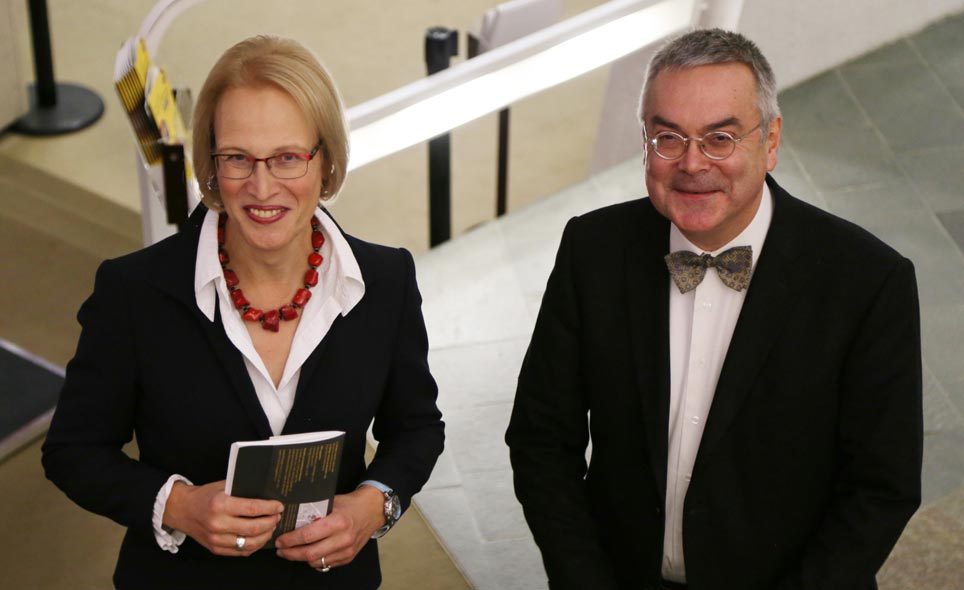
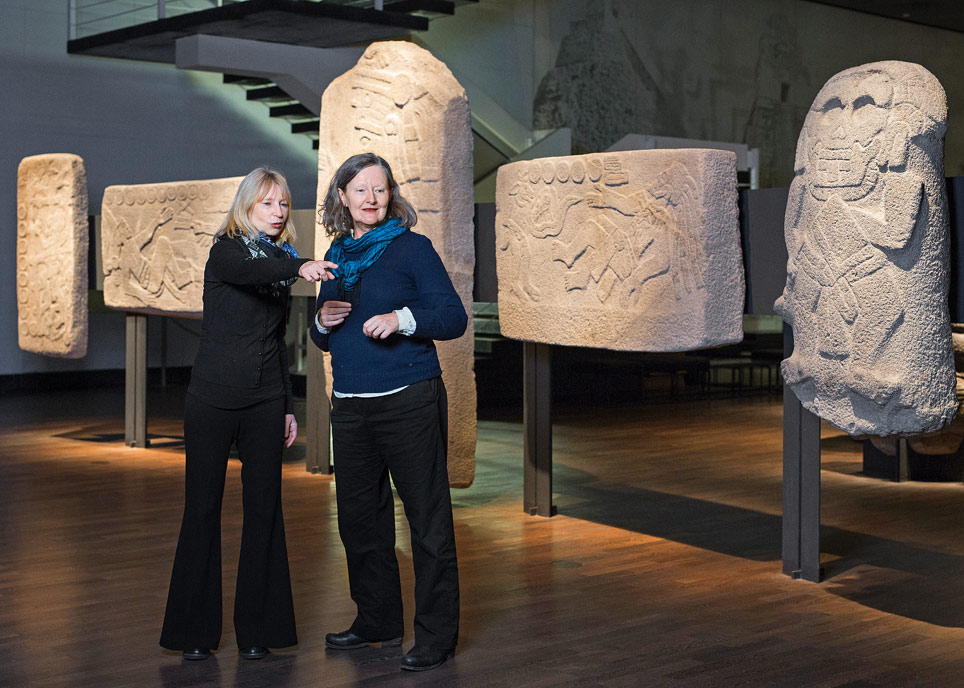
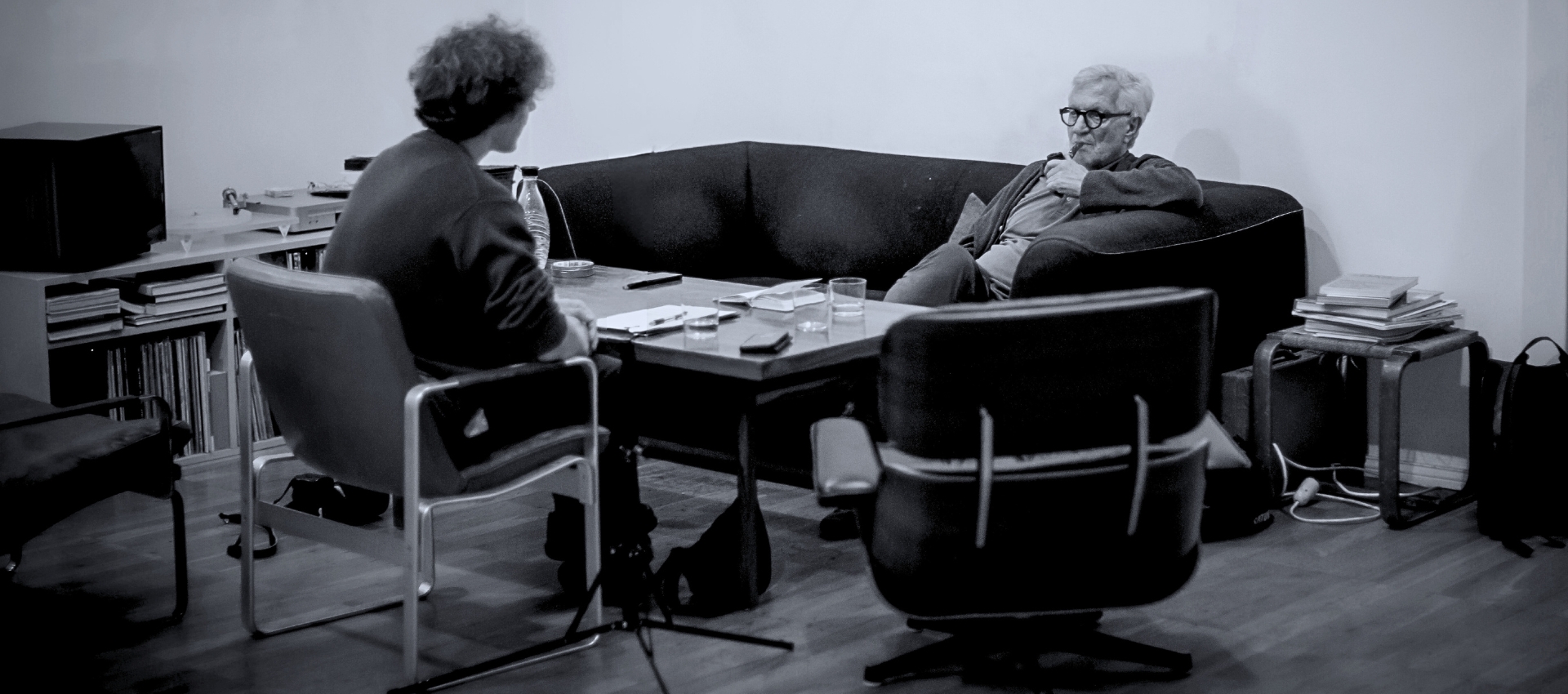
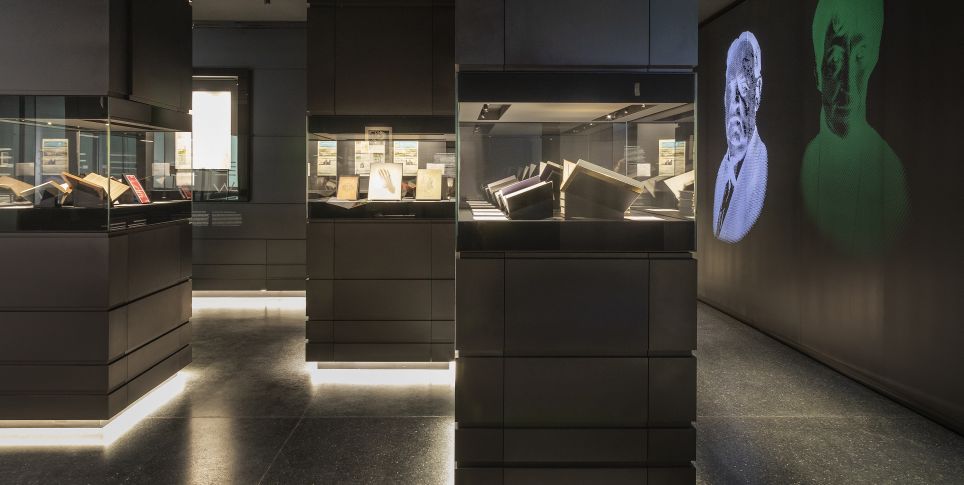
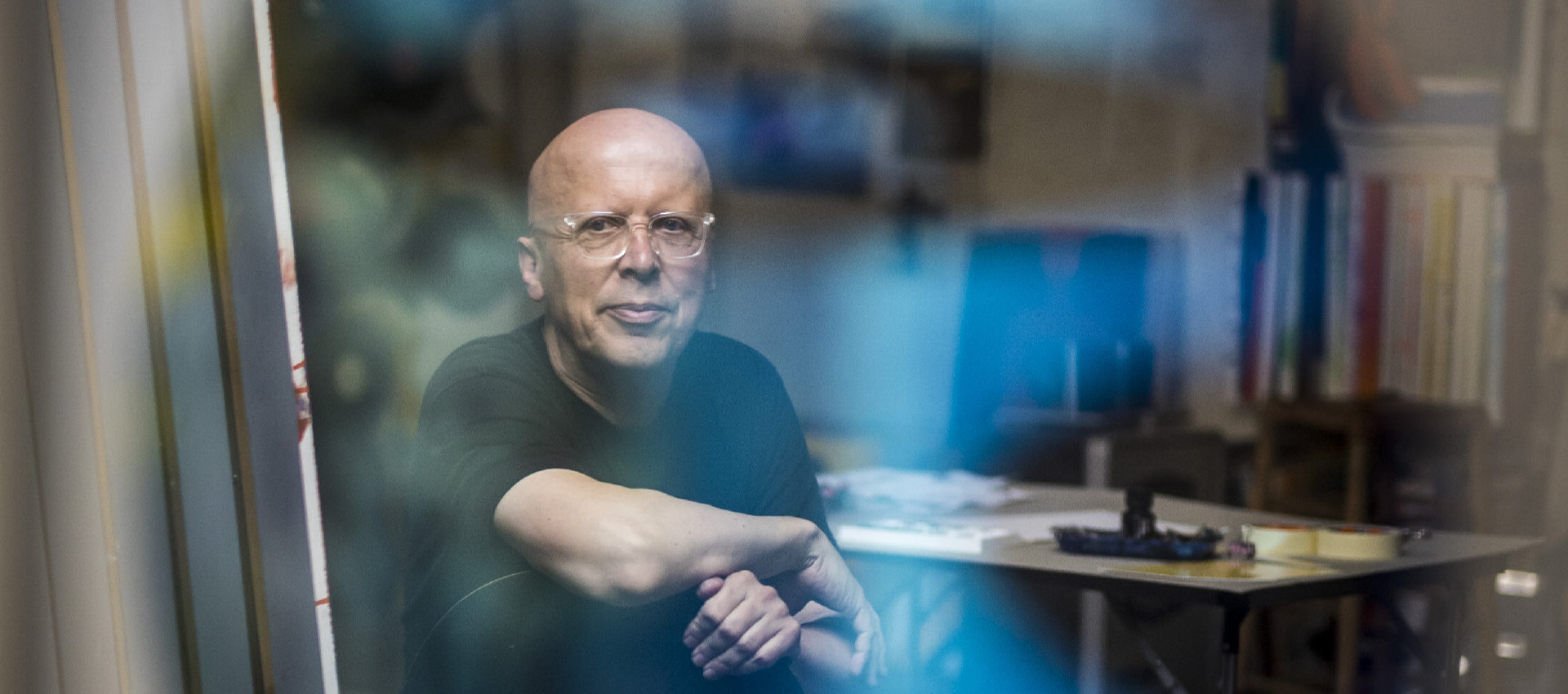
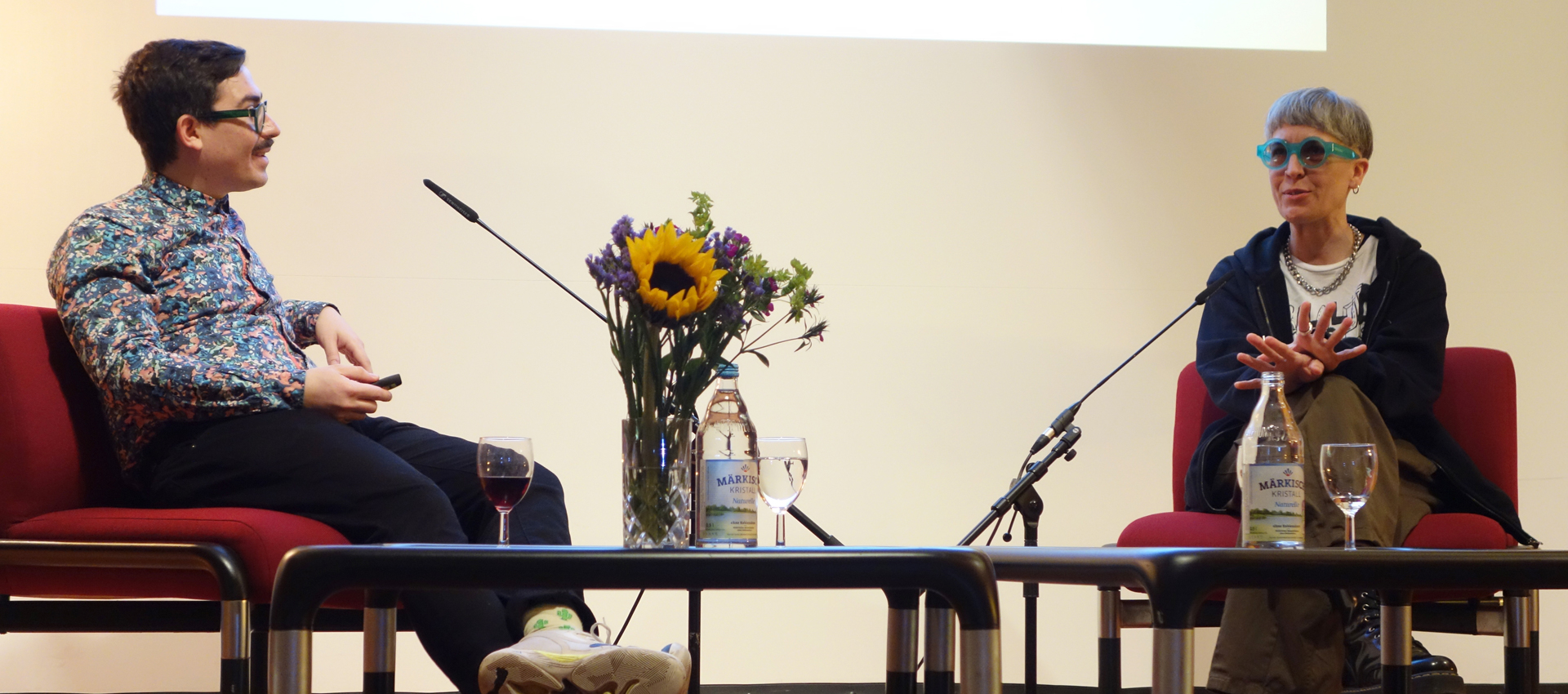
Two people meet to talk about Mies van der Rohe's furniture for Landhaus Lemke: Wita Noack and Achim Stiegel on satinwood, proportions and sunny cupboards.
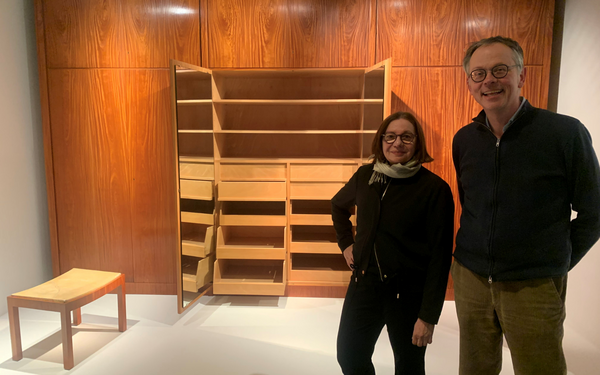
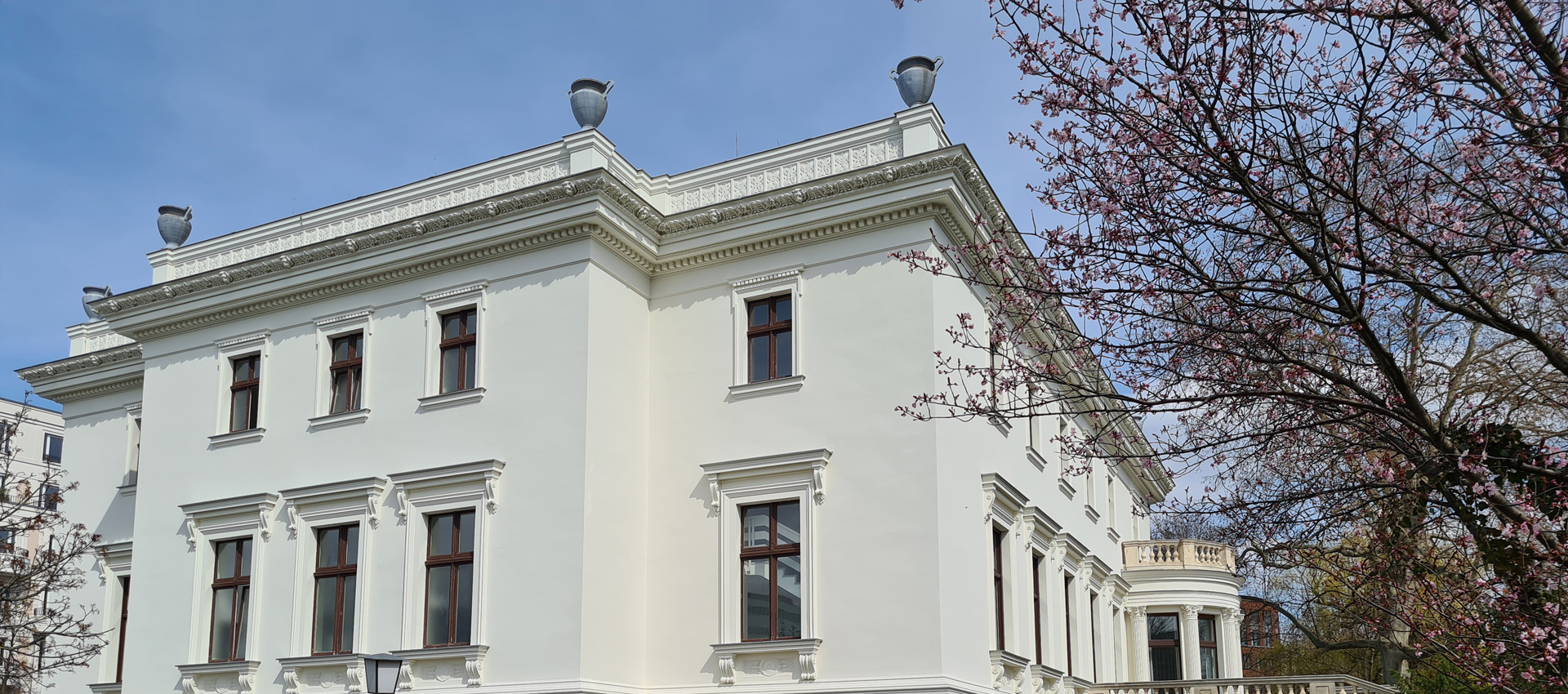
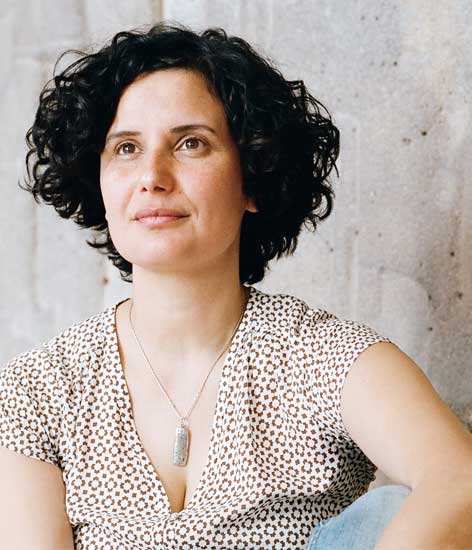
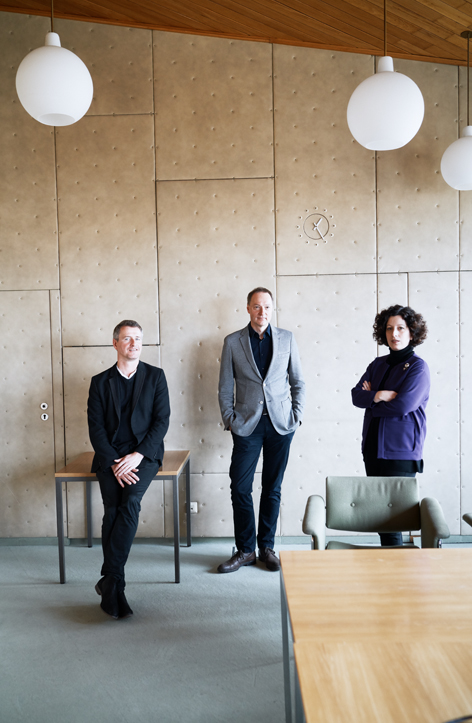
For her, the Mies van der Rohe House (formerly Landhaus Lemke) was her life's work; he is the curator of the furniture collection at the Museum of Decorative Arts: Wita Noack and Achim Stiegel. We went with both of them through the exhibition of furniture that once stood in the rooms at Obersee in Hohenschönhausen. Ludwig Mies van der Rohe designed the residential building with the L-shaped floor plan for the printing couple Martha and Karl Lemke. Built between 1932 and 1933, the single-storey building with the brick façade was Mies' last project before he emigrated to the United States. This place still stands for openness and attention to detail, for successful proportions and harmony. For contemplation. These ideas are continued in the furniture.
For the first time, the Mies van der Rohe House has its furniture back - at least in the imagination. Twelve kilometres lie between the rooms and the cupboards, tables and chairs. Have all the mysteries about Mies' last house in Germany before his emigration now been solved?
Wita Noack: I am really delighted with the way the museum has restored the furniture and the unity with which it can be seen here. It was long claimed that the furniture in the former bedroom was made of lemon wood, but the experts here know better: it's satinwood. I am particularly impressed by the honey-yellow colour of the wood. Especially when you think of the bright red bricks from today's Mies van der Rohe house. It's an experience, a colour experience. It can only be compared to the glow of the onyx wall in the Tugendhat House in Brno.
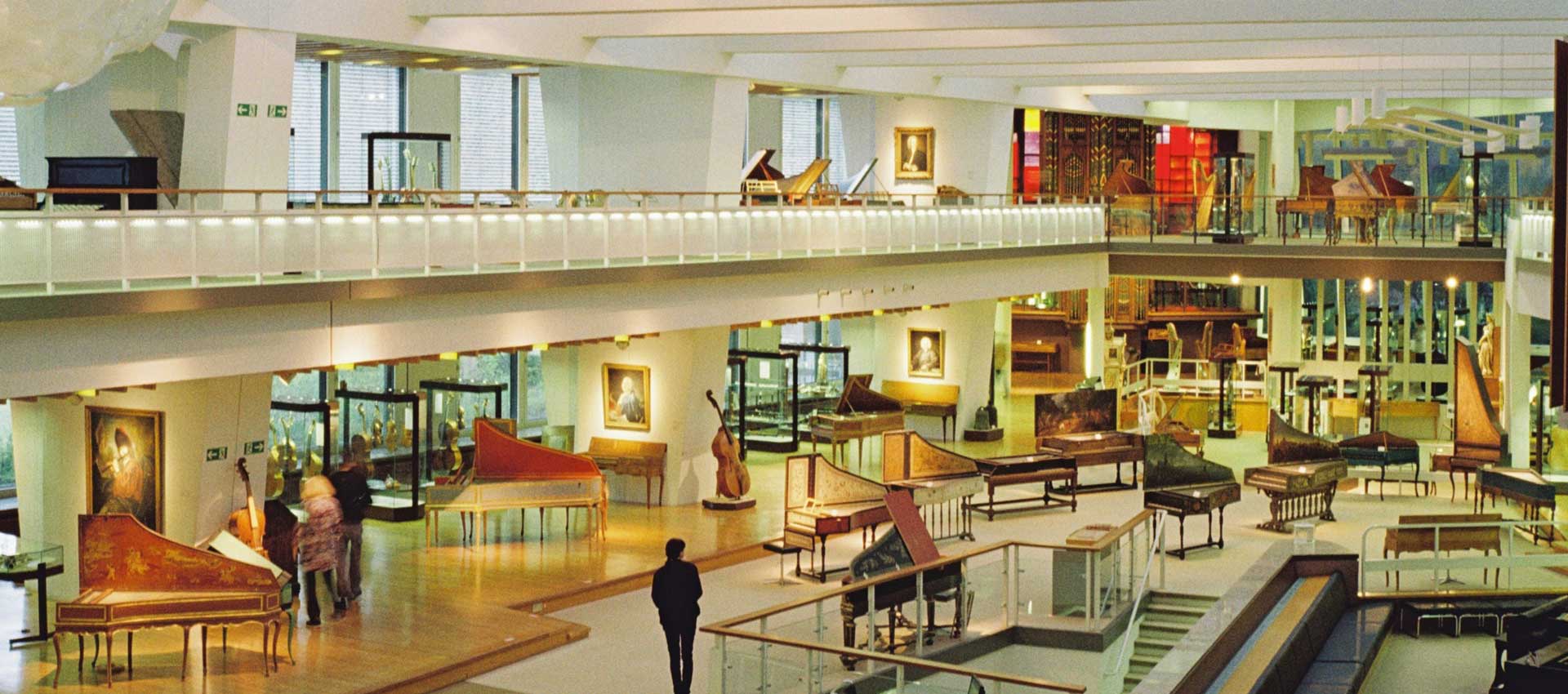
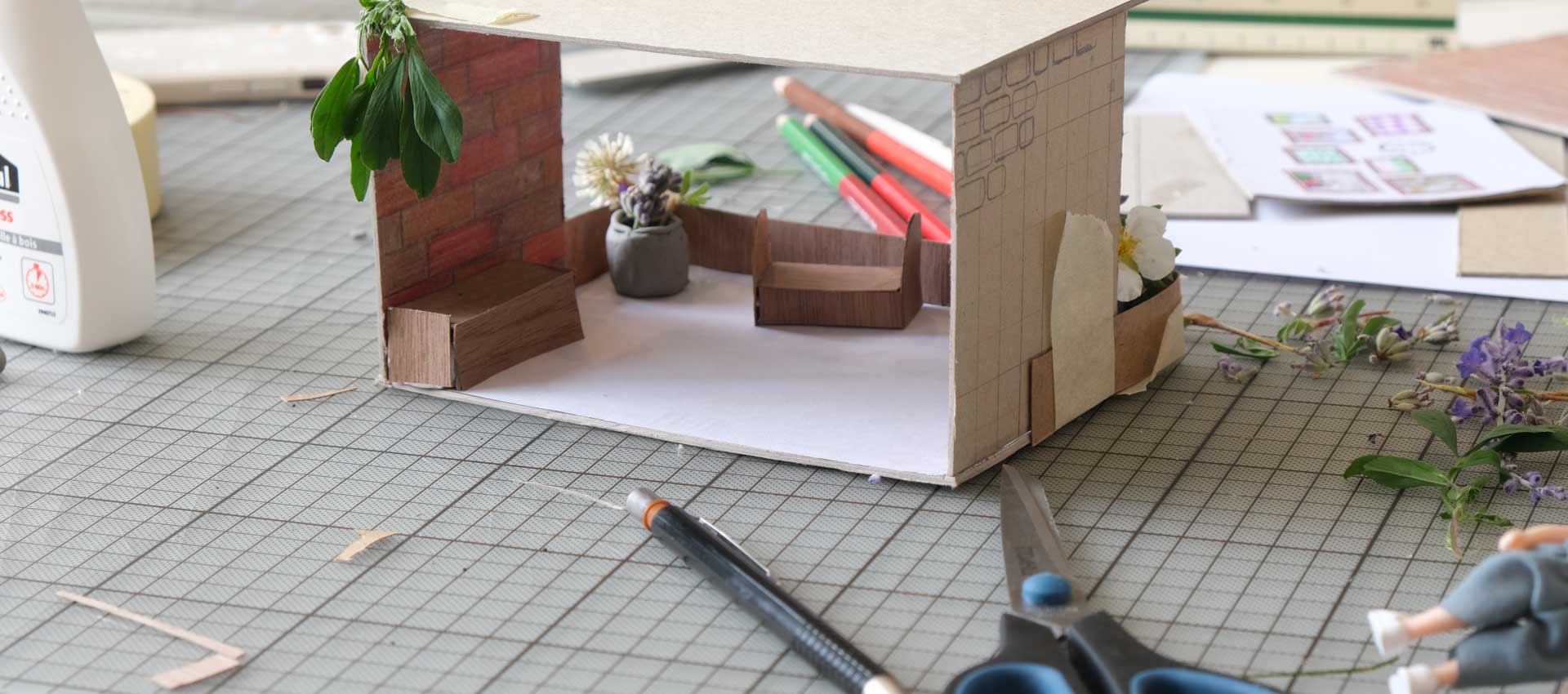
Achim Stiegel: We are also showing the furniture because we are in the fortunate position of owning a large, original interior by Mies. You don't find that very often. And we are dispelling the myth of cool modernism. With Mies, it is warm and bright and sunny. Incidentally, the starting point for the current presentation was a project by students at the UdK, who intensively explored the exhibition of residential ensembles here at the KGM in a so-called collision week. These were exciting discussions and, by and large, we followed their design proposal.
Has the furniture been newly researched?
Achim Stiegel: Yes, because there is also an ensemble by Mies in the Bauhaus archive that is very similar to the study from the Lemke house. Also Macassar, ebony veneered. On closer inspection, however, there are no dimensional similarities, so Mies redesigned everything. Our exhibition makes it clear that Mies is concerned with the detail of proportions. A work table, a semi-cabinet or a chair can look the same, but they are by no means the same.
But what does that teach us?
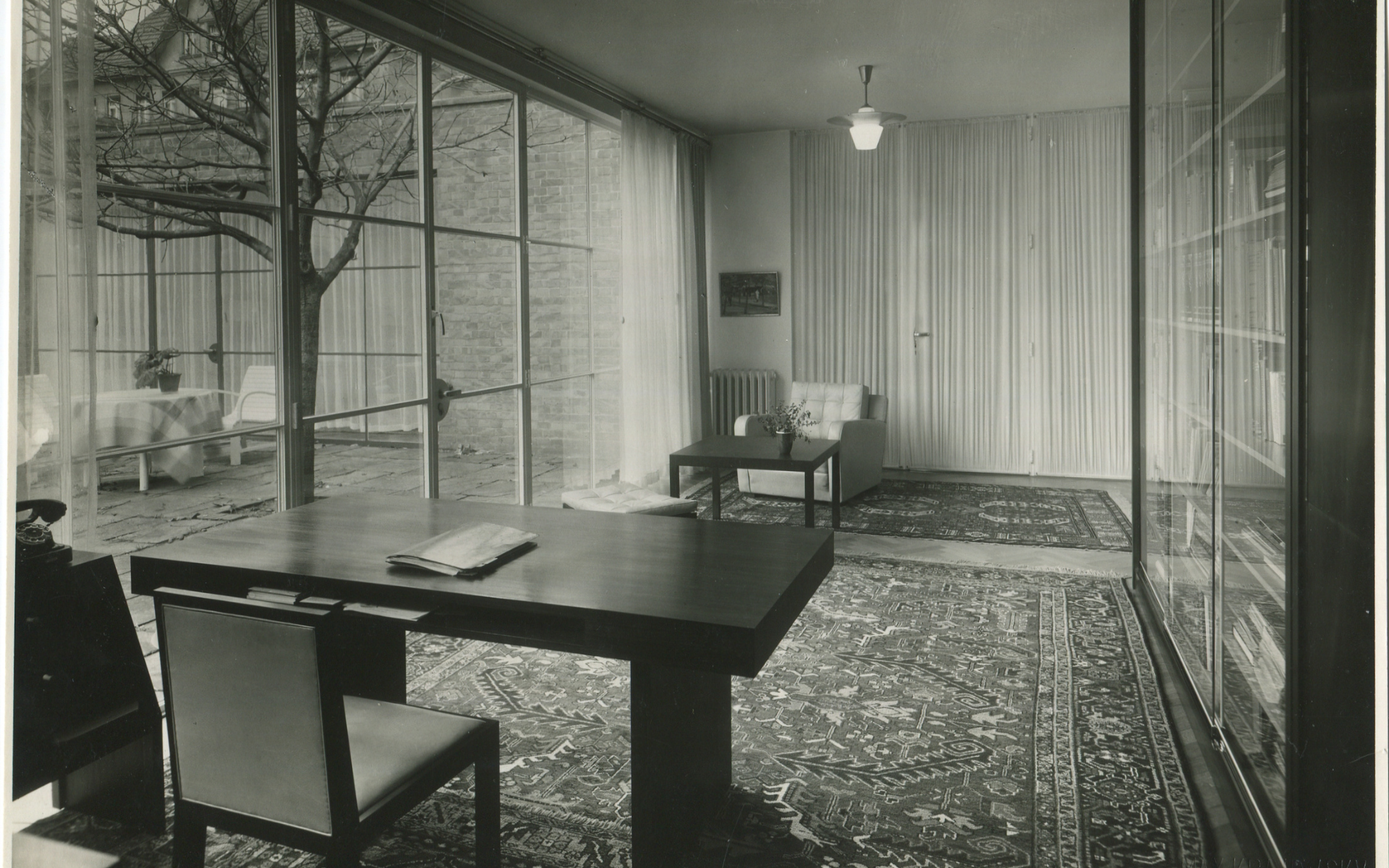
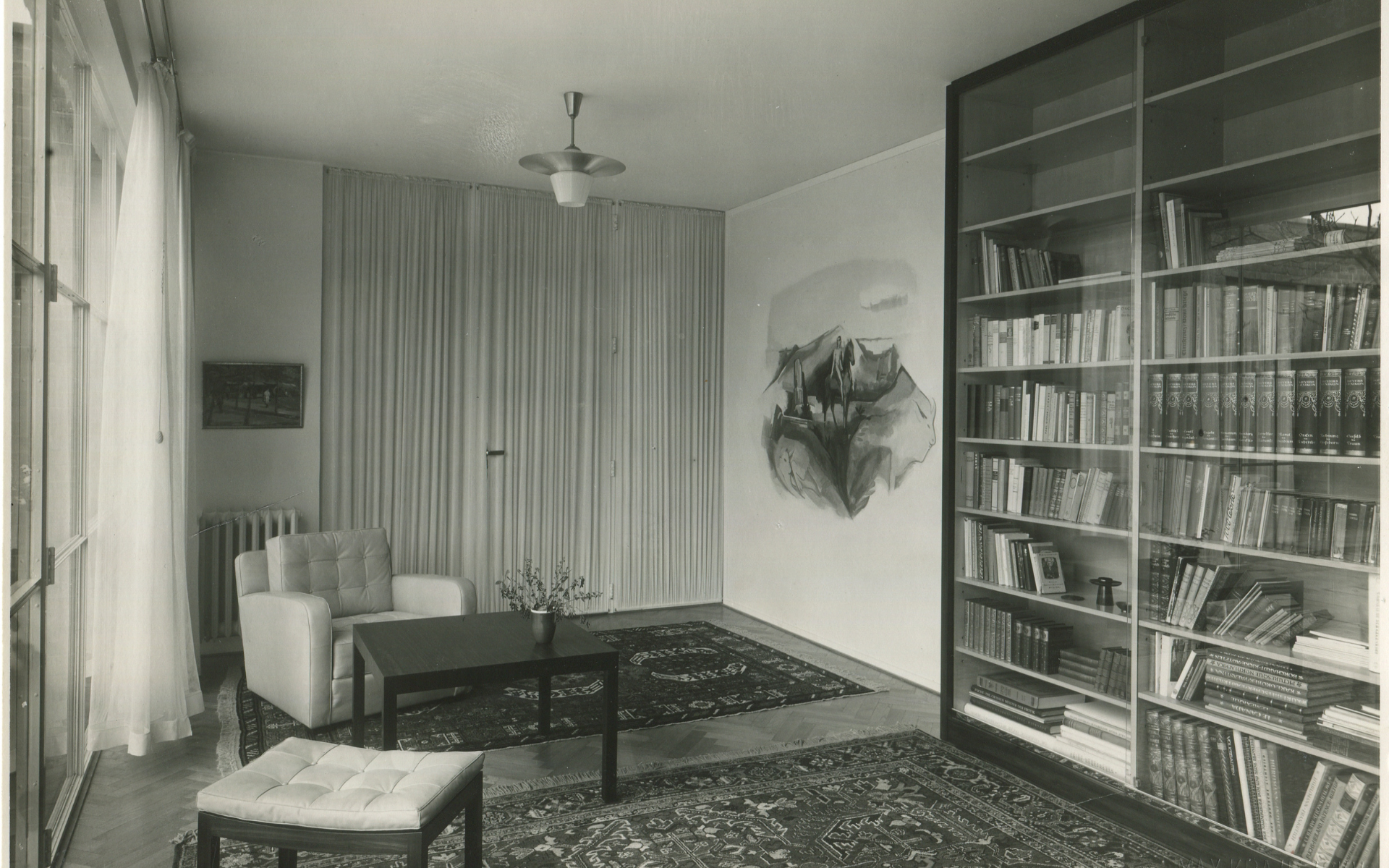
Wita Noack: For Mies, furniture was architecture. Take a look at the designs of Erich Dieckmann or Adolf Schneck for comparison. Mies also built interiors, always elegantly. And he favours references. In the study at Haus Lemke, the square dominates in the nineties, just like the window fronts. Even the side table follows the proportions.
Achim Stiegel: Yes, that's right. When I was setting up the exhibition, I realised that the furniture had to be positioned precisely. If you don't place a stool at a right angle, for example, it simply doesn't look good.
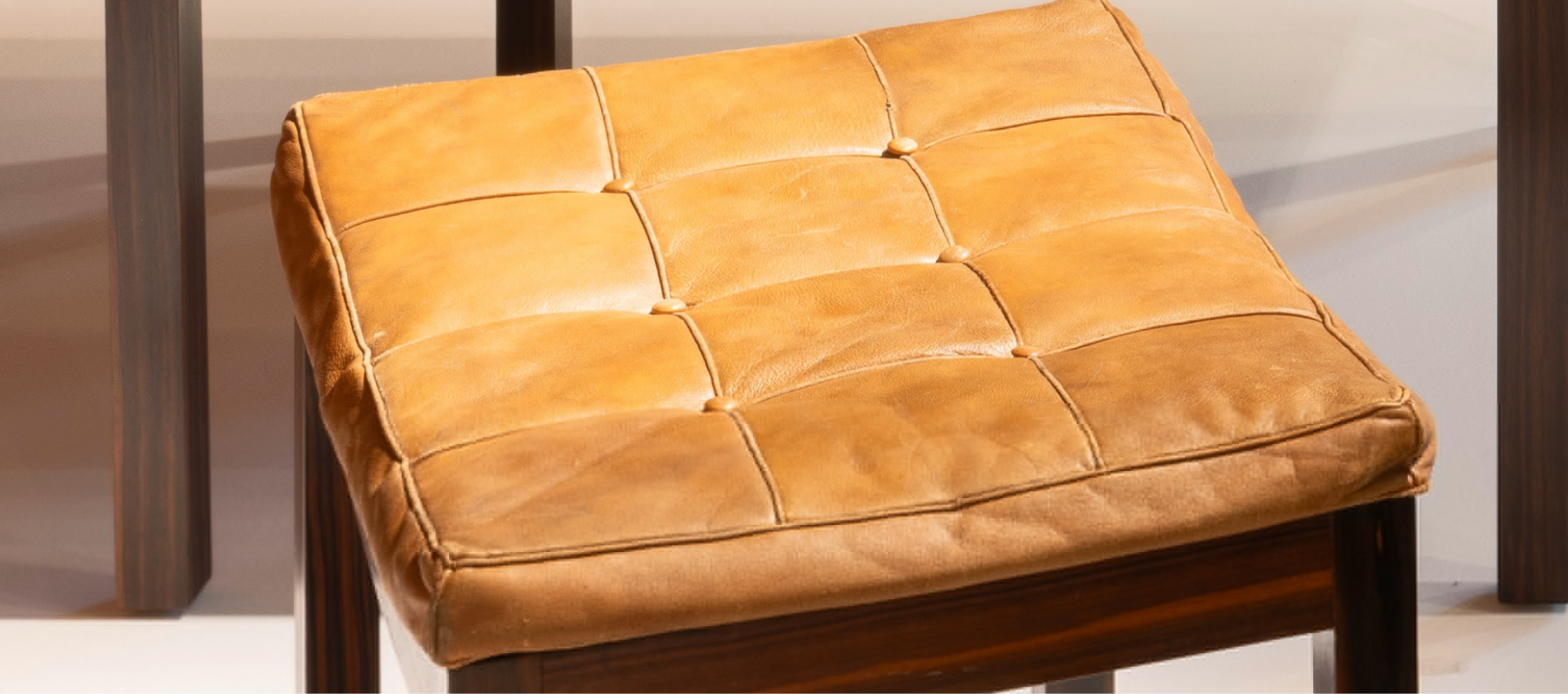
Speaking of stools. They are very special with their curved seat. But they were also a challenge for the restorers due to their leather seat covering.
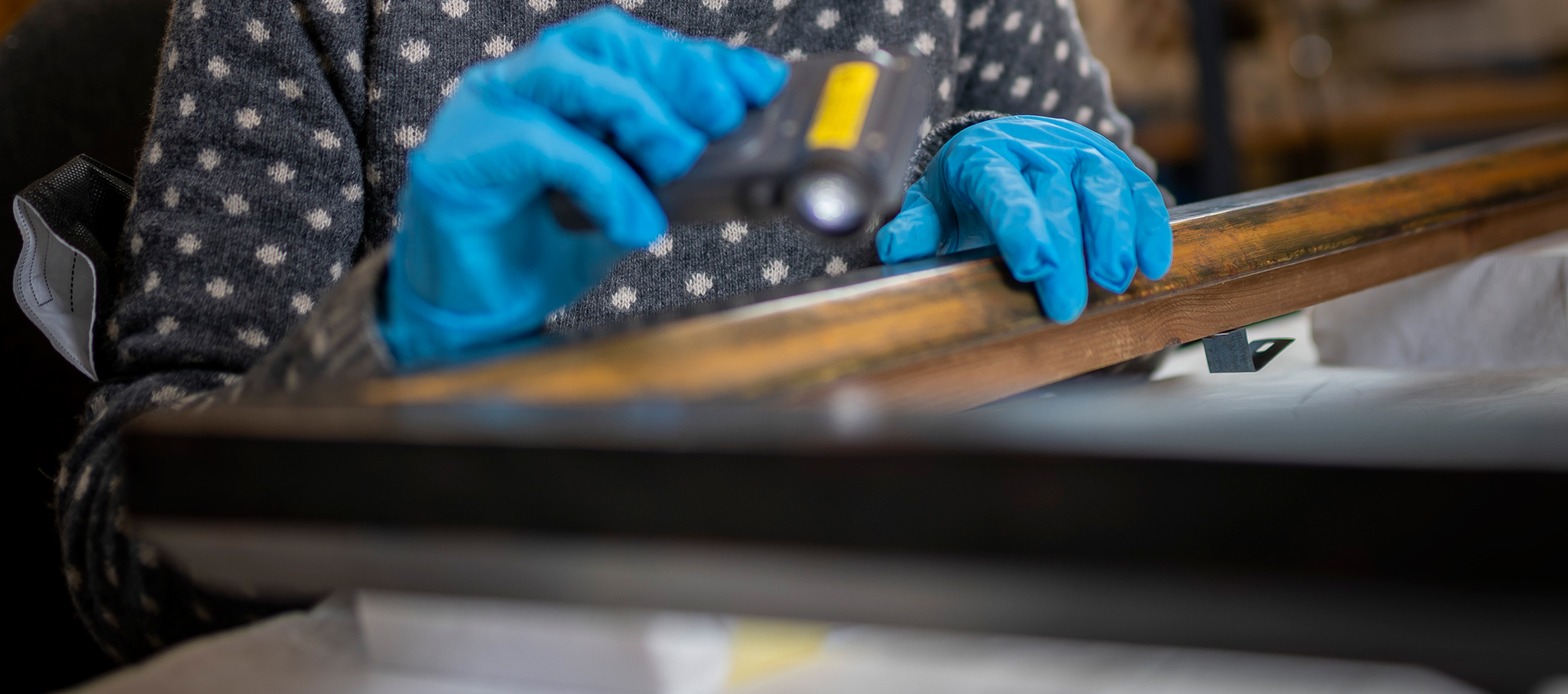
Achim Stiegel: Exactly. The stools are also made of satin veneer, but the surfaces are covered with parchment, just like the head and foot pieces of the bed. This is aesthetically pleasing, but a challenge for the restorers because parchment leather is a very thin material and reacts sensitively to humidity. If it tears, the precisely defined shape, the silhouette so to speak, disappears. We made it! Thanks also to the Friends of the Kulturstiftung der Länder and our own circle of friends, the Julius Lessing Society, without whose generous support this elaborate restoration would not have been possible.
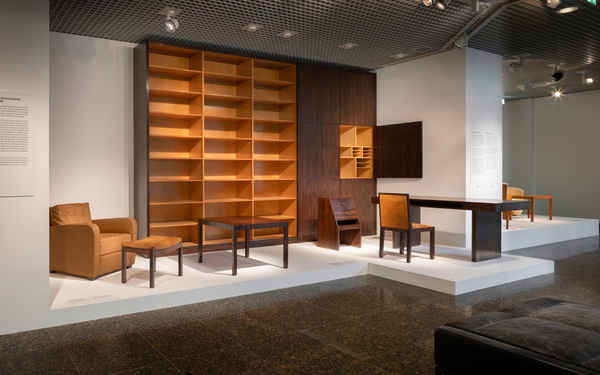
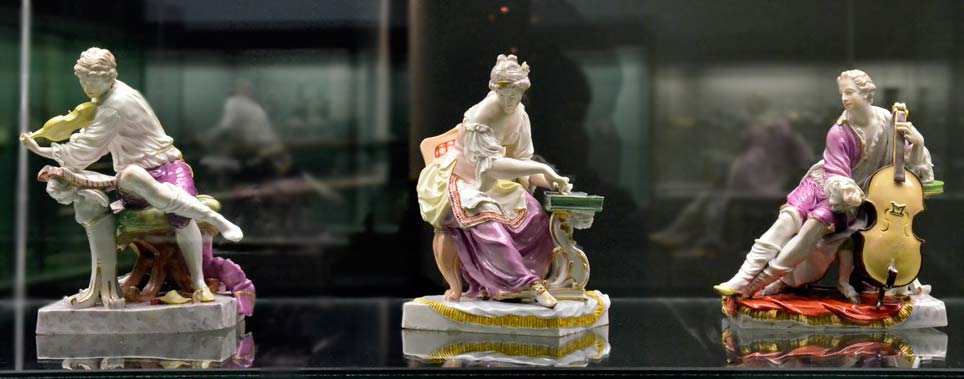
Photo: Staatliche Museen zu Berlin, Kunstgewerbemuseum / Stephan Klonk
We could still talk about the oversized sofa from the ladies' room or the secretary with the sloping front. Have you come any closer to answering the question of whether the furniture was designed by Mies or rather by his congenial partner Lilly Reich?
Achim Stiegel: I can only say that the armchair from the ladies' bedroom is by Friedrich Hirz(laughs). I'm not sure about the other things. The authorship of both is probably always correct.
Wita Noack: I also think that you shouldn't separate the two. They really did work together. If you follow the sources, Lilly Reich was responsible for the composition and interior design. According to a surviving letter, Mies mainly designed the furniture for the study.
Achim Stiegel: We need to know more about the processes in Mies' office. For a long time, Mies was seen as a brilliant artist, but not asked exactly how this was realised in practice. So did Mies set the main line and others took care of the details? Could be.
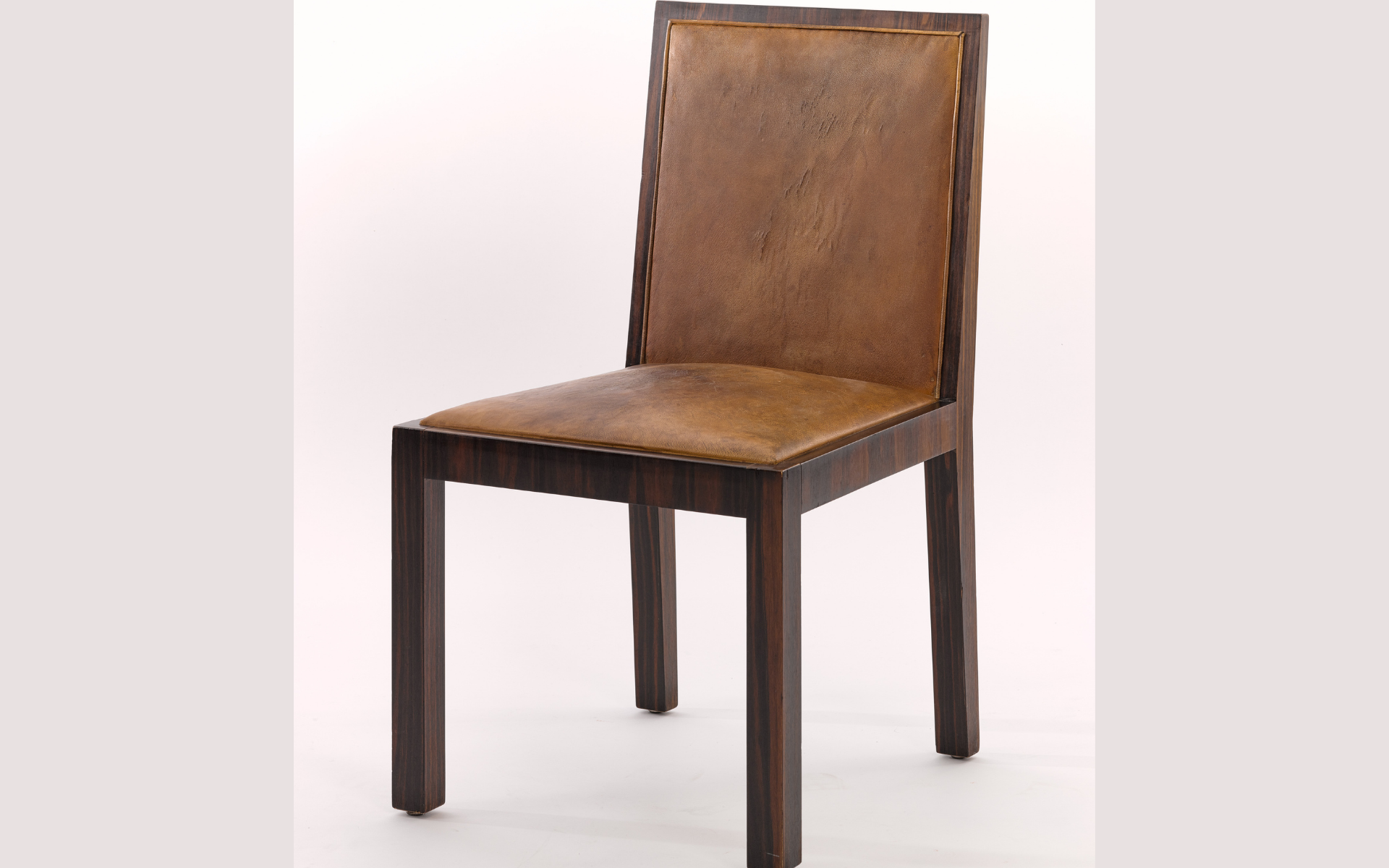
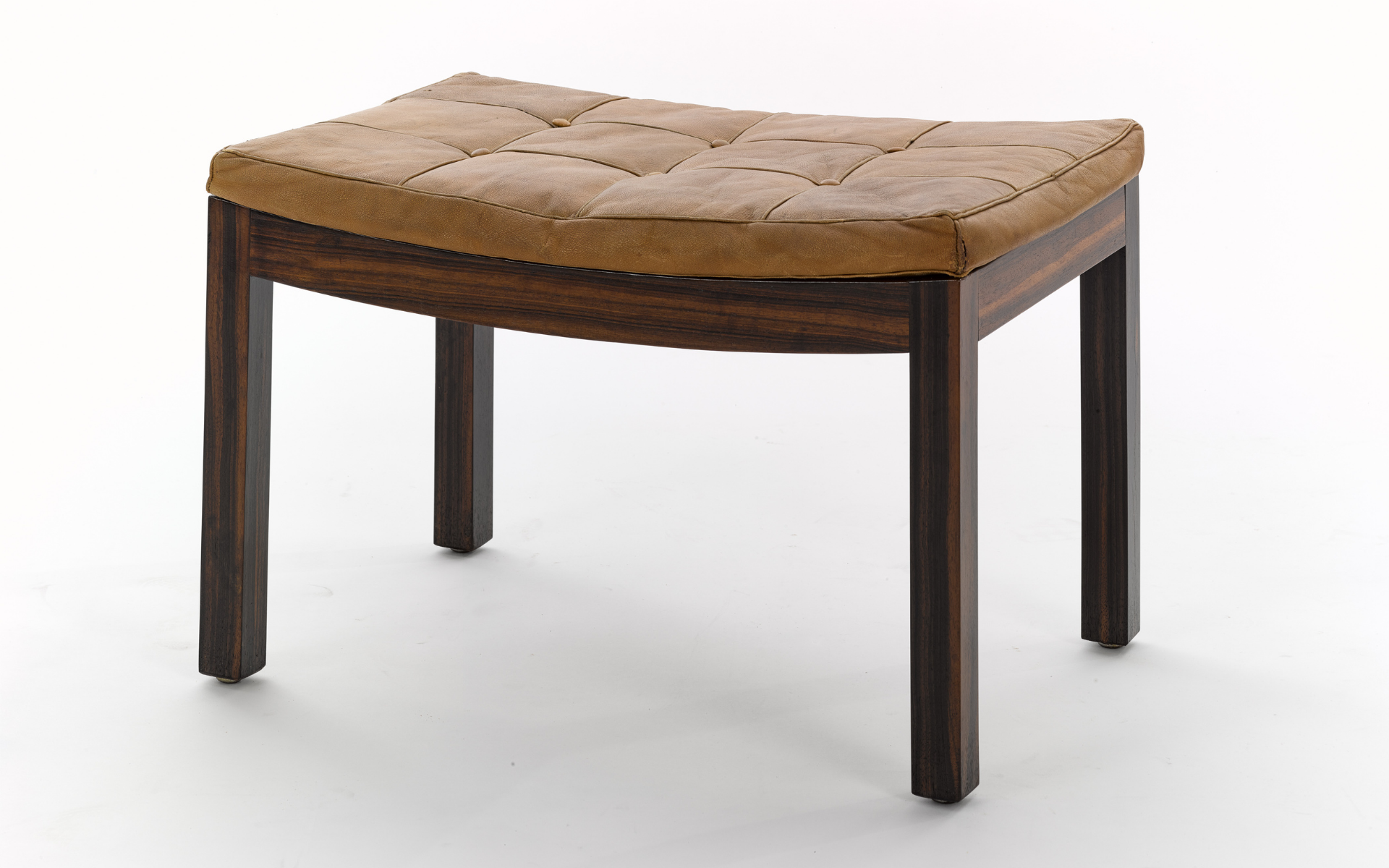
You also talk about divided Berlin in the exhibition. How did it come about that the furniture from Landhaus Lemke is here in the Museum of Decorative Arts?
Wita Noack: The Lemkes were expelled from their home by the Soviet occupying forces in 1945 and moved to the western sectors in the early 1950s. You can only marvel at the fact that they managed to take all their furniture with them. They were also able to save their clock collection. Today it is also in the Museum of Decorative Arts. Some things have also been lost, including KPM porcelain by Trude Petri, some paintings and a very beautiful floor vase by Otto Douglas Hill.
Achim Stiegel: Martha Lemke approached the Kunstgewerbemuseum after her husband's death and offered to donate the furniture to the museum after her death. They have been here since 1984.
And because they won't be returning to Obersee, you would have to sell tram tickets for the M5 here, wouldn't you?
Wita Noack: Yes, or set up a shuttle. You can't understand the furniture without having seen the Mies Haus.